

Can a Cat Recover from Kidney Failure?
Hearing that your cat has kidney failure can feel overwhelming—but it’s not always the end of the road. While chronic kidney disease (CKD) is progressive, many cats live months or even years with proper care and early intervention. Acute kidney failure, though urgent, can sometimes be reversed if caught quickly. Understanding the type, stage, and available support options is key to giving your feline the best possible quality of life. With love, management, and veterinary guidance, recovery—or meaningful stabilization—is often within reach.
Understanding Kidney Failure in Cats
Kidney failure isn’t a single condition—it falls into two main categories, each with different causes, timelines, and outcomes. Knowing which type your cat has shapes everything from treatment to prognosis.
- Chronic Kidney Disease (CKD):
A gradual, irreversible decline in kidney function, common in older cats; often diagnosed during routine bloodwork before symptoms appear. - Acute Kidney Injury (AKI):
A sudden loss of kidney function due to toxins, infection, or blockage; potentially reversible if treated immediately. - Role of the Kidneys:
They filter waste, regulate electrolytes, manage blood pressure, and produce hormones—when they falter, multiple body systems suffer. - Early Warning Signs:
Increased thirst, frequent urination, weight loss, or poor coat condition may be subtle at first but are critical red flags. - Progression and Staging:
Veterinarians use IRIS staging (I–IV) based on blood creatinine, urine concentration, and other markers to guide care.
Recognizing the distinction between chronic and acute failure is the first step toward making informed, compassionate decisions for your cat.
Common Causes of Kidney Failure
Kidney damage can stem from many sources—some preventable, others age-related. Identifying the trigger helps determine whether recovery is possible.
- Toxin exposure:
Lilies, antifreeze, NSAIDs, or certain medications can cause sudden, severe kidney injury—even in young cats. - Dehydration or low blood pressure:
Prolonged dehydration (e.g., from vomiting or heat) reduces blood flow to kidneys, triggering acute failure. - Infections:
Pyelonephritis (kidney infection) or systemic illnesses like leptospirosis can impair kidney function. - Age-related wear:
Over time, kidney tissue naturally deteriorates—this is the leading cause of CKD in cats over 10. - Genetic predisposition:
Breeds like Persians and Abyssinians have higher rates of polycystic kidney disease, which accelerates decline.
While chronic damage can’t be undone, removing the cause in acute cases may allow partial or full recovery.
Check this guide 👉Cat Kidney Stone Treatment: Best 7 Expert Tips!
Check this guide 👉Polycystic Kidney Disease in Cats: Best 7 Expert Tips!
Check this guide 👉Kidney Infection in Cats: Best 7 Expert Tips!
| Signs of Acute Kidney Injury | Signs of Chronic Kidney Disease |
|---|---|
| Sudden vomiting or collapse | Gradual weight loss over months |
| Known toxin exposure (e.g., lilies) | Increased water intake and urination |
| No urine output (anuria) | Poor appetite or mouth ulcers |
| Elevated kidney values within hours/days | Dull coat, lethargy, weakness |
| Often affects younger cats | Most common in cats over age 10 |
Can a Cat Truly Recover? What the Evidence Shows
The word “recover” means different things depending on the type of kidney failure. In acute cases, full recovery is possible; in chronic cases, the focus shifts to slowing progression.
- Acute kidney injury (AKI):
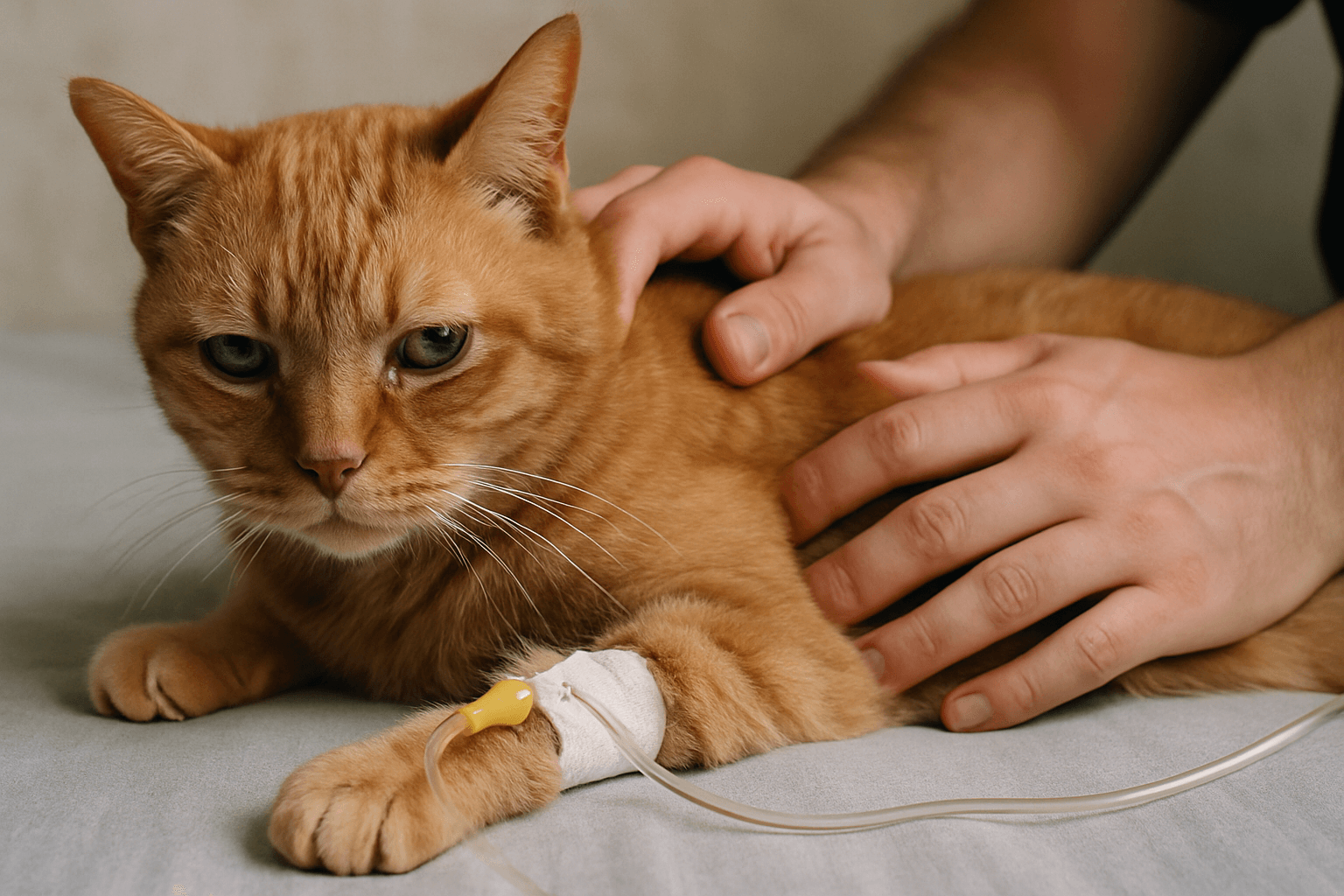
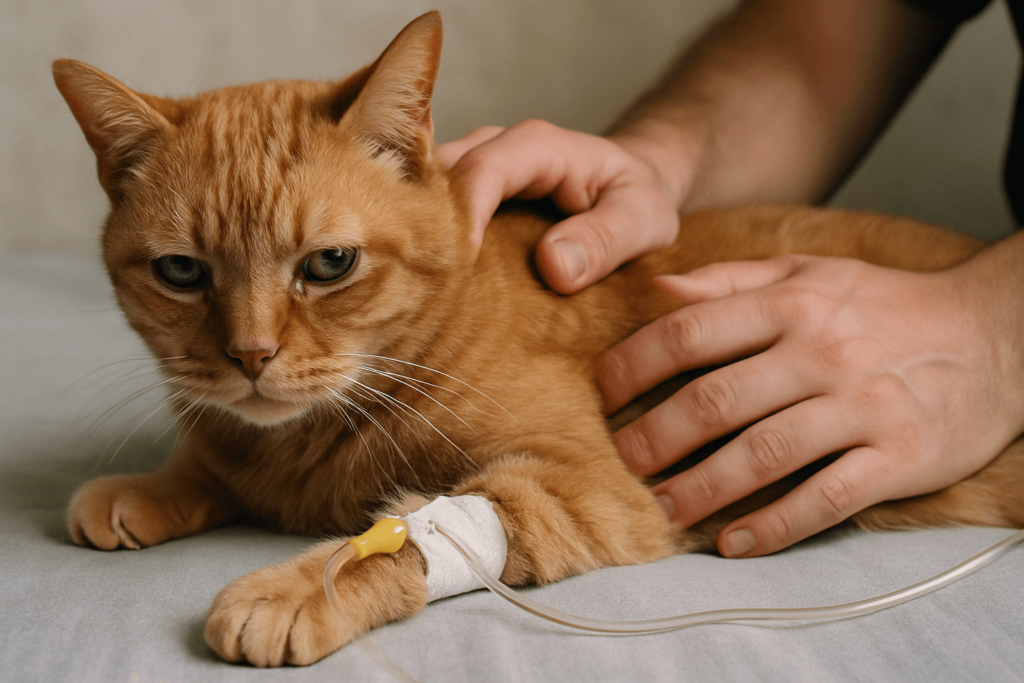
With aggressive IV fluid therapy, toxin removal, and supportive care, some cats regain near-normal kidney function within days to weeks. - Mild CKD (Stage I–II):
While not reversible, early-stage disease can be managed for years with diet, hydration, and monitoring—effectively “stabilizing” the cat. - Advanced CKD (Stage III–IV):
Recovery isn’t expected, but quality-of-life improvements are still achievable through symptom control and comfort care. - Subclinical detection:
Cats diagnosed via SDMA blood test before symptoms appear often have the best long-term outcomes with early intervention. - Individual variation:
Some cats defy expectations—remaining stable for years even with moderate kidney changes, especially with consistent home care.
Though kidneys can’t regenerate like liver tissue, the body often compensates remarkably well with the right support.
Veterinary Treatment Options That Make a Difference
Modern veterinary medicine offers powerful tools to support kidney function and comfort—especially when started early.
- Intravenous (IV) fluid therapy:
The cornerstone of AKI treatment; flushes toxins and restores hydration to give kidneys a chance to heal. - Prescription kidney diets:
Formulated with controlled phosphorus, high-quality protein, and omega-3s to reduce kidney workload and inflammation. - Phosphate binders:
Medications like aluminum hydroxide help control rising phosphorus levels, which can worsen nausea and bone issues. - Anti-nausea and appetite stimulants:
Drugs like maropitant or mirtazapine improve eating and reduce vomiting, critical for maintaining strength. - Blood pressure and anemia management:
Kidney disease often leads to hypertension or low red blood cell counts—both treatable with medication and monitoring.
These interventions won’t “cure” chronic disease, but they can dramatically extend and enhance your cat’s life.
Home Care Strategies for Long-Term Management
Your role at home is just as vital as veterinary treatment. Daily care choices directly impact your cat’s comfort and longevity.
- Encourage water intake:
Use fountains, wet food, or flavored broths (vet-approved) to combat dehydration—a major stressor on kidneys. - Feed consistent, kidney-friendly meals:
Stick to vet-recommended diets; avoid high-phosphorus treats like dairy or organ meats. - Monitor litter box habits:
Track changes in urine volume, frequency, or accidents—these can signal worsening function. - Minimize stress:
Keep routines predictable; stress can suppress appetite and worsen symptoms in sensitive cats. - Weigh your cat weekly:
Sudden weight loss often precedes clinical decline—early detection allows quicker intervention.
Small, consistent actions at home create a stable environment where your cat can thrive longer.
Supplements and Supportive Therapies: What Works?
Many owners explore complementary options—but not all are safe or effective. Always consult your vet before adding anything.
- Omega-3 fatty acids (fish oil):
May reduce kidney inflammation and slow protein loss in urine; use veterinary-formulated products. - B vitamins:
Lost in excess urine during CKD; supplementation helps prevent deficiency-related lethargy and poor appetite. - Probiotics (e.g., Azodyl):
Some evidence suggests certain strains help break down kidney waste products in the gut, easing toxin load. - Antioxidants like CoQ10:
Theoretical benefit for cellular health, though robust feline data is limited—use only under guidance. - Avoid herbal “kidney cleanses”:
Many contain unregulated ingredients that can harm compromised kidneys—stick to proven, vet-approved options.
Supportive care should enhance, not replace, conventional treatment—safety first, always.
When to Consider Quality of Life and End-of-Life Care
As kidney disease advances, the focus naturally shifts from recovery to comfort. Knowing when to adjust goals is an act of love.
- Track good vs. bad days:
Use a simple journal: if bad days outnumber good ones consistently, it may be time to discuss palliative options. - Watch for irreversible signs:
Severe vomiting, inability to keep food/water down, or neurological symptoms (seizures, disorientation) signal advanced decline. - Discuss subcutaneous fluids at home:
Many owners learn to give fluids under the skin—this can extend comfort for months in later stages. - Pain and nausea are treatable:
Even in end-stage disease, medications can keep your cat peaceful and relaxed. - Hospice and euthanasia are compassionate choices:
Letting go isn’t failure—it’s honoring your cat’s dignity when suffering outweighs joy.
Your vet can help you navigate this journey with empathy, ensuring your cat feels safe until the very end.
Frequently Asked Questions
Can a cat recover fully from acute kidney failure?
Yes—especially if treatment begins within hours of toxin exposure or injury. Full recovery is possible, though some cats retain mild kidney changes.
Is chronic kidney disease always fatal?
It is progressive and ultimately terminal, but many cats live 1–3+ years with proper management, especially if diagnosed early.
What’s the best food for a cat with kidney disease?
Prescription kidney diets (e.g., Hill’s k/d, Royal Canin Renal) are clinically proven to support function and longevity.
How often should my cat’s kidneys be monitored?
For CKD: every 3–6 months. For stable Stage I: annually. After AKI: rechecks every few weeks until stable.
Can I prevent kidney disease in my cat?
Not entirely—but feeding wet food, avoiding toxins (like lilies), and ensuring regular vet care reduce risk significantly.
Hope, Care, and the Journey Ahead
So, can a cat recover from kidney failure? The answer is layered—but filled with possibility. Acute cases may bounce back completely; chronic cases can be managed with grace and care for years. What matters most isn’t just the diagnosis, but how you respond to it: with vigilance, tenderness, and partnership with your vet. Every extra day your cat spends curled in your lap, purring softly, is a victory. And with today’s tools and your unwavering love, that time can be longer—and more joyful—than you might imagine.
Is Rawhide Bad for Cats? Best 7 Expert Tips! – Discover the risks, safe alternatives, and expert advice to keep your feline friend healthy and happy.

Is Rawhide Bad for Dogs? Best 7 Expert Tips! – Discover the risks, benefits, and safer alternatives to rawhides for your dog’s chewing needs.

Understanding Anorexia in Cats: Best 7 Expert Tips! – Learn why cats stop eating, spot warning signs, and discover how to help your feline regain appetite safely.

Understanding Anorexia in Dogs: Best 7 Expert Tips! – Learn causes, symptoms, and solutions to help your dog regain appetite and stay healthy.