

Can a Dog Recover from Kidney Failure? Best 7 Expert Tips!

Can a Dog Recover from Kidney Failure? Best 7 Expert Tips!

Can a Dog Recover from Kidney Failure?

When your dog is diagnosed with kidney failure, it’s natural to feel overwhelmed—and even hopeless. But the truth is more nuanced than a simple yes or no. While chronic kidney disease is often progressive, many dogs can enjoy months or even years of good quality life with early detection and proper care. Acute kidney injury, though severe, may be partially or fully reversible if treated swiftly. Understanding the type, stage, and treatment options is the first step toward giving your beloved companion the best possible outcome.

Types of Kidney Failure in Dogs


Not all kidney failure is the same. The prognosis and potential for recovery depend heavily on whether the condition is acute or chronic—and what triggered it.

 
  • Acute Kidney Injury (AKI):
    This sudden onset often results from toxins (like antifreeze or certain medications), infections, or dehydration—and can sometimes be reversed with aggressive treatment.
     
  • Chronic Kidney Disease (CKD):
    A gradual, irreversible decline in kidney function, usually seen in older dogs; while not curable, it can be managed effectively for long periods.
     
  • Prerenal Causes:
    Conditions like shock or severe dehydration reduce blood flow to the kidneys but may not cause permanent damage if corrected quickly.
     
  • Intrinsic Renal Damage:
    Direct injury to kidney tissue—from toxins, inflammation, or aging—can lead to lasting impairment, especially if advanced.
     
  • Postrenal Obstruction:
    Blockages in the urinary tract (e.g., stones or tumors) can back up pressure and impair kidney function, but relief may restore partial function.
 

Recognizing the type of kidney failure is essential—it shapes everything from emergency care to long-term management.

Can a Dog Recover from Kidney Failure? Best 7 Expert Tips!

Signs Your Dog May Have Kidney Problems


Kidney disease often creeps in quietly, but early symptoms can offer a crucial window for intervention. Knowing what to watch for could make all the difference.

 
  • Increased thirst and urination:
    One of the earliest signs, as failing kidneys lose the ability to concentrate urine.
     
  • Loss of appetite or nausea:
    Toxins build up in the bloodstream, causing vomiting, drooling, or food refusal.
     
  • Lethargy or weakness:
    Your dog may seem “off,” less playful, or sleep more than usual due to toxin accumulation and anemia.
     
  • Bad breath with a chemical odor:
    Uremic breath—a metallic or ammonia-like smell—is a red flag for advanced kidney dysfunction.
     
  • Weight loss and poor coat condition:
    Chronic kidney disease affects nutrient absorption and overall metabolism over time.
 

If you notice any of these signs—especially in combination—schedule a vet visit immediately. Early diagnosis dramatically improves outcomes.

Acute Kidney Injury (AKI) Chronic Kidney Disease (CKD)
Sudden onset (hours to days) Gradual progression (months to years)
Potentially reversible with treatment Irreversible but manageable
Often caused by toxins or infection Linked to aging, genetics, or long-term wear
Requires hospitalization in many cases Managed at home with diet and meds
Prognosis depends on speed of care Quality of life can be excellent for years

Diagnostic Steps Your Vet Will Take


Confirming kidney failure isn’t guesswork—it requires precise testing to determine severity, cause, and the best path forward.

 
  • Blood chemistry panel:
    Measures BUN, creatinine, phosphorus, and electrolytes to assess kidney filtering ability.
     
  • Urinalysis:
    Checks urine concentration (specific gravity), protein loss, and signs of infection or crystals.
     
  • SDMA test:
    A newer biomarker that detects kidney dysfunction earlier than traditional markers.
     
  • Imaging (ultrasound or X-ray):
    Helps evaluate kidney size, shape, and rule out obstructions or tumors.
     
  • Blood pressure measurement:
    High blood pressure is both a cause and consequence of kidney disease and must be monitored.
 

These diagnostics form the foundation of a personalized treatment plan—and give you clarity during a stressful time.

Treatment Options for Acute Kidney Injury


When time is critical, aggressive care can make recovery possible. Most dogs with AKI require hospitalization, but the effort may yield remarkable results.

 
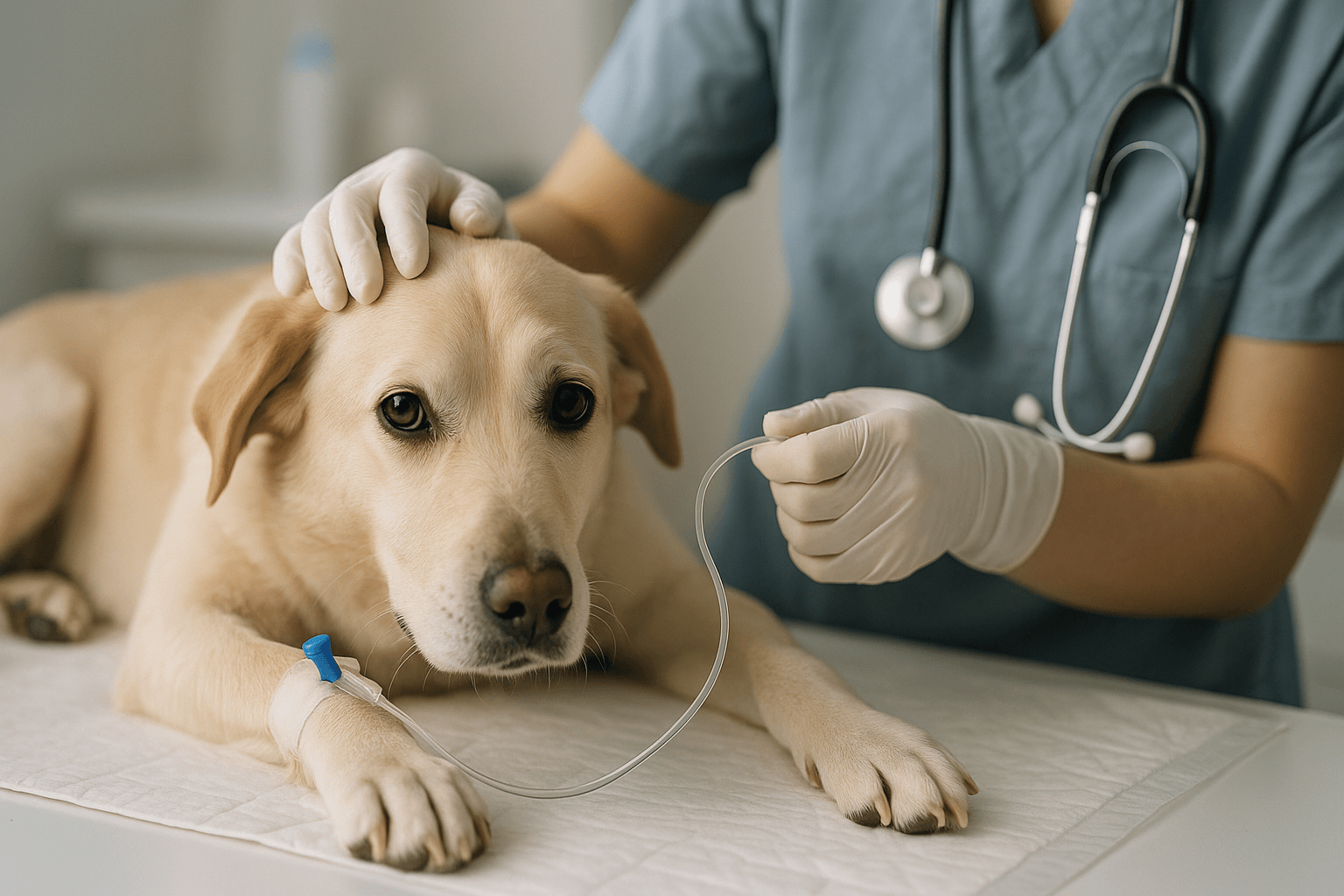
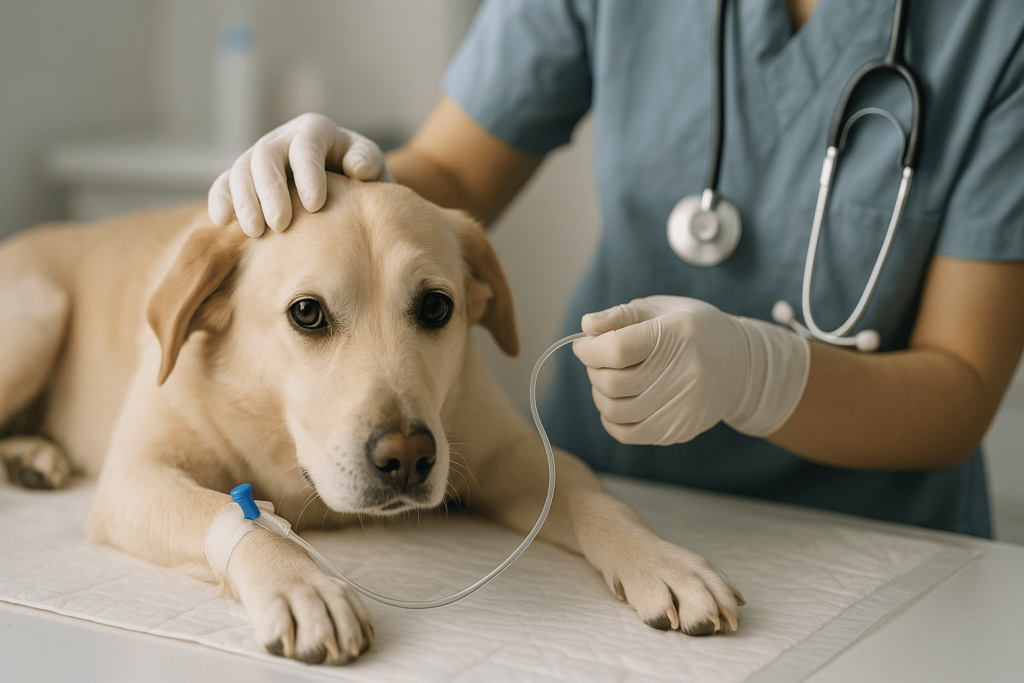
  • Intravenous fluid therapy:
    Flushes toxins, restores hydration, and supports kidney perfusion—often for 48–72 hours or longer.
     
  • Medications to protect the gut:
    Antacids or anti-nausea drugs help manage vomiting and prevent stomach ulcers from toxin buildup.
     
  • Antibiotics (if infection is suspected):
    Used cautiously to avoid further kidney stress, but essential for sepsis or pyelonephritis.
     
  • Dialysis (in specialized centers):
    Rare but life-saving in severe toxin exposures; filters blood when kidneys can’t.
     
  • Nutritional support:
    Feeding tubes or appetite stimulants ensure your dog gets calories while recovering.
 

With prompt, intensive care, some dogs regain near-normal kidney function—though close monitoring remains essential.

Managing Chronic Kidney Disease at Home


While CKD can’t be cured, smart daily care can slow progression and keep your dog feeling well for a long time.

 
  • Prescription kidney diet:
    Formulated with controlled phosphorus, high-quality protein, and added omega-3s to reduce kidney workload.
     
  • Fresh water always available:
    Encourage hydration with water fountains, broths, or ice cubes to prevent dehydration.
     
  • Phosphate binders (if needed):
    Given with meals to prevent dangerous phosphorus buildup when diet alone isn’t enough.
     
  • ACE inhibitors or antihypertensives:
    Help manage blood pressure and reduce protein loss in urine, preserving function longer.
     
  • Regular rechecks (every 3–6 months):
    Blood and urine tests track progression and allow timely adjustments to treatment.
 

Consistency and compassion turn management into a routine that supports both health and happiness.

Supplements and Supportive Therapies


Alongside conventional care, certain supplements may offer added kidney support—though always consult your vet before starting any.

 
  • Omega-3 fatty acids (from fish oil):
    May reduce inflammation and slow disease progression in early-stage CKD.
     
  • B-complex vitamins:
    Lost in excess urine; supplementation helps maintain energy and appetite.
     
  • Probiotics (e.g., Azodyl):
    Bind nitrogenous waste in the gut, potentially lowering toxin levels in the bloodstream.
     
  • Antioxidants like CoQ10:
    Support cellular health, though evidence in dogs is still emerging.
     
  • Subcutaneous fluids (at home):
    For moderate to advanced CKD, periodic fluid therapy under the skin can maintain hydration between vet visits.
 

These tools work best as part of a comprehensive plan—not as standalone fixes.

Preventing Further Kidney Damage


Once kidney function is compromised, every choice matters. Protecting remaining nephrons (filtering units) is your top priority.

 
  • Avoid NSAIDs and nephrotoxic drugs:
    Never give ibuprofen, aspirin, or certain antibiotics without veterinary approval.
     
  • Keep toxins out of reach:
    Antifreeze, lilies, grapes, and certain flea products can be deadly—even in tiny amounts.
     
  • Treat dental disease promptly:
    Oral bacteria can travel to the kidneys and worsen inflammation.
     
  • Monitor for urinary tract infections:
    Silent UTIs can accelerate kidney decline; regular urine checks help catch them early.
     
  • Maintain a stress-free environment:
    Stress impacts blood pressure and hydration—both critical for kidney health.
 

Prevention isn’t about perfection—it’s about mindful, consistent choices that add up over time.

Frequently Asked Questions

Can a dog fully recover from acute kidney failure?

In some cases, yes—especially if treated within hours of toxin exposure or dehydration. Full recovery is more likely when the cause is reversible and damage is minimal.

Many dogs live 1–4 years or more after diagnosis, depending on the stage at detection and how well the condition is managed.

Not directly—but associated symptoms like nausea, mouth ulcers, or high blood pressure can cause discomfort. Proper care minimizes suffering.

Yes, if your vet recommends it. Therapeutic kidney diets are proven to extend survival and improve quality of life.

When your dog no longer enjoys life—refusing food despite support, showing constant discomfort, or withdrawing from family—a quality-of-life scale can help guide this heart-wrenching decision.

Hope, Care, and Quality of Life


The question “Can a dog recover from kidney failure?” doesn’t have a single answer—but it does open the door to a deeper truth: recovery isn’t always about returning to normal. Sometimes, it’s about adapting, supporting, and giving your dog more good days than bad. With today’s veterinary advances, even serious kidney disease doesn’t have to mean the end. It can be a new beginning—one filled with thoughtful care, close monitoring, and the quiet joy of extra time together. And in the end, that’s what matters most.

 
Is Rawhide Bad for Cats? Best 7 Expert Tips!

Is Rawhide Bad for Cats? Best 7 Expert Tips! – Discover the risks, safe alternatives, and expert advice to keep your feline friend healthy and happy.

Is Rawhide Bad for Dogs? Best 7 Expert Tips!

Is Rawhide Bad for Dogs? Best 7 Expert Tips! – Discover the risks, benefits, and safer alternatives to rawhides for your dog’s chewing needs.

Understanding Anorexia in Cats: Best 7 Expert Tips!

Understanding Anorexia in Cats: Best 7 Expert Tips! – Learn why cats stop eating, spot warning signs, and discover how to help your feline regain appetite safely.

Understanding Anorexia in Dogs: Best 7 Expert Tips!

Understanding Anorexia in Dogs: Best 7 Expert Tips! – Learn causes, symptoms, and solutions to help your dog regain appetite and stay healthy.

Leave a Reply

Your email address will not be published. Required fields are marked *