

Dog Heat Stroke Survival Rate: Best 7 Expert Tips!

Dog Heat Stroke Survival Rate: Best 7 Expert Tips!

Dog Heat Stroke Survival Rate: What Every Pet Owner Needs to Know

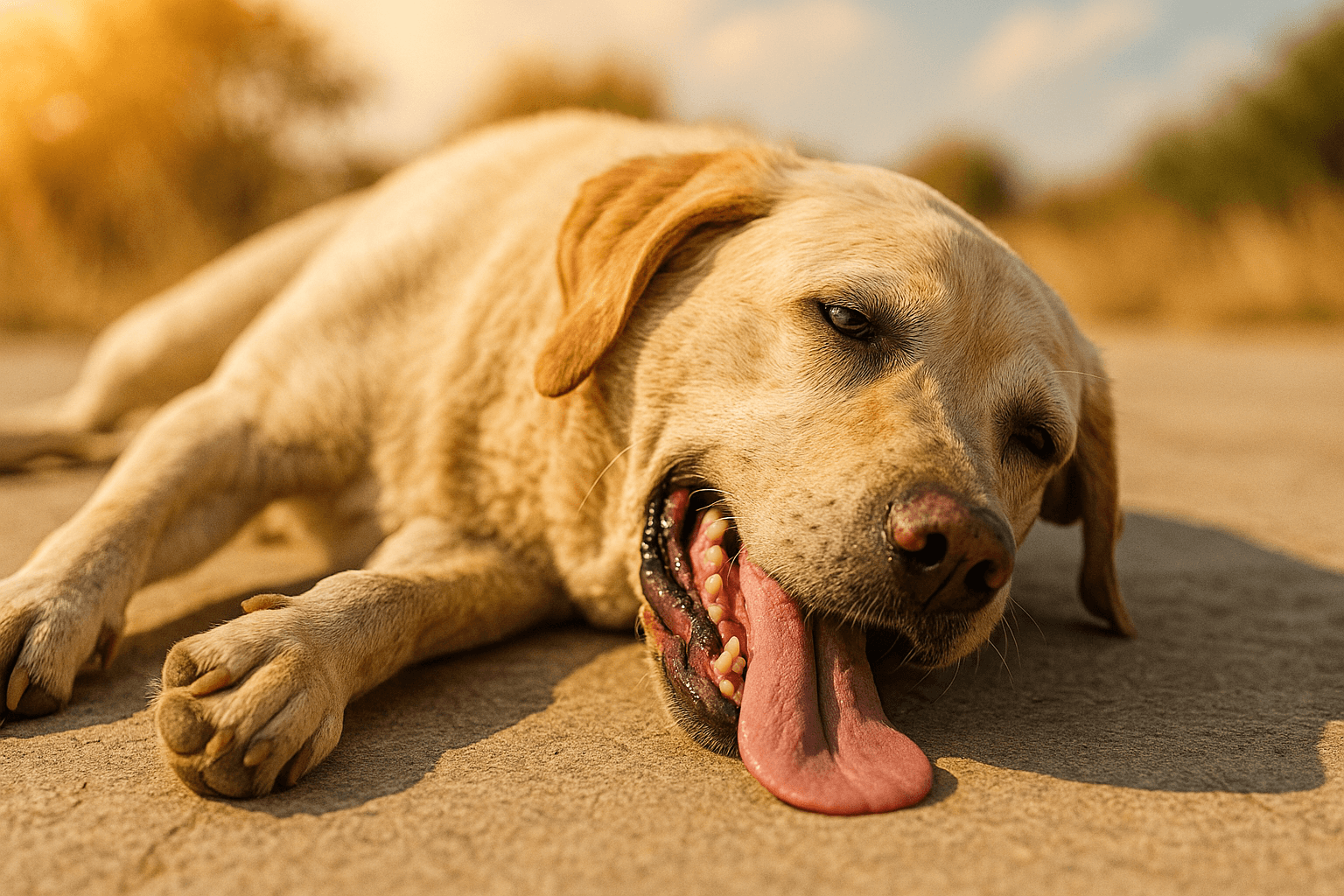
Heat stroke is one of the most urgent—and preventable—threats to dogs during warm months. Unlike humans, dogs can’t cool themselves efficiently, making them vulnerable to rapidly rising body temperatures. The survival rate for dog heat stroke depends heavily on how quickly treatment begins, but even with care, outcomes can be unpredictable. Understanding the facts, warning signs, and emergency steps could mean the difference between life and loss. This guide breaks down everything you need to know about heat stroke in dogs—including realistic survival expectations and how to act fast.

What Is Heat Stroke in Dogs?


Heat stroke (or hyperthermia) occurs when a dog’s internal temperature rises beyond the body’s ability to regulate it—typically above 106°F (41°C). Unlike a mild fever, this is a systemic crisis that damages organs, disrupts blood flow, and can escalate within minutes.

 
  • Rapid overheating:
    Unlike humans, dogs mainly cool through panting and paw pads—inefficient methods in high heat or humidity.
     
  • Triggered by environmental stress:
    Common causes include being left in hot cars, overexertion in warm weather, or lack of shade and water.
     
  • Core temperature spirals quickly:
    A dog’s normal temperature is 101–102.5°F; at 106°F+, cellular damage begins, and organ failure can follow within an hour.
     
  • Not just a “summer” issue:
    Heat stroke can happen in spring or even indoors if ventilation is poor or a dog has underlying health issues.
     
  • Breed and age matter:
    Brachycephalic (flat-faced) breeds, seniors, puppies, and overweight dogs are at significantly higher risk.
 

Heat stroke isn’t just “getting hot”—it’s a full-body emergency that demands immediate action.

Dog Heat Stroke Survival Rate: Best 7 Expert Tips!

Early Warning Signs of Heat Stroke


Recognizing symptoms early is your best chance to intervene before irreversible damage occurs. Dogs often hide distress until they’re in serious trouble—so watch closely.

 
  • Excessive panting or drooling:
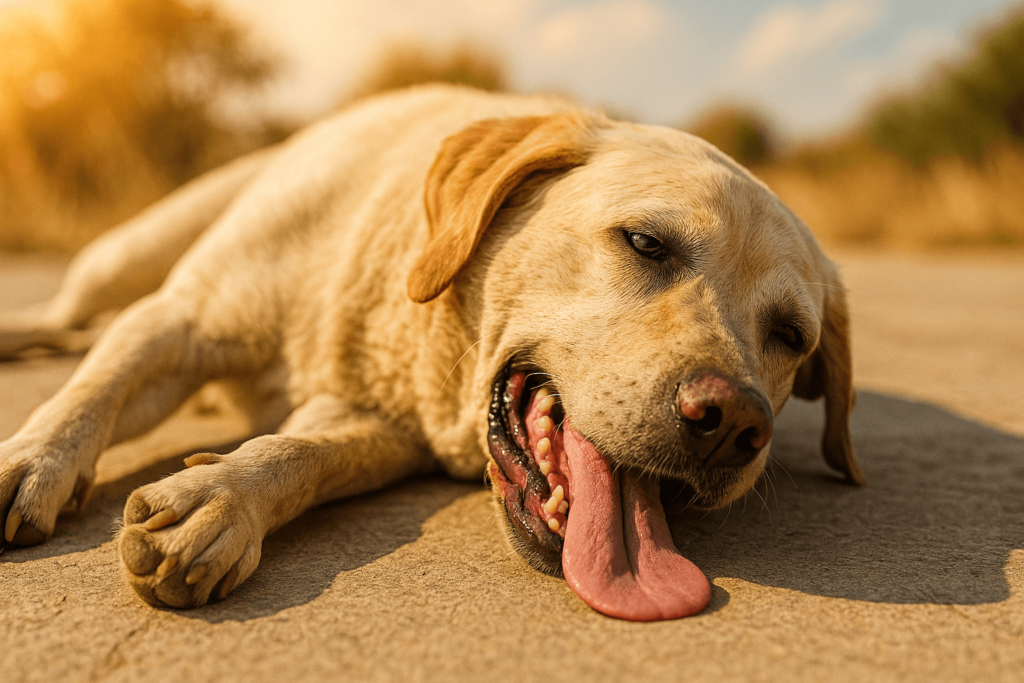
    Panting that doesn’t ease in shade or with water may signal rising core temperature.
     
  • Bright red or pale gums:
    Gums should be pink and moist; redness indicates overheating, while pale or blue gums signal shock.
     
  • Lethargy or weakness:
    A dog that suddenly stumbles, collapses, or seems disoriented needs urgent cooling and vet care.
     
  • Vomiting or diarrhea (sometimes bloody):
    Gastrointestinal distress is a red flag for systemic inflammation and organ stress.
     
  • Mental changes:
    Seizures, unresponsiveness, or glazed eyes mean the brain is affected—this is critical.
 

If you see even one of these signs on a warm day, start cooling your dog immediately and call your vet.

 
Immediate First Aid Steps Veterinary Treatments
Move to shade or AC Intravenous fluids for hydration
Cool (not cold) water on belly/paws Oxygen therapy for respiratory support
Offer small sips of water Blood tests to check organ function
Never use ice or ice baths Medications to control seizures or inflammation
Transport to vet immediately Hospitalization for 24–72 hours of monitoring

Dog Heat Stroke Survival Rate: The Facts


Survival isn’t guaranteed—and it hinges on speed, severity, and veterinary resources. Studies show that with treatment within 30 minutes, survival rates can exceed 90%. But delays drastically reduce those odds.

 
  • Mild cases (temp <106°F, treated fast):
    Most dogs recover fully with no long-term effects if cooled and rehydrated promptly.
     
  • Moderate cases (seizures, vomiting, temp >107°F):
    Survival drops to 50–70%; organ damage (especially kidneys and liver) may require ongoing care.
     
  • Severe cases (coma, DIC, temp >109°F):
    Mortality exceeds 50%, even with intensive care—due to multi-organ failure and clotting disorders.
     
  • Delayed treatment (>1 hour):
    Every minute counts. Survival plummets after the first hour of uncooled hyperthermia.
     
  • Breed and health impact outcomes:
    Brachycephalic or cardiac-compromised dogs have lower resilience, even with early care.
 

While hopeful statistics exist, they underscore one truth: prevention and immediate action are your dog’s best defenses.

High-Risk Breeds and Conditions


Not all dogs face equal risk. Some are biologically predisposed to overheating—making awareness even more vital for their owners.

 
  • Brachycephalic breeds:
    Bulldogs, Pugs, Boston Terriers, and Frenchies have narrowed airways that impair panting efficiency.
     
  • Thick-coated breeds:
    Huskies, Malamutes, and Newfoundlands struggle in heat despite their stamina in cold climates.
     
  • Overweight or elderly dogs:
    Extra fat insulates heat, and aging bodies regulate temperature less effectively.
     
  • Dogs with heart or respiratory disease:
    Their compromised systems can’t handle the stress of elevated body temperature.
     
  • Puppies under 6 months:
    Immature thermoregulation makes them surprisingly vulnerable, even on mild days.
 

If your dog falls into any of these categories, treat warm weather as a high-alert scenario.

What NOT to Do During a Heat Stroke Emergency


Good intentions can backfire. Avoid these common mistakes that worsen outcomes during a heat crisis.

 
  • Don’t use ice or ice water:
    Extreme cold causes blood vessels to constrict, trapping heat inside the core and risking shock.
     
  • Don’t force water down their throat:
    An unconscious or seizing dog can aspirate—offer small sips only if they’re alert and swallowing.
     
  • Don’t wrap in wet towels:
    This traps heat. Instead, use damp cloths with airflow or a fan for evaporation.
     
  • Don’t wait to “see if they improve”:
    Heat stroke escalates silently—by the time symptoms peak, damage is often severe.
     
  • Don’t skip the vet after home cooling:
    Even if your dog seems fine, internal organ injury may not show for 24–48 hours.
 

When in doubt, always err on the side of caution and seek professional care.

Recovery and Long-Term Care After Heat Stroke


Surviving heat stroke doesn’t mean the danger is over. Many dogs face complications days later—requiring vigilant monitoring.

 
  • Watch for delayed symptoms:
    Vomiting, dark urine, jaundice, or weakness in the days after may signal kidney or liver failure.
     
  • Follow all vet instructions:
    Medications, restricted activity, and repeat blood work are often necessary for full recovery.
     
  • Hydration is critical:
    Encourage water intake, but avoid overhydration, which can strain compromised kidneys.
     
  • Avoid heat indefinitely:
    Even after recovery, some dogs have reduced heat tolerance for life.
     
  • Prevent recurrence:
    Never repeat the circumstances that led to the event—whether it’s car rides, midday walks, or unsupervised yard time.
 

Recovery can take weeks—and some dogs never fully regain prior health. Prevention is always safer than rehabilitation.

Prevention Strategies That Save Lives


Most heat stroke cases are entirely preventable. Simple habits can protect your dog year-round.

 
  • Never leave a dog in a parked car:
    Temperatures inside can hit 120°F in minutes—even with windows cracked or on “cool” days.
     
  • Walk during cooler hours:
    Early morning or late evening walks reduce pavement heat and air temperature exposure.
     
  • Provide constant fresh water and shade:
    Outdoor dogs need shaded, well-ventilated areas and multiple water sources.
     
  • Use cooling gear wisely:
    Cooling vests, mats, or bandanas can help—but never rely on them as sole protection in extreme heat.
     
  • Know your dog’s limits:
    Even active breeds like Labs or Shepherds can overheat during play if they’re not acclimated.
 

Prevention isn’t just smart—it’s a promise to your dog that you’ll keep them safe when they can’t protect themselves.

Frequently Asked Questions

What is the average dog heat stroke survival rate?

With immediate treatment, survival exceeds 90%. Delays beyond one hour drop it to 50% or lower, depending on severity.

Yes—many do, especially with mild cases. But severe episodes can cause permanent kidney, liver, or neurological damage.

In extreme heat (like a car), symptoms can begin in under 10 minutes. Outdoors, it may take 30–60 minutes of exertion.

Not always—dogs pant when excited or stressed. But excessive, labored panting that doesn’t stop in cool conditions is a red flag.

Yes. Before 8 a.m. or after 7 p.m. in summer months minimizes heat exposure and hot pavement burns.

Final Thoughts – Your Vigilance Is Their Lifeline


The dog heat stroke survival rate isn’t just a statistic—it’s a reflection of how quickly and wisely we act as guardians. Dogs trust us to notice when they’re in trouble, even when they can’t speak. By learning the signs, avoiding dangerous situations, and responding without hesitation, you give your companion the best possible chance at a full, healthy life. Remember: on a hot day, your awareness isn’t just care—it’s courage. And that makes all the difference.

Is Rawhide Bad for Cats? Best 7 Expert Tips!

Is Rawhide Bad for Cats? Best 7 Expert Tips! – Discover the risks, safe alternatives, and expert advice to keep your feline friend healthy and happy.

Is Rawhide Bad for Dogs? Best 7 Expert Tips!

Is Rawhide Bad for Dogs? Best 7 Expert Tips! – Discover the risks, benefits, and safer alternatives to rawhides for your dog’s chewing needs.

Understanding Anorexia in Cats: Best 7 Expert Tips!

Understanding Anorexia in Cats: Best 7 Expert Tips! – Learn why cats stop eating, spot warning signs, and discover how to help your feline regain appetite safely.

Understanding Anorexia in Dogs: Best 7 Expert Tips!

Understanding Anorexia in Dogs: Best 7 Expert Tips! – Learn causes, symptoms, and solutions to help your dog regain appetite and stay healthy.

Leave a Reply

Your email address will not be published. Required fields are marked *