What Can I Give My Cat for Swelling? Best 7 Expert Tips!

What Can I Give My Cat for Swelling? Best 7 Expert Tips!

What Can I Give My Cat for Swelling?

Swelling in cats can be subtle yet significant—ranging from a harmless bump after a minor scratch to a sign of serious infection or injury. Because cats are masters at hiding discomfort, detecting and addressing swelling early is crucial for their well-being. While some mild cases respond to gentle home care, others demand immediate veterinary attention. In this guide, we’ll explore safe, vet-informed options and clear warning signs you should never overlook. Because when your feline friend is in distress, you deserve reliable answers—fast and feline-friendly.

Common Causes of Swelling in Cats


Before reaching for any remedy, it’s vital to consider what might be causing the swelling. Cats can swell for a variety of reasons—some benign, others urgent—and treatment depends entirely on the underlying issue.

 
  • Abscesses from cat bites:
    Outdoor cats often develop painful, pus-filled swellings after fights; these are bacterial infections needing drainage and antibiotics.
     
  • Allergic reactions:
    Bee stings, food sensitivities, or environmental allergens may cause facial puffiness, swollen paws, or hives.
     
  • Dental disease:
    Tooth abscesses frequently lead to swelling under the eye or along the jawline, often accompanied by drooling or reluctance to eat.
     
  • Trauma or sprains:
    Even indoor cats can twist a leg or bruise from a fall, resulting in localized swelling and limping.
     
  • Tumors or cysts:
    Lumps that grow slowly may be benign cysts—or more serious masses requiring diagnostics and monitoring.
 

Identifying the cause guides your next steps—and helps you avoid well-intentioned actions that could worsen the problem.

What Can I Give My Cat for Swelling? Best 7 Expert Tips!

When to Call the Vet Immediately


Not all swelling warrants panic—but some types are true emergencies. Acting swiftly in these cases can prevent complications or even save your cat’s life.

 
  • Facial or neck swelling with breathing changes:
    This may signal anaphylaxis, a life-threatening allergic reaction requiring epinephrine and oxygen support.
     
  • Hard, fast-growing, or bleeding lumps:
    These could indicate aggressive tumors or infected wounds needing urgent evaluation.
     
  • Swelling with lethargy, vomiting, or collapse:
    Systemic signs suggest internal illness, toxin exposure, or sepsis—never wait to see if it improves.
     
  • Abdominal distension or bloating:
    Especially if your cat seems restless or refuses to lie down, this may point to internal bleeding or organ issues.
     
  • Swelling near the eye or ear with discharge:
    These areas are delicate; infections here can spread quickly to the brain or cause permanent damage.
 

When in doubt, err on the side of caution—your vet would rather you call “just in case.”

Safe Supportive Measures Signs Requiring Immediate Vet Care
Cool compress for minor limb swelling Difficulty breathing or swallowing
Keeping your cat calm and confined Swelling with fever or weakness
Gentle cleaning of small wounds Rapidly enlarging facial swelling
Monitoring for 12–24 hours (mild cases) Lumps that bleed or ulcerate
Offering fresh water and soft food No improvement or worsening within 24 hours

Safe Supportive Care (With Vet Guidance)


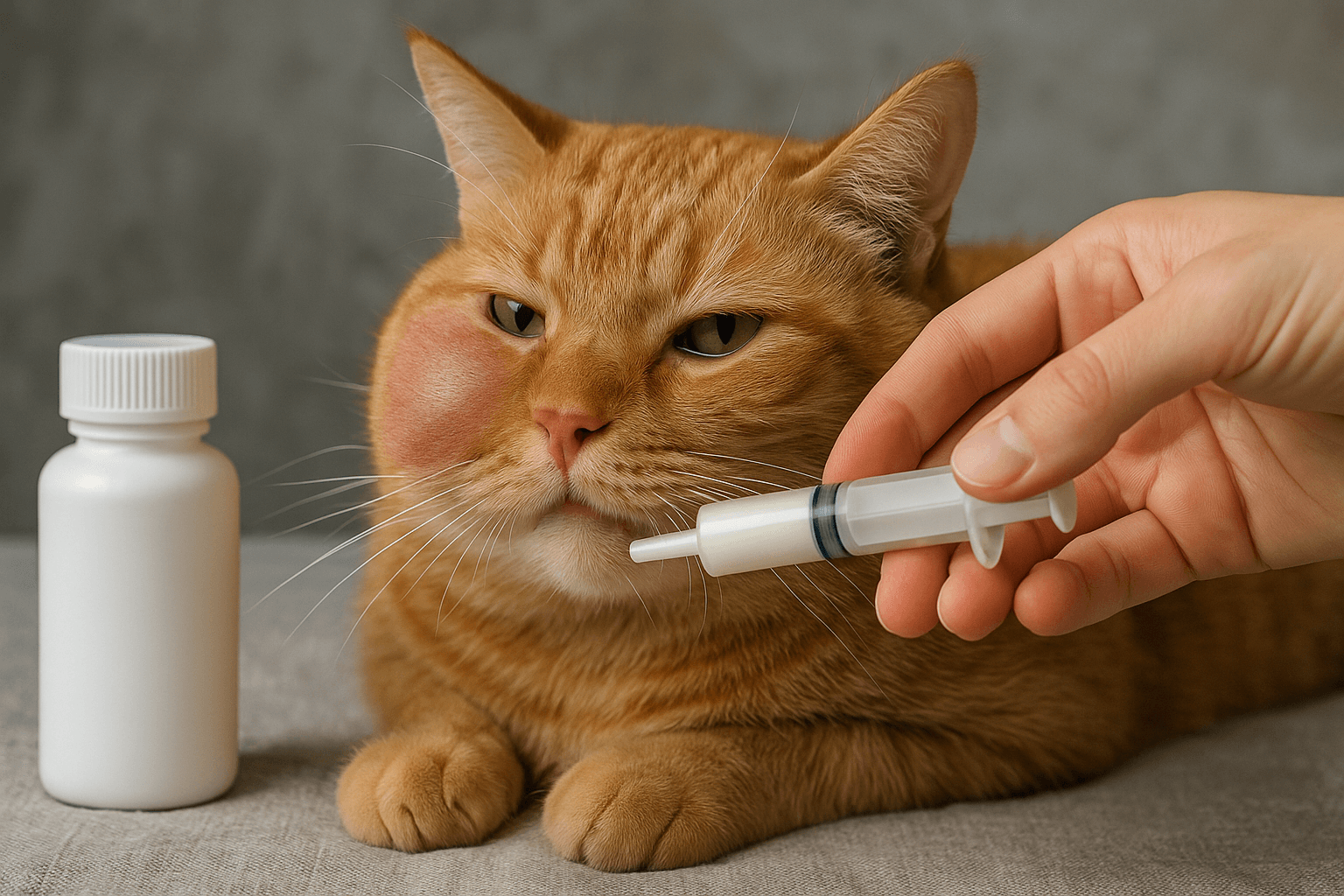
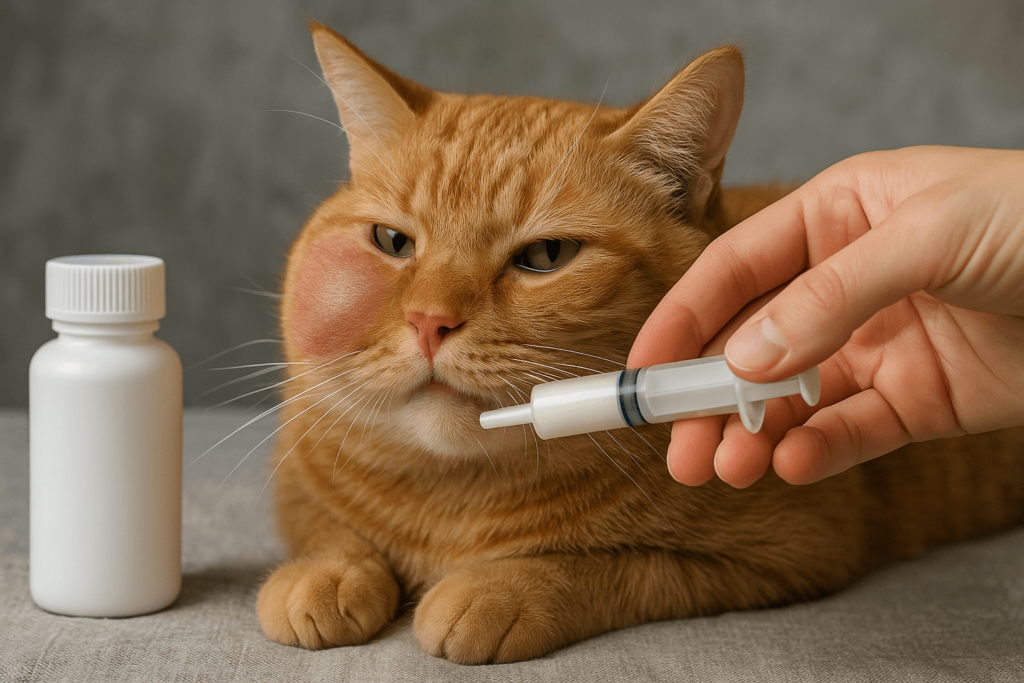
While cats are highly sensitive to medications, a few supportive measures can help—only after consulting your veterinarian. Never give human drugs without explicit approval.

 
  • Cool compress (not ice):
    For minor sprains or insect bites, apply a damp, cool cloth for 5–10 minutes to reduce inflammation.
     
  • Benadryl (diphenhydramine)—rarely and carefully:
    Some vets may approve a tiny dose for acute allergic swelling, but many avoid it due to cats’ unique metabolism.
     
  • Elevating a swollen limb (if tolerated):
    Gently supporting the affected leg on a soft towel may ease discomfort—never force it.
     
  • Soft, wet food for jaw swelling:
    If your cat has dental-related swelling, easy-to-chew meals prevent hunger and reduce pain.
     
  • Quiet, stress-free environment:
    Cats heal best when calm; minimize noise, visitors, and changes to routine during recovery.
 

These approaches offer comfort—but they are not cures for infection, trauma, or systemic illness.

Natural & Holistic Options to Discuss With Your Vet


Some cat owners explore gentle complementary methods. While none replace veterinary care, a few may support healing—if approved by your vet.

 
  • Chamomile tea compress (cooled):
    May soothe minor skin irritation or post-bite swelling—ensure your cat can’t ingest it.
     
  • Omega-3 fatty acids (fish oil):
    May help manage chronic inflammatory conditions like arthritis over time.
     
  • Hydration support with bone broth (no onion/garlic):
    Encourages fluid intake if your cat is reluctant to drink due to mouth pain.
     
  • CBD oil (where legal and vet-approved):
    Emerging research suggests potential for inflammation and anxiety—but quality and dosage are critical.
     
  • Warm (not hot) compress for abscesses—only if draining:
    Never apply heat to a closed abscess; this can worsen infection.
 

Always disclose any supplement or remedy to your vet—many natural products interact with medications or stress the liver.

Dangerous Mistakes to Avoid


Cats are far more sensitive than dogs to many common substances. What seems helpful can be deadly.

 
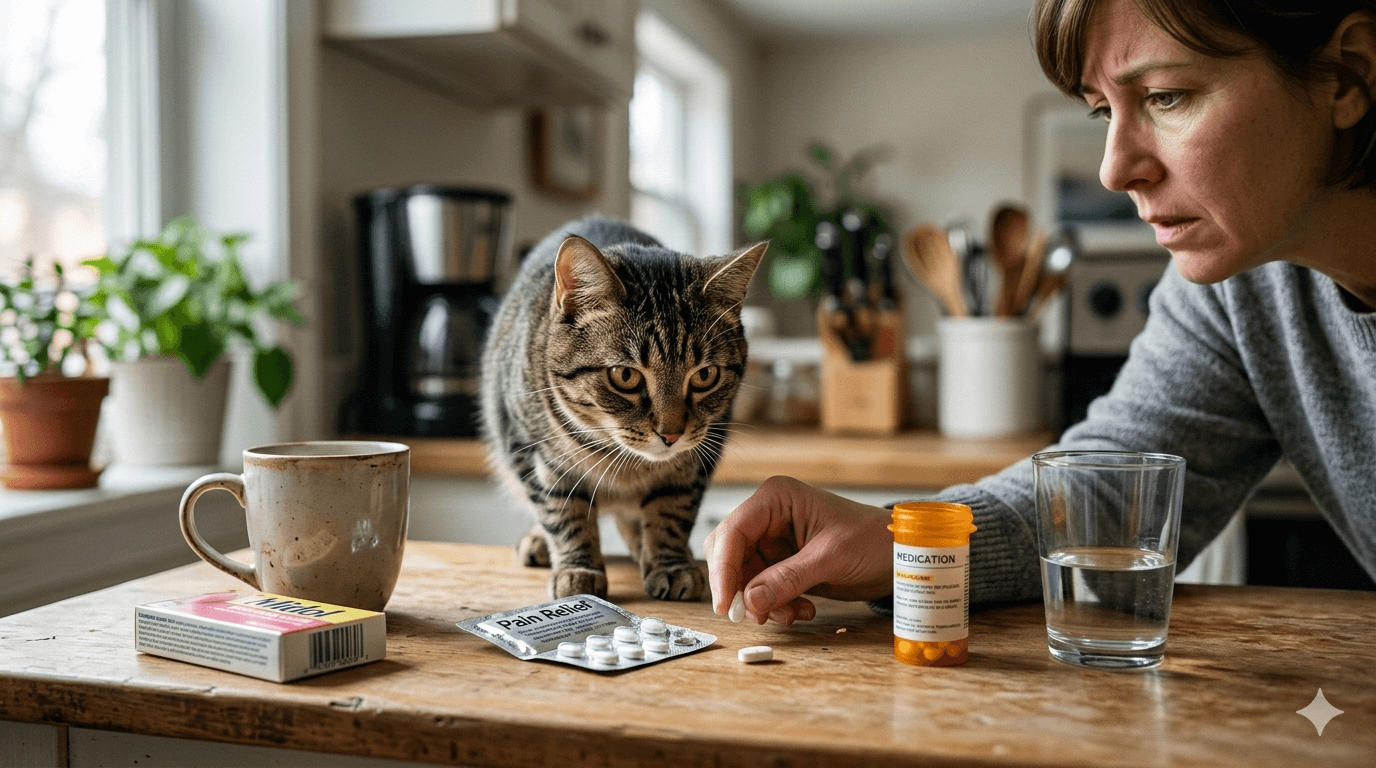
  • Never give ibuprofen, acetaminophen, or aspirin:
    These are extremely toxic to cats—even a fraction of a human dose can cause fatal liver or kidney damage.
     
  • Avoid essential oils (topical or diffused):
    Tea tree, eucalyptus, and citrus oils can cause tremors, respiratory distress, or organ failure.
     
  • Don’t squeeze or lance lumps at home:
    Abscesses or cysts require sterile drainage—DIY attempts can spread infection or cause shock.
     
  • Skip human antihistamine creams:
    Many contain ingredients cats absorb through the skin, leading to poisoning.
     
  • Don’t delay care hoping it “goes away”:
    Cats deteriorate quickly; untreated swelling often signals a worsening condition.
 

When it comes to feline health, “less is more”—and professional guidance is non-negotiable.

Managing Post-Vaccine or Post-Surgical Swelling


Mild swelling after shots or procedures is normal in cats—but knowing how to monitor it matters.

 
  • Small bump at injection site:
    Usually resolves in 1–2 days; warm compresses may help if your vet approves.
     
  • Keep the incision clean and dry:
    After surgery, prevent licking with a cone and watch for redness, discharge, or opening.
     
  • Limit activity for 3–5 days:
    Avoid jumping, climbing, or rough play to reduce strain on healing tissues.
     
  • Follow medication instructions precisely:
    Antibiotics or pain meds must be given in full—even if your cat seems better.
     
  • Watch for delayed reactions:
    Some vaccine-related swelling appears 3–5 days later; report any new lumps promptly.
 

Most post-procedure swelling is temporary—but vigilance ensures a smooth, safe recovery.

Preventing Future Swelling Episodes


Proactive care reduces recurrence, especially in cats prone to allergies, dental issues, or outdoor risks.

 
  • Keep cats indoors:
    Prevents bite wounds, trauma, and exposure to toxins or insects that cause swelling.
     
  • Daily dental checks:
    Look for drooling, bad breath, or reluctance to eat—early signs of dental abscesses.
     
  • Use vet-approved flea prevention:
    Flea allergy dermatitis is a common cause of skin swelling and itching.
     
  • Feed a high-quality, species-appropriate diet:
    Supports immune health and reduces risk of food-related allergic reactions.
     
  • Schedule biannual wellness exams:
    Cats age quickly; early detection of lumps, infections, or organ issues prevents advanced swelling.
 

Prevention isn’t foolproof—but it gives your cat the best chance at a long, healthy, swelling-free life.

Frequently Asked Questions

Can I give my cat Benadryl for swelling?

Rarely—and only if your vet specifically recommends it. Most feline veterinarians avoid antihistamines due to unpredictable metabolism and limited effectiveness in cats.

With proper treatment (often steroids, not antihistamines), mild allergic swelling improves within 12–48 hours. Untreated, it can worsen rapidly.

Yes. A pea-sized bump at the injection site that fades in 1–2 days is typical. If it grows, becomes painful, or lasts longer than a week, contact your vet.

Absolutely. Tooth root abscesses commonly cause swelling below the eye or along the jaw—often mistaken for an eye or skin issue.

Confine your cat, avoid touching the area, and call your vet. Causes range from thorns and stings to fractures or infections—all requiring different care.

Final Thoughts – Gentle Care, Swift Action


Swelling in cats is a silent signal—one that demands both tenderness and urgency. Because they hide pain so well, your attentiveness might be the only thing standing between discomfort and crisis. By knowing what’s safe to try at home, what’s dangerous, and when to call for help, you become your cat’s most powerful protector. Trust your instincts: if something feels off, a quick vet consult can bring clarity, comfort, and peace of mind. After all, your cat’s quiet trust deserves nothing less than your informed, loving care.

Understanding Cryptosporidium in Cats: Best 7 Expert Tips!

Understanding Cryptosporidium in Cats: Best 7 Expert Tips! – Spot symptoms, treat safely, and stop parasite spread in your home.

Understanding Cryptosporidium in Dogs: Best 7 Expert Tips!

Understanding Cryptosporidium in Dogs: Best 7 Expert Tips! – Learn symptoms, treatment & prevention for this stubborn gut parasite.

Understanding Syringomyelia in Cats: Best 7 Expert Tips!

Understanding Syringomyelia in Cats: Best 7 Expert Tips! – Recognize signs, manage pain, and support your cat’s neurological health with vet-backed guidance.

Understanding Syringomyelia in Dogs: Best 7 Expert Tips!

Understanding Syringomyelia in Dogs: Best 7 Expert Tips! – Expert insights on symptoms, MRI diagnosis, pain management & quality of life.

Leave a Reply

Your email address will not be published. Required fields are marked *