
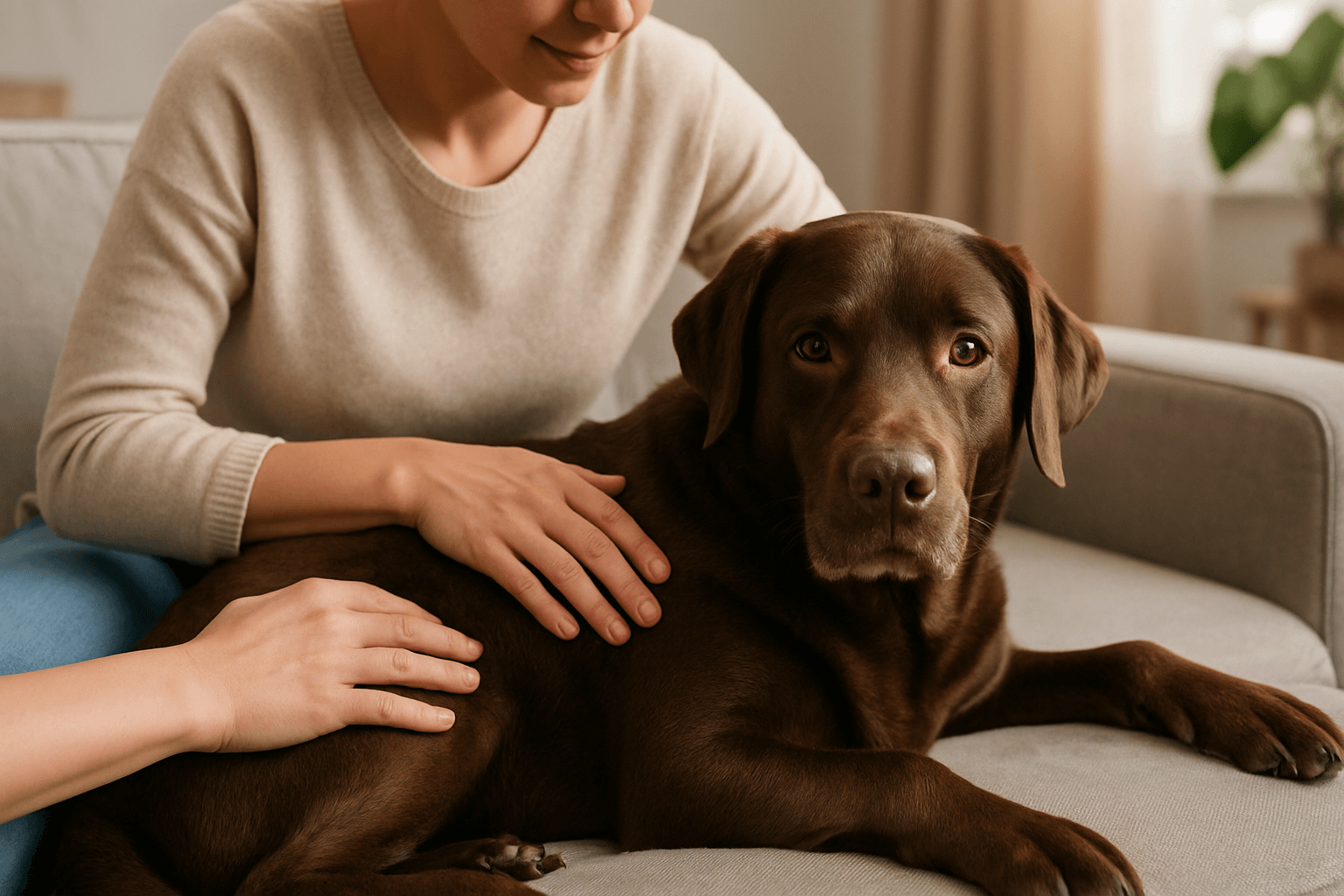
How to Massage Your Dog: A Gentle Touch for Health and Happiness
There’s nothing quite like the quiet joy of your dog melting under your hands during a soothing massage. More than just a bonding ritual, dog massage is a powerful tool that supports physical wellness, eases stress, and deepens the connection between you and your furry companion. Whether your pup is young and sprightly or entering their golden years, regular massage can enhance mobility, relieve tension, and promote emotional calm. With patience and the right techniques, you can become your dog’s favorite therapist—no license required.
Why Dog Massage Matters: Benefits Beyond Relaxation
Dog massage isn’t just a luxury—it’s a holistic wellness practice with tangible benefits for both body and mind. From easing sore muscles to calming anxious energy, therapeutic touch can make a real difference in your dog’s daily life. When done correctly and consistently, massage supports circulation, joint health, and even recovery from injury. Most importantly, it communicates safety and love through your hands.
- Improves Circulation and Lymph Flow
Gentle strokes stimulate blood flow, helping deliver oxygen and nutrients to muscles while flushing out metabolic waste. - Reduces Stress and Anxiety
Massage lowers cortisol levels and increases oxytocin, creating a natural sense of calm—especially helpful for noise-sensitive or rescue dogs. - Enhances Joint Mobility and Flexibility
Light stretching and kneading around joints can ease stiffness, particularly in older dogs or those with arthritis. - Strengthens the Human-Animal Bond
The focused attention and soothing rhythm of massage build trust and reinforce your role as a safe, nurturing presence. - Detects Hidden Health Issues Early
Regular hands-on contact helps you notice lumps, swelling, temperature changes, or areas of tenderness before they become serious.
Massage transforms routine petting into purposeful care, giving you a proactive way to support your dog’s long-term well-being.
Understanding Your Dog’s Body Language During Massage
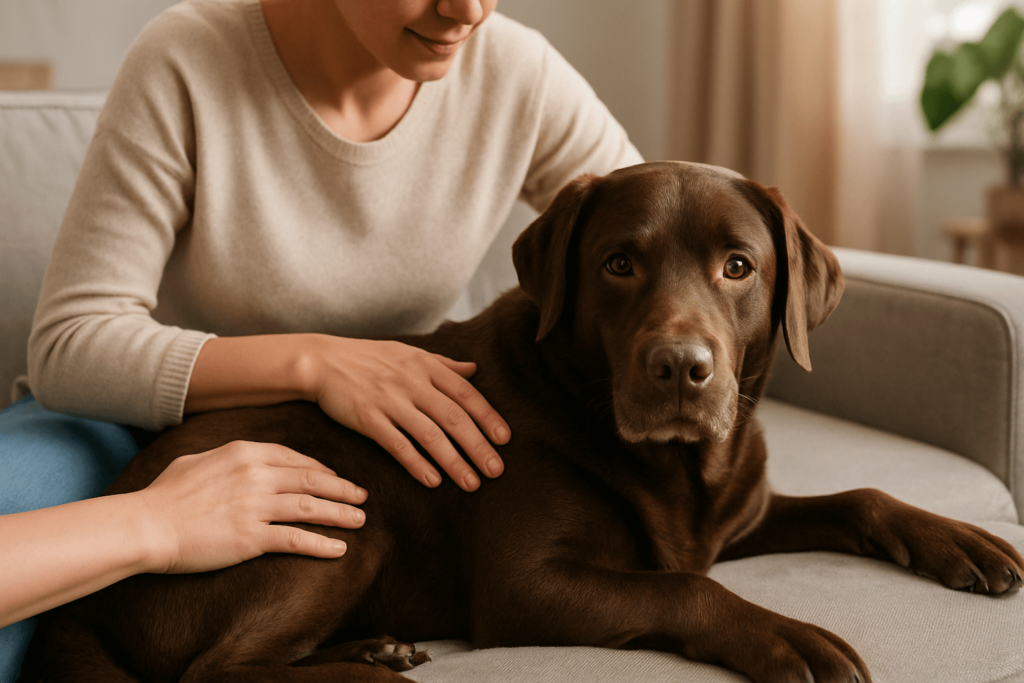
Before you begin, it’s essential to “read” your dog’s signals. Not every pup will relax immediately, and some may need time to associate touch with comfort rather than handling. Watch for relaxed ears, slow blinking, deep sighs, or leaning into your hands—these are green lights. Conversely, stiffening, lip licking, turning the head away, or low growling are clear cues to pause or stop.
- Signs Your Dog Is Enjoying the Massage
Look for loose muscles, wagging tail (not frantic), half-closed eyes, or a contented “thump” of the tail on the floor. - Warning Signals to Respect Immediately
If your dog tucks their tail, pants excessively, tries to move away, or shows whale eye (visible white around the iris), end the session gently. - Start with Non-Threatening Areas
Begin on the chest, shoulders, or base of the neck—areas most dogs find less vulnerable than paws, belly, or tail. - Keep Sessions Short at First
Begin with 2–3 minutes and gradually increase as your dog becomes more comfortable with the routine. - Use Calm, Predictable Movements
Avoid sudden pressure or erratic motions; slow, rhythmic strokes feel safer and more therapeutic.
Respecting your dog’s boundaries builds trust and ensures massage remains a positive experience they’ll look forward to.
Check this guide 👉Dog Pain Relief: Best 7 Expert Tips!
Check this guide 👉Can Dogs Have Tylenol for Pain? Best 7 Expert Tips!
Check this guide 👉Dog Lower Back Pain Symptoms: Best 7 Expert Tips!
| Massage Benefits | Practical Tips |
|---|---|
| Reduces muscle tension | Use warm hands and slow strokes |
| Improves circulation | Massage toward the heart |
| Calms anxious behavior | Pair with quiet voice and dim lights |
| Supports joint health | Gentle range-of-motion only |
| Strengthens trust | Never force contact—let dog lead |
Essential Tools and Environment for a Successful Dog Massage
You don’t need fancy equipment—just a quiet space, clean hands, and a relaxed mindset. However, a few thoughtful preparations can elevate the experience for both of you. Choose a non-slip surface like a yoga mat or rug, and ensure the room is warm and free from distractions like loud TVs or other pets.
- Quiet, Comfortable Space
Pick a familiar spot where your dog already feels safe—like their bed or a favorite corner of the living room. - Non-Slip Surface
A yoga mat, rubber-backed rug, or even a bath towel provides traction so your dog doesn’t slide during movement. - Clean, Warm Hands
Wash and dry your hands thoroughly, and warm them by rubbing them together before touching your dog’s skin. - Optional: Dog-Safe Massage Oil
If your dog has dry skin, a few drops of coconut or almond oil (unscented and food-grade) can reduce friction—but skip it if they lick excessively. - Soft Lighting and Calm Ambiance
Dim lights and gentle background sounds (like soft music or white noise) can deepen relaxation, especially for anxious dogs.
Creating a spa-like atmosphere signals to your dog that this time is special, safe, and solely for their comfort.
Step-by-Step Massage Techniques for Every Dog
Massage doesn’t have to be complex. Start with these foundational techniques, moving slowly and observing your dog’s reactions at each stage. Always use light to moderate pressure—never deep tissue unless guided by a veterinary professional.
- Effleurage (Long, Gliding Strokes)
Use flat palms or fingertips to make slow, sweeping motions from head to tail along the spine and sides—this warms up muscles and calms the nervous system. - Petrissage (Gentle Kneading)
With your fingers and thumb, gently lift and roll the skin and muscle—ideal for shoulders, hips, and thighs where tension accumulates. - Circular Pressure on Acupressure Points
Apply light circular pressure with your thumb to key points like the base of the skull, shoulders, and hip joints to relieve stress and improve energy flow. - Passive Range-of-Motion Movements
Gently flex and extend limbs (only if your dog allows it) to maintain joint flexibility—great for senior dogs or post-injury rehab. - Tail and Paw Taps (Optional and Gradual)
Light fingertip taps or soft squeezes on the tail base and paws can stimulate circulation—but introduce these only after your dog fully trusts full-body touch.
These techniques form a complete routine that can be adapted to your dog’s size, age, and comfort level.
Areas to Focus On (and Avoid) During Massage
Not all body parts respond the same way to touch. While most dogs welcome shoulder and back rubs, other zones require extra caution or gradual desensitization. Always let your dog guide the pace—never force contact.
- Safe Zones for Most Dogs
Upper back, base of the neck, chest, and outer thighs are typically well-tolerated and rich in muscle tissue that benefits from massage. - Sensitive Areas to Approach Gently
Belly, paws, ears, tail, and muzzle should only be touched if your dog clearly invites it—many dogs guard these vulnerable spots. - Never Massage Over Injuries or Swelling
Avoid direct pressure on wounds, hot spots, surgical sites, or visibly swollen joints without veterinary approval. - Watch for Spine Sensitivity
Use flat-handed glides over the spine—never dig in with fingers or apply deep pressure along the vertebrae. - Respect Personal Space Around the Head
Some dogs dislike head pats; instead, massage the cheeks or under the jaw with feather-light strokes if they allow it.
Prioritizing comfort over coverage ensures your dog associates massage with safety, not stress.
Tailoring Massage to Your Dog’s Age and Lifestyle
A playful puppy, an active adult, and a senior dog all have different needs. Adjust your approach based on their energy level, health status, and daily routine. A working dog may need deeper muscle relief, while an older dog benefits from gentle circulation boosts.
- For Puppies (Under 1 Year)
Keep sessions under 5 minutes, focus on socialization through touch, and avoid joints that are still developing. - For Active Adult Dogs
Incorporate deeper kneading after exercise to prevent soreness, and pay attention to high-use areas like shoulders and hindquarters. - For Senior Dogs (7+ Years)
Use lighter pressure, emphasize warmth and joint mobility, and integrate calming strokes to ease age-related anxiety. - For Dogs with Arthritis or Mobility Issues
Stick to effleurage and passive stretching—never push through pain or resistance. - For Anxious or Rescue Dogs
Begin with just one body part per session, let them initiate contact, and pair massage with quiet verbal reassurance.
Customizing your technique shows your dog you truly understand and honor their individual needs.
Common Mistakes to Avoid When Massaging Your Dog
Even with the best intentions, well-meaning owners can unintentionally cause discomfort. Awareness of these pitfalls helps keep every session positive and therapeutic.
- Using Too Much Pressure
Dogs have less body fat than humans—what feels “medium” to you may be painful for them. - Ignoring Discomfort Cues
Pushing through growls or avoidance teaches your dog that their signals don’t matter, eroding trust. - Massaging Right After Eating or Exercise
Wait at least 1–2 hours after meals or intense activity to avoid nausea or strain. - Rushing Through the Routine
Slow, mindful touch is more effective than fast, mechanical motions—even 5 focused minutes beat 15 distracted ones. - Skipping Consistency
Occasional massage is nice, but regular weekly sessions yield cumulative benefits for mobility and emotional balance.
Mindful, respectful massage builds a language of touch your dog will come to rely on.
“A canine massage can involve rubbing, pressing, kneading, warming, and tapping a dog’s soft tissues, often with a focus on their muscles, fascia, tendons, and ligaments.” – Jennifer Coates, DVM
Frequently Asked Questions About Dog Massage
Is it safe to massage my dog at home?
Yes—when done gently and with attention to your dog’s signals. Avoid deep pressure or massaging over injuries without vet guidance.
How often should I massage my dog?
2–3 times per week is ideal for maintenance. Daily light massage is fine for seniors or anxious dogs, as long as they enjoy it.
Can massage help with my dog’s arthritis?
Absolutely. Light massage improves circulation around stiff joints, reduces pain signals, and maintains mobility—but always consult your vet first.
What if my dog won’t stay still?
Start with 60 seconds on one body part. Use treats as positive reinforcement, and never restrain—patience builds cooperation over time.
Do I need special training to massage my dog?
No, but watching certified canine massage therapist videos can help. The most important skill is reading your dog’s body language.
The Gift of Touch: A Lifelong Bond Through Massage
When you learn how to massage your dog, you’re not just easing their aches—you’re speaking a silent language of care that transcends words. In a world full of distractions, those quiet moments of connection become sacred. Your hands become a source of comfort, healing, and unwavering presence. Whether your dog is bounding with youth or moving slowly with age, massage reminds them they are seen, safe, and deeply loved. And in return, you’ll notice the soft sighs, the trusting gaze, the way they lean in just a little closer—proof that sometimes, the gentlest touch leaves the biggest pawprint on the heart.

Is Rawhide Bad for Cats? Best 7 Expert Tips! – Discover the risks, safe alternatives, and expert advice to keep your feline friend healthy and happy.

Is Rawhide Bad for Dogs? Best 7 Expert Tips! – Discover the risks, benefits, and safer alternatives to rawhides for your dog’s chewing needs.

Understanding Anorexia in Cats: Best 7 Expert Tips! – Learn why cats stop eating, spot warning signs, and discover how to help your feline regain appetite safely.

Understanding Anorexia in Dogs: Best 7 Expert Tips! – Learn causes, symptoms, and solutions to help your dog regain appetite and stay healthy.