
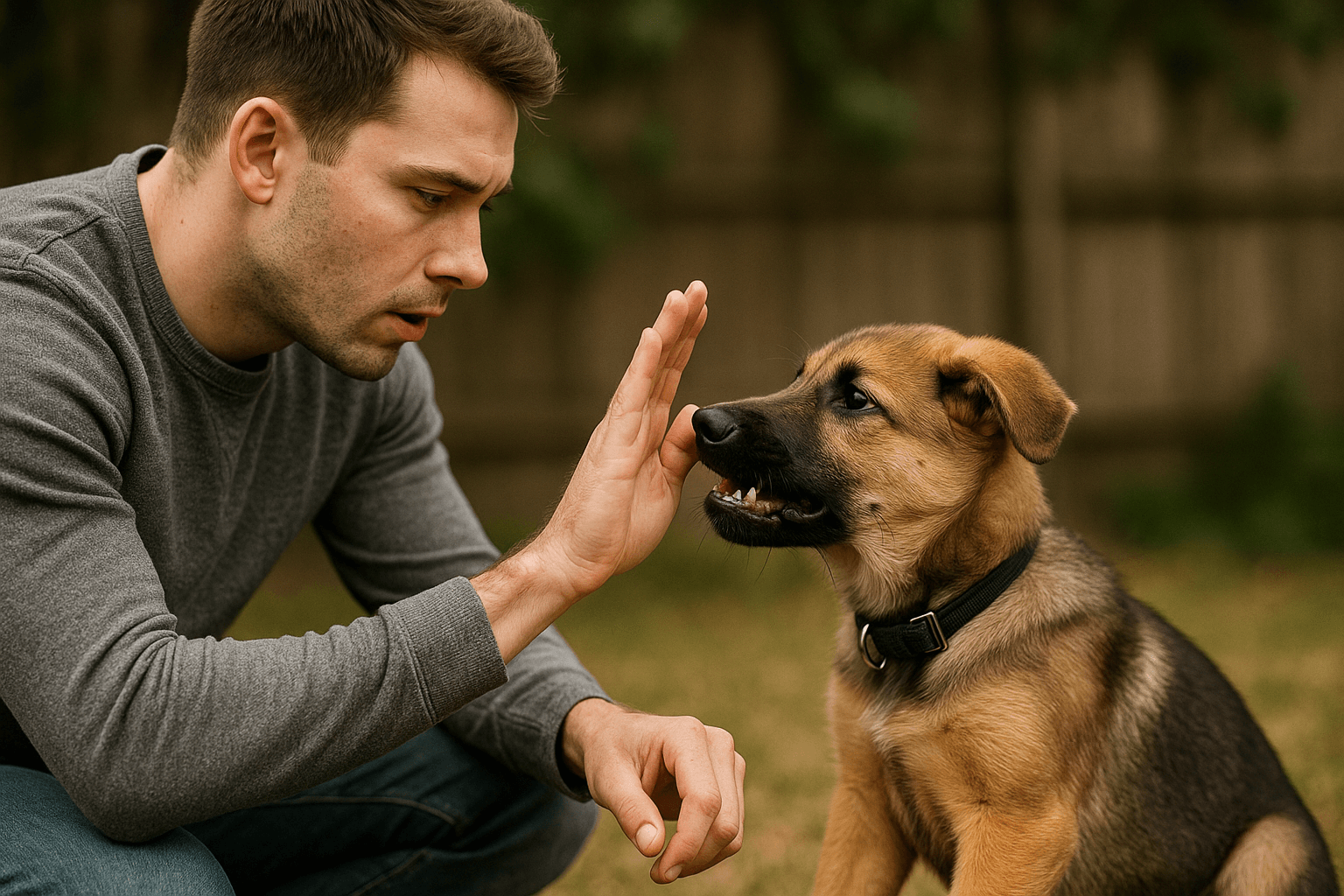
How to Teach a Dog Not to Bite
Biting is a natural behavior for dogs—but not one we want in our homes. Whether you’re raising a playful puppy or managing an adult dog with mouthing issues, teaching bite inhibition is essential for safety, trust, and harmony. With patience, consistency, and the right techniques, you can guide your dog toward gentle interactions. This guide offers proven, compassionate strategies to help your dog learn that teeth belong nowhere near human skin.
Why Dogs Bite: Understanding the Root Causes
Before correcting the behavior, it’s crucial to understand why dogs bite in the first place. Puppies explore the world with their mouths, while adult dogs may bite out of fear, frustration, or overstimulation. Recognizing the motivation behind the bite allows you to respond effectively and humanely.
- Teething and Exploration:
Puppies between 3–6 months chew and mouth everything—including hands—as they cut teeth and learn about their environment. - Play and Overexcitement:
During energetic play sessions, dogs may nip without realizing their strength, especially if they haven’t learned bite inhibition from littermates. - Fear or Anxiety:
A dog feeling threatened, cornered, or startled may bite defensively—even if the perceived danger is minor. - Resource Guarding:
Some dogs bite when protecting food, toys, or resting spaces, signaling discomfort through escalating warnings. - Lack of Socialization:
Dogs with limited exposure to people, animals, or new situations may react with biting due to uncertainty or stress.
Understanding these triggers is the first step toward reshaping behavior—because correction without context rarely leads to lasting change.
The Critical Role of Early Socialization
Proper socialization during the first 16 weeks of life dramatically reduces biting tendencies later on. Puppies learn bite inhibition most effectively through play with their mother and siblings, who provide immediate feedback when a nip is too hard.
- Littermate Lessons:
When a puppy bites too hard during play, siblings yelp and stop interacting—teaching natural consequences in real time. - Human-Guided Exposure:
Gentle handling by humans during puppyhood builds trust and desensitizes them to touch, reducing defensive biting. - Controlled Group Settings:
Puppy socialization classes offer safe, supervised interaction with peers and people under professional guidance. - Positive Introductions:
Exposing puppies to diverse sights, sounds, surfaces, and gentle strangers prevents fear-based aggression later. - Avoiding Overwhelm:
Socialization should be gradual—flooding a puppy with too much too soon can backfire and increase anxiety-driven biting.
A well-socialized puppy grows into a confident adult dog far less likely to resort to biting as a coping mechanism.
Check this guide 👉How to Teach Your Dog to Bow: Best 7 Tips!
Check this guide 👉How to Teach a Dog Place: Best 7 Expert Tips!
Check this guide 👉How to Teach Your Dog to Swim: Best 7 Expert Tips!
| Prevention Strategies | Correction Techniques |
|---|---|
| Provide appropriate chew toys from day one | Use a high-pitched “ouch!” to signal pain |
| Keep play sessions calm and structured | Immediately end play after a bite |
| Teach “leave it” and “gentle” cues early | Redirect to a toy within 2 seconds |
| Avoid rough physical play with hands | Never punish—avoid yelling or hitting |
| Manage overstimulation with quiet breaks | Reward calm, teeth-free interaction consistently |
Effective Training Techniques for Puppies
Teaching a puppy not to bite is most successful when you mimic natural feedback and reward self-control. Consistency across all family members is key—mixed signals confuse young dogs and slow progress.
- The Yelp-and-Withdraw Method:
When bitten, emit a sharp “Yip!” or “Ouch!” like a hurt puppy, then instantly stop all interaction for 10–20 seconds. - Toy Redirection:
Always keep a soft chew toy nearby; the moment teeth touch skin, say “Oops!” and offer the toy instead. - Bite Inhibition Scaling:
Gradually teach softer mouthing—first tolerate light pressure, then only feather-light touches, rewarding each improvement. - Timeout Protocol:
If biting persists, calmly place the puppy in a safe, quiet area (like an exercise pen) for 30–60 seconds to reset. - Positive Reinforcement for Gentle Play:
Lavish praise and treats when your puppy licks, sniffs, or plays without using teeth, reinforcing the right behavior.
With repetition, your puppy will learn that soft mouths earn attention—and hard bites end all the fun.
Managing Biting in Adult Dogs
Adult dogs who bite often do so due to deeper emotional or environmental triggers. Unlike puppies, they require a more nuanced approach focused on trust-building and addressing underlying causes.
- Rule Out Medical Issues:
Pain from arthritis, dental disease, or injury can cause sudden aggression—always consult a vet first. - Identify Bite Triggers:
Keep a journal noting when bites occur (e.g., during petting, near food, when startled) to uncover patterns. - Desensitization & Counterconditioning:
Pair scary or triggering situations with high-value treats to change emotional responses over time. - Respect Body Language:
Learn subtle warning signs (lip licking, whale eye, stiffening) and give space before escalation occurs. - Avoid Punitive Corrections:
Yelling, alpha rolls, or physical punishment increase fear and often worsen biting in adult dogs.
Rehabilitating an adult biter takes time—but with empathy and structure, many dogs learn to communicate without teeth.
Common Mistakes to Avoid
Well-meaning owners often unknowingly reinforce biting or create confusion. Steering clear of these pitfalls accelerates progress and protects your bond with your dog.
- Rough Play with Hands or Feet:
Wrestling or teasing with limbs teaches dogs that human body parts are chew toys. - Inconsistent Responses:
Sometimes laughing off a bite and other times scolding sends mixed messages about what’s acceptable. - Punishing After the Fact:
Dogs live in the moment—reprimanding minutes later means nothing to them and damages trust. - Ignoring Early Warning Signs:
Dismissing low-level growls or snaps as “just being grumpy” misses opportunities for early intervention. - Overhandling Puppies:
Excessive hugging, forced cuddling, or constant petting can overwhelm young dogs and trigger defensive nips.
Awareness of these errors transforms frustration into effective, compassionate training.
When to Seek Professional Help
Some biting cases require expert guidance—especially when safety is a concern. Knowing when to call a trainer can prevent escalation and protect everyone involved.
- Bites Break Skin Repeatedly:
If your dog causes puncture wounds or draws blood, seek help immediately from a certified behaviorist. - Growling or Snapping Without Warning:
Sudden aggression with no observable trigger may indicate fear, pain, or neurological issues needing evaluation. - Biting During Routine Handling:
Resistance to grooming, nail trims, or vet exams suggests handling sensitivity requiring professional desensitization. - Child-Dog Conflicts:
Never leave young children unsupervised with a dog who bites—even during play—as injuries can happen in seconds. - No Improvement After 2–3 Weeks:
If consistent training yields no change, a qualified trainer can assess technique and tailor a behavior plan.
Early intervention not only resolves biting—it often uncovers deeper needs your dog couldn’t express any other way.
Tools and Toys to Support Bite-Free Behavior
Equipping yourself with the right tools and toys can make a significant difference in redirecting biting behavior and reinforcing gentle habits. The key is to provide satisfying alternatives that meet your dog’s natural chewing, mouthing, and play needs—without reinforcing human contact as a target.
- Durable Chew Toys:
Offer firm rubber or nylon chews (like Kong or Nylabone) that massage gums and withstand enthusiastic puppy jaws. - Frozen Teething Aids:
For teething puppies, frozen washcloths or broth-filled chew toys offer soothing relief that discourages biting skin. - Interactive Puzzle Feeders:
These stimulate the mind and redirect focus from mouthing to problem-solving—ideal for overexcited or frustrated dogs. - Tug-of-War Ropes (Used Correctly):
Structured tug play with clear rules (“take it”/“drop it”) teaches impulse control and keeps teeth on fabric, not fingers. - Soft Plush Toys with Squeakers:
Ideal for gentle mouthing and comfort—especially helpful during quiet time or when your dog seeks reassurance without stimulation.
Choosing the right tools isn’t about overwhelming your dog with options—it’s about matching each toy to a specific need: teething, boredom, excitement, or anxiety. When biting is consistently redirected to appropriate items, your dog learns where teeth belong—and where they absolutely don’t.
“Teaching your puppy that biting means ‘game over’ is essential—when they nip, turn away and withdraw attention so they learn that teeth end play, not start it.” — Kathy Santo
Frequently Asked Questions About Dog Biting
Is it normal for puppies to bite a lot?
Yes—puppies use their mouths to explore and play. However, consistent training should begin by 8 weeks to teach bite inhibition before adult teeth emerge.
My dog only bites when I try to take something away. What should I do?
This is resource guarding. Never forcibly take items. Instead, trade for something higher-value and consult a trainer to address the underlying possessiveness safely.
Can an adult dog with a bite history be retrained?
Often, yes—with realistic management, professional support, and commitment. Complete “cures” aren’t always possible, but significant improvement usually is.
Why does my dog bite when excited?
Overarousal shuts down impulse control. Teach calm behaviors like “sit” or “go to mat” and avoid high-energy greetings until your dog learns self-regulation.
Are certain breeds more prone to biting?
Biting is rarely breed-specific—it’s shaped by individual temperament, upbringing, and experience. Any dog can bite under the wrong conditions.
Gentle Jaws, Stronger Bonds
Teaching a dog not to bite isn’t about suppression—it’s about communication. Every “no” should be paired with a “yes”: yes to toys, yes to calm touch, yes to trust. When we respond with clarity instead of anger, and patience instead of punishment, we don’t just stop bites—we build a language of mutual respect. Whether you’re guiding a teething pup or helping an anxious adult find peace, your consistency and compassion are the true tools of change. And in that shared understanding, you’ll find something even more rewarding than a bite-free hand: a friendship built on safety, joy, and unwavering connection.

Is Rawhide Bad for Cats? Best 7 Expert Tips! – Discover the risks, safe alternatives, and expert advice to keep your feline friend healthy and happy.

Is Rawhide Bad for Dogs? Best 7 Expert Tips! – Discover the risks, benefits, and safer alternatives to rawhides for your dog’s chewing needs.

Understanding Anorexia in Cats: Best 7 Expert Tips! – Learn why cats stop eating, spot warning signs, and discover how to help your feline regain appetite safely.

Understanding Anorexia in Dogs: Best 7 Expert Tips! – Learn causes, symptoms, and solutions to help your dog regain appetite and stay healthy.