
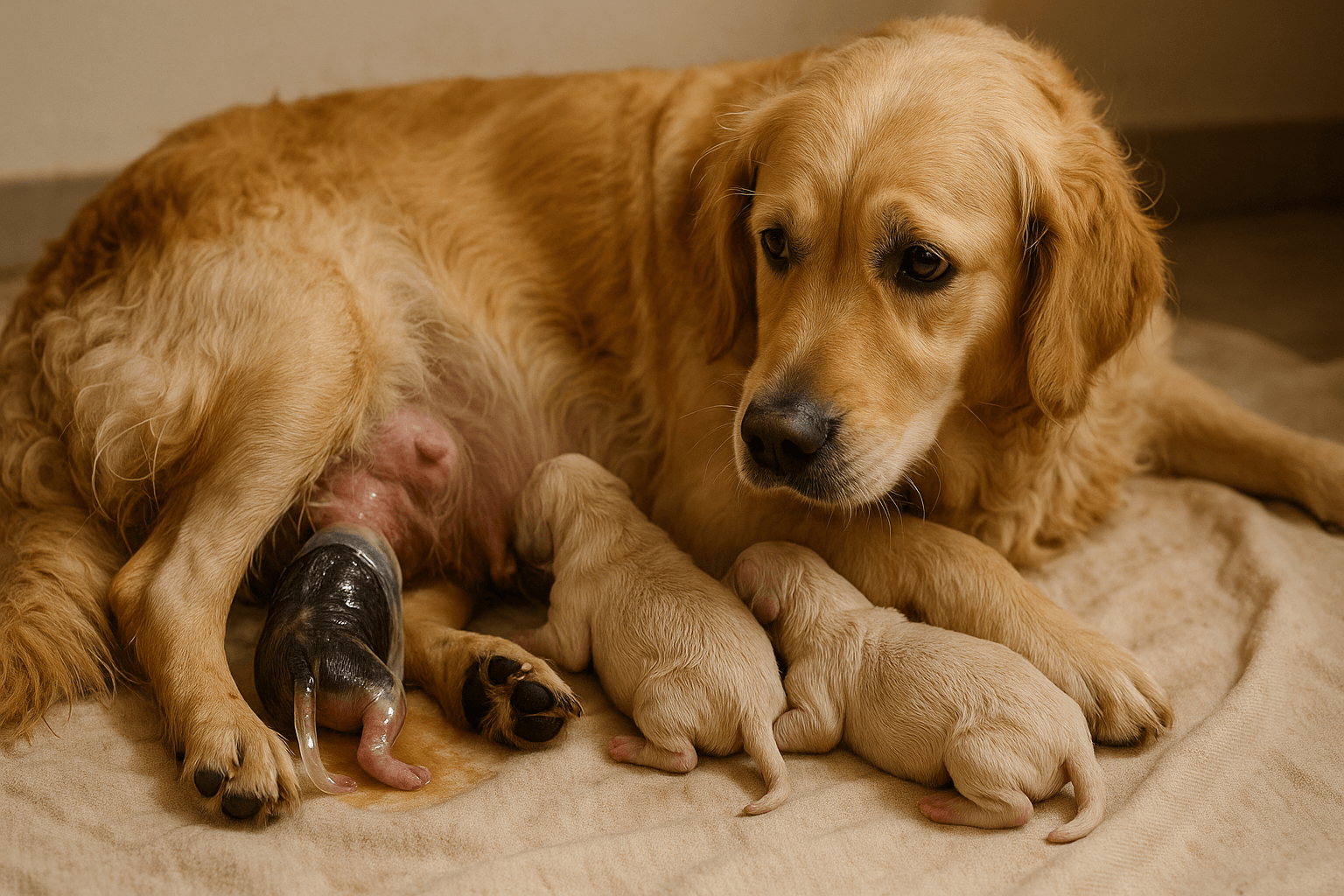
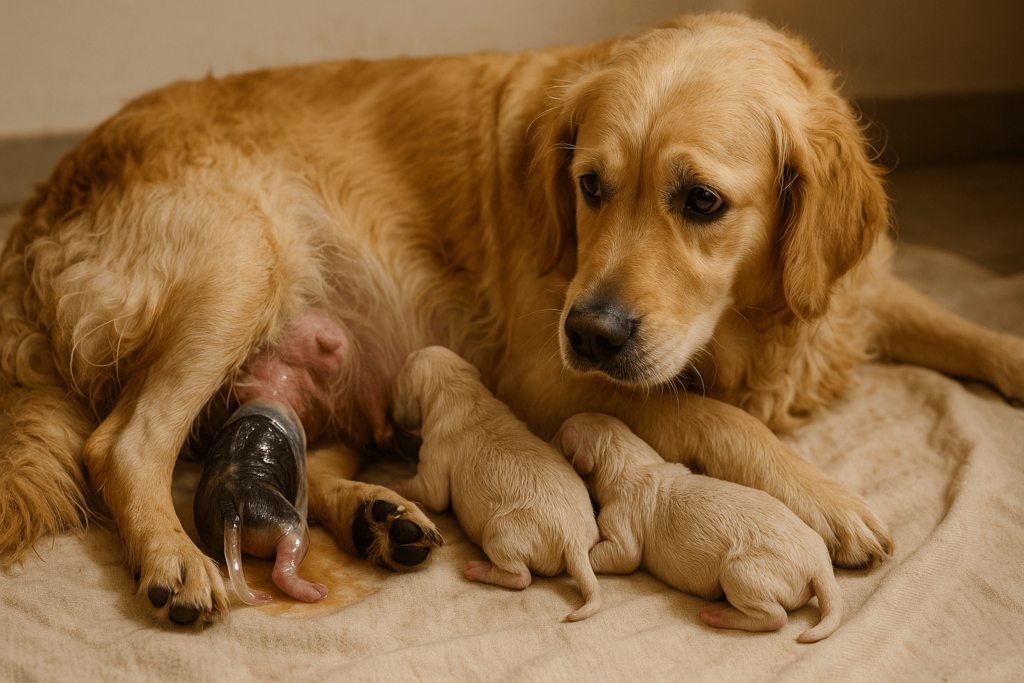

Witnessing Wonder: When Your Dog Gives Birth for the First Time
There’s nothing quite like watching your dog experience motherhood for the first time. From the quiet nesting instinct to the powerful contractions and the miracle of newborn pups, the journey is both awe-inspiring and emotionally intense. First-time canine moms often look unsure at first—but instinct quickly takes over. As an owner, your calm presence, preparation, and gentle support can make all the difference during this pivotal life event. Whether you’re feeling nervous or excited, knowing what to expect will help both you and your dog navigate this profound experience with confidence and care.
Understanding Canine Pregnancy: A Timeline to Birth
Before labor begins, it’s essential to understand the stages of your dog’s pregnancy so you can recognize when birth is approaching. A typical canine gestation lasts about 63 days, though it can range from 58 to 68 days depending on the breed and litter size. During these weeks, your dog’s body undergoes remarkable changes that prepare her for delivery.
- Weeks 1–3: Silent Beginnings
Your dog may show few visible signs, though some experience mild nausea or decreased appetite. - Weeks 4–6: Noticeable Growth
Her abdomen starts to swell, nipples darken and enlarge, and energy levels may dip slightly. - Weeks 7–8: Nesting Instincts Emerge
She may seek quiet spaces, rearrange blankets, or become more clingy as birth nears. - Week 9: Pre-Labor Signs Appear
Restlessness, panting, loss of appetite, and a drop in body temperature (below 100°F/37.8°C) often signal labor within 24 hours. - Final 24–48 Hours: Behavioral Shifts
Excessive licking of the vulva, pacing, or shivering are common as her body readies for delivery.
Knowing these phases helps you monitor her health and anticipate when to offer support—or call your vet.
Preparing the Whelping Area: Comfort, Safety, and Quiet
Creating a safe, stress-free environment is crucial for a smooth first-time birth. Dogs seek privacy and security when delivering, so your whelping box should mimic a den-like space that’s warm, clean, and easily accessible.
- Choose a Low-Traffic Location
Set up the whelping area in a quiet room away from other pets, loud noises, and frequent foot traffic. - Use a Proper Whelping Box
Opt for a box with low sides (so mom can enter easily) but high enough to contain newborns—non-slip flooring is essential. - Line with Absorbent, Washable Materials
Use vet-grade whelping pads or clean towels; avoid loose blankets that can tangle newborns. - Maintain Steady Warmth
Newborn puppies can’t regulate body temperature—keep ambient temps at 85°F (29°C) for the first week. - Keep Supplies Within Arm’s Reach
Have clean towels, scissors (blunt-tipped), iodine, a heating pad (on low, under half the box), and the vet’s number ready.
A thoughtfully prepared space minimizes stress and gives both mother and pups the best start possible.
Check this guide 👉Understanding Dog Pregnancy Week by Week: Best 7 Tips!
Check this guide 👉Dog Pregnancy Insurance: Best 7 Expert Tips!
Check this guide 👉Pregnant Dog Pooping a Lot: Best 7 Expert Tips!
| What to Expect During Labor | When to Call the Vet |
|---|---|
| Restlessness and nesting behavior | Green discharge without a puppy within 2 hours |
| Temperature drop below 100°F (37.8°C) | Strong contractions for over 30 minutes with no pup |
| Clear or slightly bloody fluid before delivery | More than 2 hours between puppies with no progress |
| Pup delivery every 30–60 minutes (on average) | Mother appears weak, lethargic, or unresponsive |
| Placenta expelled after each puppy | Puppy stuck in birth canal for more than 10 minutes |
Recognizing the Stages of Labor in First-Time Moms
Labor unfolds in three distinct stages, and first-time mothers may take longer than experienced ones. Understanding these phases helps you stay calm and intervene only when truly necessary.
- Stage 1: Cervical Dilation and Behavioral Shifts
Lasting 6–12 hours, your dog may pant, shiver, refuse food, and repeatedly rearrange bedding—this is normal prep work. - Stage 2: Active Pushing and Puppy Delivery
Each puppy is typically born in a thin sac; the mother should tear it open, clean the pup, and chew the umbilical cord. - Stage 3: Passing of Placentas
After each puppy (or every few), she’ll pass a placenta—count them to ensure none are retained. - Rest Periods Between Pups
It’s common for her to rest 15–60 minutes between deliveries; some moms even nurse earlier pups while waiting. - Total Duration Varies Widely
A full litter can take 1–12 hours; larger litters often take longer, especially in first-time moms.
Trust your dog’s instincts—but stay observant so you can step in if something seems off.
Immediate Care for Newborn Puppies and Their Mother
The first few hours after birth are critical for bonding, warmth, and survival. Your role is to support without overwhelming.
- Ensure Each Puppy Is Breathing
If mom doesn’t clean a pup within 1–2 minutes, gently rub it with a clean, dry towel to stimulate breathing. - Check for a Strong Cry and Movement
Healthy newborns should squirm and vocalize—weak or silent pups need immediate attention. - Allow Nursing Within the First Hour
Colostrum (first milk) provides vital antibodies; help guide pups to teats if mom is inexperienced. - Monitor Mom’s Behavior Closely
First-time moms may be confused—gently show her how to lie still so pups can nurse safely. - Weigh Puppies Daily
Use a kitchen scale to track weight gain; consistent increase confirms proper feeding and health.
These small actions dramatically improve survival rates and set the tone for a thriving litter.
Common Challenges in First-Time Dog Births
Even with perfect preparation, complications can arise. Knowing what’s abnormal helps you act fast and save lives.
- Dystocia (Difficult Labor)
Caused by large puppies, narrow birth canal, or uterine inertia—requires urgent veterinary care. - Retained Placenta
If a placenta isn’t passed, it can lead to infection; signs include foul discharge or fever within 24–48 hours. - Maternal Rejection
Rare but possible—some first-time moms ignore or avoid their pups, needing human intervention for feeding. - Eclampsia (Milk Fever)
A sudden drop in blood calcium post-birth causes tremors or seizures—requires emergency treatment. - Excessive Bleeding
More than a few tablespoons of bright red blood after delivery is abnormal and dangerous.
Early recognition of these issues can make the difference between a smooth recovery and a crisis.
Postpartum Care for the New Mother Dog
After delivery, your dog’s body is exhausted and vulnerable. Her recovery is just as important as puppy care.
- Offer Fresh Water Frequently
She’ll be thirsty but may not leave the pups—bring water to her often. - Provide High-Quality, Nutrient-Dense Food
Nursing doubles her caloric needs; feed puppy formula or vet-recommended lactation diet. - Monitor for Signs of Infection
Check her vulva for foul odor, green pus, or excessive swelling in the days following birth. - Allow Quiet Rest and Bonding Time
Minimize visitors and handling—stress can reduce milk production and maternal confidence. - Schedule a Vet Check Within 24–48 Hours
Even if all seems well, a postpartum exam ensures no internal complications were missed.
A well-supported mother is more likely to nurse confidently and bond deeply with her litter.
Frequently Asked Questions About Dogs Giving Birth for the First Time
How do I know if my dog is in real labor?
Look for a temperature drop below 100°F, strong abdominal contractions, and the appearance of clear or bloody fluid. Restlessness alone isn’t enough—active pushing is key.
Should I stay with my dog during birth?
Yes—but quietly. Most dogs prefer your calm presence nearby without constant touching or hovering. Be ready to assist only if needed.
How many puppies can a first-time mom have?
It varies by breed: small dogs often have 1–4 pups, while larger breeds may have 6–10. Ultrasounds or X-rays late in pregnancy give accurate counts.
Can I touch the newborn puppies?
Briefly, if necessary—but always wash hands first. Excessive handling can stress the mother or interfere with bonding.
When should puppies start eating solid food?
Around 3–4 weeks, they’ll begin showing interest. Full weaning happens by 7–8 weeks, but mom usually leads the process naturally.
The Quiet Miracle of New Life and Motherhood
Watching your dog give birth for the first time is more than a biological event—it’s a window into the raw, tender strength of maternal instinct. From the first whimper of a newborn to the gentle lick of a weary but proud mother, every moment is filled with quiet significance. Your role isn’t to control the process, but to witness it with respect, step in with care when needed, and honor the courage it takes for a dog to bring new life into the world. With patience, preparation, and a heart open to wonder, you’ll not only support a successful birth—but also deepen the bond with your dog in ways you never imagined.
Is Rawhide Bad for Cats? Best 7 Expert Tips! – Discover the risks, safe alternatives, and expert advice to keep your feline friend healthy and happy.

Is Rawhide Bad for Dogs? Best 7 Expert Tips! – Discover the risks, benefits, and safer alternatives to rawhides for your dog’s chewing needs.

Understanding Anorexia in Cats: Best 7 Expert Tips! – Learn why cats stop eating, spot warning signs, and discover how to help your feline regain appetite safely.

Understanding Anorexia in Dogs: Best 7 Expert Tips! – Learn causes, symptoms, and solutions to help your dog regain appetite and stay healthy.