

Lupus in Dogs: Navigating a Complex Autoimmune Challenge
Lupus in dogs is a rare but serious autoimmune condition where the body mistakenly attacks its own tissues. Often misunderstood and easily confused with other diseases, lupus requires vigilant care and informed management. While it can affect skin, joints, organs, or a combination of systems, early recognition and veterinary support significantly improve outcomes. For devoted dog owners, understanding this condition is the first step toward protecting their companion’s quality of life. With compassion and the right knowledge, many dogs with lupus can still enjoy fulfilling, joyful years.
Understanding Lupus in Dogs: Types and Core Differences
Lupus in canines manifests in two primary forms—each with distinct symptoms, diagnostic paths, and treatment approaches. Recognizing the difference is crucial for timely intervention.
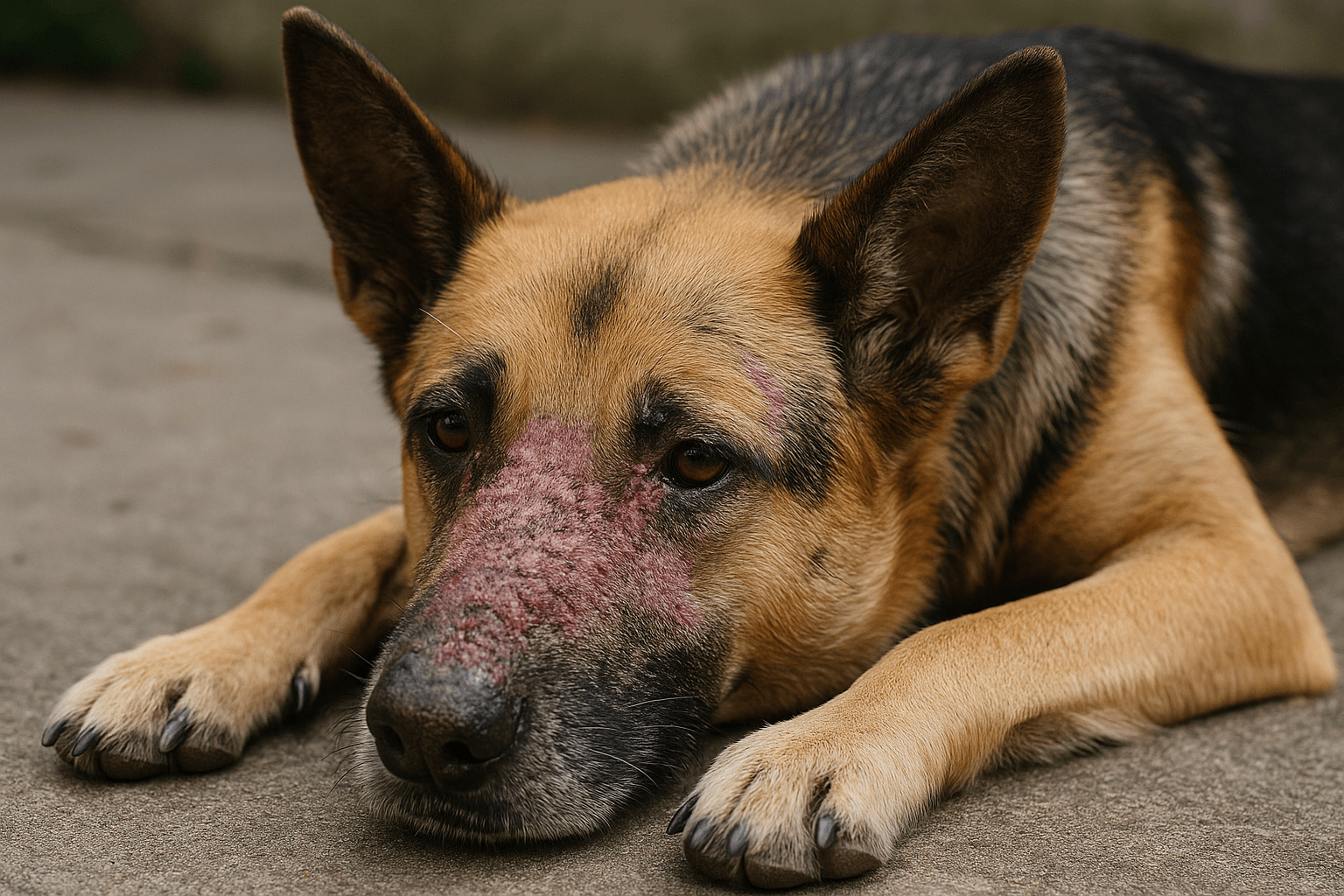
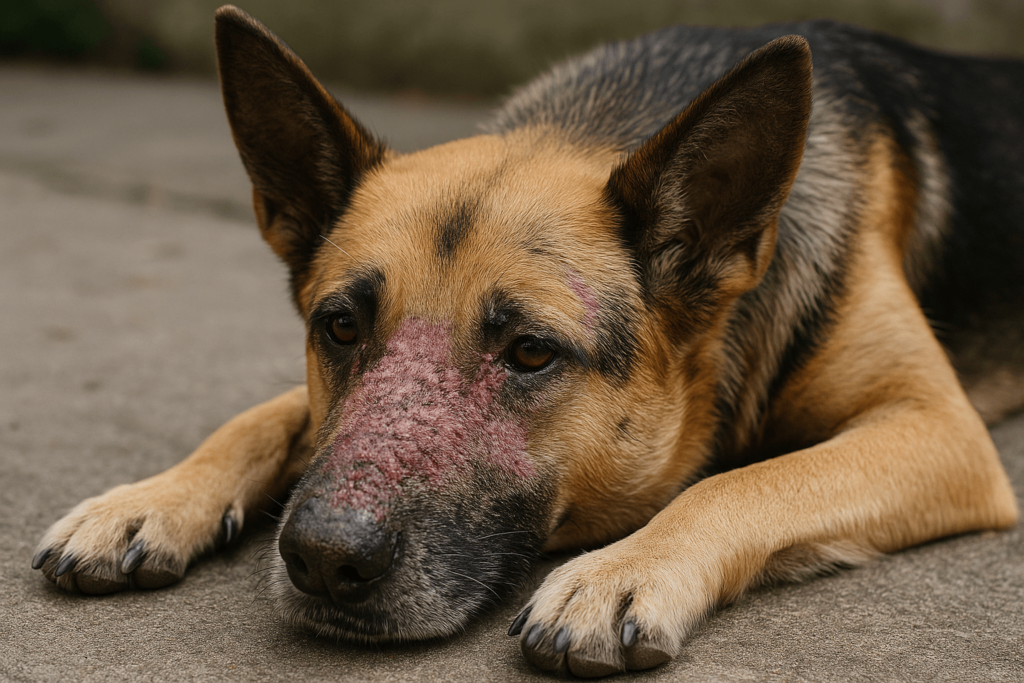
- Discoid Lupus Erythematosus (DLE):
This form primarily affects the skin, especially the nose, lips, and face, causing crusting, depigmentation, and ulceration. - Systemic Lupus Erythematosus (SLE):
A far more severe and widespread condition, SLE can impact multiple organ systems—including joints, kidneys, blood cells, and the nervous system. - Autoimmune Origin:
Both types stem from an overactive immune system, though triggers like genetics, UV exposure, or viral infections may play a role. - Breed Predispositions:
Breeds like Collies, Shetland Sheepdogs, German Shepherds, and Poodles show higher susceptibility, suggesting a genetic link. - Chronic, Not Contagious:
Lupus is a lifelong condition that cannot be transmitted to humans or other pets, but it requires ongoing monitoring and care.
Though less common than many skin or joint disorders, lupus demands serious attention—because its effects can escalate quickly without proper management.
Common Symptoms of Lupus in Dogs
Early signs of lupus can be subtle and easily mistaken for allergies, arthritis, or minor infections. However, persistent or worsening symptoms should prompt a veterinary visit.
- Skin Lesions and Crusting:
Especially around the nose, lips, ears, or footpads—often worsened by sun exposure in DLE cases. - Joint Pain and Lameness:
Swollen, stiff, or painful joints may shift from one limb to another, a hallmark of SLE. - Fever Without Infection:
Recurrent fevers that don’t respond to antibiotics can signal systemic immune activity. - Lethargy and Loss of Appetite:
General malaise is common as the immune system consumes energy fighting the body itself. - Kidney or Blood Abnormalities:
In advanced SLE, protein in urine, anemia, or low platelet counts may appear during routine bloodwork.
Because symptoms overlap with many other conditions, diagnosis often requires a combination of clinical signs, lab tests, and sometimes biopsies.
Check this guide 👉Joint Pain in Dogs: Best 7 Expert Tips!
Check this guide 👉What Happens If a Dog Loses a Nail? Best 7 Expert Tips!
Check this guide 👉Dog Pain Relief: Best 7 Expert Tips!
| Key Warning Signs | Daily Management Priorities |
|---|---|
| Persistent facial sores unresponsive to topical treatments | Limit sun exposure—use pet-safe sunscreen or UV-protective clothing |
| Shifting leg lameness with no injury | Maintain consistent, gentle exercise to support joint mobility |
| Unexplained fever or fatigue | Monitor temperature and behavior daily; keep a symptom journal |
| Changes in urination or thirst | Schedule regular kidney function tests and urine analyses |
| Pale gums or bruising | Avoid medications that affect clotting; consult vet before giving supplements |
Diagnosing Lupus: What to Expect at the Vet
Diagnosing lupus isn’t straightforward—it often involves ruling out other conditions and interpreting a mosaic of test results.
- Physical Examination and History:
Your vet will assess skin lesions, joint mobility, and overall health, while reviewing your dog’s medical timeline. - ANA (Antinuclear Antibody) Test:
A positive ANA test supports an SLE diagnosis, though false positives can occur with other autoimmune diseases. - Skin Biopsy for DLE:
A small tissue sample from affected areas helps confirm discoid lupus and rule out fungal or bacterial causes. - Complete Blood Count and Chemistry Panel:
These reveal anemia, low platelets, kidney dysfunction, or elevated inflammatory markers. - Urinalysis for Kidney Involvement:
Proteinuria (protein in urine) is a red flag for lupus nephritis, a serious SLE complication.
Accurate diagnosis is the cornerstone of effective treatment—so patience and thorough testing are essential.
Treatment Approaches for Lupus in Dogs
While lupus can’t be cured, it can often be controlled with a tailored, multi-pronged strategy focused on suppressing immune overactivity.
- Immunosuppressive Medications:
Drugs like prednisone, azathioprine, or cyclosporine help calm the immune system’s attack on healthy tissue. - Topical Therapies for DLE:
Tacrolimus ointment, vitamin E, or niacinamide can soothe facial lesions and promote healing. - Sun Protection Measures:
Avoiding midday sun and using pet-safe zinc-free sunscreen on exposed skin reduces flare-ups in DLE. - Pain and Anti-Inflammatory Support:
NSAIDs may be used cautiously for joint pain—but never alongside steroids without veterinary oversight. - Regular Monitoring and Dose Adjustments:
Blood tests every few months help track organ function and medication side effects.
Treatment is highly individualized; what works for one dog may not suit another, so close vet collaboration is key.
Long-Term Prognosis and Quality of Life
The outlook for dogs with lupus varies widely based on type, severity, and how early treatment begins.
- DLE Often Has a Good Prognosis:
With sun avoidance and topical care, many dogs manage symptoms well and live normal lifespans. - SLE Can Be Life-Threatening:
Organ involvement—especially kidney or blood disorders—requires aggressive treatment and carries higher risks. - Flare-Ups Are Common:
Stress, infections, or seasonal changes can trigger symptom recurrence, even during remission. - Medication Side Effects Require Vigilance:
Long-term steroid use may cause increased thirst, panting, weight gain, or susceptibility to infections. - Emotional Support Matters:
Dogs with chronic illness benefit from routine, gentle interaction, and a calm home environment.
With consistent care, many lupus dogs enjoy strong bonds and meaningful years alongside their families.
Diet and Lifestyle Support for Dogs with Lupus
While no “lupus diet” exists, strategic nutrition and daily habits can reduce inflammation and support immune balance.
- Anti-Inflammatory Ingredients:
Omega-3 fatty acids (from fish oil), turmeric, and antioxidants may help modulate immune responses. - High-Quality, Hypoallergenic Protein:
Some dogs with autoimmune conditions do better on novel or limited-ingredient diets. - Hydration Is Critical:
Especially for dogs on steroids or with kidney involvement—always ensure fresh water is available. - Stress Reduction Techniques:
Calming routines, quiet spaces, and anxiety-reducing tools (like pheromone diffusers) lower flare-up risk. - Avoid Immune-Stimulating Supplements:
Echinacea, certain mushrooms, or high-dose vitamins can worsen autoimmune activity—always consult your vet first.
Lifestyle adjustments won’t replace medication, but they create a supportive foundation for healing.
Potential Complications and Emergency Signs
Lupus can escalate quickly, especially SLE. Knowing when to seek urgent care could save your dog’s life.
- Acute Kidney Failure:
Sudden vomiting, lethargy, or inability to urinate requires immediate veterinary attention. - Severe Anemia or Bleeding:
Pale gums, weakness, or unexplained bruising may indicate immune-mediated destruction of blood cells. - Neurological Symptoms:
Seizures, disorientation, or loss of coordination suggest possible nervous system involvement. - High Fever Unresponsive to Treatment:
Persistent high temperature can signal a dangerous systemic flare. - Collapse or Respiratory Distress:
These are red flags for multi-organ crisis and demand emergency intervention.
Never delay care if your dog shows sudden or severe changes—lupus complications can progress within hours.
“Systemic lupus erythematosus (SLE) is an immune-mediated disease in which a dog’s immune system begins to attack her own tissues.” – Becky Lundgren, DVM
Frequently Asked Questions About Lupus in Dogs
Is lupus in dogs curable?
No, lupus is a chronic, lifelong condition. However, many dogs achieve remission or stable symptom control with proper treatment.
Can diet alone treat lupus in dogs?
Diet supports overall health but cannot replace immunosuppressive therapy for active lupus. Always follow your vet’s medical plan.
Is lupus contagious to other pets or humans?
No—lupus is an autoimmune disorder, not an infection. It cannot spread to people, cats, or other dogs.
How often should my dog be tested if diagnosed with SLE?
Most vets recommend blood and urine tests every 3–6 months, or more frequently during treatment adjustments or flare-ups.
Can I prevent lupus in my dog?
There’s no guaranteed prevention, but minimizing UV exposure (for DLE-prone breeds) and avoiding unnecessary immune stimulants may reduce risk.
Living Well with Lupus: Hope, Care, and Canine Resilience
A lupus diagnosis can feel overwhelming—but it’s not the end of joy, adventure, or deep companionship. With today’s veterinary tools, many dogs manage this condition with grace and comfort. The key lies in early detection, disciplined care, and an unwavering commitment to your dog’s well-being. By staying informed, partnering closely with your vet, and tuning into your dog’s subtle cues, you become their greatest advocate. And in return, your resilient companion will continue to offer loyalty, warmth, and quiet courage—one paw at a time.
Is Rawhide Bad for Cats? Best 7 Expert Tips! – Discover the risks, safe alternatives, and expert advice to keep your feline friend healthy and happy.

Is Rawhide Bad for Dogs? Best 7 Expert Tips! – Discover the risks, benefits, and safer alternatives to rawhides for your dog’s chewing needs.

Understanding Anorexia in Cats: Best 7 Expert Tips! – Learn why cats stop eating, spot warning signs, and discover how to help your feline regain appetite safely.

Understanding Anorexia in Dogs: Best 7 Expert Tips! – Learn causes, symptoms, and solutions to help your dog regain appetite and stay healthy.