

How Do I Know If My Dog Is Happy? Best 7 Expert Tips!

How Do I Know If My Dog Is Happy? Best 7 Expert Tips!

How Do I Know If My Dog Is Happy?

Every wag, nuzzle, or sleepy sigh from your dog carries meaning—if you know how to read it. Happiness in dogs isn’t always loud or obvious; sometimes it’s nestled in the quiet moments of trust and comfort they share with you. Understanding your dog’s emotional language helps you strengthen your bond and ensure their well-being. This guide will walk you through the joyful signs—big and small—that reveal your dog’s contentment.

Body Language That Speaks Volumes

Dogs communicate primarily through posture, movement, and expression. A happy dog’s body tells a clear, relaxed story—one that’s free of tension and full of ease. Watch closely, and you’ll see joy woven into everyday gestures.

 
  • Relaxed Eyes and Soft Gaze
    A happy dog’s eyes appear calm, often slightly squinted, without wide staring or darting glances. Their pupils aren’t dilated from stress, and they’ll hold gentle eye contact with you.
     
  • Loose, Wagging Tail
    Tail wags that flow side to side at mid-height—never stiff or tucked—signal genuine happiness. The whole rear wiggles, not just the tail tip.
     
  • Open, Relaxed Mouth
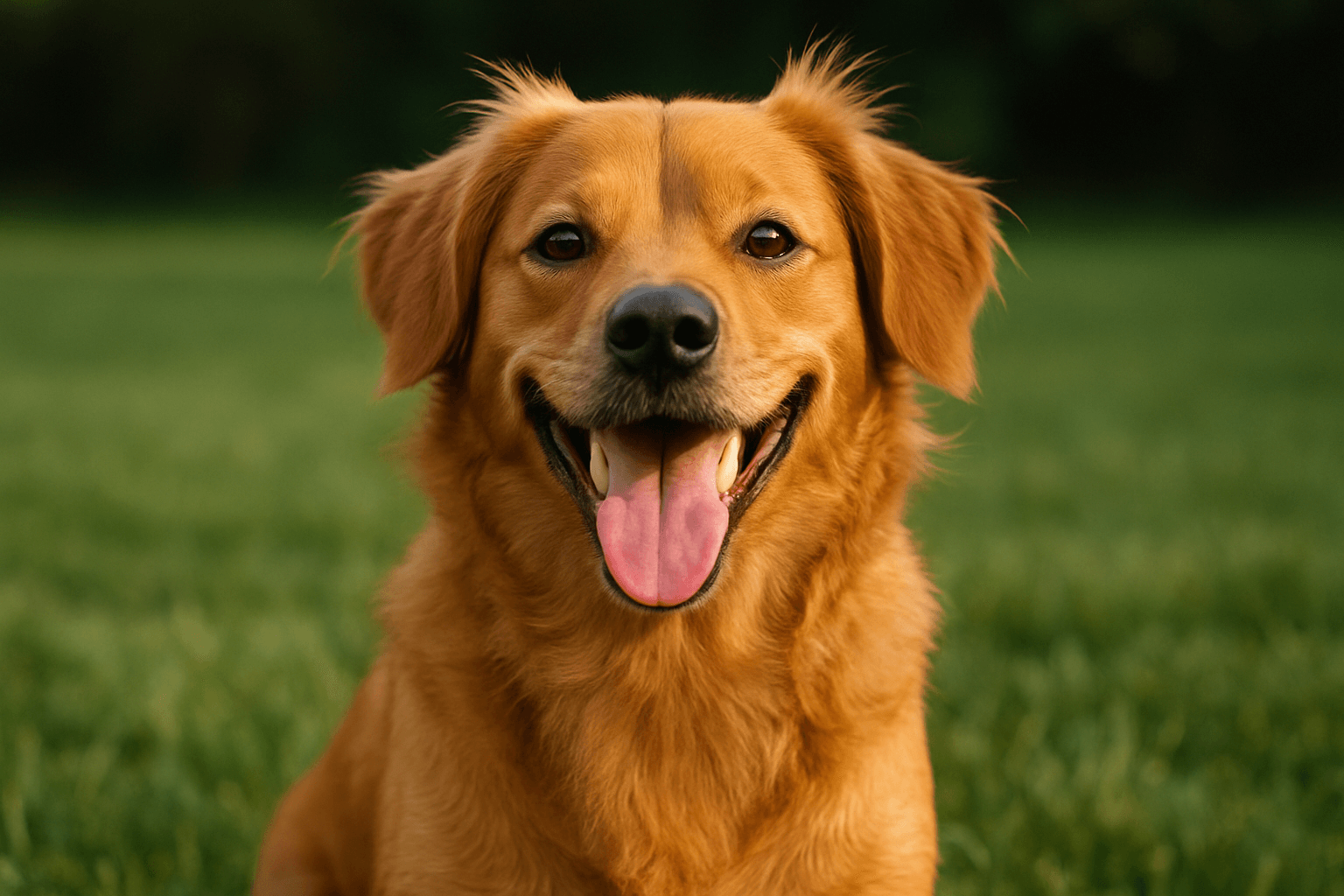
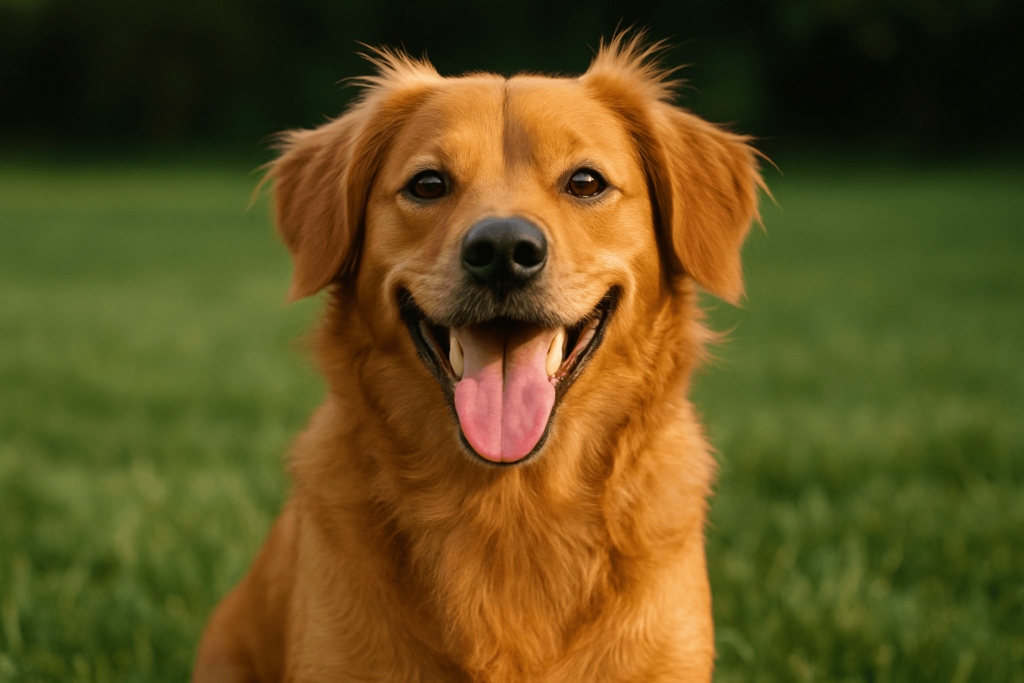
    Many joyful dogs wear what looks like a “smile”: a relaxed jaw, slightly open mouth, and lolling tongue. No panting from anxiety—just peaceful breathing.
     
  • Fluid, Bouncy Movements
    Happy dogs move with spring in their step. Think playful hops, spontaneous zoomies, or a confident, loose-limbed stroll beside you.
     
  • Ears in Neutral Position
    Ears held naturally—not pinned back or sharply forward—show your dog feels safe and at ease in their surroundings.
 

These subtle cues combine into a picture of physical and emotional comfort that no vocal cue can fully replace.

How Do I Know If My Dog Is Happy? Best 7 Expert Tips!

Daily Behaviors That Reveal Joy

Beyond posture, your dog’s routine actions offer rich insight into their mood. A happy dog engages with the world with curiosity, enthusiasm, and trust—especially when you’re nearby.

 
  • Voluntary Closeness Without Clinginess
    They choose to be near you, resting at your feet or leaning against your leg—but aren’t anxious if you move rooms briefly.
     
  • Playful Initiations
    Happy dogs invite play with bows, toy drops, or excited barks. They return to games repeatedly and respond well to your participation.
     
  • Healthy Appetite and Interest in Treats
    A content dog eats with normal eagerness and enjoys food puzzles or training treats as part of interaction, not just sustenance.
     
  • Restful, Uninterrupted Sleep
    They nap deeply in open, vulnerable positions (like on their back) and wake refreshed—not startled or disoriented.
     
  • Confident Exploration
    On walks or in new spaces, they sniff, investigate, and move with curiosity rather than fear or hesitation.
 

When these behaviors appear consistently, they reflect a dog thriving in their environment—not just surviving it.

Signs of Happiness Red Flags to Watch For
Relaxed tail wagging at mid-height Tail tucked tightly or held stiff and high
Voluntary closeness without clinginess Avoiding eye contact or hiding frequently
Playful behavior and toy engagement Loss of interest in favorite toys or activities
Soft eyes and relaxed mouth (“dog smile”) Lip licking, yawning, or whale eye (showing whites)
Restful sleep in open, vulnerable positions Restlessness, pacing, or sleeping in corners

Facial Expressions That Show Contentment

A dog’s face is remarkably expressive when you know what to look for. Happiness often appears in fleeting micro-expressions—blink speed, lip tension, or ear flicks—that reveal inner calm.

 
  • Slow Blinking or “Dog Kisses”
    When your dog looks at you and blinks slowly, it’s a sign of trust and affection—sometimes called a “dog kiss” in behavior circles.
     
  • Relaxed Brow and Forehead
    No furrowed brows or tense wrinkles above the eyes. The forehead appears smooth, not pulled tight in stress.
     
  • Gentle Lip Licking (Not Excessive)
    Occasional lip licks during calm interaction signal contentment—not the rapid, nervous licking seen in anxiety.
     
  • Symmetrical Facial Muscles
    Happy dogs show balanced expressions on both sides of their face. Asymmetry can indicate discomfort or confusion.
     
  • Natural Whisker Position
    Whiskers point forward or slightly relaxed—not pulled tightly back against the muzzle, which suggests fear.
 

These expressions may last seconds, but they’re powerful indicators of emotional safety and joy.

Vocal Cues of a Happy Dog

While barking often gets labeled negatively, happy dogs use sound in joyful, rhythmic ways. Their vocalizations are varied, moderate in volume, and tied to positive contexts.

 
  • Play Barks: Short and Bouncy
    High-pitched, repetitive barks during fetch or tug-of-war are invitations to keep the fun going.
     
  • Satisfied Sighs or Grumbles
    Deep exhales while lying down or settling into your lap signal deep relaxation and pleasure.
     
  • Chirps or “Singing” During Walks
    Some dogs emit soft, bird-like sounds when excited by sights or smells they enjoy—pure delight in audio form.
     
  • Responsive Vocal Mirroring
    They may “talk back” when you speak sweetly, using whines, huffs, or yips that match your tone.
     
  • Quiet Confidence in New Settings
    A happy dog isn’t silent out of fear—they’re calm because they feel secure, not because they’re shut down.
 

Voice alone isn’t enough—but paired with body language, it paints a fuller emotional portrait.

Social Interactions That Indicate Well-Being

How your dog engages with people, other animals, and even the environment reveals their emotional baseline. A truly happy dog is socially resilient and appropriately curious.

 
  • Friendly Greetings Without Overwhelm
    They approach new people with tail wags and sniffing—but don’t jump, lunge, or shut down completely.
     
  • Positive Play Signals with Other Dogs
    Play bows, loose chasing, and role-switching (chaser becomes chased) show healthy, joyful interaction.
     
  • Respectful Boundaries During Petting
    They lean in for pets but may turn their head or sit down when they’ve had enough—without snapping or fleeing.
     
  • Confidence Around Children (If Socialized)
    With proper exposure, happy dogs tolerate gentle handling and may even seek out calm kids for companionship.
     
  • Engagement in Family Routines
    They follow household rhythms—joining dinner prep, sitting during TV time, or waiting by the door when you leave—without distress.
 

Social ease doesn’t mean constant interaction—it means your dog feels safe enough to choose connection freely.

Environmental Comfort as a Happiness Indicator

A dog’s relationship with their space speaks volumes. Happy dogs feel secure in their home and adapt well to minor changes—because their foundation is strong.

 
  • Use of Safe Zones Voluntarily
    They enter crates or beds by choice, not just when confined, and relax fully in these personal spaces.
     
  • Comfort in Varied Weather (With Support)
    They enjoy walks in light rain or sun if protected—showing resilience without fear-driven refusal.
     
  • Adaptability to Household Changes
    New furniture, visitors, or schedules cause minor curiosity, not prolonged anxiety or regression.
     
  • Interest in Enrichment Toys
    They engage with puzzle feeders, snuffle mats, or chew toys independently—not just when you prompt them.
     
  • Calm During Brief Alone Time
    Left for short periods, they rest or self-soothe—without destructive chewing, howling, or accidents.
 

True happiness includes the ability to feel at peace—even when you’re not in the room.

Potential Misinterpretations of Happiness

Not every energetic or quiet dog is happy. Some signs are commonly mistaken for joy when they actually signal stress, pain, or learned helplessness. Awareness prevents false assumptions.

 
  • Overexcitement vs. True Joy
    Frantic jumping, inability to settle, or constant mouthing often stem from overstimulation—not contentment.
     
  • “Smiling” From Submissive Grinning
    A submissive grin (ears back, crouched posture) looks like a smile but indicates appeasement, not happiness.
     
  • Stillness as Shutdown, Not Calm
    A dog frozen in place with wide eyes may be overwhelmed—not peacefully resting.
     
  • Tail Wagging ≠ Always Happy
    A high, stiff, fast wag can signal arousal or aggression—context and body tension matter deeply.
     
  • Eating Despite Anxiety
    Some stressed dogs still eat but show other signs like lip licking, avoidance, or rapid consumption.
 

Recognizing these nuances ensures you respond to your dog’s real needs—not just surface behaviors.

Frequently Asked Questions About Dog Happiness

How can I tell if my dog is happy or just calm?

A happy dog shows active engagement—playfulness, soft eyes, and voluntary closeness. Calmness alone may just mean low energy or suppression.

Yes. A Greyhound’s joy may be a quiet lean, while a Terrier’s is a spinning zoomie—but both reflect contentment in their own way.

Absolutely. Older dogs or naturally reserved personalities express happiness through relaxed presence, not exuberance.

Behavior issues (like barking or chewing) can coexist with happiness. Address training separately—joy doesn’t negate the need for guidance.

Many dogs show mood boosts within days of added enrichment, routine, or reduced stress—even if deeper healing takes weeks.

Joy in the Everyday: A Final Thought

Happiness in dogs isn’t about constant excitement—it’s about deep, quiet trust. It’s the sigh as they curl up at your feet, the wag when you walk in the door, the way they watch you with soft eyes while you sip your coffee. You don’t need grand gestures to make your dog happy; you need consistency, safety, and love expressed in ways they understand. By learning their language, you don’t just answer “how do I know if my dog is happy”—you become the reason they are. And that’s a bond no words can fully capture, but every wag confirms.

Is Rawhide Bad for Cats? Best 7 Expert Tips!

Is Rawhide Bad for Cats? Best 7 Expert Tips! – Discover the risks, safe alternatives, and expert advice to keep your feline friend healthy and happy.

Is Rawhide Bad for Dogs? Best 7 Expert Tips!

Is Rawhide Bad for Dogs? Best 7 Expert Tips! – Discover the risks, benefits, and safer alternatives to rawhides for your dog’s chewing needs.

Understanding Anorexia in Cats: Best 7 Expert Tips!

Understanding Anorexia in Cats: Best 7 Expert Tips! – Learn why cats stop eating, spot warning signs, and discover how to help your feline regain appetite safely.

Understanding Anorexia in Dogs: Best 7 Expert Tips!

Understanding Anorexia in Dogs: Best 7 Expert Tips! – Learn causes, symptoms, and solutions to help your dog regain appetite and stay healthy.

Leave a Reply

Your email address will not be published. Required fields are marked *