
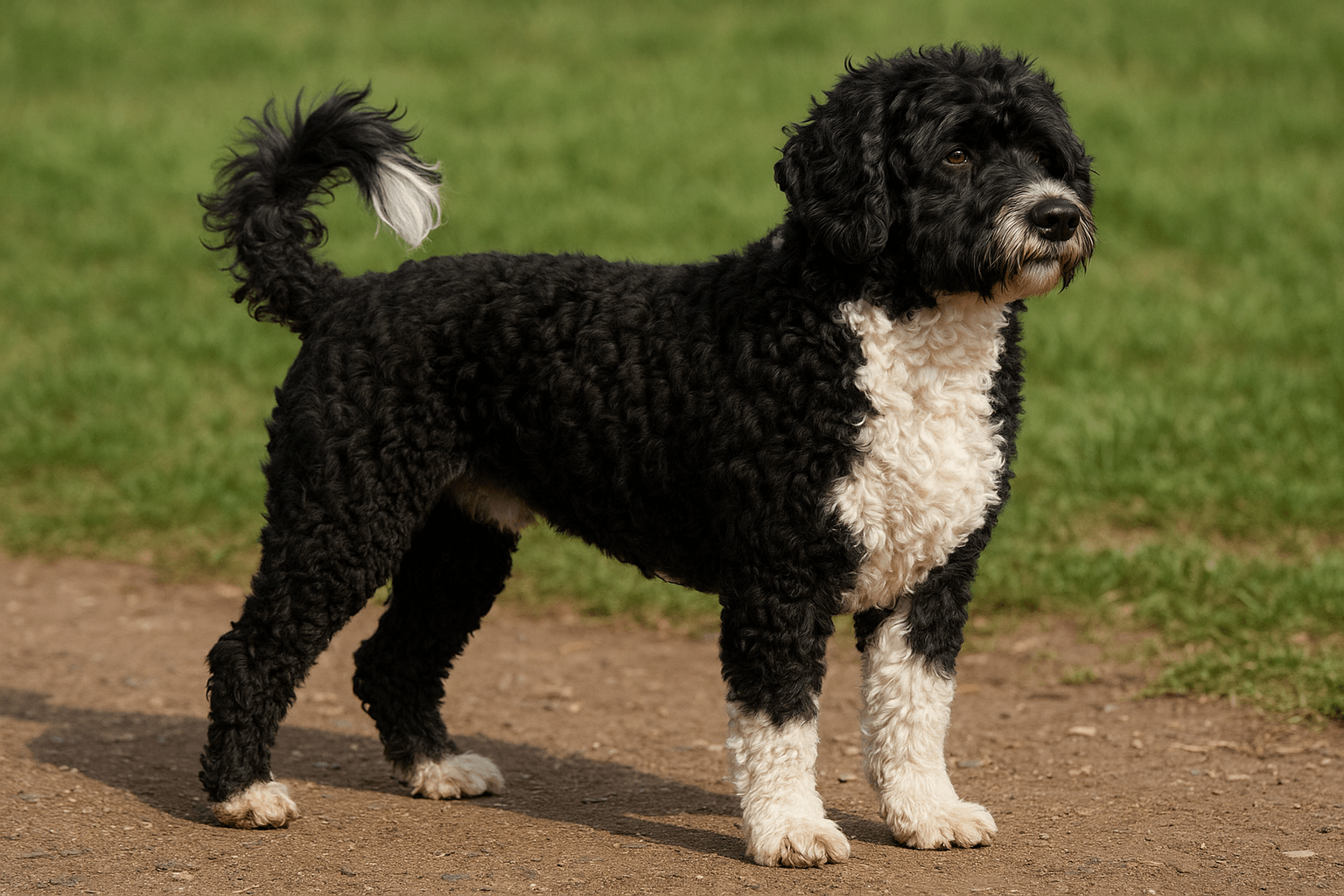

The Portuguese Water Dog Weight: Balance, Health, and Athletic Grace
Meet the Portuguese Water Dog—a robust, intelligent, and deeply loyal water-working companion whose athletic build reflects centuries of ocean-faring history. Unlike many toy breeds, this medium-sized dog carries muscle, stamina, and a water-resistant coat designed for real work. Understanding Portuguese Water Dog weight isn’t just about numbers on a scale; it’s about appreciating the ideal harmony between strength, agility, and vitality that defines the breed. When properly maintained, their weight supports everything from joyful swims to calm companionship at home.
Origins and Working Heritage
Long before becoming a favorite among allergy-conscious families and even U.S. presidents, the Portuguese Water Dog earned its keep along Portugal’s rugged coastline. Bred to assist fishermen, this breed’s physicality—including its ideal weight—was shaped by demanding maritime tasks.
- Fisherman’s Right Paw
Portuguese Water Dogs retrieved lost gear, herded fish into nets, and even carried messages between boats—all requiring endurance and a sturdy frame. - Built for Water and Work
Their weight was never excessive; instead, it reflected lean muscle mass essential for swimming long distances in cold Atlantic waters. - Near Extinction and Revival
By the 1930s, mechanized fishing nearly erased the breed, but preservation efforts in Portugal and later the U.S. revived its working lineage—and healthy weight standards. - Recognition and Modern Role
The AKC recognized the breed in 1984, emphasizing balanced proportions and functional weight over exaggerated size. - Celebrity and Service Influence
Their intelligence and hypoallergenic coat boosted popularity, but responsible breeding still prioritizes the traditional weight range for health and mobility.
Today’s Portuguese Water Dog carries that legacy in every powerful stroke and steady gait—proof that ideal weight equals purposeful design.
Understanding the Ideal Portuguese Water Dog Weight
While individual variation exists, the breed standard provides clear guidelines to ensure long-term health and performance. Maintaining proper Portuguese Water Dog weight supports joint integrity, heart function, and overall quality of life.
- Male Weight Range
Adult males typically weigh between 42 and 60 pounds, with a height of 20 to 23 inches at the shoulder—muscular but never bulky. - Female Weight Range
Females are slightly smaller, averaging 35 to 50 pounds and standing 17 to 21 inches tall, retaining agility without fragility. - Body Condition Over Scale Numbers
A healthy dog should have a visible waistline when viewed from above and easily palpable (not visible) ribs—key indicators beyond weight alone. - Puppy Growth Patterns
Portuguese Water Dog puppies grow rapidly until 6 months, then steadily until 18 months; sudden weight spikes or drops warrant vet consultation. - Impact of Coat Type on Perception
Their thick, curly or wavy coat can mask body shape—regular hands-on checks are essential to avoid misjudging weight status.
Keeping your dog within this range isn’t vanity—it’s a commitment to decades of joyful, active companionship.
Check this guide 👉Portuguese Water Dog Price: Best 7 Expert Tips!
Check this guide 👉Discover the French Water Dog: Best 7 Expert Tips!
Check this guide 👉Spanish Water Dog: Best 7 Expert Tips!
| Health & Weight Indicators | Daily Care Considerations |
|---|---|
| Ideal body condition score: 4–5 on a 9-point scale | Measure food portions—free feeding risks obesity |
| Weight gain after neutering is common but manageable | Adjust calories after spay/neuter surgery |
| Senior dogs may lose muscle mass after age 8 | Add lean protein and joint supplements as needed |
| Rapid weight loss can signal thyroid issues | Schedule annual blood panels from age 5 onward |
| Obesity increases risk of hip dysplasia | Daily exercise is non-negotiable for weight control |
Physical Traits That Influence Weight
The Portuguese Water Dog’s unique anatomy directly impacts how weight is distributed and maintained. From bone density to coat insulation, every feature plays a role in overall body composition.
- Robust Skeletal Structure
A solid, well-angulated frame supports lean muscle—never delicate or overly fine-boned like some toy breeds. - Double-Layered Coat Function
The dense undercoat and water-resistant outer layer add visual bulk but minimal actual weight; grooming prevents mat-related heaviness. - Tail as a Rudder
The strong, tapered tail aids swimming—its musculature contributes slightly to total weight but is essential for balance. - Webbed Feet for Efficiency
These increase propulsion in water but don’t affect scale weight; however, they signal a working build that should remain athletic. - Broad Chest and Deep Lungs
Designed for endurance, the chest houses large lungs and a strong heart—organs that contribute to healthy baseline weight.
These traits remind us that Portuguese Water Dog weight should always reflect function, not fashion.
Temperament and Energy Needs Linked to Weight
A dog’s personality directly influences activity levels—and thus, weight management. The Portuguese Water Dog’s bright, driven nature demands physical and mental engagement to stay lean and happy.
- Highly Intelligent and Energetic
Boredom leads to destructive behavior or comfort-seeking—both can result in weight gain if unaddressed. - Thrives on Jobs and Challenges
From dock diving to obedience trials, purpose-driven exercise burns calories more effectively than passive walks. - Strong Bonding Behavior
They mirror their owner’s lifestyle—if you’re sedentary, they’ll follow; if active, they’ll match your pace enthusiastically. - Water as Natural Exercise
Swimming is low-impact and ideal for joint health—especially important for dogs near the upper end of the weight range. - Playfulness Persists into Adulthood
Unlike breeds that mellow early, Portuguese Water Dogs stay playful, requiring consistent activity to maintain ideal weight.
Their spirit isn’t just charming—it’s a built-in weight management tool when properly channeled.
Nutrition and Feeding Guidelines for Healthy Weight
Diet is the cornerstone of maintaining proper Portuguese Water Dog weight, especially given their tendency to gain pounds after neutering or during senior years.
- High-Quality Protein Priority
Look for real meat as the first ingredient—lean chicken, fish, or lamb support muscle without excess fat. - Controlled Calorie Intake
Most adults need 900–1,400 calories daily, adjusted for activity level, age, and metabolism. - Avoid Grain-Free Diets Without Vet Advice
Recent studies link certain grain-free formulas to heart issues—consult your vet before switching. - Treats Should Be <10% of Daily Calories
Use small pieces of vegetables (carrots, green beans) or kibble for training to avoid hidden calories. - Hydration and Digestion
Always provide fresh water—especially after swimming or exercise—to support metabolism and kidney health.
Feeding isn’t just routine; it’s daily stewardship of your dog’s lifelong vitality.
Grooming, Health, and Weight Monitoring
While grooming might seem cosmetic, it plays a surprising role in weight awareness and overall wellness for this breed.
- Regular Weigh-Ins at Home
Use a baby scale or pet scale monthly; track trends rather than obsessing over single readings. - Grooming Reveals Body Shape
A freshly groomed dog makes it easier to assess ribs, waist, and muscle tone—schedule trims every 6–8 weeks. - Dental Health Affects Eating
Painful teeth can reduce food intake, leading to unhealthy weight loss—brush teeth 3x/week minimum. - Common Weight-Related Conditions
Hypothyroidism, Cushing’s disease, and arthritis can all alter weight; early detection is key. - Annual Vet Checks Include Weight Assessment
Your vet should assign a body condition score at every visit—not just note the number on the scale.
Proactive care turns small observations into major health victories.
Living With a Portuguese Water Dog: Lifestyle and Weight Balance
This breed adapts well to suburban or rural homes—but only if their physical and emotional needs are met consistently.
- Excellent for Active Families
Hiking, swimming, or even running are ideal—just avoid intense exercise in extreme heat due to their dark coats. - Not Suited for Couch-Potato Households
Without daily activity, they’ll gain weight quickly and may develop anxiety or nuisance barking. - Apartment Living Is Possible—With Effort
Requires multiple vigorous walks plus mental games; doggy daycare helps on busy days. - Socialization Prevents Stress Eating
Well-adjusted dogs are less likely to seek comfort in food—expose them early to people, dogs, and sounds. - Senior Weight Management Starts Early
Reduce calories slightly after age 7 and maintain gentle exercise to preserve muscle mass.
A balanced lifestyle is the surest path to a healthy weight—and a joyful life.
Frequently Asked Questions About Portuguese Water Dog Weight
Is my Portuguese Water Dog overweight if it weighs 55 pounds?
For a male in good muscle condition, 55 pounds is within the healthy range. Always assess body shape, not just weight.
Do Portuguese Water Dogs lose weight easily?
They can, especially if active or stressed—but rapid loss warrants a vet visit to rule out illness.
How often should I weigh my Portuguese Water Dog?
Monthly at home, plus at every vet visit. Puppies should be weighed weekly until 6 months.
Can diet alone control Portuguese Water Dog weight?
No—exercise is equally vital. This breed needs both mental and physical outlets to stay lean.
Are there weight differences between curly and wavy coat types?
No. Coat type doesn’t affect weight, though curly coats may appear heavier due to volume.
A Strong, Joyful Companion in Perfect Balance
The Portuguese Water Dog isn’t just a beautiful face—it’s a testament to purposeful breeding, where every pound serves a function. By respecting the ideal Portuguese Water Dog weight, you honor centuries of maritime partnership and ensure your companion thrives well into their golden years. Whether leaping into waves, napping at your feet, or mastering a new trick, their strength, spirit, and loyalty shine brightest when they’re healthy, active, and perfectly balanced. After all, the best adventures—and deepest bonds—are built on a foundation of wellness.
Pandango Dog: Best 7 Expert Tips! – Discover the perfect mix of Poodle smarts and Dachshund charm, plus care, health, and training advice for this lovable hybrid.
Why Is My Cats Skin Pink? Best 7 Expert Tips! – Discover causes, signs, and solutions for pink skin in cats. Learn when to worry and how to keep your feline healthy.
Why Is My Dogs Skin Pink? Best 7 Expert Tips! – Discover causes, symptoms, and solutions for pink skin in dogs. Learn when to act and how to keep your pup healthy!
Understanding Cat Skin Colors: Best 7 Expert Tips! – Explore the science, patterns, and care behind feline skin colors for a healthier, happier cat.


