
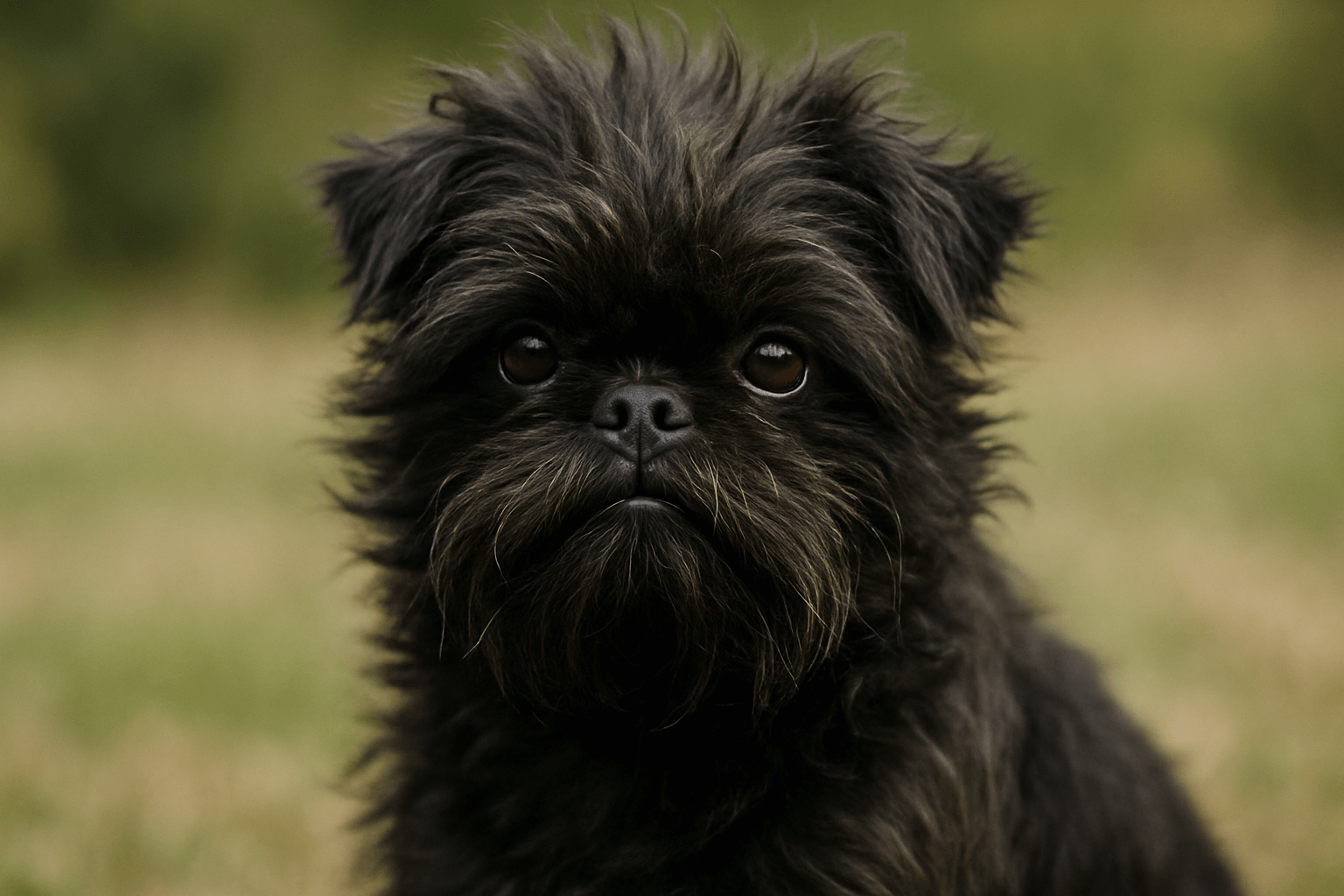
The Affenpinscher Dog: Big Personality in a Tiny, Bearded Package
Meet the Affenpinscher—a compact, fearless, and utterly charming companion with a monkey-like face and a heart twice its size. Originally bred to hunt rodents in German kitchens and stables, this ancient toy breed packs intelligence, loyalty, and boldness into a small frame. Despite its modest stature, the Affenpinscher carries itself like a guardian of the household, full of wit, mischief, and unwavering devotion. If you’re drawn to a dog with character, confidence, and comedic flair, the Affenpinscher might just be your perfect match.
Origins and History of the Affenpinscher
Long before it became a beloved lapdog, the Affenpinscher served a practical purpose in 17th-century Europe. Its name—“Affe” meaning “monkey” in German—captures its expressive, almost comical face that sets it apart from other toy breeds.
- Rodent Hunter Roots:
Affenpinschers were originally working dogs in German farms and kitchens, tasked with keeping rats and mice at bay. - Transition to Companion Role:
As urban living grew in the 19th century, breeders refined the Affenpinscher’s size and temperament, turning it into a cherished household pet. - One of the Oldest Toy Breeds:
The Affenpinscher is considered a foundational breed for many modern toy dogs, including the Brussels Griffon and Miniature Schnauzer. - Recognition and Popularity:
The American Kennel Club officially recognized the breed in 1936, though its numbers remain modest due to its niche appeal. - Cultural Presence:
Despite its rarity, the Affenpinscher has appeared in art, literature, and even royal courts for its striking looks and spirited nature.
Though small in size, the Affenpinscher’s historical role was mighty—and today, that same tenacity lives on in every confident strut and curious glance.
Distinctive Physical Traits of the Affenpinscher
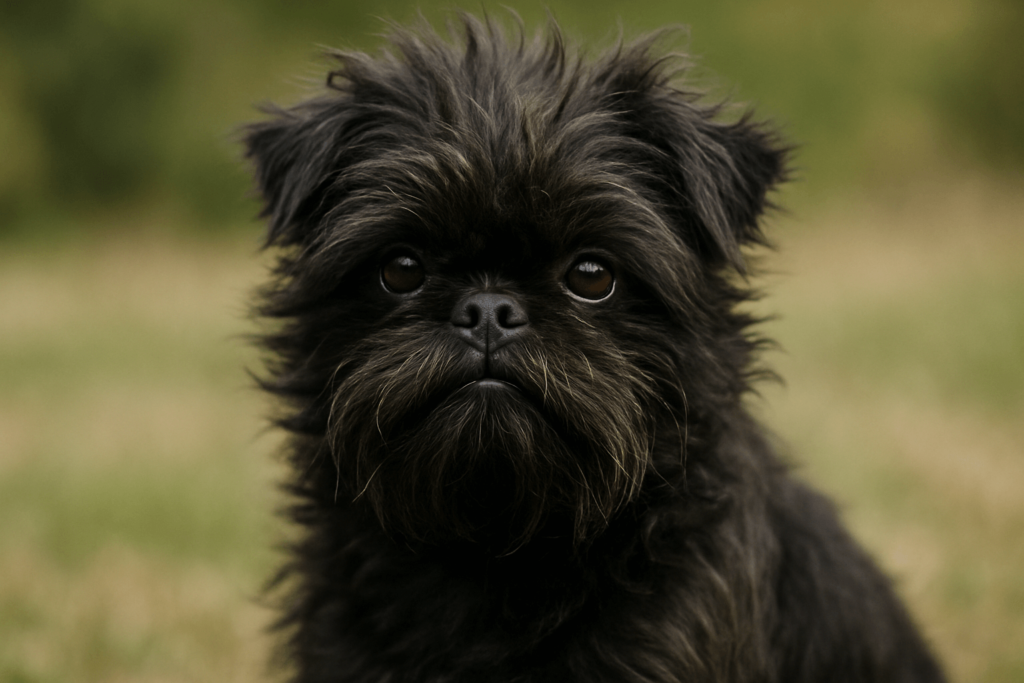
You’ll recognize an Affenpinscher instantly: shaggy fur, bushy eyebrows, and that signature beard give it a face full of personality. But beyond its looks, every physical trait serves a purpose rooted in its working past.
- Compact and Sturdy Build:
Standing 9–11.5 inches tall and weighing 7–10 pounds, the Affenpinscher is small but muscular—built for agility and endurance. - Rough, Shaggy Coat:
Its wiry, dense double coat protects against weather and minor scratches, originally useful during rodent hunts. - Monkey-Like Expression:
Dark, round eyes, a short muzzle, and a prominent beard create the “monkey” look that defines the breed. - Tail and Ears:
Traditionally docked and cropped in working lines (though often left natural today), the tail curls slightly over the back, and ears may be erect or button-shaped. - Color Variations:
While black is most common, Affenpinschers can also come in gray, silver, red, black-and-tan, or beige—always with a solid base.
These traits aren’t just for show—they reflect centuries of adaptation, making the Affenpinscher as functional as it is unforgettable.
Check this guide 👉Mini Pinscher Dachshund Mix: Best 7 Expert Tips!
Check this guide 👉Doberman vs Doberman Pinscher: Best 7 Expert Tips!
Check this guide 👉Chihuahua Mini Pinscher Mix: Best 7 Expert Tips!
| Temperament Highlights | Care Considerations |
|---|---|
| Fearless and confident beyond size | Weekly brushing to prevent matting |
| Loyal and deeply attached to family | Regular beard cleaning (food debris traps easily) |
| Playful with a mischievous streak | Moderate exercise needs (30 mins/day) |
| Can be stubborn during training | Sensitive to extreme heat and cold |
| Alert and makes an excellent watchdog | Prone to dental issues—daily teeth brushing recommended |
Personality and Temperament: Bold, Loyal, and Full of Sass
Don’t let the Affenpinscher’s size fool you—this breed has the heart of a lion and the attitude of a tiny comedian. Affectionate with family yet wary of strangers, it balances warmth with watchfulness in a uniquely endearing way.
- Fearless Guardian Spirit:
Despite weighing under 10 pounds, the Affenpinscher will bark boldly at doorbells, delivery people, or suspicious shadows. - Deeply Loyal to Owners:
This breed bonds intensely with its humans and often follows them room to room, offering silent companionship or playful nudges. - Independent Thinker:
Bred to make quick decisions while hunting, the Affenpinscher can be stubborn—training requires patience and consistency. - Playful and Clownish:
Many owners describe their Affenpinscher as a “class clown”—leaping, spinning, or making silly faces to get attention. - Good with Older Children:
While affectionate, its small size and feisty nature mean it’s best suited for families with gentle, respectful older kids.
In the right home, the Affenpinscher isn’t just a pet—it’s a character, a confidant, and a tiny source of daily joy.
Training and Socialization Tips for Affenpinscher Owners
Training an Affenpinscher requires strategy, humor, and respect for its intelligence. This breed responds poorly to harsh corrections but thrives on positive reinforcement and mental challenges.
- Start Socialization Early:
Expose your puppy to new people, sounds, and environments before 16 weeks to prevent shyness or aggression. - Use Positive Reinforcement:
Reward-based methods with treats, praise, or play work best—never yell or punish, as this breeds distrust. - Keep Sessions Short and Fun:
Affenpinschers have sharp minds but short attention spans; 5–10 minute sessions multiple times a day are ideal. - Consistency Is Key:
This breed tests boundaries—establish clear rules early and stick to them to avoid manipulative behavior. - Focus on Recall and Leash Manners:
Their prey drive is strong; without reliable recall, they may chase squirrels or birds with fearless abandon.
With the right approach, your Affenpinscher can be well-mannered, responsive, and a joy to live with—though it will always retain a spark of mischief.
Grooming and Health Needs of the Affenpinscher
The Affenpinscher’s iconic look requires regular upkeep, and its small size comes with specific health considerations that proactive owners should know.
- Coat Maintenance:
Brush 2–3 times weekly to prevent mats; hand-stripping (not clipping) preserves texture and color every 3–4 months. - Beard and Face Care:
Wipe the beard after meals to avoid food buildup and bacterial growth—many owners use a damp cloth daily. - Dental Health Priority:
Toy breeds are prone to periodontal disease; brush teeth daily and schedule professional cleanings as recommended. - Common Health Concerns:
Watch for patellar luxation, hip dysplasia, and Legg-Calvé-Perthes disease—reputable breeders screen for these. - Lifespan and Wellness:
With good care, Affenpinschers live 12–15 years; annual vet checks, proper diet, and dental care support longevity.
Grooming isn’t just cosmetic—it’s a vital part of your Affenpinscher’s comfort, hygiene, and long-term health.
Living with an Affenpinscher: Ideal Home and Lifestyle Fit
This breed adapts well to various living situations—but thrives only when its emotional and physical needs are understood and met.
- Apartment-Friendly:
Their small size and modest exercise needs make Affenpinschers excellent for city or condo living. - Not for Passive Owners:
They crave interaction and mental stimulation; left alone for long hours, they may bark excessively or become destructive. - Sensitive to Weather:
Their short legs and single-layer undercoat mean they struggle in extreme heat or cold—always supervise outdoor time. - Good with Other Pets (If Raised Together):
Early socialization helps them coexist with cats or dogs, but their prey drive may trigger chasing behavior. - Low-Shedding but High-Maintenance:
While they don’t shed much, their coat requires regular grooming—ideal for allergy sufferers with time to spare.
The Affenpinscher isn’t a “set-and-forget” pet. It’s a dynamic companion that rewards engaged, attentive ownership with unwavering loyalty.
Potential Challenges of Owning an Affenpinscher
While the Affenpinscher is a delightful companion, it’s not without its quirks. Prospective and current owners should be aware of the breed’s unique challenges to ensure a harmonious relationship.
- Stubborn Streak:
Their intelligence often comes with a strong-willed nature, making obedience training more demanding than with eager-to-please breeds. - Separation Sensitivity:
Affenpinschers form intense bonds and may develop anxiety or destructive behaviors when left alone for long periods. - Grooming Commitment:
That charming shaggy coat requires consistent maintenance—neglect can lead to painful mats and skin issues. - Vocal Tendencies:
They’re alert watchdogs who bark readily at sounds or strangers, which may be problematic in apartments or noise-sensitive environments. - Fragility Due to Size:
Their small frame makes them vulnerable to injury from rough handling, falls, or larger pets—caution is always needed.
Acknowledging these challenges upfront allows you to prepare properly—and ultimately build a deeper, more respectful bond with your spirited little monkey dog.
“The Affenpinscher is a happy combination of charm and pluck. A small dog with stamina, agility, and great courage, yet upon occasion displays sensitivity and gentleness.” – Affenpinscher Club of America
Frequently Asked Questions About the Affenpinscher Dog
Is the Affenpinscher a good dog for first-time owners?
It can be—provided the owner is willing to invest time in training, socialization, and consistent routines. Their intelligence demands engagement.
Do Affenpinschers bark a lot?
Yes. They are alert watchdogs and will bark at noises, strangers, or even changes in routine. Early training can help manage excessive barking.
How much exercise does an Affenpinscher need?
About 30 minutes of daily activity—short walks, indoor play, or puzzle toys suffice. They’re energetic but not hyperactive.
Are Affenpinschers hypoallergenic?
While no dog is truly hypoallergenic, the Affenpinscher sheds minimally and is often tolerated by allergy sufferers—especially with regular grooming.
Where can I find a reputable Affenpinscher breeder?
Look for AKC or FCI-affiliated breeders who conduct health screenings, offer puppy guarantees, and allow you to meet the parent dogs.
A Tiny Dog with a Giant Heart
The Affenpinscher may be small enough to tuck under your arm, but its presence fills a room—and a heart. With its fearless spirit, comedic antics, and deep devotion, this ancient breed offers far more than meets the eye. If you’re ready to embrace a dog that’s equal parts guardian, goofball, and soulful companion, the Affenpinscher could be your perfect match. Just remember: big love often comes in the most delightfully scruffy, bearded packages.

Is Rawhide Bad for Cats? Best 7 Expert Tips! – Discover the risks, safe alternatives, and expert advice to keep your feline friend healthy and happy.

Is Rawhide Bad for Dogs? Best 7 Expert Tips! – Discover the risks, benefits, and safer alternatives to rawhides for your dog’s chewing needs.

Understanding Anorexia in Cats: Best 7 Expert Tips! – Learn why cats stop eating, spot warning signs, and discover how to help your feline regain appetite safely.

Understanding Anorexia in Dogs: Best 7 Expert Tips! – Learn causes, symptoms, and solutions to help your dog regain appetite and stay healthy.