
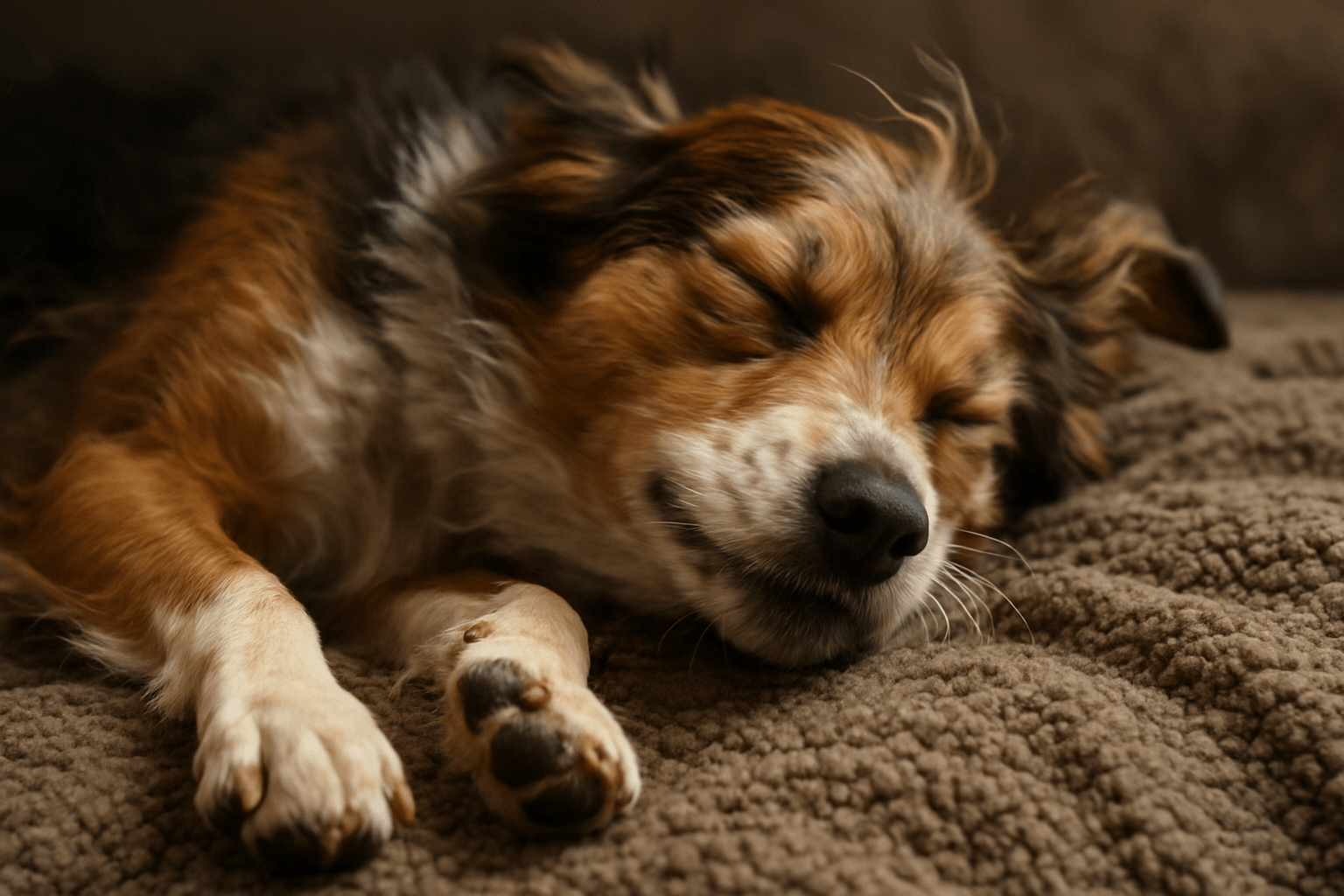
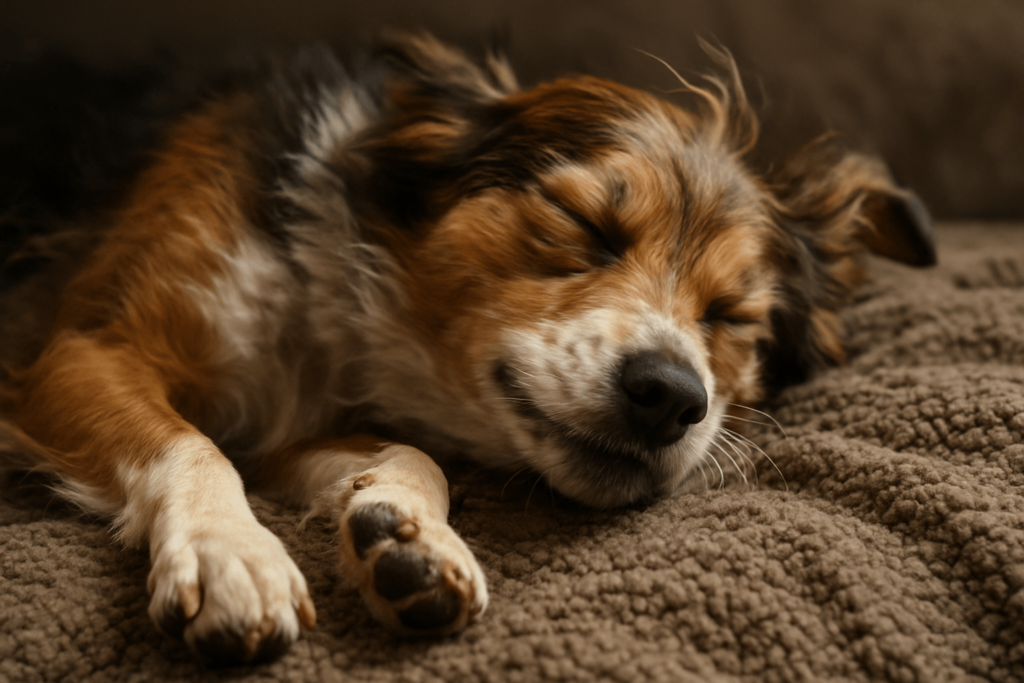

Why Does My Dog Shake in Sleep? Unpacking This Natural Behavior
If you’ve ever watched your dog doze off only to notice their paws twitching, legs jerking, or even soft whimpers escaping their lips, you’re not alone. Many dog owners wonder whether this is normal, concerning, or something in between. The truth is, dog shakes in sleep are usually a harmless—and even healthy—part of their rest cycle. In this guide, we’ll explore the science behind these nocturnal movements, when they’re perfectly normal, and when they might signal something more serious.
The Science Behind Sleep Movements in Dogs
Just like humans, dogs experience different stages of sleep, including REM (Rapid Eye Movement) sleep—the phase closely linked to vivid dreaming. During REM, the brain is highly active, but the body is mostly paralyzed to prevent acting out dreams. However, this “paralysis” isn’t always complete in dogs, which explains the subtle shakes, kicks, and vocalizations you might observe.
- REM Sleep Activation:
During REM sleep, your dog’s brain replays memories or processes daily experiences, often resulting in physical twitches as they “chase” dream squirrels or play with invisible friends. - Muscle Relaxation Cycles:
Even outside of REM, muscles naturally contract and release during deep sleep, sometimes causing brief, involuntary tremors. - Temperature Regulation:
Dogs may shiver slightly if they’re cool, even during sleep. A cozy blanket or warmer room often resolves this. - Puppy Development:
Young puppies shake more in their sleep because their nervous systems are still maturing—this is entirely normal and usually decreases with age. - Breed-Specific Traits:
Smaller breeds like Chihuahuas or Italian Greyhounds are more prone to shaking due to higher metabolisms and less body fat for insulation.
While it can be startling the first time you witness it, most sleep-related shaking is a sign your dog is resting deeply and healthily. That said, understanding the full picture helps you distinguish between routine dreaming and potential red flags.
When Sleep Shaking Is Completely Normal
Not all movement during sleep is cause for concern. In fact, moderate twitching is a strong indicator that your dog is cycling through healthy sleep stages.
- Brief, Intermittent Twitches:
Short bursts of paw movement, tail flicks, or soft barks lasting only a few seconds are typical signs of active dreaming. - Relaxed Body Posture:
If your dog’s overall body remains loose and their face is calm, the shaking is likely benign. - Responsive to Gentle Touch:
A dog experiencing normal sleep movements will usually wake up easily and appear alert and affectionate—not disoriented or aggressive. - Consistent Patterns:
If your dog has always shaken a little during naps and shows no other symptoms, it’s likely just part of their unique sleep rhythm. - No Urination or Loss of Control:
True seizures often involve loss of bladder control or rigid, prolonged shaking—neither of which occur in regular dream-related twitches.
If your dog checks these boxes, rest easy (pun intended!). Their sleep behavior is likely a reflection of a well-functioning brain and nervous system.
Check this guide 👉How Cold Can a Dog Sleep Outside? Best 7 Expert Tips!
Check this guide 👉Dog Sleep Apnea and Seizures: Best 7 Expert Tips!
Check this guide 👉Why Does My Dog Sleep With Their Head Propped Up? Best 7 Tips
| Normal Sleep Shaking | Concerning Signs |
|---|---|
| Brief, rhythmic twitches lasting under 30 seconds | Shaking that lasts over 1–2 minutes |
| Dog wakes up calmly and recognizes you | Dog appears confused or aggressive after waking |
| Occurs during deep naps or nighttime sleep | Happens while fully awake or standing |
| No drooling, urination, or rigid limbs | Involuntary urination or foaming at the mouth |
| Consistent with past behavior | Sudden onset with no prior history |
Possible Medical Causes of Abnormal Shaking
While most sleep movements are harmless, some underlying health issues can mimic or trigger abnormal shaking. Knowing these helps you act quickly if needed.
- Seizure Disorders:
Epilepsy or other neurological conditions can cause convulsions that resemble intense sleep shaking—but occur without the dreamy context of REM. - Pain or Discomfort:
Arthritis, injuries, or internal pain might cause tremors, especially if your dog is shifting positions frequently during rest. - Low Blood Sugar (Hypoglycemia):
Common in small or toy breeds, low glucose levels can lead to shaking, weakness, and lethargy—even during sleep. - Toxic Exposure:
Ingestion of chocolate, xylitol, or certain plants can cause tremors as a neurological response, often accompanied by vomiting or diarrhea. - Endocrine Imbalances:
Conditions like Addison’s disease or hyperthyroidism (rare in dogs but possible) may manifest as persistent shaking.
If you notice shaking paired with other symptoms—such as lethargy, appetite loss, or disorientation—it’s time to consult your veterinarian. Early diagnosis can make a significant difference.
How Age Influences Sleep Shaking
A dog’s life stage plays a major role in how and why they shake during sleep. Both puppies and seniors exhibit unique patterns worth understanding.
- Puppies:
Their developing nervous systems fire erratically during sleep, leading to frequent twitches—this is a sign of healthy brain growth. - Adult Dogs:
Shaking is usually tied to REM dreaming and tends to be moderate and predictable. - Senior Dogs:
Older dogs may shake more due to age-related cognitive decline (similar to dementia), muscle weakness, or joint pain disrupting sleep. - Neurological Changes:
In very old dogs, disrupted sleep architecture can cause more frequent or intense movements, even outside REM phases. - Medication Side Effects:
Some pain or anxiety medications prescribed to seniors can lower seizure thresholds or cause tremors as a side effect.
Monitoring changes over time—not just isolated incidents—helps distinguish normal aging from emerging health concerns.
Environmental and Emotional Triggers
Your dog’s surroundings and emotional state can also influence their sleep behavior, sometimes increasing shaking even when physical health is fine.
- Stress or Anxiety:
Dogs processing daytime stress (like loud noises or separation) may exhibit more active dreaming or restlessness at night. - Cold Temperatures:
Dogs without adequate bedding may shiver to generate warmth, even while asleep. - Overstimulation:
A day full of intense play or new experiences can lead to more vivid dreams and pronounced sleep movements. - New Environments:
Traveling or moving to a new home can temporarily disrupt sleep patterns and increase twitching. - Lack of Routine:
Inconsistent feeding or walking schedules can unsettle a dog’s internal clock, affecting sleep quality and muscle tone.
Creating a calm, predictable bedtime routine—dim lights, soft bedding, quiet space—can significantly reduce stress-induced shaking.
What You Should (and Shouldn’t) Do When Your Dog Shakes in Sleep
It’s natural to want to intervene, but your response can make a big difference in your dog’s well-being.
- Don’t Wake Them Abruptly:
Startling a dreaming dog can cause confusion or even defensive biting. Let the episode pass naturally. - Do Observe Quietly:
Note the duration, intensity, and body parts involved—this info is invaluable if you later consult a vet. - Don’t Assume It’s a Seizure:
True seizures involve full-body rigidity, drooling, and unconsciousness—not just paw flicks. - Do Ensure Comfort:
Provide a warm, quiet sleeping area with supportive bedding to promote restful, uninterrupted sleep. - Don’t Ignore Sudden Changes:
If shaking becomes more frequent, intense, or occurs while awake, contact your veterinarian promptly.
Patience and observation are your best tools. Most of the time, your presence—without interference—is exactly what your dog needs.
When to Seek Veterinary Advice
While most sleep-related shaking is harmless, certain signs warrant professional evaluation. Knowing when to consult your vet ensures your dog’s health isn’t left to chance.
- Prolonged Episodes:
Shaking that lasts more than 1–2 minutes during sleep could indicate a neurological issue rather than normal dreaming. - Daytime Tremors:
If your dog also shakes while fully awake, alert, or standing, this is not typical REM behavior and requires investigation. - Loss of Bladder or Bowel Control:
Involuntary urination or defecation during an episode strongly suggests a seizure, not dreaming. - Post-Episode Disorientation:
Dogs who wake up confused, blind-staring, or unable to recognize you may be experiencing abnormal neurological activity. - Sudden Behavioral Changes:
A previously calm sleeper who now shakes violently, whimpers excessively, or avoids lying down may be in pain or distress.
If you observe any of these red flags, contact your veterinarian promptly—early intervention can prevent complications and provide peace of mind.
Frequently Asked Questions About Dog Shakes in Sleep
Why does my dog shake while sleeping on their side?
Side-sleeping often leads to more visible twitching because muscles are fully relaxed, allowing freer movement during REM sleep.
Is it normal for my dog to cry or whimper in their sleep?
Yes—vocalizations during sleep are common and usually tied to dreaming. As long as they stop when awake, it’s not a concern.
Should I wake my dog if they seem distressed in a dream?
Generally, no. Most dogs cycle out of intense dreams within seconds. Waking them can cause disorientation or fear.
Can anxiety cause more shaking during sleep?
Absolutely. Dogs with separation anxiety or PTSD-like symptoms may exhibit more active or restless sleep patterns.
How can I tell if it’s a seizure or just dreaming?
Dreaming involves brief, irregular twitches; seizures are prolonged (over 1–2 minutes), rigid, and often include drooling or loss of bladder control.
Trust, Observe, and Comfort
Your dog’s sleep is a window into their inner world—sometimes playful, sometimes processing, always deeply personal. Shaking during sleep is usually a sign of a healthy, dreaming mind, not a problem to fix. By learning the difference between normal REM activity and true medical concerns, you can respond with confidence, not fear. Create a peaceful sleep environment, stay observant, and above all, trust your bond. A dog who feels safe doesn’t just sleep better—they live better. And that’s the dream every pet parent wants to protect.
Is Rawhide Bad for Cats? Best 7 Expert Tips! – Discover the risks, safe alternatives, and expert advice to keep your feline friend healthy and happy.

Is Rawhide Bad for Dogs? Best 7 Expert Tips! – Discover the risks, benefits, and safer alternatives to rawhides for your dog’s chewing needs.

Understanding Anorexia in Cats: Best 7 Expert Tips! – Learn why cats stop eating, spot warning signs, and discover how to help your feline regain appetite safely.

Understanding Anorexia in Dogs: Best 7 Expert Tips! – Learn causes, symptoms, and solutions to help your dog regain appetite and stay healthy.