

What Is the Nictitating Membrane in Dogs?
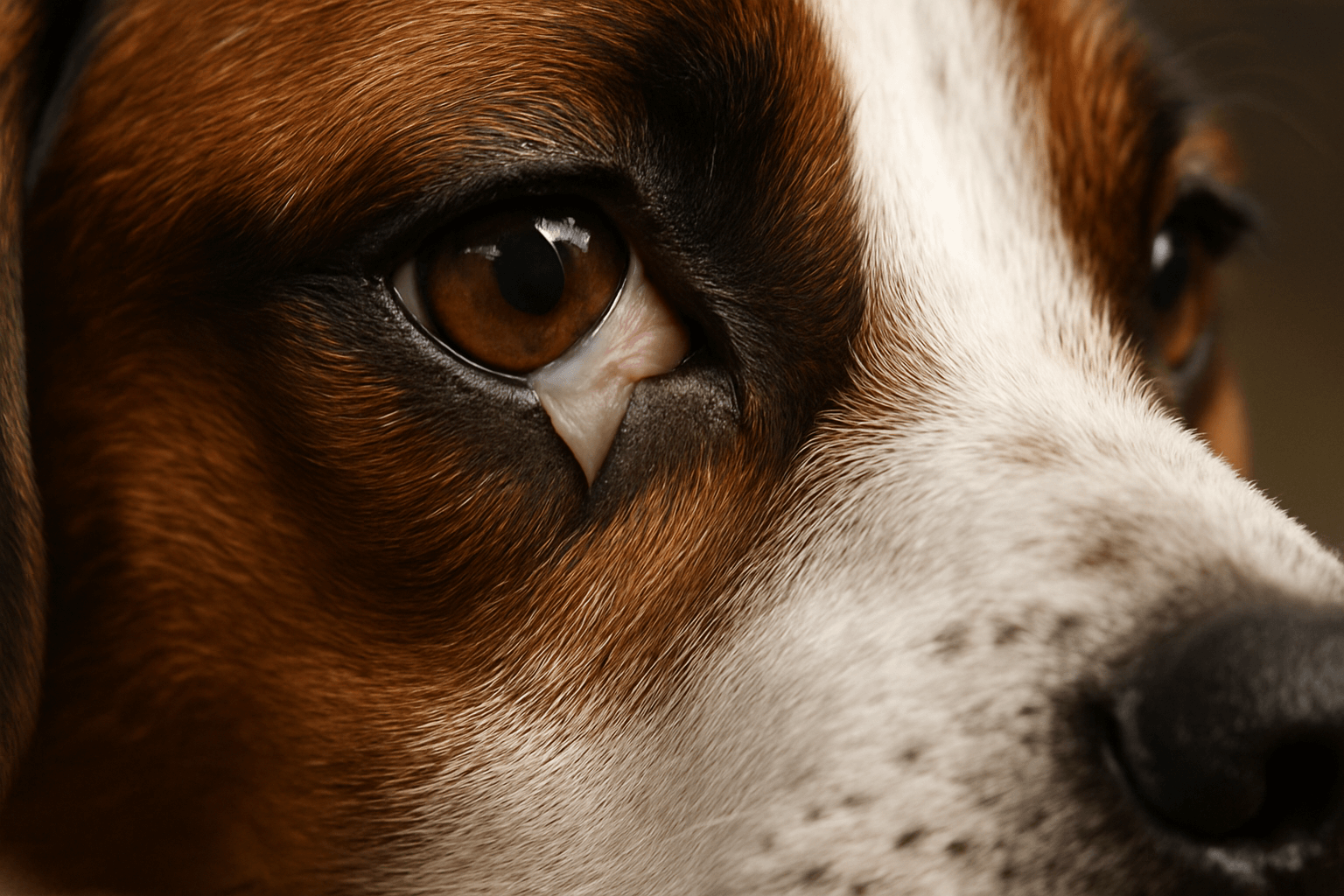
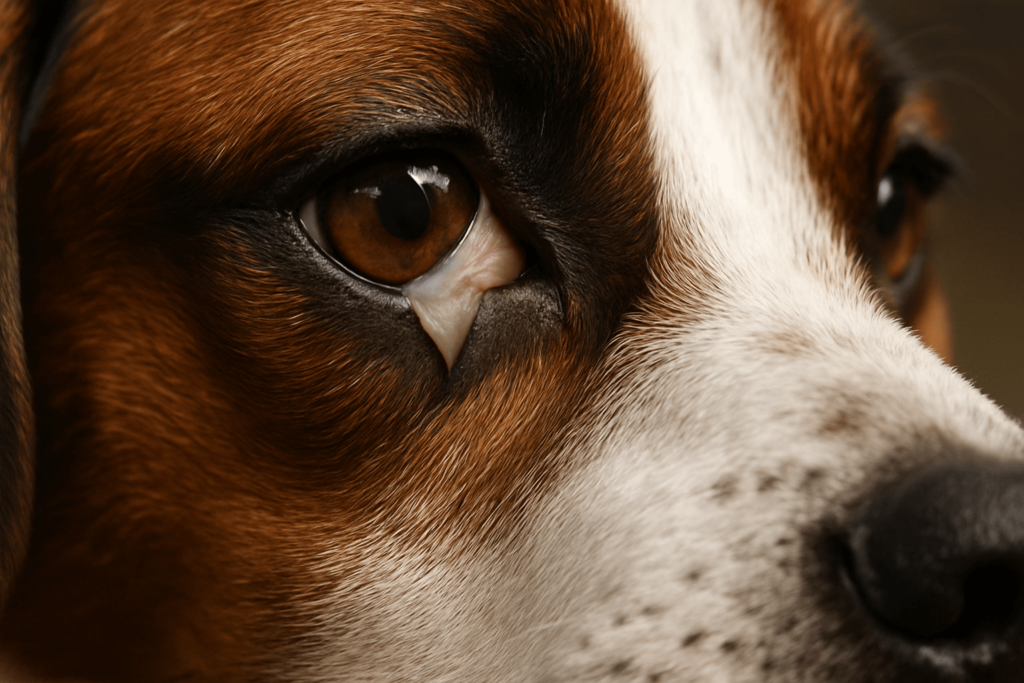
All dog owners have seen it—that fleeting glimpse of a pale or pinkish film sliding across their dog’s eye, especially during sleep or when they’re relaxed. This is the nictitating membrane, often called the “third eyelid.” While it may look unusual or even alarming at first, it’s a normal anatomical feature in dogs. More than just a curiosity, this structure plays a vital role in eye health and protection. Understanding its function, appearance, and potential warning signs can help you ensure your dog’s vision stays clear and comfortable throughout their life.
The Anatomy and Purpose of the Nictitating Membrane
The nictitating membrane is a thin, translucent fold of tissue located in the inner corner of a dog’s eye. Unlike humans, most mammals—including dogs—have this additional protective layer, which evolved to shield the eye while maintaining some degree of vision.
Eye Protection:
The membrane acts like a windshield wiper, sweeping away dust, debris, and irritants from the cornea without requiring the dog to fully close its eye.Tear Distribution:
It helps spread tears evenly across the eye surface, keeping the cornea moist and lubricated—critical for preventing dry eye and maintaining clarity.Immune Defense:
The membrane houses a tear gland (the gland of the third eyelid), which produces up to 30–50% of a dog’s tears and contains lymphoid tissue that fights infection.Visual Continuity:
Because it’s semi-transparent, the membrane allows dogs to maintain limited vision while protecting their eyes—especially useful during high-speed movement or hunting.Reflexive Response:
It automatically covers the eye in response to threats, fatigue, or illness, serving as both a passive shield and an active health indicator.
This small but mighty structure is essential for ocular health. When functioning properly, you’ll rarely notice it—but when something’s wrong, it becomes impossible to ignore.
Common Reasons the Third Eyelid Becomes Visible
In healthy dogs, the nictitating membrane is usually hidden beneath the lower eyelid and only briefly visible when your dog blinks, wakes from sleep, or is very relaxed. However, if it’s consistently exposed or looks abnormal, it could signal an underlying issue.
Dehydration or Illness:
When a dog is unwell or dehydrated, the eyeball may sink slightly into the socket (enophthalmos), causing the third eyelid to protrude.Horner’s Syndrome:
This neurological condition affects the nerves controlling the eye and can cause third eyelid elevation, along with a drooping eyelid and constricted pupil.Cherry Eye:
A common condition where the tear gland of the third eyelid prolapses, appearing as a red, swollen mass in the corner of the eye—most frequent in young dogs and certain breeds.Pain or Inflammation:
Conjunctivitis, corneal ulcers, or uveitis can trigger reflexive third eyelid coverage as the eye tries to protect itself from further damage.Sleep or Deep Relaxation:
It’s completely normal to see the membrane briefly when your dog is dozing or just waking up—no cause for concern in this context.
If you notice the membrane staying up during waking hours or looking red, swollen, or asymmetrical, it’s time to consult your veterinarian.
Check this guide 👉How Long Do Dog Eye Infections Last? Best 7 Expert Tips!
Check this guide 👉Cat Scratched Dog Eye White Spot: Best 7 Expert Tips!
Check this guide 👉Dog Eye Injury Treatment: Best 7 Expert Tips!
| Normal Third Eyelid Appearance | Warning Signs to Watch For |
|---|---|
| Briefly visible during sleep or blinking | Persistent visibility when awake |
| Pale pink or light beige color | Red, swollen, or inflamed appearance |
| Symmetrical in both eyes | Only one eye affected |
| No discharge or discomfort | Excessive tearing, squinting, or pawing |
| Retracts fully when dog is alert | Remains partially or fully elevated |
Breeds Most Prone to Third Eyelid Issues
While all dogs have a nictitating membrane, certain breeds are genetically predisposed to conditions that affect it—especially cherry eye.
Bulldogs and French Bulldogs:
Their shallow eye sockets and prominent eyes increase the risk of third eyelid gland prolapse.Cocker Spaniels:
Known for a higher incidence of cherry eye due to loose connective tissue around the gland.Beagles:
Frequently affected by cherry eye, often before one year of age.Lhasa Apsos and Shih Tzus:
Brachycephalic breeds with large, exposed eyes are more susceptible to both dry eye and third eyelid disorders.Great Danes and Mastiffs:
Large breeds with loose facial skin may experience gland displacement due to weaker orbital support.
If you own one of these breeds, regular eye checks and early veterinary attention can prevent complications.
Cherry Eye: The Most Common Third Eyelid Disorder
Cherry eye is not just a cosmetic issue—it’s a medical condition that requires prompt treatment. It occurs when the gland attached to the nictitating membrane slips out of place.
Sudden Appearance:
Owners often notice a red, round mass in the inner corner of the eye that appears overnight.Risk of Dry Eye:
If the prolapsed gland is removed (an outdated practice), your dog may develop keratoconjunctivitis sicca (dry eye), requiring lifelong medication.Modern Treatment Focuses on Preservation:
Veterinarians now prefer to surgically reposition and tack the gland back into place to maintain tear production.High Recurrence Rate:
Even after surgery, there’s a 5–20% chance of re-prolapse, especially if both eyes are affected or if treatment is delayed.Early Intervention Is Key:
The sooner cherry eye is addressed, the better the outcome—don’t wait to see if it “goes away.”
Ignoring cherry eye can lead to chronic irritation, infection, and irreversible damage to the eye’s surface.
Other Medical Conditions Linked to Third Eyelid Exposure
A visible nictitating membrane can be a clue to systemic or neurological problems beyond the eye itself.
Dehydration:
Sunken eyes from fluid loss cause the third eyelid to become more prominent—a sign often accompanied by lethargy and dry gums.Pain Elsewhere in the Body:
Dogs in pain (e.g., from abdominal issues or injury) may show mild third eyelid elevation as part of a general stress response.Neurological Disorders:
Conditions like Horner’s syndrome or facial nerve paralysis disrupt normal eye muscle control, leading to abnormal membrane positioning.Haw Syndrome:
A rare, temporary condition in young dogs where both third eyelids elevate simultaneously, often after gastrointestinal upset—it usually resolves on its own.Orbital Masses or Abscesses:
Tumors or infections behind the eye can push the globe forward or backward, altering eyelid dynamics.
Never assume third eyelid visibility is “just stress.” A full veterinary exam is the only way to rule out serious causes.
Home Care and Prevention Tips
While you can’t prevent all third eyelid issues, proactive care reduces risk and supports overall eye health.
Monitor Eye Appearance Daily:
Check both eyes in good light during grooming or cuddle time—early changes are easier to treat.Keep Face Clean:
Gently wipe around the eyes with a damp, soft cloth to remove debris that could irritate the membrane.Avoid Eye Trauma:
Discourage rough play near the face and keep your dog away from thorny bushes or dusty environments.Hydration Is Crucial:
Ensure constant access to fresh water—dehydration is a silent trigger for third eyelid exposure.Know Your Breed’s Risks:
If your dog is prone to cherry eye, ask your vet about early signs and whether preventive measures are available.
Prevention isn’t about perfection—it’s about awareness and consistency.
Frequently Asked Questions About the Nictitating Membrane in Dogs
Why can I suddenly see my dog’s third eyelid?
It may be due to dehydration, illness, eye pain, or a condition like cherry eye or Horner’s syndrome. If it persists while your dog is alert, consult a vet.
Is cherry eye painful for dogs?
Initially, it may not be painful—but it can cause irritation, dryness, and secondary infections if left untreated.
Can the third eyelid go back to normal on its own?
In cases like Haw syndrome or mild dehydration, yes. But cherry eye and neurological issues typically require medical intervention.
Should I try to push the third eyelid back in myself?
No. Never attempt to manipulate the eye or membrane—this can cause injury or infection.
Does cherry eye always need surgery?
Most veterinary ophthalmologists recommend surgery to reposition the gland, as topical treatments alone rarely resolve it.
Trust Your Eyes—and Your Instincts
The nictitating membrane is a marvel of canine biology—a silent guardian of your dog’s vision. While its occasional appearance is normal, consistent or abnormal exposure should never be ignored. By understanding what’s typical and what’s a red flag, you become your dog’s first line of defense against eye disease. A quick vet visit today can prevent lifelong complications tomorrow. After all, your dog sees the world through those eyes—and it’s up to you to keep their view clear, comfortable, and full of love.
Is Rawhide Bad for Cats? Best 7 Expert Tips! – Discover the risks, safe alternatives, and expert advice to keep your feline friend healthy and happy.

Is Rawhide Bad for Dogs? Best 7 Expert Tips! – Discover the risks, benefits, and safer alternatives to rawhides for your dog’s chewing needs.

Understanding Anorexia in Cats: Best 7 Expert Tips! – Learn why cats stop eating, spot warning signs, and discover how to help your feline regain appetite safely.

Understanding Anorexia in Dogs: Best 7 Expert Tips! – Learn causes, symptoms, and solutions to help your dog regain appetite and stay healthy.