

Do Dog Licks Heal Human Wounds? Best 7 Expert Tips!

Do Dog Licks Heal Human Wounds? Best 7 Expert Tips!

Do Dog Licks Heal Human Wounds? The Truth Behind a Common Myth

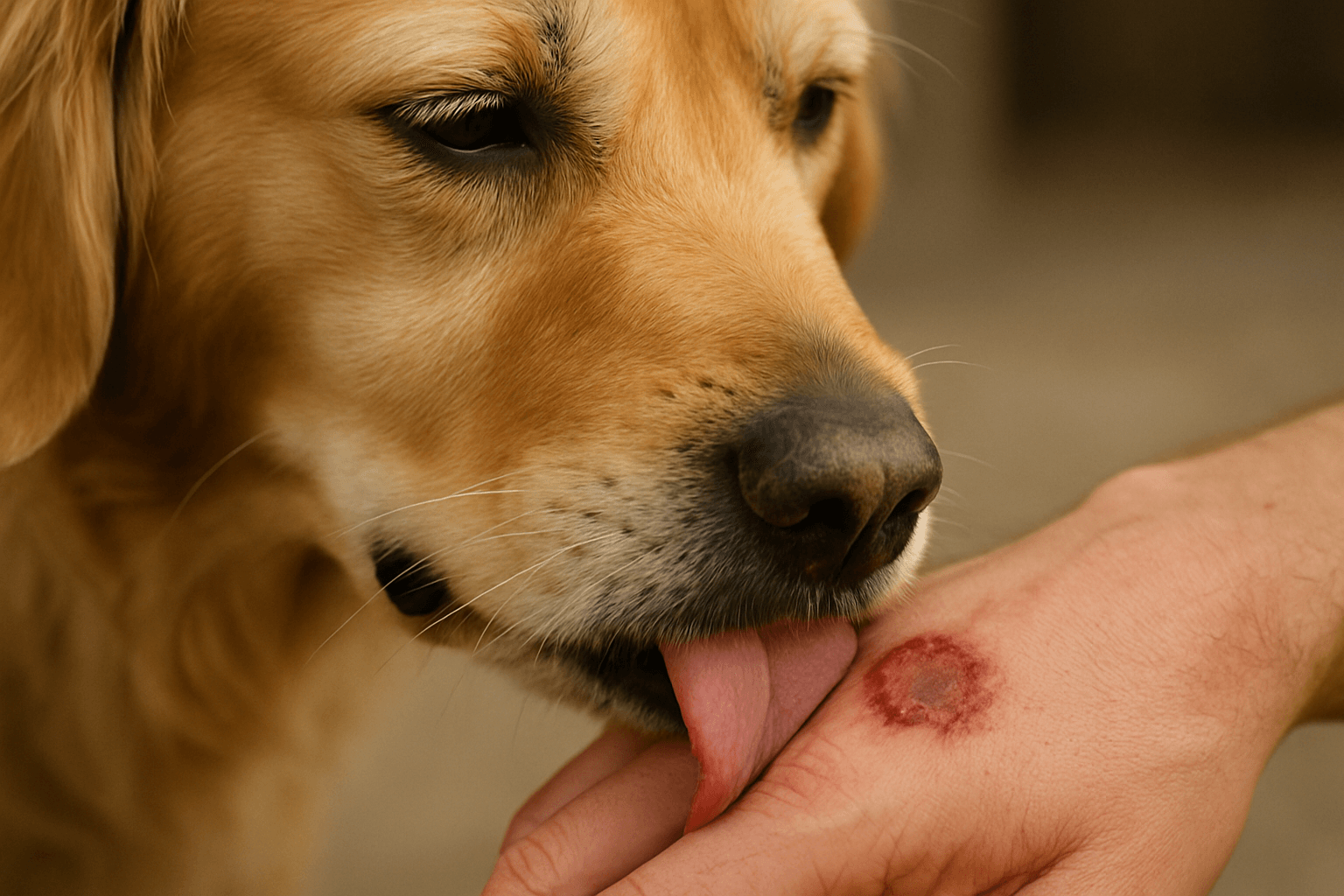
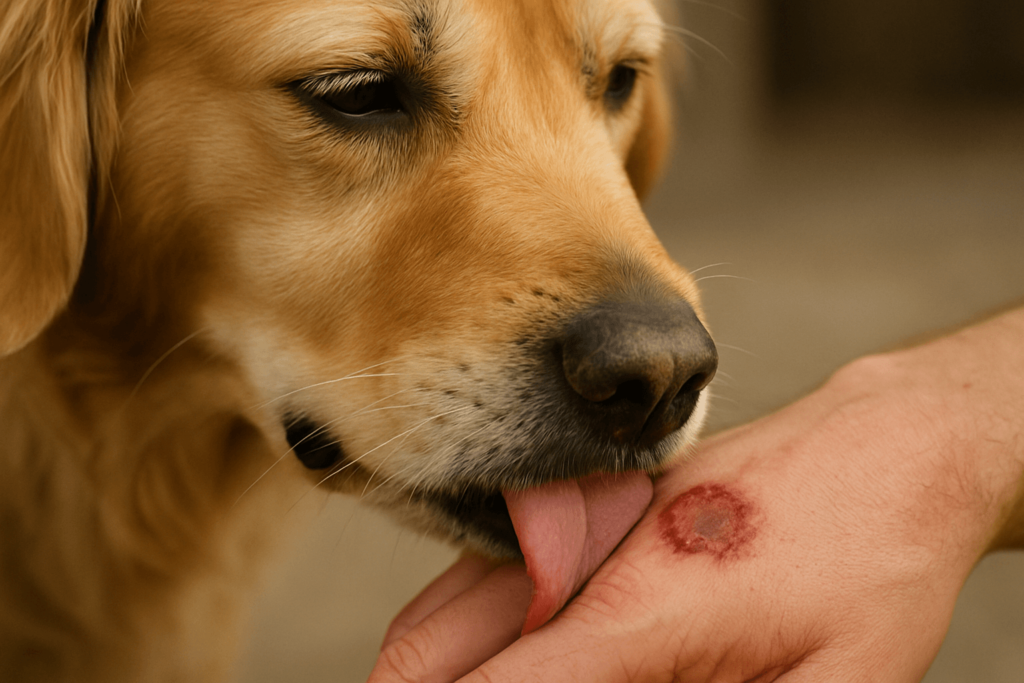
It’s a heartwarming image: your loyal dog gently licking a cut on your hand, as if trying to “kiss it better.” Many pet owners have heard the old saying that a dog’s saliva has healing properties—but is there any scientific truth to it? While canine affection is undeniable, the idea that dog licks can safely heal human wounds is more folklore than fact. In this guide, we’ll explore what dog saliva actually contains, whether it helps or harms, and how to balance love with safety when your pup tries to nurse you back to health.

The Origins of the “Healing Lick” Belief

The notion that dog licks heal wounds dates back centuries and appears in cultures worldwide. Ancient Egyptians revered dogs as protectors and healers, while some Indigenous traditions viewed animal saliva as a natural remedy. But modern science offers a more nuanced perspective.

 
  • Historical Folklore:
    For generations, people believed animals instinctively knew how to treat injuries, including using saliva to clean wounds.

  • Observed Behavior:
    Dogs lick their own wounds—and often those of their puppies or pack members—which reinforces the idea they’re “nursing.”

  • Early Scientific Observations:
    In the 19th century, researchers noted that dog saliva contains enzymes like lysozyme, which can break down bacterial cell walls.

  • Media Reinforcement:
    Movies, books, and social media often romanticize a dog’s lick as a sign of care, blurring the line between affection and medical benefit.

  • Emotional Comfort:
    The act of being licked by a beloved pet can reduce stress, which indirectly supports healing—but not through the saliva itself.


While the instinct to lick is deeply rooted in canine behavior, it doesn’t automatically translate to safe or effective wound care for humans. The reality is more complex—and caution is essential.

Do Dog Licks Heal Human Wounds? Best 7 Expert Tips!

What’s Actually in Dog Saliva?

Dog saliva contains a mix of proteins, enzymes, bacteria, and other compounds. Some have mild antimicrobial effects, but others pose serious health risks to humans.

 
  • Lysozyme and Lactoferrin:
    These enzymes can inhibit certain bacteria, offering slight antibacterial properties—but they’re far weaker than medical antiseptics.

  • Nitrate Compounds:
    When mixed with skin bacteria, nitrates in saliva may convert to nitric oxide, which has mild wound-healing potential in controlled settings.

  • Opiorphin:
    A pain-relieving compound found in dog saliva, but only in trace amounts—nowhere near enough to impact human pain.

  • Oral Microbiome:
    A dog’s mouth hosts over 600 types of bacteria, including Pasteurella, Capnocytophaga, and Staphylococcus—many of which are harmless to dogs but dangerous to humans.

  • Potential Pathogens:
    Dogs can carry Salmonella, E. coli, and even Leptospira in their saliva, especially if they’ve been exposed to contaminated water or feces.


So while dog saliva isn’t “dirty” in the traditional sense, it’s certainly not sterile—and introducing it to an open wound can do more harm than good.

Potential Benefits of Dog Saliva Risks of Dog Licks on Human Wounds
Contains mild antibacterial enzymes like lysozyme Introduces harmful bacteria like *Pasteurella* and *Capnocytophaga*
May stimulate minor nitric oxide production Risk of serious infection, especially in immunocompromised people
Provides emotional comfort and stress reduction Can delay proper wound cleaning and medical care
Natural behavior that expresses care and bonding May introduce parasites or zoonotic diseases
Encourages blood flow through gentle stimulation Open wounds are vulnerable—saliva bypasses skin’s natural barrier

When Dog Licks Become Dangerous

For most healthy adults, a quick lick on intact skin poses little risk. But when it comes to open wounds, the stakes rise significantly—especially for vulnerable individuals.

 
  • Immunocompromised Individuals:
    People with weakened immune systems (due to illness, age, or medication) face a much higher risk of severe infection from dog saliva.

  • Deep or Large Wounds:
    Cuts, surgical incisions, or burns provide direct entry points for bacteria, increasing the chance of systemic infection.

  • Facial Wounds:
    Licks near the eyes, nose, or mouth can allow bacteria to enter mucous membranes, potentially leading to serious complications.

  • Chronic Conditions:
    Diabetics or those with poor circulation heal slower, making them more susceptible to wound infections from external contaminants.

  • Delayed Medical Care:
    Relying on a dog’s “healing” lick may cause owners to postpone proper cleaning, antiseptic use, or professional treatment.


In rare but documented cases, Capnocytophaga canimorsus—a bacterium found in dog mouths—has caused life-threatening sepsis in humans after minor exposure. While extremely uncommon, it underscores why caution is warranted.

What Science Says About Healing Properties

Researchers have studied dog saliva for decades, and while some laboratory findings are intriguing, real-world applications for human wound care are limited.

 
  • Lab Studies Show Mild Effects:
    In petri dishes, dog saliva has demonstrated slight inhibition of E. coli and Staphylococcus aureus—but these results don’t translate directly to living tissue.

  • No Clinical Evidence:
    There are no peer-reviewed clinical trials proving dog licks accelerate human wound healing compared to standard care.

  • Human vs. Canine Biology:
    What works for a dog’s immune system doesn’t necessarily work for humans—our physiology and microbiomes differ significantly.

  • Placebo and Emotional Factors:
    The comfort of a dog’s presence can lower cortisol and increase oxytocin, indirectly supporting recovery—but this isn’t due to the lick itself.

  • Risk Outweighs Theoretical Benefit:
    Even if minor antimicrobial effects exist, the potential for introducing harmful pathogens far outweighs any unproven advantage.


In short: while dog saliva contains a few biologically interesting compounds, it is not a safe or reliable method for healing human wounds.

How to Respond When Your Dog Licks Your Wound

It’s natural to feel touched when your dog tries to “help,” but it’s important to redirect this behavior gently and safely.

 
  • Stay Calm and Redirect:
    Don’t scold your dog—instead, calmly move your hand away and offer a toy or treat to shift their focus.

  • Clean the Area Immediately:
    If your wound was licked, wash it thoroughly with soap and warm water, then apply an antiseptic.

  • Use Bandages:
    Cover wounds with breathable bandages to prevent access and reduce temptation.

  • Train Alternative Behaviors:
    Teach commands like “leave it” or “gentle” to help your dog understand boundaries around injuries.

  • Monitor for Infection:
    Watch for redness, swelling, pus, or fever in the days following exposure—and seek medical help if symptoms appear.


Your dog’s intention is love, not harm—but your health comes first. Setting gentle boundaries protects both of you.

The Role of Emotional Healing in Recovery

While dog licks don’t physically heal wounds, the emotional bond between humans and dogs plays a powerful role in overall wellness.

 
  • Stress Reduction:
    Petting or being near your dog lowers stress hormones, which can improve immune function and accelerate healing.

  • Companionship During Illness:
    Dogs provide nonjudgmental presence during recovery, reducing feelings of isolation or anxiety.

  • Motivation to Move:
    Even when injured, dog owners often stay more active—walking, playing, or simply getting out of bed—which aids circulation and recovery.

  • Routine and Stability:
    A dog’s predictable schedule brings structure during times of physical vulnerability, promoting mental resilience.

  • Unconditional Love:
    The simple act of being loved by a pet can boost mood and outlook, both of which are linked to faster healing in studies.


So while you shouldn’t rely on saliva, never underestimate the healing power of your dog’s presence.

Safe Ways to Let Your Dog “Help” During Recovery

You can include your dog in your healing journey without risking infection or compromising care.

 
  • Let Them Lie Nearby:
    Allow your dog to rest at your feet or beside your bed—close enough for comfort, far enough to avoid wound contact.

  • Use Calm Interaction:
    Gentle petting or quiet companionship provides emotional support without physical risk.

  • Incorporate Light Play:
    Use low-energy games like “find the treat” to keep your dog engaged while you rest.

  • Wear Protective Clothing:
    Long sleeves or gloves can prevent accidental licks if your dog is persistent.

  • Maintain Hygiene:
    Keep your dog’s mouth clean with regular dental care—healthier mouths harbor fewer harmful bacteria.


This balanced approach honors your dog’s instinct to care while keeping your recovery on track.

Frequently Asked Questions About Dog Licks and Wound Healing

Do dog licks really heal wounds?

No. While dog saliva contains a few compounds with mild antibacterial properties, it also carries harmful bacteria that can cause serious infections in open wounds.

Yes. Bacteria like Pasteurella and Capnocytophaga in dog saliva can lead to skin infections, especially in open wounds or immunocompromised individuals.

It’s best to avoid it. Even minor cuts can become infected. Clean the wound immediately if licked, and monitor for signs of redness or swelling.

Dogs lick wounds out of instinct—they do it to clean their own injuries and express care for their “pack.” It’s a sign of affection, not medical knowledge.

Absolutely not. Surgical sites are highly vulnerable. Always keep them covered and prevent your dog from accessing the area.

Final Thoughts: Love Without Risk

Your dog’s desire to comfort you is a beautiful testament to your bond—but healing belongs in the hands of science, not saliva. While their presence can ease your mind and lift your spirit, their licks should stay off your wounds. By combining proper wound care with the emotional support only a dog can provide, you honor both your health and your friendship. After all, the best medicine isn’t in their mouth—it’s in their unwavering loyalty by your side.

Is Rawhide Bad for Cats? Best 7 Expert Tips!

Is Rawhide Bad for Cats? Best 7 Expert Tips! – Discover the risks, safe alternatives, and expert advice to keep your feline friend healthy and happy.

Is Rawhide Bad for Dogs? Best 7 Expert Tips!

Is Rawhide Bad for Dogs? Best 7 Expert Tips! – Discover the risks, benefits, and safer alternatives to rawhides for your dog’s chewing needs.

Understanding Anorexia in Cats: Best 7 Expert Tips!

Understanding Anorexia in Cats: Best 7 Expert Tips! – Learn why cats stop eating, spot warning signs, and discover how to help your feline regain appetite safely.

Understanding Anorexia in Dogs: Best 7 Expert Tips!

Understanding Anorexia in Dogs: Best 7 Expert Tips! – Learn causes, symptoms, and solutions to help your dog regain appetite and stay healthy.

Leave a Reply

Your email address will not be published. Required fields are marked *