
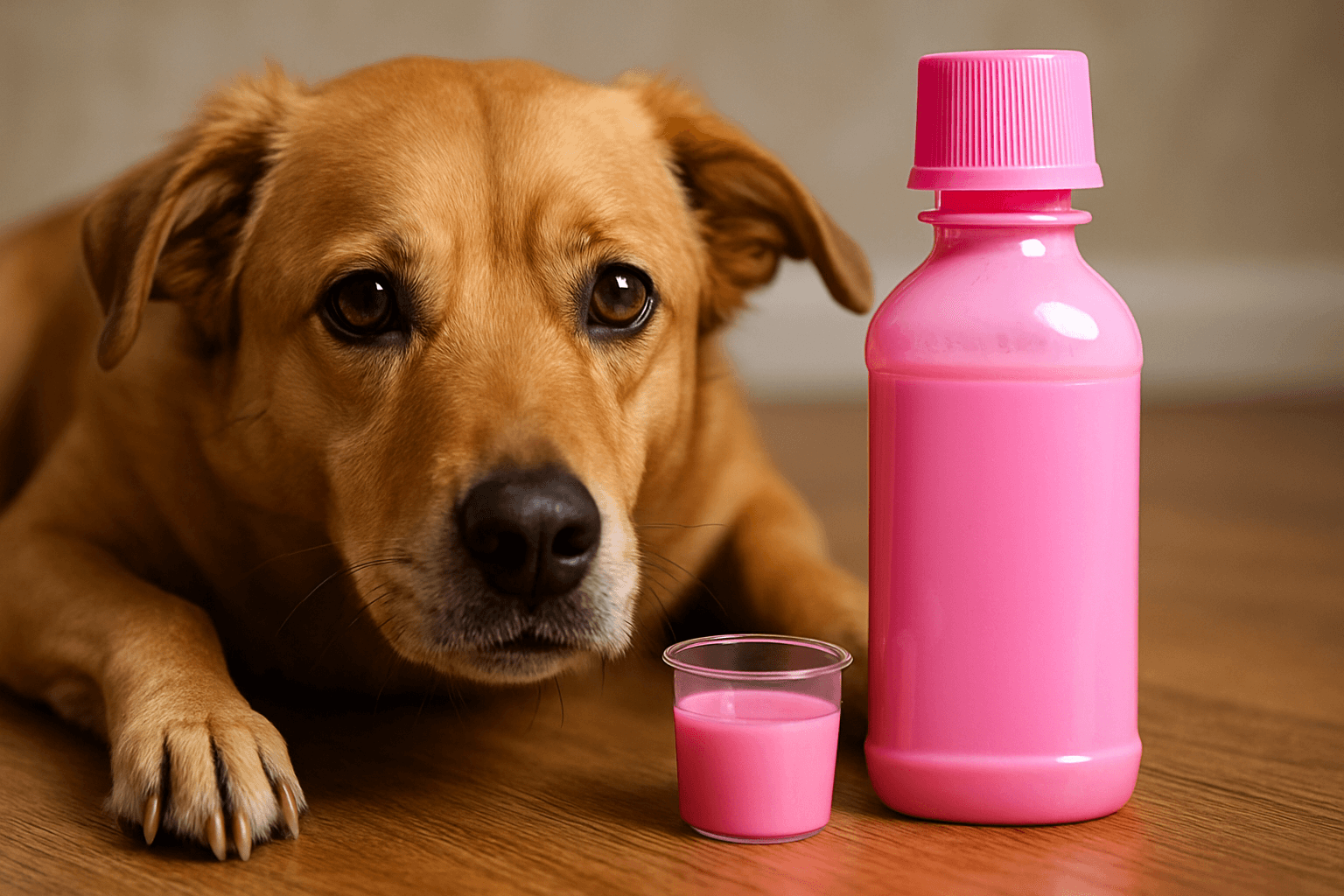

Pepto Bismol for Dogs: What Pet Owners Need to Know
If your dog is showing signs of an upset stomach, you might wonder whether Pepto Bismol is a safe option. While this over-the-counter remedy is common in human medicine, its use in dogs requires caution, proper dosing, and veterinary guidance. Understanding when—and if—it’s appropriate can make all the difference between relief and risk.
What Is Pepto Bismol and How Does It Work?
Pepto Bismol is a widely used antacid and anti-diarrheal medication for humans. Its active ingredient, bismuth subsalicylate, works by coating the stomach lining and reducing inflammation, while also exhibiting mild antibacterial effects.
Coats the digestive tract:
Bismuth subsalicylate forms a protective layer over irritated stomach and intestinal tissue, offering temporary relief from nausea and discomfort.Reduces inflammation:
It helps calm mild gastrointestinal irritation that may cause vomiting or loose stools.Antibacterial properties:
Pepto Bismol can slightly suppress certain bacteria, including E. coli, which are sometimes responsible for traveler’s diarrhea in humans.Slows gut motility:
By gently slowing intestinal movement, it may help firm up loose stools in mild cases of diarrhea.Not a cure-all:
It treats symptoms, not underlying causes—so it should never replace veterinary evaluation for persistent or severe issues.
While these mechanisms can seem beneficial, they don’t automatically translate to safety in dogs. Species-specific metabolism means what’s soothing for humans can be risky for pets.
Is Pepto Bismol Safe for Dogs? Key Considerations
Veterinarians occasionally approve Pepto Bismol for short-term, mild digestive upset—but only under specific conditions and with precise dosing.
Salicylate sensitivity:
Dogs metabolize salicylates (related to aspirin) differently than humans, and overdose can lead to toxicity, especially in small or sensitive breeds.Not for all dogs:
Puppies, senior dogs, and those with bleeding disorders, kidney disease, or on NSAIDs (like carprofen) should never receive Pepto Bismol.Temporary use only:
It should never be used for more than 1–2 doses without veterinary approval, as prolonged use increases risk of side effects.Masking serious conditions:
Using Pepto Bismol without diagnosis can delay treatment for dangerous issues like pancreatitis, parasites, or intestinal blockages.Formulation matters:
Only the original liquid Pepto Bismol (bismuth subsalicylate) should be considered—never formulations with added xylitol, which is deadly to dogs.
Always consult your veterinarian before giving any human medication to your dog, even if it seems harmless.
Check this guide 👉Apoquel for Dogs: Best 7 Expert Tips!
Check this guide 👉Is Aloe Vera Safe for Dogs? Best 7 Expert Tips!
Check this guide 👉Acepromazine for Dogs: Best 7 Expert Tips!
| When Pepto Bismol May Be Considered | When to Avoid It Completely |
|---|---|
| Mild, acute diarrhea with no other symptoms | Vomiting, lethargy, or blood in stool |
| Temporary upset after dietary indiscretion | Puppies under 6 months old |
| Vet-approved short-term use | Dogs on anti-inflammatory or steroid medications |
| Healthy adult dog with no preexisting conditions | Any sign of dehydration or abdominal pain |
| As a bridge to veterinary care (with guidance) | If xylitol or other toxic ingredients are present |
Proper Dosage Guidelines for Dogs
If your vet approves Pepto Bismol, dosing must be precise. The general guideline is 1 teaspoon per 10 pounds of body weight, given every 6–8 hours—but never exceed 2–3 doses total.
Use a syringe or dropper:
Measure accurately and administer slowly into the side of the mouth to avoid choking.Dilute if needed:
Some dogs resist the taste; mixing with a small amount of water may help, but never add other substances.Stick to liquid form:
Chewable tablets often contain higher concentrations or unsafe additives—avoid unless specifically directed by a vet.Monitor closely:
Watch for dark stools (a common side effect due to bismuth) or signs of worsening symptoms like vomiting or weakness.Stop immediately if issues arise:
Any adverse reaction—tremors, difficulty breathing, or collapse—requires urgent veterinary attention.
Never guess the dose. A well-meaning overdose can lead to gastrointestinal bleeding or salicylate toxicity.
Safer Alternatives to Pepto Bismol
In many cases, natural or vet-formulated options provide safer relief for canine digestive upset.
Fasting (short-term):
Withholding food for 12–24 hours (but not water) lets the gut rest—ideal for mild vomiting or diarrhea.Bland diet:
Boiled chicken and white rice or plain pumpkin puree can soothe the digestive tract and firm stools.Probiotics:
Veterinary-specific probiotics help restore healthy gut flora and improve digestion.Prescription anti-diarrheals:
Medications like metronidazole or kaolin-pectin are safer and more effective for dogs when medically indicated.Hydration support:
Offer small amounts of water frequently or use electrolyte solutions formulated for pets to prevent dehydration.
These alternatives address the root cause more effectively and with fewer risks than human medications.
Signs Your Dog Needs Immediate Veterinary Care
Not all stomach issues are minor. Some require urgent intervention to prevent life-threatening complications.
Persistent vomiting:
More than 2–3 episodes in 24 hours, especially if bile or blood is present.Bloody or black, tarry stool:
Indicates gastrointestinal bleeding that needs immediate diagnosis.Lethargy or collapse:
A dog that won’t move, seems weak, or is unresponsive is in distress.Abdominal distension or pain:
Whining, restlessness, or a bloated belly could signal bloat or obstruction.Ingestion of toxins or foreign objects:
If your dog ate something dangerous, Pepto Bismol won’t help—and may worsen the situation.
When in doubt, err on the side of caution. Early veterinary care saves lives.
Common Myths About Pepto Bismol for Dogs
Misinformation can lead well-intentioned owners astray. Let’s clear up the most persistent myths.
Myth: “It’s just stomach medicine—it can’t hurt.”
Reality: Even common drugs can be toxic in dogs due to metabolic differences.Myth: “If it works for me, it’ll work for my dog.”
Reality: Human physiology ≠ canine physiology. What’s safe for you isn’t always safe for them.Myth: “All formulations are the same.”
Reality: Some Pepto Bismol versions contain xylitol—a sweetener lethal to dogs in tiny amounts.Myth: “Dark stool means it’s working.”
Reality: While bismuth causes harmless black stool, it can mask dangerous melena (bleeding), leading to missed diagnoses.Myth: “I don’t need a vet if symptoms are mild.”
Reality: Mild symptoms can escalate quickly. Professional guidance prevents complications.
Trust science, not anecdotes. Your dog’s health depends on it.
How to Prevent Future Digestive Upset in Dogs
Proactive care reduces the need for emergency remedies like Pepto Bismol altogether.
Consistent feeding schedule:
Sudden changes in meal timing can disrupt digestion—stick to routine.High-quality, species-appropriate diet:
Avoid table scraps and ensure food meets AAFCO standards for your dog’s life stage.Secure trash and pantry access:
Many episodes of upset stomach stem from eating spoiled food or non-food items.Gradual diet transitions:
Switch foods over 7–10 days to allow the gut microbiome to adjust.Regular vet check-ups:
Annual exams can catch early signs of chronic conditions like IBD or food allergies.
Prevention is always gentler—and safer—than treatment.
Frequently Asked Questions About Pepto Bismol for Dogs
Can I give my dog Pepto Bismol for diarrhea?
Only after consulting your veterinarian. Mild, short-term use may be approved, but many causes of diarrhea require specific treatment.
How much Pepto Bismol can I give my 20-pound dog?
Generally, 2 teaspoons (10 ml) every 6–8 hours—but never exceed 2–3 doses total without veterinary approval.
What are the side effects of Pepto Bismol in dogs?
Darkened stools, constipation, or, in cases of overdose: vomiting, tremors, difficulty breathing, or bleeding disorders.
Is children’s Pepto Bismol safer for dogs?
No—children’s versions may still contain bismuth subsalicylate or unsafe additives. Always check the label and avoid anything with xylitol.
Can Pepto Bismol kill a dog?
Yes, if given in excess, to a sensitive dog, or if it contains xylitol. Salicylate toxicity can be fatal without prompt treatment.
Make Informed Choices for Your Dog’s Health
Pepto Bismol for dogs is not a simple “yes” or “no” answer—it’s a nuanced decision that demands professional input, careful dosing, and constant observation. Your dog’s digestive health is too important to gamble with human remedies. When you partner with your veterinarian and prioritize prevention, you create a safer, healthier life for your loyal companion. Trust your instincts, but always let science and expert guidance lead the way.
Understanding Cryptosporidium in Cats: Best 7 Expert Tips! – Spot symptoms, treat safely, and stop parasite spread in your home.
Understanding Cryptosporidium in Dogs: Best 7 Expert Tips! – Learn symptoms, treatment & prevention for this stubborn gut parasite.
Understanding Syringomyelia in Cats: Best 7 Expert Tips! – Recognize signs, manage pain, and support your cat’s neurological health with vet-backed guidance.
Understanding Syringomyelia in Dogs: Best 7 Expert Tips! – Expert insights on symptoms, MRI diagnosis, pain management & quality of life.


