
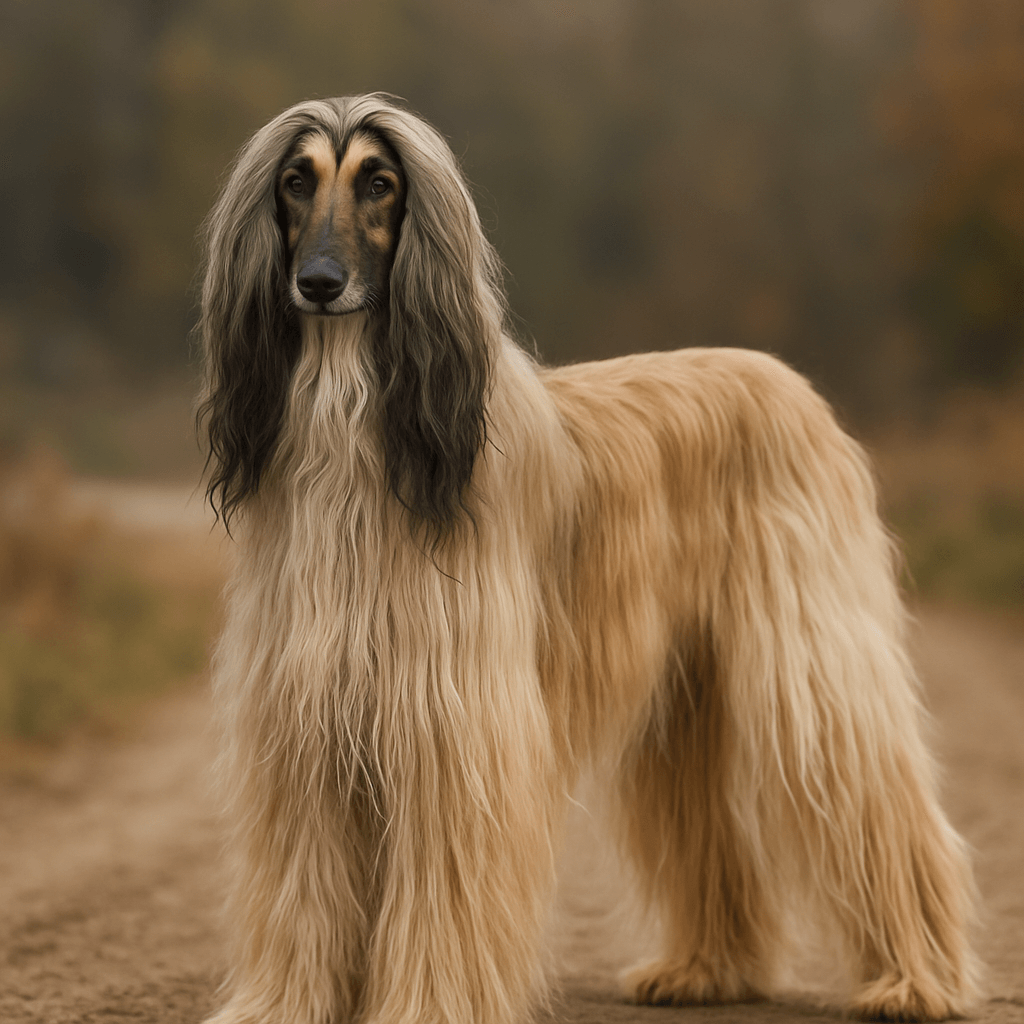

The Afghan Hound: Best 7 Expert Tips!

The Afghan Hound: Best 7 Expert Tips!

The Afghan Hound: Elegance, Independence, and Ancient Grace

With flowing locks, regal posture, and eyes full of quiet mystery, the Afghan Hound is more than a dog — it’s a living sculpture of canine history and aristocracy. Originally bred to hunt across rugged mountain terrain, this breed combines striking beauty with a fiercely independent spirit. If you’re drawn to a dog that’s as dignified as it is dramatic, the Afghan Hound may just captivate your heart.

The Ancient Origins of the Afghan Hound

Few dog breeds boast a lineage as ancient and storied as the Afghan Hound. Tracing its roots back thousands of years to the highlands of Afghanistan, this sighthound was prized by nomadic tribes and royal hunters alike for its speed, endurance, and keen sight.

 
  • Royal Companionship:
    Afghan Hounds were treasured by Afghan nobility and often kept as status symbols in royal courts across Central Asia.

     
  • Mountain Hunters:
    Bred to chase down gazelles, hares, and even leopards across rocky, high-altitude terrain, their agility and resilience are unmatched.

     
  • Isolated Breeding:
    Geographic isolation in the Hindu Kush mountains preserved the breed’s purity and distinct physical traits for centuries.

     
  • Western Introduction:
    British officers in the 19th century brought Afghan Hounds to Europe, where their exotic appearance sparked fascination among dog enthusiasts.

     
  • AKC Recognition:
    The breed was officially recognized by the American Kennel Club in 1926, cementing its place in Western dog culture.


Today’s Afghan Hound carries that legacy in every stride — a blend of ancient utility and modern elegance that few breeds can rival.

The Afghan Hound: Best 7 Expert Tips!

Distinctive Physical Traits That Define the Breed

The Afghan Hound’s appearance is instantly recognizable: long, silky hair, a topknot, and a tail that curls elegantly at the end. But beyond beauty, every feature serves a purpose shaped by survival in harsh climates.

 
  • Luxurious Coat:
    Their long, fine coat protected them from freezing mountain winds and intense desert sun alike — though it now requires dedicated grooming.

     
  • Sighthound Build:
    Tall, slender, and muscular, Afghan Hounds are built for explosive speed and endurance over rough terrain.

     
  • Distinctive Head Shape:
    A long muzzle and prominent eyes give them exceptional peripheral vision, essential for spotting prey in open landscapes.

     
  • Curled Tail:
    The tail’s unique curl helps with balance during high-speed chases and sharp turns.

     
  • Proud Carriage:
    Their head is held high with an air of aloofness — not arrogance, but the confidence of a seasoned hunter.


While their looks may seem delicate, this is a rugged, athletic dog forged by nature and necessity.

Afghan Hound Strengths Owner Considerations
Stunning, unique appearance High-maintenance grooming needs
Independent and self-assured Can be stubborn in training
Excellent runner and athlete Requires secure fencing and leash walks
Gentle with family Reserved with strangers
Low barking tendency High prey drive — not ideal for small pets

Temperament: Aloof Yet Affectionate

Don’t mistake the Afghan Hound’s dignified demeanor for coldness. While they may not fawn over guests like a Labrador, they form deep, loyal bonds with their chosen people.

 
  • Selective Affection:
    Afghan Hounds are often “one-person” dogs, showing quiet devotion to their primary caregiver while remaining politely distant with others.

     
  • Independent Thinkers:
    Bred to make split-second decisions while hunting, they’re not eager to obey repetitive commands — consistency and patience are key.

     
  • Calm Indoors:
    Despite their energy outdoors, they’re typically serene and graceful inside the home, often found lounging like a feline.

     
  • Sensitive Nature:
    Harsh corrections or loud voices can shut them down; positive reinforcement and gentle guidance work best.

     
  • Playful in Private:
    They may surprise you with bursts of silliness — zoomies, toy tossing, or leaping — but usually only when comfortable.


Understanding their temperament helps set realistic expectations and fosters mutual respect.

Grooming: The Price of Perfection

That iconic coat is breathtaking — but it comes with a serious commitment. Without regular care, the Afghan Hound’s fur mats quickly, leading to discomfort and skin issues.

 
  • Daily Brushing:
    A full brush-through is essential to prevent tangles and remove debris caught during walks.

     
  • Professional Grooming:
    Most owners schedule professional grooming every 4–6 weeks to maintain coat health and manage shedding.

     
  • Bathing Routine:
    Weekly or biweekly baths are often necessary to keep the coat clean and silky — use moisturizing shampoos to avoid dryness.

     
  • Ear and Nail Care:
    Long hair around the ears traps moisture, increasing infection risk; nails should be trimmed regularly to avoid overgrowth.

     
  • Puppy Coat vs. Adult Coat:
    Puppies have shorter, wavier fur that transitions to the full adult coat around 12–18 months — grooming intensity increases dramatically.


Think of grooming not as a chore, but as bonding time — many Afghan Hounds learn to enjoy the ritual when handled gently from a young age.

Exercise Needs: Speed and Space

Despite their graceful demeanor, Afghan Hounds are sprinters at heart. They need regular opportunities to run — and not just on a leash.

 
  • Daily High-Energy Outlets:
    A fenced yard or dog park visit allows them to stretch their legs and satisfy their sighthound instincts.

     
  • Leash Caution:
    Their prey drive is intense — if they spot a squirrel or bird, they’ll bolt without warning. Always use a secure harness.

     
  • Mental Stimulation:
    While not eager for obedience drills, they enjoy scent games, lure coursing, or free-style running in safe spaces.

     
  • Not Apartment-Friendly:
    Without access to open, secure space, they can become frustrated or destructive.

     
  • Cool Weather Preference:
    Their thick coat makes them prone to overheating; avoid intense exercise in hot or humid conditions.


An Afghan Hound thrives when given freedom to move — but only in a setting where safety is guaranteed.


Training Challenges and Solutions

Training an Afghan Hound requires a shift in mindset: you’re not commanding a soldier, you’re negotiating with an artist.

 
  • Low Food Motivation:
    Many are picky eaters and won’t work hard for treats alone; try high-value rewards like chicken or interactive play.

     
  • Boredom Sets In Fast:
    Keep sessions short (5–10 minutes) and varied to maintain interest.

     
  • Recall Difficulties:
    Due to their strong chase instinct, reliable off-leash recall is rare — focus on secure environments instead.

     
  • Positive Reinforcement Only:
    They shut down under pressure; reward desired behavior immediately and ignore mistakes calmly.

     
  • Early Socialization Is Key:
    Expose them to people, sounds, and environments early to prevent shyness or reactivity.


Success with this breed isn’t measured in obedience titles — it’s in mutual trust and graceful coexistence.

Afghan Hound Health and Lifespan

Generally healthy, Afghan Hounds have a lifespan of 12–14 years, but they’re prone to a few breed-specific conditions.

 
  • Hip Dysplasia:
    Though less common than in some large breeds, it can occur — responsible breeders screen for it.

     
  • Hypothyroidism:
    Symptoms include lethargy, weight gain, and coat dullness; manageable with medication.

     
  • Sensitivity to Anesthesia:
    Their low body fat affects drug metabolism — always inform your vet of their breed before procedures.

     
  • Cataracts and PRA:
    Eye conditions can develop with age; annual veterinary eye exams are recommended.

     
  • Bloat (GDV):
    Like deep-chested dogs, they’re at risk for gastric torsion — feed smaller meals and avoid vigorous exercise after eating.


Regular vet check-ups, a quality diet, and attentive care help ensure a long, vibrant life.


Frequently Asked Questions About Afghan Hounds

Are Afghan Hounds good with children?

They can be, especially with older, respectful kids. However, their sensitivity and independence mean they’re not ideal for very rowdy households.

Surprisingly, they shed less than many short-haired breeds — but their long hair mats easily, so loose fur must be brushed out daily.

Only if they get ample off-leash running in secure areas. Without it, they become frustrated and may develop behavioral issues.

No dog is truly hypoallergenic, but their low shedding may make them tolerable for some allergy sufferers — though their dander and saliva can still trigger reactions.

Reputable breeders invest in health testing, ethical care, and preserving the breed standard, which drives up cost. Expect to pay $1,500–$3,000 or more.

A Noble Companion for the Right Home

The Afghan Hound isn’t for everyone — but for those who appreciate quiet dignity, breathtaking beauty, and a touch of ancient mystery, they are unmatched. This is not a dog that seeks constant validation; they offer companionship on their own terms, with grace and depth. If you’re willing to honor their independence, commit to their grooming, and provide safe space to run, you’ll earn the loyalty of a true aristocrat. In a world of noise and haste, the Afghan Hound moves like poetry — and that’s a gift worth preserving.

Is Rawhide Bad for Cats? Best 7 Expert Tips!

Is Rawhide Bad for Cats? Best 7 Expert Tips! – Discover the risks, safe alternatives, and expert advice to keep your feline friend healthy and happy.

Is Rawhide Bad for Dogs? Best 7 Expert Tips!

Is Rawhide Bad for Dogs? Best 7 Expert Tips! – Discover the risks, benefits, and safer alternatives to rawhides for your dog’s chewing needs.

Understanding Anorexia in Cats: Best 7 Expert Tips!

Understanding Anorexia in Cats: Best 7 Expert Tips! – Learn why cats stop eating, spot warning signs, and discover how to help your feline regain appetite safely.

Understanding Anorexia in Dogs: Best 7 Expert Tips!

Understanding Anorexia in Dogs: Best 7 Expert Tips! – Learn causes, symptoms, and solutions to help your dog regain appetite and stay healthy.

Leave a Reply

Your email address will not be published. Required fields are marked *