

What Is a Pheromone Diffuser for Dogs? Best 7 Expert Tips!

What Is a Pheromone Diffuser for Dogs? Best 7 Expert Tips!

What Is a Pheromone Diffuser for Dogs? A Calming Solution Backed by Science

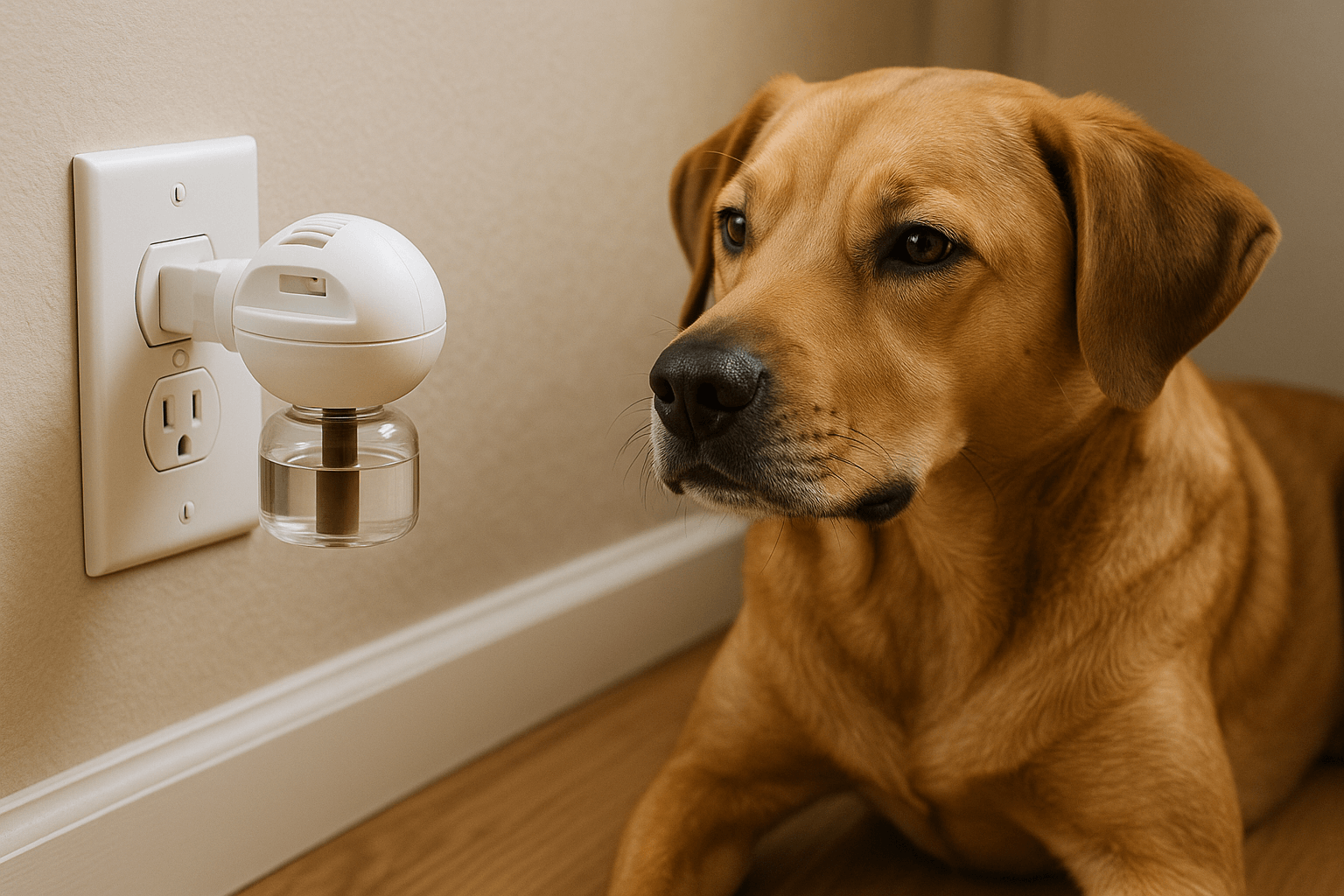
If your dog struggles with anxiety, stress, or fear—whether from thunderstorms, visitors, or separation—a pheromone diffuser for dogs might be the gentle, vet-recommended tool you’ve been missing. Designed to mimic natural canine calming signals, these diffusers release synthetic pheromones that help soothe your dog’s nervous system without sedation or medication. Safe, odorless, and easy to use, they offer a quiet yet powerful way to create a sense of security in your home.

How Pheromone Diffusers Work: Mimicking Nature’s Comfort Signals

Pheromone diffusers for dogs are based on decades of ethological research into canine communication. From the moment puppies are born, they’re exposed to a specific calming pheromone released by their mother—known as Dog- Appeasing Pheromone (DAP). This chemical signal tells them, “You’re safe.” Modern diffusers replicate this same pheromone to recreate that feeling of safety in adult dogs during stressful situations.

 
  • Biological Basis:
    The diffuser emits synthetic DAP, which binds to receptors in your dog’s vomeronasal organ, triggering a subconscious sense of calm.

     
  • Non-Sedative Effect:
    Unlike medications, pheromone diffusers don’t alter your dog’s personality or energy—they simply reduce emotional reactivity.

     
  • Continuous Coverage:
    Once plugged in, the diffuser works 24/7, saturating a room (typically up to 700 sq ft) with calming molecules for up to 30 days.

     
  • Odorless and Silent:
    Humans can’t smell or hear it, making it unobtrusive for both pets and people.

     
  • Vet-Approved Safety:
    Widely recommended by veterinarians and behaviorists as a first-line, non-invasive intervention for mild to moderate anxiety.


Understanding this science helps you see pheromone diffusers not as a “quick fix,” but as a biological support tool that works with your dog’s instincts—not against them.

What Is a Pheromone Diffuser for Dogs? Best 7 Expert Tips!

Common Triggers That Benefit from a Pheromone Diffuser for Dogs

Not all stress looks the same. Dogs may react to environmental changes, social pressures, or internal fears in subtle or dramatic ways. A pheromone diffuser can help across a surprisingly wide range of scenarios.

 
  • Separation Anxiety:
    Dogs left alone may whine, pace, or destructively chew—signs that a diffuser near their resting area can significantly reduce.

     
  • Thunderstorms and Fireworks:
    Loud noises trigger primal fear responses; pheromones help dampen the panic loop before it escalates.

     
  • New Environments:
    Moving to a new home or staying at a vet clinic can overwhelm dogs—diffusers create a “familiar” emotional backdrop.

     
  • Visitors or Strangers:
    Shy or reactive dogs often feel threatened by unfamiliar people; calming pheromones lower defensiveness.

     
  • Training or Behavior Modification:
    During desensitization exercises, a relaxed state allows your dog to learn more effectively.


While not a cure-all, a pheromone diffuser creates the emotional space your dog needs to cope—and potentially heal—over time.

When to Use a Diffuser Expected Benefits
During thunderstorms or fireworks Reduced trembling, hiding, or vocalizing
When introducing a new pet or baby Smoother social adjustment and less guarding behavior
For crate training or kennel stays Increased willingness to enter and stay calm
During vet visits or grooming Lower heart rate and reduced resistance
After adoption or rehoming Faster acclimation and reduced stress-related behaviors

Choosing the Right Pheromone Diffuser for Your Dog

Not all diffusers are created equal. Effectiveness depends on formulation, coverage, and your dog’s specific needs.

 
  • Brand Matters:
    Stick to clinically tested brands like Adaptil (the most widely studied DAP product) for reliable results.

     
  • Room Size Compatibility:
    Standard diffusers cover ~500–700 sq ft; larger homes may need multiple units or a spray/tick option for targeted use.

     
  • Refill Timing:
    Most diffusers last 30 days—mark your calendar to replace the refill on time, or efficacy drops sharply.

     
  • Placement Strategy:
    Plug it in the room where your dog spends most of their time, away from open windows or vents that dilute dispersion.

     
  • Avoid Overuse:
    Don’t run diffusers in every room—focus on key zones to maintain environmental consistency.


A thoughtful setup maximizes impact. Think of it like setting the emotional thermostat for your dog’s safe space.

What to Expect: Timeline and Realistic Outcomes

Pheromone diffusers aren’t magic—but with consistent use, many owners report noticeable changes within days.

 
  • Days 1–3:
    Subtle shifts—your dog may sleep more soundly or seem less “on edge” during quiet moments.

     
  • Days 4–10:
    Clearer improvements—less barking at delivery people, quicker recovery after a loud noise, or reduced pacing.

     
  • Weeks 2–4:
    Behavioral changes become consistent, especially when paired with training or environmental management.

     
  • Individual Variation:
    Some dogs respond dramatically; others show mild improvement. Genetics, age, and trauma history play a role.

     
  • Not a Standalone Fix:
    For severe anxiety, combine with behavior modification or veterinary guidance—pheromones are a support tool, not a cure.


Patience is key. Like building trust, calming the nervous system takes time and repetition.

Common Mistakes to Avoid When Using a Pheromone Diffuser

Even well-intentioned owners can undermine effectiveness with simple oversights.

 
  • Plugging It in the Wrong Room:
    If your dog hides in the basement during storms but the diffuser is in the living room, it won’t help.

     
  • Expecting Instant Results:
    Pheromones build up in the environment; give it at least 24–48 hours before judging effectiveness.

     
  • Using Expired or Old Refills:
    Pheromone potency degrades over time—never use refills past their expiration date.

     
  • Ignoring Underlying Medical Issues:
    Pain, thyroid imbalances, or cognitive decline can mimic anxiety—rule these out first with your vet.

     
  • Combining with Strong Scents:
    Air fresheners, essential oils, or heavy cleaners can interfere with pheromone detection—avoid using them nearby.


Avoiding these pitfalls ensures you get the full benefit of this gentle technology.

Enhancing Effectiveness: Pairing Diffusers with Other Calming Tools

For best results, integrate pheromone diffusers into a holistic calm-down toolkit.

 
  • White Noise or Calming Music:
    Masks sudden sounds and complements the diffuser’s emotional buffer.

     
  • Consistent Routines:
    Predictable feeding, walks, and bedtime reduce overall stress load, making pheromones more effective.

     
  • Interactive Toys or Puzzle Feeders:
    Mental engagement lowers baseline anxiety, especially during alone time.

     
  • Positive Reinforcement Training:
    Reward calm behavior—pheromones make your dog more receptive to learning.

     
  • Thundershirts or Anxiety Wraps:
    The gentle pressure can work synergistically with pheromones during high-stress events.


Think of the diffuser as the foundation—and these tools as the supportive walls of your dog’s emotional sanctuary.


When a Pheromone Diffuser Isn’t Enough: Knowing the Limits

While pheromone diffusers are highly effective for mild to moderate anxiety, they aren’t a universal solution. Some dogs experience deep-seated fears or clinical anxiety that require a more comprehensive approach.

 
  • Severe Separation Anxiety:
    If your dog self-injures, vomits, or destroys walls when left alone, a diffuser alone won’t resolve the issue—behavioral therapy is essential.

     
  • Trauma-Based Fear:
    Dogs with past abuse or neglect may need professional desensitization protocols alongside pheromone support.

     
  • Medical Anxiety Mimics:
    Conditions like hypothyroidism or chronic pain can manifest as restlessness—always rule out health issues first.

     
  • Genetic Predispositions:
    Breeds like Border Collies or German Shepherds may have heightened reactivity that demands tailored training plans.

     
  • Lack of Environmental Enrichment:
    Even the best diffuser won’t compensate for boredom, isolation, or lack of physical/mental stimulation.


Recognizing when to seek veterinary or behavioral help ensures your dog gets the full spectrum of care they truly need.

“Dog-appeasing pheromone (DAP) originates from the intermammary sebaceous glands of lactating bitches shortly after whelping, and its function is to calm and reassure (appease) the offspring.”

Frequently Asked Questions About Pheromone Diffusers for Dogs

How long does it take for a pheromone diffuser to work?

Most dogs show subtle improvements within 24–72 hours, but full effects may take 2–4 weeks of continuous use.

Yes. Dog-appeasing pheromone (DAP) is species-specific and has no effect on cats or humans.

Absolutely. They’re often used during socialization periods (8–16 weeks) to promote confidence and reduce fear.

Not universally. Studies show ~70–80% of dogs respond positively, especially to situational stressors. Severe cases may need additional support.

Yes—and it’s often recommended! The diffuser creates a calm home base, while the collar provides on-the-go support during outings.

A Calmer Home Starts with Understanding

A pheromone diffuser for dogs isn’t about masking behavior—it’s about meeting your dog’s emotional needs with science-backed compassion. By recreating the invisible signal of safety they knew as puppies, you give them permission to relax in a world that often feels overwhelming. Combined with patience, consistency, and love, this small plug-in device can make a profound difference. Because when your dog feels safe, your entire home breathes easier.

 
Is Rawhide Bad for Cats? Best 7 Expert Tips!

Is Rawhide Bad for Cats? Best 7 Expert Tips! – Discover the risks, safe alternatives, and expert advice to keep your feline friend healthy and happy.

Is Rawhide Bad for Dogs? Best 7 Expert Tips!

Is Rawhide Bad for Dogs? Best 7 Expert Tips! – Discover the risks, benefits, and safer alternatives to rawhides for your dog’s chewing needs.

Understanding Anorexia in Cats: Best 7 Expert Tips!

Understanding Anorexia in Cats: Best 7 Expert Tips! – Learn why cats stop eating, spot warning signs, and discover how to help your feline regain appetite safely.

Understanding Anorexia in Dogs: Best 7 Expert Tips!

Understanding Anorexia in Dogs: Best 7 Expert Tips! – Learn causes, symptoms, and solutions to help your dog regain appetite and stay healthy.

Leave a Reply

Your email address will not be published. Required fields are marked *