
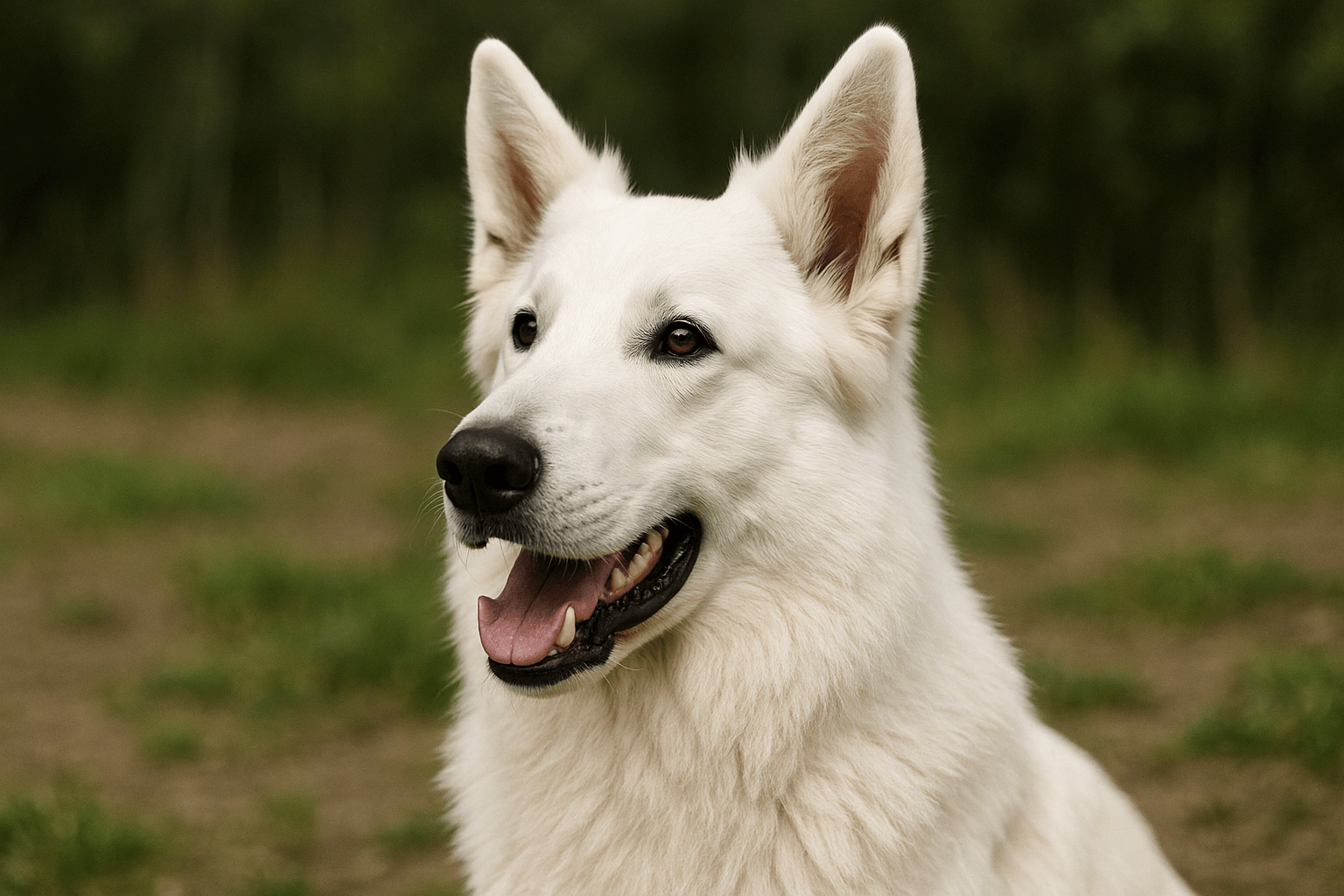
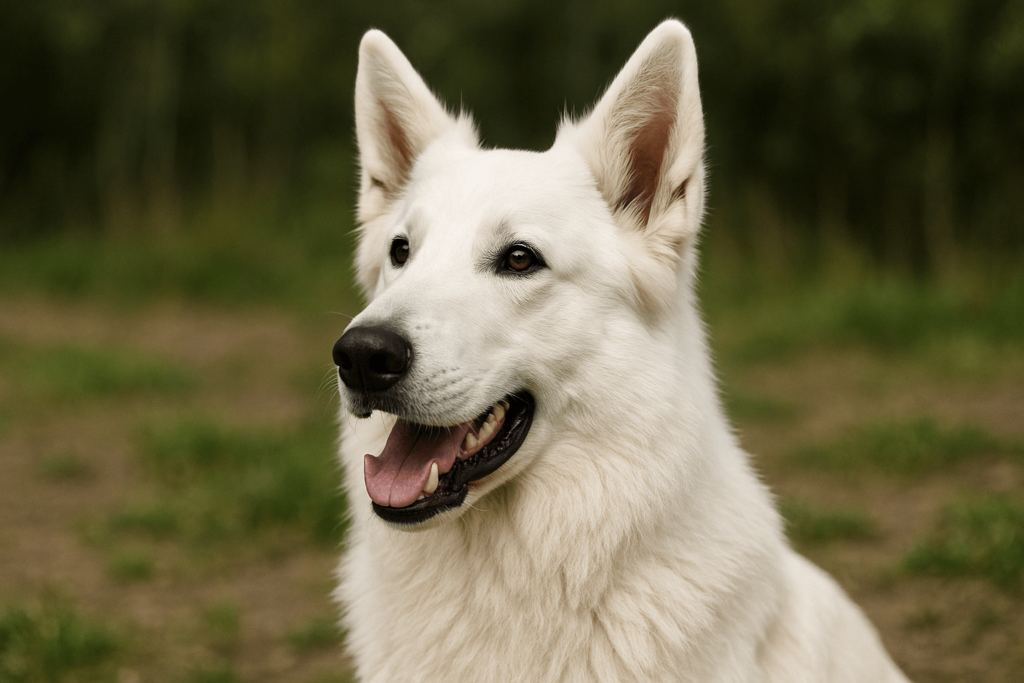

What Is a White Swiss Shepherd Dog?
The White Swiss Shepherd Dog—elegant, intelligent, and devoted—is a rare gem among herding breeds. Known for its striking pure-white coat and gentle demeanor, this breed combines beauty with brains, loyalty with sensitivity. Often mistaken for its cousin the German Shepherd, the White Swiss Shepherd stands apart not just in color but in temperament and history. If you’re drawn to a dog that’s both majestic and deeply affectionate, this breed may be your perfect companion.
Origins and History of the White Swiss Shepherd
The White Swiss Shepherd Dog, also known as the Berger Blanc Suisse, traces its roots to early 20th-century Europe. Despite sharing ancestry with the German Shepherd, it was deliberately bred for its snowy coat and calmer disposition.
Early Recognition in Switzerland:
Though originally excluded from German Shepherd breeding programs due to coat color, white-coated individuals found a home in Switzerland, where enthusiasts began preserving the lineage in the 1970s.Official Breed Status:
The FCI (Fédération Cynologique Internationale) granted the breed full recognition in 2011, cementing its identity as distinct from the German Shepherd.Global Expansion:
From Swiss farms to homes across North America and Europe, the breed has grown steadily in popularity among families seeking a non-aggressive herding dog.Name Variations:
Known as “Berger Blanc Suisse” in Europe and “White Swiss Shepherd” in English-speaking countries, it’s also sometimes called the White Shepherd.Breed Preservation Efforts:
Dedicated clubs worldwide focus on maintaining genetic diversity and temperament standards, ensuring the breed’s health and character remain intact.
Though relatively new as a formal breed, the White Swiss Shepherd carries a legacy of resilience and devotion. Its journey from outcast to cherished companion reflects the power of dedicated stewardship.
Distinctive Physical Characteristics
Graceful and athletic, the White Swiss Shepherd turns heads wherever it goes—but its beauty goes far beyond aesthetics.
Pure White Double Coat:
The breed’s dense, weather-resistant coat is always snow-white, ranging from medium to long in length, with a soft undercoat that provides insulation.Almond-Shaped Dark Eyes:
Expressive, intelligent eyes convey warmth and alertness, always in harmony with the dog’s gentle expression.Erect, Pointed Ears:
Naturally upright ears give the dog an attentive, noble look, enhancing its keen awareness of surroundings.Balanced, Muscular Build:
Medium to large in size (50–65 lbs), it has a well-proportioned frame built for agility and endurance, not bulk.Plumed Tail Carried Low or Curved:
The tail flows gracefully, often bushy, and is carried in a relaxed curve when the dog is at ease.
Every physical trait serves a purpose, reflecting the breed’s heritage as a working dog that needed both stamina and sensitivity to thrive alongside humans.
Check this guide 👉Shetland Shepherd Dog: Best 7 Expert Tips!
Check this guide 👉Caucasian Shepherd Size: Best 7 Expert Tips!
Check this guide 👉The Anatolian Shepherd Dog: Best 7 Expert Tips!
| Temperament Traits | Care Considerations |
|---|---|
| Gentle and affectionate with family | Daily brushing required, especially during seasonal shedding |
| Reserved but not aggressive with strangers | Needs early and consistent socialization |
| Highly intelligent and eager to please | Requires mental stimulation to prevent boredom |
| Forms deep bonds with owners | Prone to separation anxiety if left alone too long |
| Excellent with children and other pets | Moderate exercise needs: 60–90 minutes daily |
Temperament and Personality Traits
Beneath the White Swiss Shepherd’s regal appearance lies a soulful, sensitive companion whose loyalty is matched only by its intelligence.
Deeply Affectionate:
This breed thrives on human interaction and often follows family members from room to room, seeking inclusion in daily life.Naturally Calm and Composed:
Unlike high-drive herding dogs, the White Swiss Shepherd is serene and thoughtful, making it ideal for quieter households.Highly Trainable:
Its eagerness to please and quick learning ability make it excel in obedience, therapy work, and even agility—when motivated positively.Non-Aggressive by Nature:
While alert and watchful, it lacks the guarding instincts of its German Shepherd relative, preferring friendliness over suspicion.Emotionally Sensitive:
Harsh tones or punishment-based training can deeply unsettle this breed; positive reinforcement is essential.
In short, the White Swiss Shepherd doesn’t just live with you—it connects with you. Its emotional intelligence makes it less of a pet and more of a true family member.
Ideal Living Environments
Despite its size, the White Swiss Shepherd adapts well to various settings—as long as its emotional and physical needs are met.
Homes with Yards Preferred:
Access to a secure outdoor space allows for natural movement and mental refreshment, though it’s not strictly necessary.Apartment Living Possible:
With sufficient daily exercise and mental engagement, this breed can thrive in urban apartments—provided it’s not left alone for long hours.Climate Considerations:
Its thick double coat insulates well in cold climates but requires shade and hydration in hot weather.Not Suited for Isolation:
This dog suffers emotionally when ignored or kenneled for extended periods; it needs to be part of the household.Family-Oriented Households Ideal:
Whether with children, seniors, or other pets, it shines in environments where companionship is abundant.
Above all, the White Swiss Shepherd needs love—not just shelter. A home that offers presence, patience, and partnership will be rewarded tenfold.
Grooming and Health Needs
Maintaining the White Swiss Shepherd’s radiant coat and overall well-being requires consistency—but the effort is worth it.
Daily Brushing During Shedding Seasons:
Twice-yearly “blowouts” demand frequent grooming to manage loose undercoat and prevent matting.Bath Only When Necessary:
Over-bathing strips natural oils; use gentle, dog-specific shampoos to preserve coat health and brightness.Ear and Dental Hygiene:
Weekly ear checks and regular tooth brushing help prevent infections and periodontal disease.Common Genetic Conditions:
Like many purebreds, it can be prone to hip dysplasia, elbow dysplasia, and certain eye disorders—responsible breeding reduces risks.Long Lifespan with Proper Care:
With good nutrition, preventive vet care, and emotional support, many live 12–14 healthy years.
Grooming isn’t just about looks—it’s bonding time. Many owners find the brushing routine a peaceful ritual that deepens their connection.
Training Tips for First-Time Owners
Training a White Swiss Shepherd is a joy—but it requires empathy, clarity, and consistency.
Start Socialization Early:
Expose your puppy to varied people, sounds, and environments before 16 weeks to build confidence.Use Positive Reinforcement Only:
Rewards, praise, and play work far better than correction; this breed shuts down under pressure.Keep Sessions Short and Fun:
10–15 minute sessions with clear goals prevent mental fatigue and maintain enthusiasm.Teach Impulse Control Early:
Practice “wait,” “leave-it,” and “settle” to manage excitement around guests or during walks.Involve Them in Purposeful Activities:
Canine sports, scent games, or therapy dog training give this intelligent breed a sense of mission.
Remember: this breed doesn’t obey out of fear—it cooperates out of trust. Build that trust, and you’ll have a willing partner for life.
Common Misconceptions About the Breed
Despite growing awareness, myths about the White Swiss Shepherd persist—and can lead to poor matches.
Myth: It’s Just a White German Shepherd
Fact: While related, it’s a separate breed with a gentler temperament, different movement, and distinct breeding standards.Myth: It’s Low-Maintenance Because It’s Calm
Fact: Calm doesn’t mean low-need—it still requires daily engagement, grooming, and emotional presence.Myth: It’s Hypoallergenic Due to Its White Coat
Fact: No dog is truly hypoallergenic, and this breed sheds heavily—especially in spring and fall.Myth: It Makes a Good Guard Dog
Fact: It’s alert but not protective; it’ll notify you of visitors but won’t deter intruders.Myth: It’s Rare, So It’s Always Healthy
Fact: Small gene pools increase risk of inherited issues—always choose ethical, health-tested breeders.
Dispelling these myths helps ensure the breed goes to the right homes—ones ready for its true nature, not a fantasy.
“The White Swiss Shepherd is a lively, alert and intelligent dog. They are inclined to be friendlier to strangers than their German Shepherd relatives.” — Purina UK Veterinary Team
Frequently Asked Questions About the White Swiss Shepherd Dog
Is the White Swiss Shepherd the same as a White German Shepherd?
While related, they are separate breeds. The White Swiss Shepherd is recognized as distinct by the FCI and has a calmer, more sensitive temperament.
How much exercise does a White Swiss Shepherd need?
About 60–90 minutes of combined physical and mental exercise daily—walks, play, training, or puzzle toys.
Are they good with children?
Yes! Their gentle, patient nature makes them excellent companions for respectful children, especially when socialized early.
Do they bark a lot?
They’re relatively quiet but will alert you to unusual activity. Excessive barking usually signals boredom or anxiety.
Where can I find a reputable breeder?
Look for breeders affiliated with national White Swiss Shepherd or Berger Blanc clubs who perform health testing and prioritize temperament.
A Companion Worthy of Your Heart
The White Swiss Shepherd Dog isn’t just beautiful—it’s a soulful, intuitive partner who asks for little and gives everything. With its snowy grace and tender loyalty, it reminds us that the best companions aren’t the loudest or flashiest, but the ones who walk beside us with quiet devotion. If you’re ready to offer patience, presence, and a lifetime of love, this extraordinary breed will reward you with unwavering trust and gentle joy. Choose wisely, care deeply, and you’ll discover why so many call the White Swiss Shepherd not just a dog—but a gift.
Is Rawhide Bad for Cats? Best 7 Expert Tips! – Discover the risks, safe alternatives, and expert advice to keep your feline friend healthy and happy.

Is Rawhide Bad for Dogs? Best 7 Expert Tips! – Discover the risks, benefits, and safer alternatives to rawhides for your dog’s chewing needs.

Understanding Anorexia in Cats: Best 7 Expert Tips! – Learn why cats stop eating, spot warning signs, and discover how to help your feline regain appetite safely.

Understanding Anorexia in Dogs: Best 7 Expert Tips! – Learn causes, symptoms, and solutions to help your dog regain appetite and stay healthy.