

Understanding Hydrocephalus in Kittens: A Compassionate Guide for Cat Owners
Hydrocephalus in kittens is a rare but serious neurological condition that affects brain development and fluid balance. While it can be alarming for pet parents, early recognition and veterinary support can significantly improve quality of life. This guide offers expert insights into symptoms, causes, diagnosis, and care strategies—all grounded in compassion and science.
What Is Hydrocephalus in Kittens?
Hydrocephalus, often called “water on the brain,” occurs when cerebrospinal fluid (CSF) builds up abnormally within the skull, putting pressure on the brain. In kittens, this condition is usually congenital—present at birth—and more common in breeds with domed heads or flat faces.
Congenital Origin:
Most cases stem from developmental issues during pregnancy, often linked to genetics or prenatal infections.Abnormal Skull Shape:
Affected kittens may have a noticeably rounded or domed forehead due to fluid expansion.Neurological Impact:
Excess fluid compresses delicate brain tissue, potentially impairing motor skills, vision, or behavior.Breed Predisposition:
Brachycephalic breeds like Persians, Himalayans, and Siamese are at higher risk due to skull structure.Early Onset:
Symptoms typically appear before 3 months of age, though mild cases may go unnoticed longer.
Recognizing hydrocephalus early gives your kitten the best chance for supportive care and a comfortable life.
Common Signs and Symptoms to Watch For
Identifying hydrocephalus quickly relies on observing subtle—and sometimes dramatic—changes in your kitten’s behavior and appearance.
Bulging Fontanelle:
A soft spot on the top of the skull may appear enlarged or pulsating.Seizures or Tremors:
Neurological pressure can trigger involuntary muscle movements or full seizures.Unsteady Gait:
Kittens may wobble, fall, or struggle to coordinate walking or jumping.Vision Problems:
Eyes may appear fixed downward (“setting sun” sign) or show reduced tracking ability.Behavioral Changes:
Lethargy, lack of interest in play, or unusual vocalizations can signal distress.
If you notice any of these signs, contact your veterinarian immediately. Early intervention is critical.
Check this guide 👉Understanding Cat Brain Scans: Best 7 Health Tips!
Check this guide 👉How Big Are Cat Brains? Best 7 Expert Tips!
Check this guide 👉Cat IQ vs Dog IQ: Best 7 Expert Tips!
| Key Risk Factors | Common Clinical Signs |
|---|---|
| Genetic predisposition in flat-faced breeds | Bulging or open fontanelle |
| Maternal infection during pregnancy | Difficulty walking or balancing |
| In utero exposure to toxins or viruses | Frequent falling or circling |
| Premature birth or low birth weight | Seizures or head pressing |
| Skull malformations | Poor response to stimuli or training |
How Veterinarians Diagnose Hydrocephalus
Accurate diagnosis requires more than observation—it involves advanced imaging and neurological evaluation to rule out other conditions.
Physical Examination:
Veterinarians assess skull shape, fontanelle size, reflexes, and eye movement during initial checks.MRI or CT Scans:
These imaging tools confirm fluid buildup and show brain compression with high precision.Ultrasound (in young kittens):
If the fontanelle is still open, ultrasound can offer a non-invasive way to visualize the brain.Ophthalmologic Testing:
Eye exams help detect pressure-related vision changes or optic nerve swelling.Neurological Workup:
A full neurological exam evaluates coordination, strength, and mental awareness.
Diagnosis is the foundation for creating a compassionate, realistic care plan tailored to your kitten’s needs.
Treatment Options and Management Strategies
While hydrocephalus can’t always be cured, several approaches help manage symptoms and improve comfort.
Medications to Reduce Fluid:
Drugs like furosemide or omeprazole may temporarily decrease CSF production.Corticosteroids for Inflammation:
These can reduce brain swelling and ease pressure-related discomfort.Shunt Placement (Rare):
In severe cases, a surgical shunt may drain excess fluid—but this is high-risk and uncommon in cats.Supportive Home Care:
Soft bedding, low-height litter boxes, and padded surroundings prevent injury from falls.Regular Monitoring:
Frequent vet check-ups track progression and adjust treatment as needed.
Every kitten’s journey is unique. Work closely with a vet experienced in neurology to explore the best path forward.
Breeds Most at Risk for Hydrocephalus
Certain physical traits increase vulnerability to this condition—especially in purebred kittens with altered skull conformation.
Persian Cats:
Their extremely flat faces and domed skulls heighten congenital risk.Himalayan Cats:
A cross between Persians and Siamese, they inherit similar structural vulnerabilities.Siamese Cats:
Though not brachycephalic, some lines show higher incidence due to genetic factors.Ragdolls:
Occasional cases occur, often tied to selective breeding for rounded head shapes.Exotic Shorthairs:
Often called “short-haired Persians,” they share the same predisposition.
If you own or adopt from these breeds, stay vigilant during the first few months of life.
Long-Term Outlook and Quality of Life
With attentive care, many kittens with mild to moderate hydrocephalus live happy, fulfilling lives.
Mild Cases Often Stabilize:
Some kittens plateau in symptoms and adapt well with minor accommodations.Severe Cases Require Compassion:
Progressive neurological decline may necessitate difficult end-of-life decisions.Pain Is Usually Minimal:
Hydrocephalus itself isn’t typically painful, though secondary issues like seizures can be distressing.Emotional Bonding Remains Strong:
Affected kittens often form deep attachments and respond lovingly to gentle handling.Focus on Comfort, Not Cure:
The goal shifts from correction to maximizing joy, safety, and dignity every day.
Your love and patience are their greatest medicine.
Preventing Hydrocephalus in Future Litters
While not always preventable, responsible breeding practices can reduce incidence over time.
Avoid Breeding Affected Cats:
Never use hydrocephalic cats in breeding programs, even if asymptomatic.Genetic Screening:
Work with vets or feline geneticists to assess lineage risks before mating.Prenatal Care for Queens:
Ensure proper nutrition, vaccinations, and parasite control during pregnancy.Limit Inbreeding:
Highly inbred lines increase the chance of congenital disorders like hydrocephalus.Educate Breeders:
Share knowledge about skull conformation risks and advocate for health over extreme traits.
Ethical breeding protects both individual kittens and the future of feline health.
“In kittens, however, the most common cause is exposure during the mother’s pregnancy either to the drug griseofulvin (used to treat the ringworm fungus) or to the feline distemper virus.” — Wendy Brooks, DVM, DABVP
Frequently Asked Questions About Hydrocephalus in Kittens
What does a kitten with hydrocephalus look like?
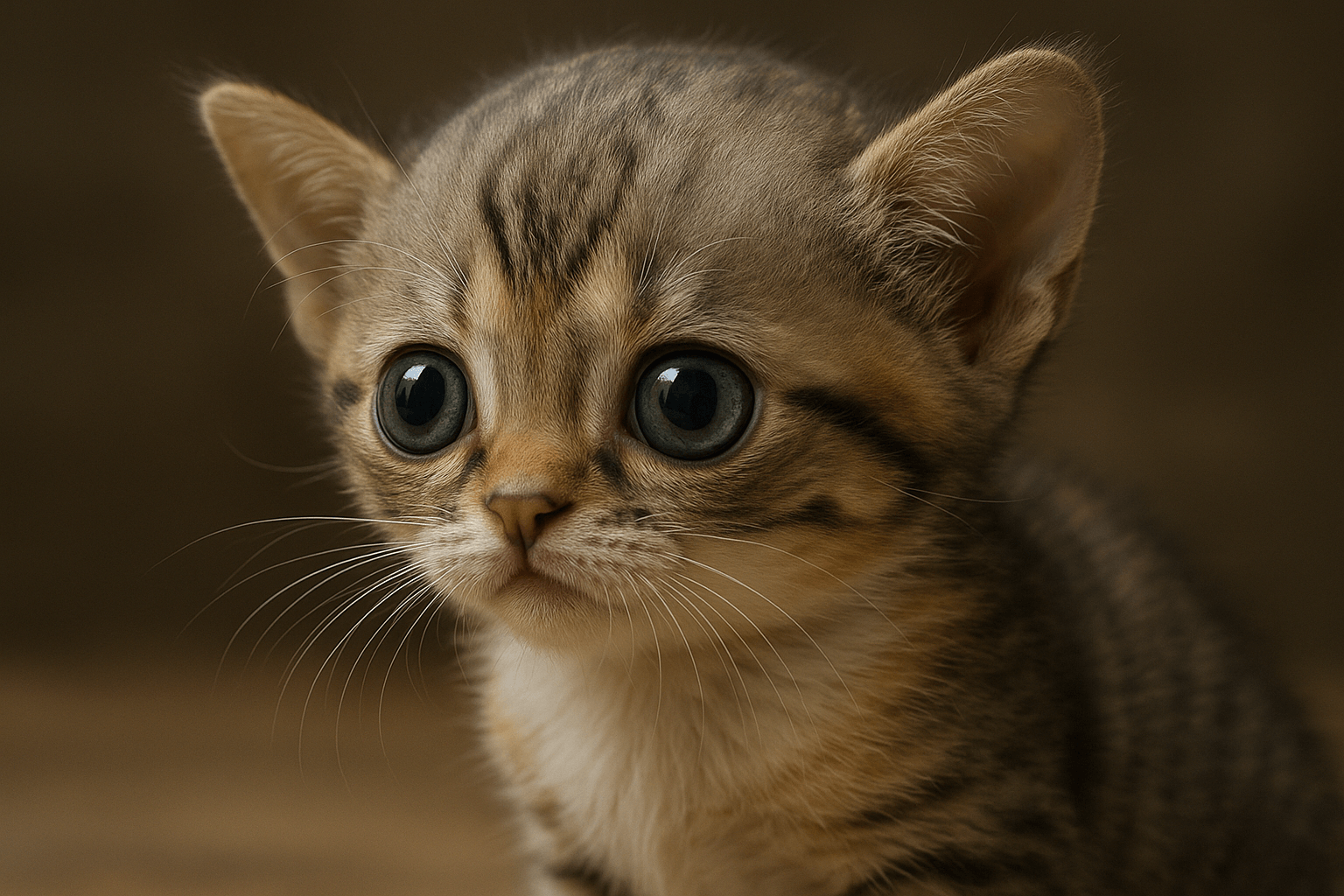
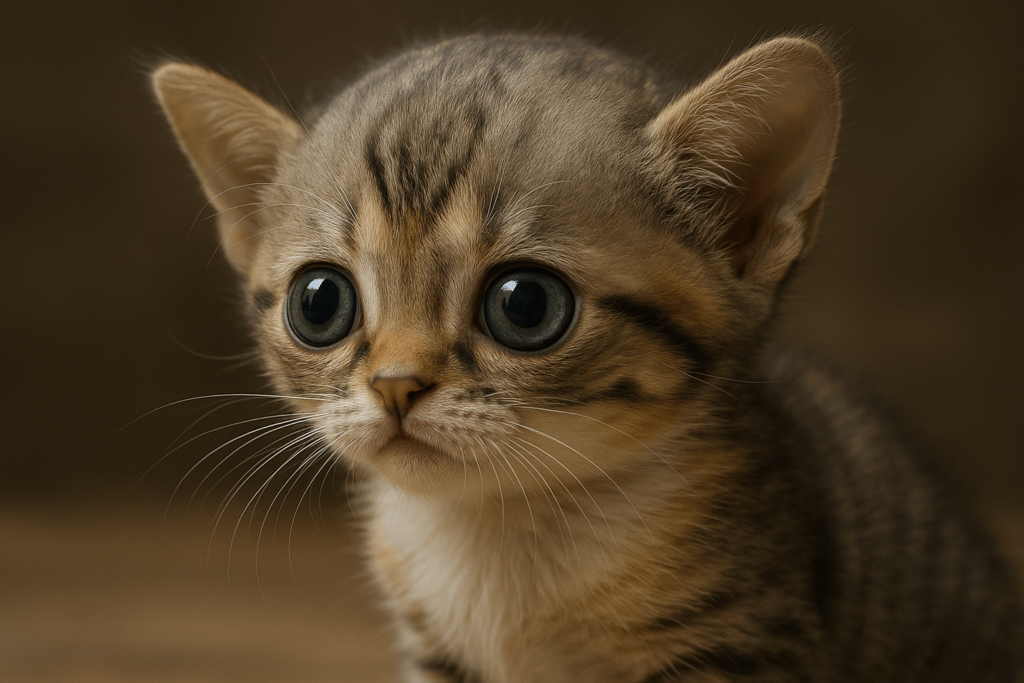
They often have a domed head, wide-set eyes, and a soft, bulging spot on the skull. Some appear “doll-like” due to facial structure changes.
Can hydrocephalus be cured?
There’s no definitive cure, but symptoms can be managed with medication and supportive care. Shunt surgery is rarely attempted in cats.
Is hydrocephalus painful for kittens?
Usually not directly, but complications like seizures or disorientation can cause distress. Most affected kittens remain affectionate and calm.
How long can a kitten live with hydrocephalus?
It varies widely. Mild cases may live years with good care; severe cases may decline within weeks or months.
Should I adopt a kitten with hydrocephalus?
If you’re prepared for extra care, vet visits, and possible limitations, yes—these kittens are deeply loving and deserve compassion.
Embracing Every Kitten with Love and Care
Hydrocephalus in kittens is a challenge—but not a sentence. With knowledge, veterinary support, and unwavering compassion, you can offer a life filled with warmth, safety, and dignity. Whether your kitten needs minutes or years, your care makes every moment meaningful. Trust your instincts, lean on your vet, and never underestimate the power of gentle love.
Is Rawhide Bad for Cats? Best 7 Expert Tips! – Discover the risks, safe alternatives, and expert advice to keep your feline friend healthy and happy.

Is Rawhide Bad for Dogs? Best 7 Expert Tips! – Discover the risks, benefits, and safer alternatives to rawhides for your dog’s chewing needs.

Understanding Anorexia in Cats: Best 7 Expert Tips! – Learn why cats stop eating, spot warning signs, and discover how to help your feline regain appetite safely.

Understanding Anorexia in Dogs: Best 7 Expert Tips! – Learn causes, symptoms, and solutions to help your dog regain appetite and stay healthy.