
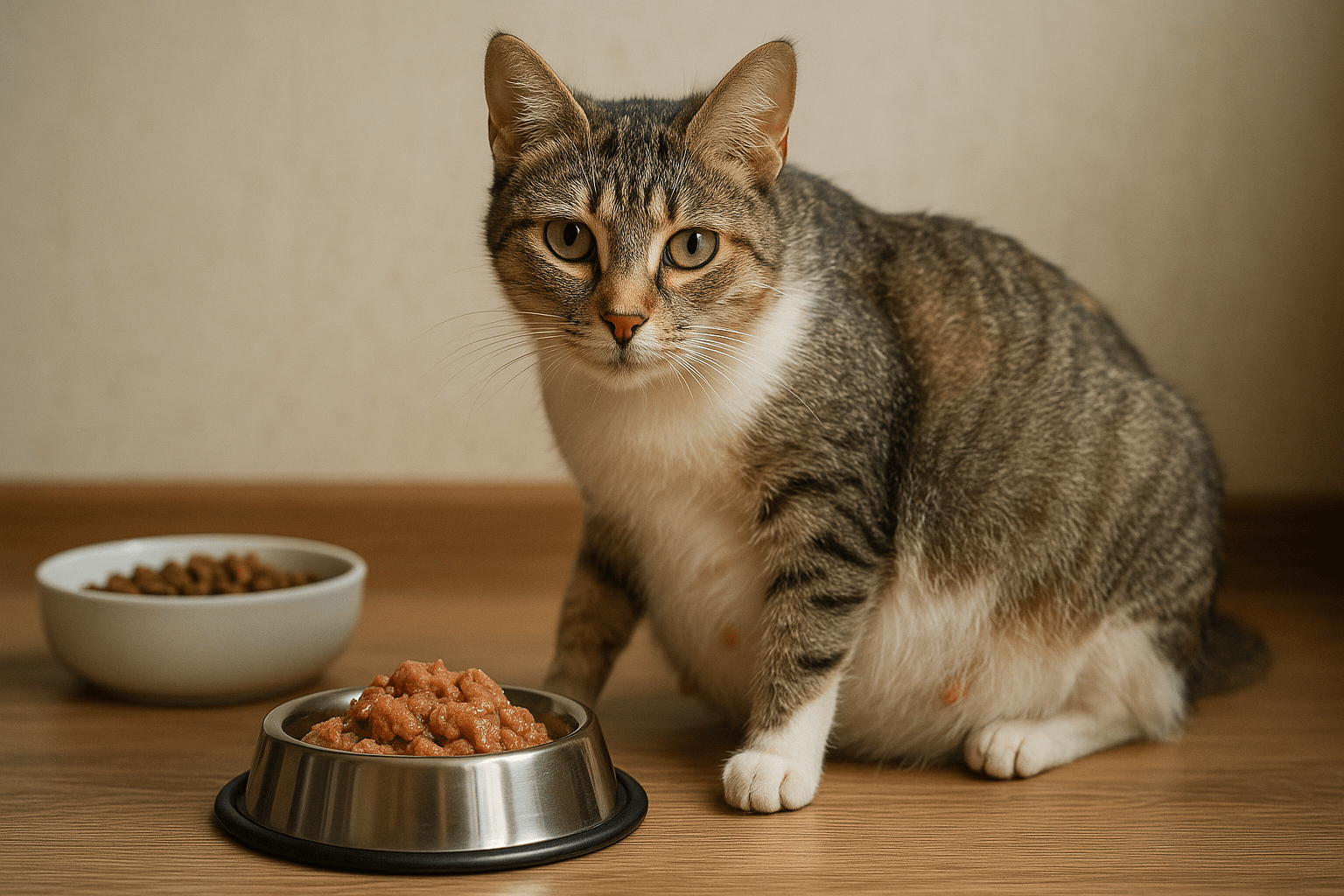

What to Feed a Pregnant Cat
Pregnancy in cats is a beautiful yet demanding journey that requires extra care, especially when it comes to nutrition. A queen’s diet directly impacts not only her health but also the development of her kittens. Feeding her the right foods at the right time ensures a smoother gestation, stronger births, and healthier offspring. This guide walks you through everything you need to know about nourishing your pregnant cat with confidence.
Why Nutrition Matters During Feline Pregnancy
A pregnant cat’s nutritional needs increase dramatically—her body is supporting rapid fetal growth, hormonal shifts, and preparation for lactation. Without proper fuel, both mother and kittens can face serious health risks.
Increased Caloric Demand:
By the final weeks of pregnancy, a queen may need up to 50% more calories than usual to sustain growth and energy.Higher Protein Requirements:
Protein is essential for muscle, organ, and tissue development in kittens—and for maintaining the mother’s own body condition.Critical Micronutrients:
Calcium, phosphorus, folic acid, and omega-3 fatty acids play vital roles in bone formation, neural development, and immune function.Hydration Is Non-Negotiable:
Dehydration can lead to complications like premature labor or poor milk production.Digestive Sensitivity:
Hormonal changes can slow digestion, making highly digestible, gentle formulas especially important.
Meeting these needs isn’t optional—it’s foundational to a successful pregnancy and healthy litter.
Key Nutritional Needs for a Pregnant Cat
From conception to birth, your cat’s body undergoes extraordinary changes. Her diet must evolve to match each stage of gestation.
High-Quality Animal Protein:
Look for named meat sources like chicken, turkey, or fish as the first ingredient—avoid plant-based fillers.DHA for Brain Development:
Omega-3 fatty acid DHA supports cognitive and visual development in unborn kittens.Balanced Calcium-to-Phosphorus Ratio:
A ratio of approximately 1.2:1 helps prevent eclampsia (milk fever) during late pregnancy and nursing.Increased Fat Content:
Healthy fats provide dense, efficient energy and support skin and coat health during hormonal shifts.Taurine Supplementation:
This essential amino acid is critical for fetal heart and eye development—and cats can’t produce it themselves.
These nutrients aren’t luxuries—they’re biological necessities for every pregnant feline.
Check this guide 👉Understanding Cat Pregnancy Tests: Best 7 Expert Tips!
Check this guide 👉Is Cat Hair Harmful During Pregnancy? Best 7 Expert Tips!
Check this guide 👉How Old Can Cats Get Pregnant? Best 7 Expert Tips!
| Essential Nutrients | Why It Matters |
|---|---|
| High-Quality Protein | Supports fetal growth and maternal muscle maintenance |
| DHA (Omega-3) | Critical for brain and eye development in kittens |
| Calcium & Phosphorus | Prevents eclampsia and builds strong bones |
| Healthy Fats | Provides concentrated energy and supports skin health |
| Taurine | Essential for heart and vision development |
Best Types of Food for Pregnant Cats
Not all cat foods are created equal—especially during pregnancy. Choose formulas specifically designed for growth or all life stages.
Kitten Formula (Highly Recommended):
Kitten food is calorie-dense, protein-rich, and fortified with nutrients ideal for pregnancy—vets often recommend it for expectant queens.Wet Food Over Dry:
Moisture-rich wet food supports hydration and is easier to digest, especially when nausea or reduced appetite occurs.Veterinary-Prescribed Diets:
In high-risk pregnancies or with underlying health issues, your vet may suggest a prescription prenatal or therapeutic diet.Avoid Raw or Homemade Diets (Unless Supervised):
Without precise formulation, these can lack critical nutrients or carry bacterial risks like salmonella.No Human Food or Treats as Staples:
Occasional plain cooked meat is fine, but never replace balanced meals with table scraps or treats.
The right food isn’t just about taste—it’s about precision nutrition at a pivotal life stage.
Foods to Avoid During Pregnancy
What you don’t feed is just as important as what you do. Certain items can harm both mother and unborn kittens.
Raw Fish or Meat:
Risk of parasites (like toxoplasmosis) and bacterial contamination that can cross the placenta.Onions, Garlic, and Chives:
These damage red blood cells and can cause anemia—even in small amounts.Dairy Products:
Most adult cats are lactose intolerant; milk can cause diarrhea and dehydration.Excessive Liver:
High in vitamin A, which in excess can cause birth defects in developing fetuses.Cheap, Generic Cat Foods:
Often loaded with fillers (corn, soy) and low-quality proteins that lack essential nutrients.
When in doubt, stick to high-quality commercial diets labeled “complete and balanced for growth.”
Feeding Schedule & Portion Guidelines
As pregnancy progresses, your cat’s appetite and energy needs shift—so should her feeding routine.
First 4 Weeks:
Maintain normal intake, but transition gradually to kitten or pregnancy-formulated food.Weeks 5–6:
Increase portions by 25–50%; split into 3–4 smaller meals to ease digestion.Final 2 Weeks:
Free-feeding may be appropriate if she’s eating frequently but in small amounts due to limited stomach space.Always Use Fresh Water:
Place multiple water stations around the house to encourage constant hydration.Monitor Body Condition:
She should gain weight steadily—not become obese. Ribs should be palpable but not visible.
Consistency and observation are your best tools for adjusting intake as her pregnancy unfolds.
Signs of Poor Nutrition During Pregnancy
Even with good intentions, nutritional gaps can occur. Watch for these red flags that may indicate dietary issues.
Excessive Weight Loss or No Weight Gain:
A pregnant cat should gradually gain 1–2 pounds total, depending on litter size.Lethargy or Weakness:
Low energy can signal protein or calorie deficiency.Poor Coat Condition:
Dull, brittle, or patchy fur often reflects inadequate fatty acids or protein.Vomiting or Diarrhea Beyond Morning Sickness:
Could indicate food intolerance or poor ingredient quality.Small or Underdeveloped Kittens at Birth:
May point to chronic nutrient shortages during gestation.
If you notice any of these, consult your veterinarian immediately—early intervention saves lives.
Preparing for Nursing: The Next Nutritional Phase
Nutrition doesn’t stop at birth—lactation is even more demanding than pregnancy. Plan ahead.
Continue Kitten-Formula Food:
Nursing mothers need up to 2–3 times their normal calorie intake—kitten food supports this surge.Increase Wet Food Intake:
Hydration is critical for milk production; wet food helps prevent dehydration.Provide Constant Access to Food:
Many queens eat almost continuously while nursing.Supplement Only If Advised:
Calcium supplements are rarely needed and can be dangerous without veterinary guidance.Watch for Eclampsia Symptoms:
Tremors, restlessness, or seizures after birth require emergency care—often linked to calcium imbalance.
Supporting her through nursing ensures not just survival, but thriving, for the entire litter.
Frequently Asked Questions About Feeding a Pregnant Cat
What should I feed my pregnant cat in the first trimester?
Continue her regular food but begin transitioning to a high-quality kitten formula by week 3.
Can I feed my pregnant cat dry food only?
It’s possible, but wet or mixed feeding is strongly preferred for hydration and digestibility.
How many times a day should I feed a pregnant cat?
By late pregnancy, aim for 3–4 small meals daily—or free-feed if she prefers frequent grazing.
Is tuna safe for pregnant cats?
Occasional plain, cooked tuna is fine—but never as a staple due to mercury and nutrient imbalance risks.
When should I switch back to adult food after birth?
Not until kittens are fully weaned (around 8–10 weeks). The mother should stay on kitten food while nursing.
Nourish Her, Nurture the Future
Feeding a pregnant cat is one of the most impactful ways you can support a healthy pregnancy. Every meal you provide fuels the growth of tiny hearts, brains, and bodies—while protecting the mother who carries them. By choosing nutrient-dense foods, avoiding harmful ingredients, and adapting to her changing needs, you lay the foundation for strong kittens and a resilient queen. Trust your care. Trust the process. And remember: great motherhood starts with a single, thoughtful bowl of food.
Understanding Bone Supplement for Cats: Best 7 Expert Tips! – Safe, vet-approved guidance for strong feline bones & balanced nutrition.
Bone Supplement for Dogs: Best 7 Expert Tips! – Expert guide to calcium, collagen & bone health for every life stage.
Understanding Can Cats Get Sunburn: Best 7 Expert Tips! – Protect your feline from UV damage with vet-backed prevention strategies.
How to Train a Seizure Alert Dog: Best 7 Expert Tips! – Learn expert-backed steps to nurture natural instincts into reliable, life-saving seizure alerts.


