

Understanding Cat Liver Function: Best 7 Expert Tips!

Understanding Cat Liver Function: Best 7 Expert Tips!

Understanding Cat Liver Function: Why This Organ Matters More Than You Think

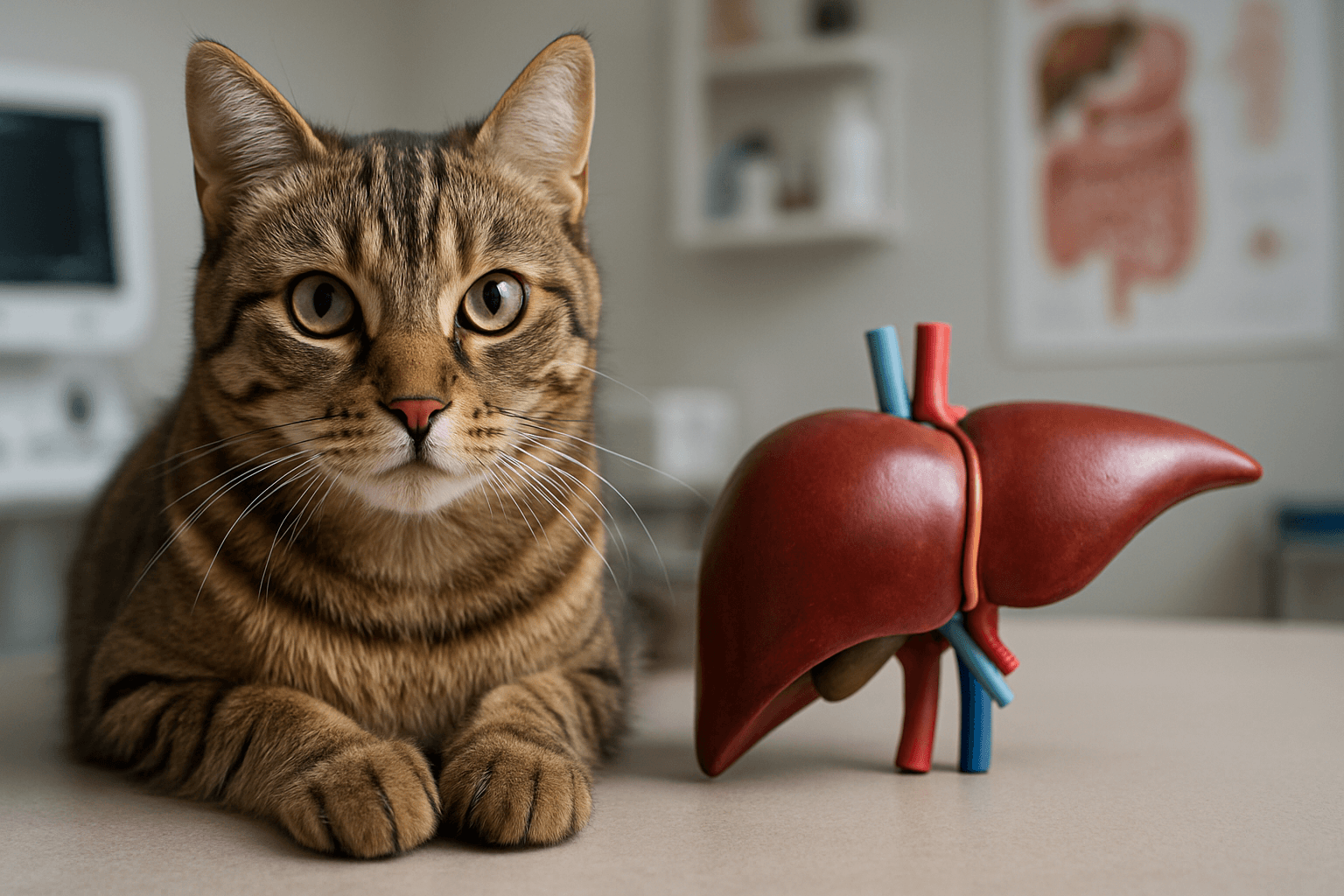
Your cat’s liver is a silent powerhouse—working tirelessly behind the scenes to detoxify blood, digest fats, store energy, and support immunity. Though rarely in the spotlight, liver health is foundational to your feline’s overall well-being. When liver function falters, even subtle changes in appetite or energy can signal something serious. Understanding how your cat’s liver works is the first step toward catching problems early and supporting lifelong vitality.

The Vital Roles of the Feline Liver

The liver isn’t just another organ—it’s a biological command center with over 1,000 known functions. In cats, its roles are even more specialized due to their obligate carnivore metabolism. Here’s what makes your cat’s liver so essential:

 
  • Detoxification:
    The liver filters toxins from the bloodstream, including medications, environmental chemicals, and metabolic waste—converting them into safer compounds for elimination.

  • Nutrient Metabolism:
    It processes proteins, fats, and carbohydrates from food, transforming them into usable energy or storage forms tailored to feline physiology.

  • Bile Production:
    Bile, made in the liver and stored in the gallbladder, is critical for digesting and absorbing dietary fats and fat-soluble vitamins like A, D, E, and K.

  • Blood Protein Synthesis:
    The liver manufactures essential proteins like albumin and clotting factors, which maintain blood volume, pressure, and coagulation.

  • Glycogen Storage:
    It stores glucose as glycogen and releases it when blood sugar drops—vital for cats, who are prone to hypoglycemia during illness or fasting.


Without a properly functioning liver, your cat’s entire metabolic system begins to unravel. Keeping this organ healthy isn’t optional—it’s non-negotiable for long-term survival.

Understanding Cat Liver Function: Best 7 Expert Tips!

Signs of Compromised Liver Function in Cats

Early liver issues often fly under the radar, but attentive owners can spot subtle changes before they escalate. Because cats instinctively hide illness, these signs may be mild at first—but they’re meaningful.

 
  • Loss of Appetite:
    A sudden disinterest in food can signal nausea or toxin buildup, both linked to liver stress.

  • Weight Loss or Muscle Wasting:
    Poor protein processing leads to rapid loss of lean body mass, especially around the spine and hips.

  • Lethargy or Weakness:
    Reduced energy production and toxin accumulation leave cats unusually tired or unresponsive.

  • Vomiting or Diarrhea:
    Impaired bile flow or digestive enzyme support can disrupt normal gastrointestinal function.

  • Jaundice (Yellowing of Gums or Eyes):
    This unmistakable yellow tint occurs when bilirubin—a liver-processed pigment—builds up in the blood.


If you notice any of these symptoms, don’t wait. Early veterinary intervention dramatically improves outcomes in liver-related conditions.

Liver Function Role Impact on Cat Health
Detoxifies blood Prevents toxin buildup that can cause neurological or systemic illness
Produces bile Enables fat digestion and absorption of critical vitamins
Synthesizes blood proteins Maintains circulation, healing, and immune response
Stores glycogen Stabilizes blood sugar during fasting or stress
Metabolizes medications Ensures drugs are activated or safely eliminated—critical for treatment safety

Common Causes of Liver Disease in Cats

Not all liver issues stem from poor diet—some arise from genetics, infections, or even everyday medications. Knowing the root causes helps you take preventive action.

 
  • Hepatic Lipidosis (Fatty Liver Disease):
    Often triggered by prolonged fasting or sudden appetite loss, this condition causes fat to accumulate in liver cells, impairing function.

  • Cholangiohepatitis:
    An inflammatory disease involving the bile ducts and liver tissue, commonly linked to bacterial infections or autoimmune responses.

  • Toxin Exposure:
    Common household substances like acetaminophen (Tylenol), certain essential oils, or lilies can cause acute, life-threatening liver damage.

  • Cancer (e.g., Lymphoma or Hepatocellular Carcinoma):
    Though less common, liver tumors can develop, especially in older cats, leading to progressive organ failure.

  • Pancreatitis or Inflammatory Bowel Disease (IBD):
    These conditions often occur alongside liver inflammation in a syndrome called “triaditis,” complicating diagnosis and treatment.


Because the liver has immense regenerative capacity, early detection offers a real chance for recovery—even reversal—of damage.


Diagnostic Tools for Assessing Liver Health

Veterinarians use a combination of tests to evaluate liver function accurately, since symptoms alone aren’t enough.

 
  • Blood Work (Liver Enzymes & Bilirubin):
    Elevated ALT, ALP, or bilirubin levels suggest liver stress—but aren’t definitive without further testing.

  • Bile Acids Test:
    This functional test measures how well the liver processes and recycles bile, offering a clearer picture than enzyme levels alone.

  • Ultrasound Imaging:
    Allows vets to visualize liver size, texture, and abnormalities like masses, cysts, or bile duct dilation.

  • Liver Biopsy:
    The gold standard for diagnosis, a biopsy provides tissue samples for histopathology to identify inflammation, fibrosis, or cancer.

  • Radiographs (X-rays):
    While less detailed, X-rays can reveal an enlarged or shrunken liver, guiding next steps in investigation.


A full diagnostic picture ensures your cat receives the right treatment—not just a guess based on symptoms.

Nutritional Support for Liver Health

Diet plays a central role in both preventing and managing liver disease. The right food can reduce workload, promote healing, and restore balance.

 
  • High-Quality, Easily Digestible Protein:
    Contrary to old myths, cats with liver disease still need protein—but from highly bioavailable sources like egg or chicken.

  • Controlled Copper Levels:
    Some cats accumulate excess copper in the liver; low-copper therapeutic diets help prevent further damage.

  • Added Antioxidants (Vitamins E & C):
    These neutralize free radicals produced during detoxification, protecting liver cells from oxidative stress.

  • L-Carnitine Supplementation:
    Supports fat metabolism and may help prevent or treat hepatic lipidosis in at-risk cats.

  • Moderate Fat, Not Low Fat:
    Cats need dietary fat for energy and vitamin absorption—but excessive fat can overwhelm a compromised liver.


Always work with your vet before switching foods. Sudden changes or inappropriate formulas can do more harm than good.

Preventive Strategies to Protect Liver Function

You don’t need to wait for a diagnosis to support your cat’s liver. Simple, proactive habits make a lasting difference.

 
  • Avoid Human Medications:
    Never give your cat over-the-counter drugs—many are toxic even in tiny doses.

  • Keep Toxins Out of Reach:
    Store cleaning supplies, plants (like lilies), and essential oils securely away from curious paws.

  • Maintain a Healthy Weight:
    Obesity increases the risk of fatty liver disease—feed measured portions and encourage play.

  • Schedule Annual Wellness Exams:
    Routine bloodwork can catch liver enzyme changes long before symptoms appear.

  • Encourage Consistent Eating:
    If your cat stops eating for more than 24 hours, seek help immediately—fasting can trigger rapid liver decline.


Prevention isn’t about perfection—it’s about awareness. Small choices add up to big protection over time.


Frequently Asked Questions About Cat Liver Function

What are normal liver enzyme levels in cats?

ALT and ALP vary by lab, but generally ALT should be under 100 U/L and ALP under 50 U/L. However, trends matter more than single values—your vet will interpret results in context.

Often, yes—especially if caught early. The liver regenerates well, and many cats recover fully with proper treatment and nutrition.


With appropriate care, many cats live months to years. Prognosis depends on the cause: hepatic lipidosis has a 70–80% recovery rate with aggressive feeding, while advanced cancer may be less treatable.

Generally, yes. Wet food supports hydration and is easier to digest. Many prescription liver diets are only available in canned form for this reason.

Indirectly, yes. Stress can lead to anorexia, which triggers fatty liver disease within days. Minimizing stressors supports both mental and liver health.

Supporting Your Cat’s Lifelong Liver Health

Your cat’s liver works silently but ceaselessly—filtering, fueling, and fortifying their body every second of the day. By understanding its critical roles and recognizing early warning signs, you become your cat’s first line of defense. Prioritize consistent nutrition, avoid toxins, and never ignore changes in appetite or behavior. With vigilance and care, you can help ensure your feline companion’s liver remains resilient, allowing them to purr, play, and thrive for years to come.

Is Rawhide Bad for Cats? Best 7 Expert Tips!

Is Rawhide Bad for Cats? Best 7 Expert Tips! – Discover the risks, safe alternatives, and expert advice to keep your feline friend healthy and happy.

Is Rawhide Bad for Dogs? Best 7 Expert Tips!

Is Rawhide Bad for Dogs? Best 7 Expert Tips! – Discover the risks, benefits, and safer alternatives to rawhides for your dog’s chewing needs.

Understanding Anorexia in Cats: Best 7 Expert Tips!

Understanding Anorexia in Cats: Best 7 Expert Tips! – Learn why cats stop eating, spot warning signs, and discover how to help your feline regain appetite safely.

Understanding Anorexia in Dogs: Best 7 Expert Tips!

Understanding Anorexia in Dogs: Best 7 Expert Tips! – Learn causes, symptoms, and solutions to help your dog regain appetite and stay healthy.

Leave a Reply

Your email address will not be published. Required fields are marked *