

How to Teach Cat to Use Scratching Post
Teaching your cat to use a scratching post isn’t about control—it’s about communication. Cats scratch to stretch, mark territory, and stay mentally balanced. With the right approach, you can redirect this natural instinct to a place that saves your furniture and satisfies your feline. This guide offers step-by-step, expert-backed strategies to make the scratching post your cat’s favorite spot.
Why Cats Resist Scratching Posts (And What It Really Means)
Many cat owners assume their pet is “stubborn” for ignoring a brand-new scratching post—but resistance usually stems from mismatched design, poor placement, or lack of positive association. Understanding the root cause is key to successful redirection.
Wrong Texture:
Cats have strong preferences—sisal, cardboard, carpet, or wood—and may reject a post that doesn’t feel right under their claws.Unstable Base:
A wobbly or lightweight post feels unsafe. Cats won’t fully stretch if they fear it might tip over.Poor Placement:
If the post is hidden in a corner, your cat may overlook it. They prefer scratching near sleeping areas, windows, or high-traffic zones.Lack of Scent Cues:
New posts lack familiar smells. Without your cat’s pheromones or your scent, it may seem foreign or uninviting.No Positive Reinforcement:
If scratching the post brings no reward—but scratching the sofa gets attention (even negative)—your cat will stick to the sofa.
Patience and observation are your greatest tools. Once you align the post with your cat’s instincts and preferences, acceptance often follows naturally.
How to Choose the Perfect Scratching Post for Your Cat
Not all scratching posts are created equal. The “best” one is the one your cat actually uses—and that depends on their age, size, and personality.
Height Matters:
A post should be tall enough for your cat to stretch fully on their hind legs—typically at least 30 inches for adults.Sturdy Construction:
Look for a wide, heavy base or wall-mounted options. Stability builds trust and encourages vigorous scratching.Material Variety:
Offer different textures: sisal rope for durability, corrugated cardboard for shredding fun, or soft fabric for gentle scratchers.Orientation Preference:
Some cats prefer vertical posts; others love horizontal pads or angled scratchers. Observe your cat’s natural posture when they scratch.Multi-Functional Design:
Posts with platforms, hiding spots, or dangling toys can double as enrichment stations, increasing daily use.
The goal isn’t to buy the fanciest post—it’s to match your cat’s natural behavior. When form meets function, adoption is almost guaranteed.
Check this guide 👉Why Does a Cat Scratch? Best 7 Expert Tips!
Check this guide 👉Cat Scratch Post DIY: Best 7 Expert Tips!
Check this guide 👉Why Is My Cat Scratching the Window? Best 7 Expert Tips!
| Common Mistakes | Smart Solutions |
|---|---|
| Placing post in low-traffic or isolated areas | Put it near their bed, favorite window, or where they currently scratch |
| Buying only one type of post | Offer vertical, horizontal, and angled options to test preferences |
| Punishing unwanted scratching | Use deterrents on furniture, not punishment—reward correct behavior instead |
| Ignoring your cat’s current scratching spots | Place the new post directly beside the problem area during transition |
| Assuming all cats like the same material | Rotate textures—sisal, cardboard, jute—until you find a favorite |
Step-by-Step Guide to Introducing the Scratching Post
Introducing a new scratching post should feel like an invitation, not a command. Follow these gentle, science-backed steps to encourage adoption.
Place It Strategically:
Set the post next to your cat’s current scratching spot—whether it’s your armchair or the carpet—so they associate it with the behavior.Add Familiar Scents:
Rub the post with a cloth that carries your cat’s facial pheromones (gently wipe their cheeks) or sprinkle a bit of catnip.Demonstrate Gently:
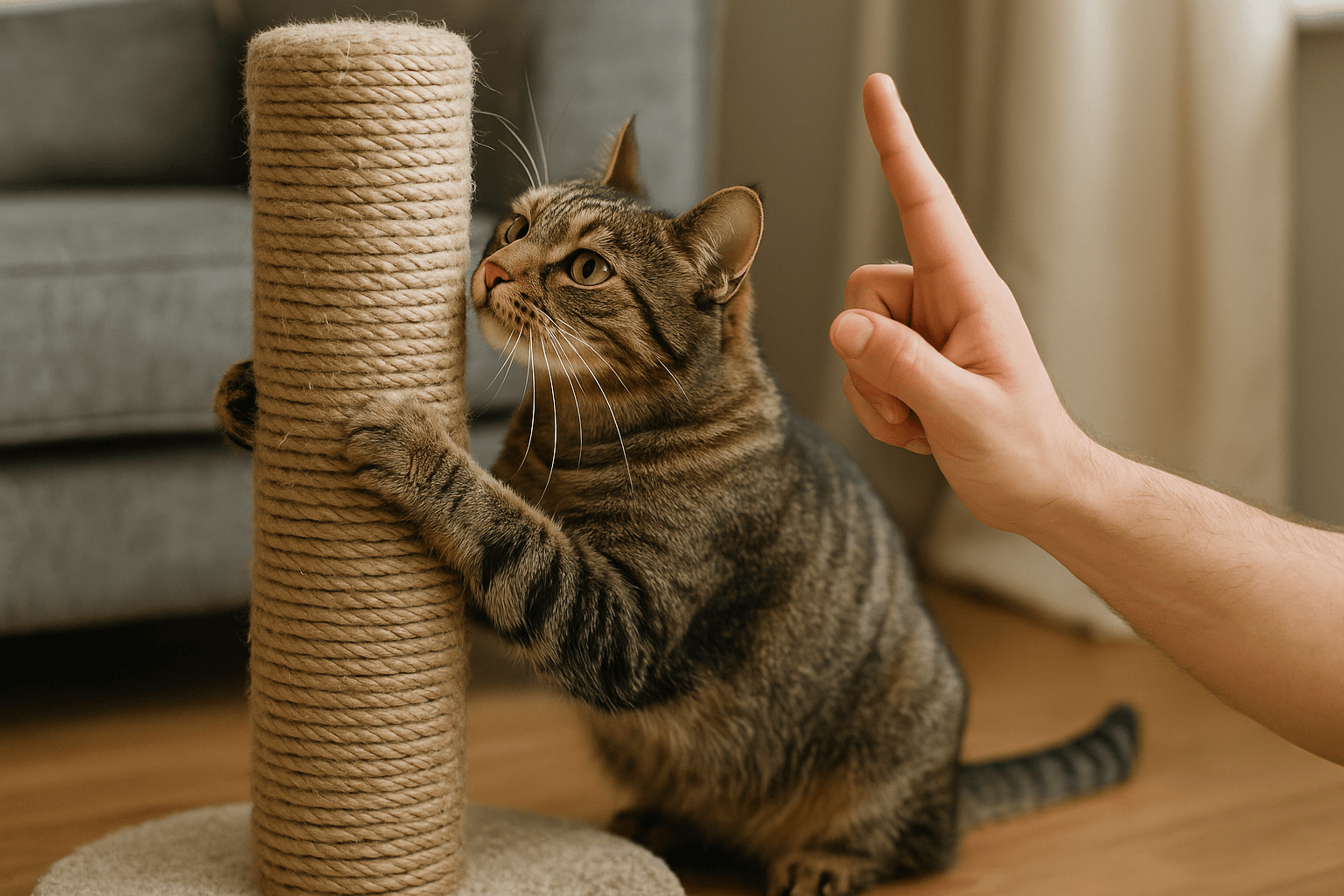
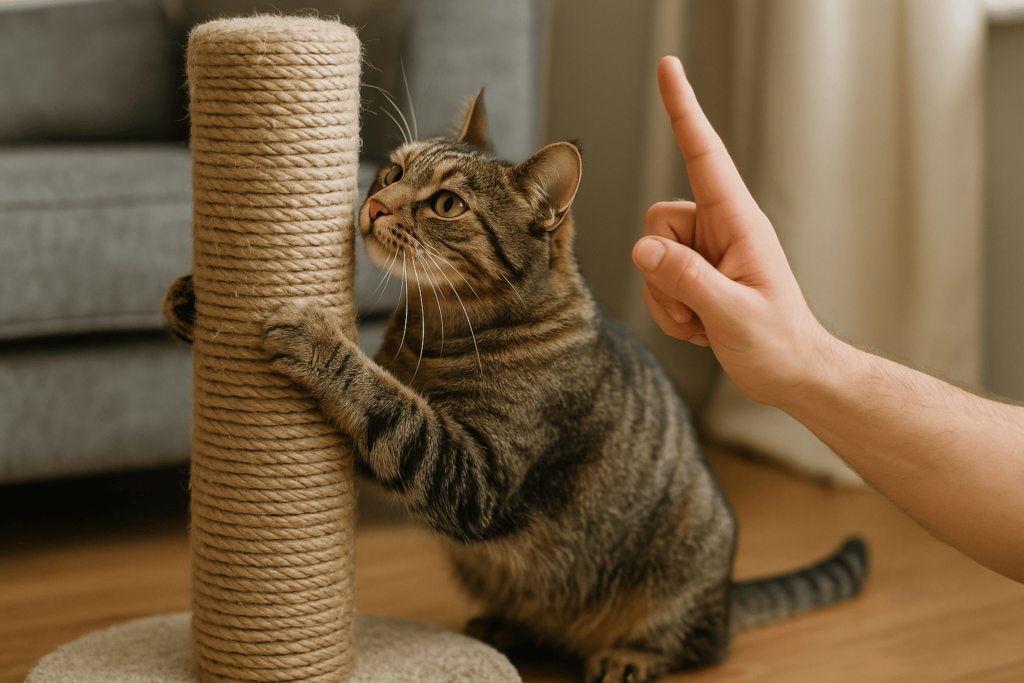
Use your hand to scratch the surface slowly. The sound and motion can pique curiosity—especially in kittens or observant cats.Reward Immediately:
The moment your cat sniffs, paws, or scratches the post, offer a treat, praise, or chin scratch. Timing is critical for positive reinforcement.Keep It Accessible:
Never move or hide the post after initial use. Consistency builds habit—your cat needs to know it’s always available.
Success rarely happens overnight. But with daily encouragement and zero scolding, most cats begin using the post within a week.
Common Reasons Cats Ignore Scratching Posts (And How to Fix Them)
If your cat walks past the post like it’s invisible, don’t give up. Often, a small adjustment makes all the difference.
It’s Too New:
Cats are cautious of unfamiliar objects. Leave it out for days without pressure—let them investigate on their own terms.Wrong Location:
If placed near a noisy appliance or drafty window, your cat may avoid it. Choose calm, secure, frequented spaces instead.Competing Surfaces Are Better:
Your leather sofa might simply feel more satisfying. Cover it temporarily with double-sided tape while making the post more appealing.Lack of Engagement:
A plain post may seem boring. Attach a dangling toy or place a favorite blanket at its base to increase interest.Negative Association:
If you’ve scolded your cat near the post, they may link it with fear. Start fresh in a new location with positive-only interactions.
Remember: your cat isn’t defying you—they’re giving you feedback. Listen, adapt, and try again.
Advanced Techniques for Stubborn or Senior Cats
Older cats or those set in their ways need extra patience—but they can still learn. Tailored strategies make all the difference.
Use Interactive Play:
Drag a wand toy along the post’s surface, encouraging your cat to “hunt” and scratch during play. This links fun with the post.Pair with Meals or Naps:
Place their food bowl or bed near the post (not on it). Proximity builds positive daily exposure without pressure.Try Feliway or Pheromone Sprays:
Synthetic calming pheromones can reduce anxiety and make new objects feel safer and more inviting.Trim Overgrown Nails First:
Senior cats with long claws may find scratching painful. A gentle nail trim can restore comfort and willingness.Offer Horizontal Options:
Arthritic or less mobile cats may prefer lying down to scratch. Provide flat cardboard scratchers at floor level.
Never force interaction. Let your cat approach at their own pace—dignity is part of feline trust.
How Long Does It Take to Train a Cat to Use a Scratching Post?
There’s no universal timeline—some cats adopt a post in minutes; others take weeks. But consistency dramatically speeds up the process.
Kittens:
Often learn within 1–3 days due to curiosity and playfulness. Early exposure sets lifelong habits.Adult Cats:
May take 1–2 weeks, especially if retraining from furniture scratching. Daily rewards are essential.Rescue or Traumatized Cats:
Could require 3–6 weeks of gentle encouragement, especially if they associate change with stress.Multi-Cat Households:
Introduce one post per cat plus one extra to prevent territorial guarding and competition.Signs of Progress:
Even sniffing, pawing, or sleeping near the post counts. Celebrate small wins—they lead to big changes.
Training isn’t about speed—it’s about building a lasting habit rooted in choice, not coercion.
Frequently Asked Questions About Teaching Cats to Use Scratching Posts
Why won’t my cat use the scratching post I bought?
Your cat may dislike the texture, height, or location. Try different materials and place it near their favorite scratching spot.
Can I use catnip to attract my cat to the post?
Yes! A light sprinkle of catnip or silvervine can spark interest, especially for playful or curious cats.
Should I punish my cat for scratching furniture?
No. Punishment creates fear and damages trust. Instead, cover furniture with deterrents and reward post use.
How many scratching posts do I need?
Ideally, one per cat plus one extra—placed in key areas like near beds, windows, and main living spaces.
Is it too late to train an older cat?
Never. With patience, positive reinforcement, and the right post, even senior cats can learn new habits.
Building a Home Where Cats Thrive—Naturally
Teaching your cat to use a scratching post isn’t just about saving your sofa—it’s about honoring who they are. Scratching is as vital to a cat as purring or hunting; it keeps their body strong and their mind calm. By offering the right post in the right place with the right encouragement, you’re not changing your cat—you’re supporting them. And in that support, you build a deeper bond, a cleaner home, and a happier life together. Let the post become more than furniture: let it become a bridge between your world and theirs.
Is Rawhide Bad for Cats? Best 7 Expert Tips! – Discover the risks, safe alternatives, and expert advice to keep your feline friend healthy and happy.

Is Rawhide Bad for Dogs? Best 7 Expert Tips! – Discover the risks, benefits, and safer alternatives to rawhides for your dog’s chewing needs.

Understanding Anorexia in Cats: Best 7 Expert Tips! – Learn why cats stop eating, spot warning signs, and discover how to help your feline regain appetite safely.

Understanding Anorexia in Dogs: Best 7 Expert Tips! – Learn causes, symptoms, and solutions to help your dog regain appetite and stay healthy.