

How Long Do Domestic Shorthair Cats Live? Best 7 Tips!

How Long Do Domestic Shorthair Cats Live? Best 7 Tips!

How Long Do Domestic Shorthair Cats Live?

The domestic shorthair cat isn’t just a common household companion—it’s a resilient, adaptable, and deeply beloved member of millions of families worldwide. Unlike pedigreed breeds, these cats come in endless colors, patterns, and personalities, but they share one remarkable trait: a surprisingly robust lifespan when cared for properly. Understanding the typical domestic shorthair lifespan helps owners prepare for a long, joyful journey with their feline friend and make informed choices that support longevity and vitality.

What Is a Domestic Shorthair Cat?

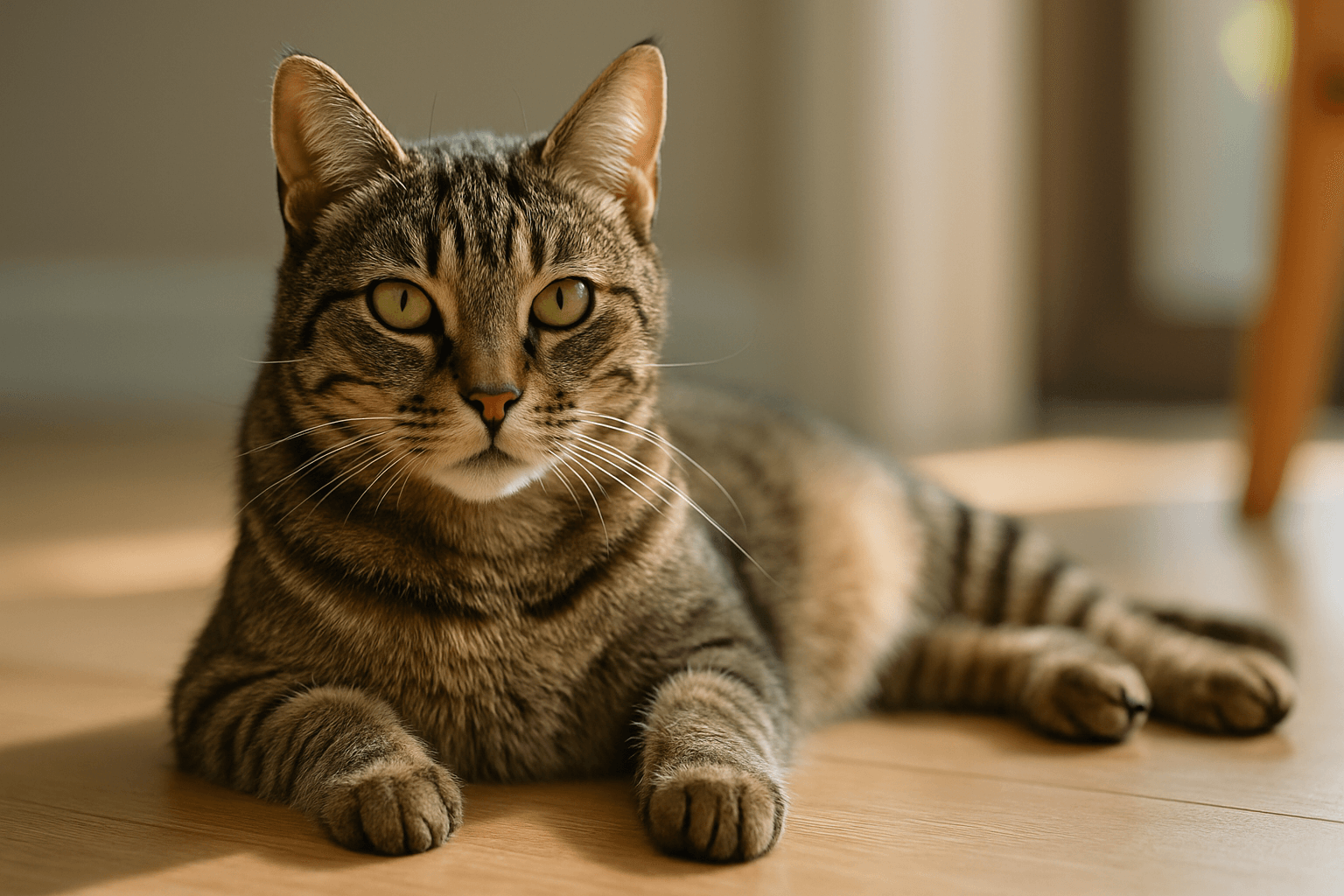
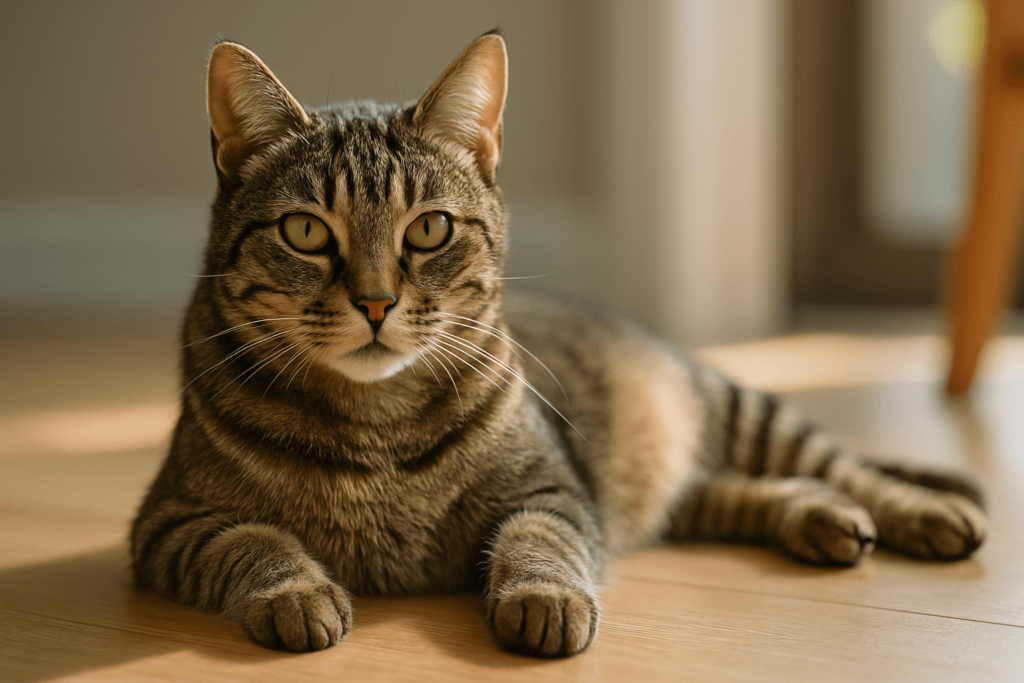
Often mistaken for a specific breed, the domestic shorthair (DSH) is actually a mixed-breed cat with short fur and no pedigree. These cats are the backbone of the feline population—genetically diverse, hardy, and full of character.

 
  • Genetic Diversity:
    Because they aren’t bred for specific traits, domestic shorthairs benefit from a broader gene pool, which often means fewer inherited health issues.

  • Adaptability:
    DSH cats thrive in various environments—from city apartments to rural farms—thanks to their flexible nature and strong survival instincts.

  • No Formal Breed Standard:
    Unlike purebreds, domestic shorthairs aren’t judged on appearance or conformity, which reduces selective pressure and supports natural health.

  • Wide Range of Personalities:
    A domestic shorthair might be playful, aloof, cuddly, or mischievous—each cat has a unique temperament shaped by both genetics and environment.

  • High Availability:
    They are the most common cats in shelters, making them accessible and highly adoptable companions.


This genetic “jack-of-all-trades” profile is one reason why domestic shorthairs often enjoy longer, healthier lives than many purebred cats.

How Long Do Domestic Shorthair Cats Live? Best 7 Tips!

Typical Domestic Shorthair Lifespan Range

While every cat is an individual, the average domestic shorthair lifespan falls within a well-documented range shaped by care, environment, and luck.

 
  • Indoor Cats Live Longer:
    Cats kept strictly indoors typically live 14 to 20 years, with many reaching their early twenties in excellent health.

  • Outdoor or Indoor/Outdoor Cats:
    These cats face more risks—traffic, predators, disease—and often live only 7 to 10 years on average.

  • Record-Holding Longevity:
    Some domestic shorthairs have lived beyond 25 years, though this is rare and usually tied to exceptional genetics and meticulous care.

  • Middle-Age Milestones:
    Around age 10, cats enter senior status; regular vet check-ups become even more critical from this point onward.

  • Lifespan vs. Healthspan:
    A long life isn’t just about years—it’s about quality. A well-cared-for DSH can remain active, playful, and alert well into old age.


With attentive care, your domestic shorthair isn’t just surviving—they’re thriving for over a decade and often far beyond.

Lifespan Factor Impact on Longevity
Indoor vs. Outdoor Living Indoor cats live nearly twice as long on average
Spay/Neuter Status Reduces cancer risks and increases lifespan by 1–3 years
Diet Quality High-protein, species-appropriate food supports organ health
Veterinary Care Frequency Annual exams catch issues early; seniors benefit from biannual visits
Mental & Physical Stimulation Reduces stress and prevents obesity—key longevity boosters

Key Factors That Influence Domestic Shorthair Lifespan

A cat’s lifespan isn’t just luck—it’s shaped by daily choices and environmental conditions you can control.

 
  • Nutrition:
    Feeding a high-quality, age-appropriate diet rich in animal protein supports kidney, heart, and immune health throughout life.

  • Preventive Healthcare:
    Regular vaccinations, parasite control, and dental cleanings prevent serious illnesses that shorten life.

  • Stress Levels:
    Chronic stress weakens the immune system. A calm, predictable home reduces anxiety and promotes well-being.

  • Exercise and Play:
    Daily interactive play keeps your cat lean, mentally sharp, and emotionally balanced—critical for long-term health.

  • Early Spaying or Neutering:
    This not only prevents unwanted litters but also lowers the risk of mammary cancer and testicular tumors.


These aren’t just “nice-to-haves”—they’re foundational pillars of feline longevity. The domestic shorthair’s natural resilience shines brightest when supported by thoughtful care.


Common Health Issues That Can Affect Lifespan

Even the hardiest cats can face health challenges as they age. Awareness helps you act early.

 
  • Chronic Kidney Disease (CKD):
    One of the leading causes of death in senior cats; early detection through bloodwork can extend life significantly.

  • Hyperthyroidism:
    Common in cats over 10; treatable with medication, diet, or radioactive iodine therapy.

  • Dental Disease:
    Untreated gingivitis can lead to painful infections and systemic inflammation affecting the heart and kidneys.

  • Obesity:
    Excess weight strains joints, increases diabetes risk, and can shorten lifespan by 2–3 years.

  • Diabetes Mellitus:
    Often linked to high-carb diets and obesity; manageable with insulin and diet changes if caught early.


Proactive monitoring—watching for changes in thirst, appetite, litter box habits, or energy—can make all the difference in catching these conditions early.

How to Maximize Your Domestic Shorthair’s Lifespan

You don’t need to be a vet to add years to your cat’s life—just a committed, observant caregiver.

 
  • Keep Them Indoors:
    This single choice eliminates the top threats to cat longevity: cars, predators, and infectious diseases.

  • Schedule Biannual Vet Visits After Age 10:
    Senior cats age rapidly; twice-yearly check-ups catch problems before they become crises.

  • Hydrate, Hydrate, Hydrate:
    Encourage water intake with fountains, wet food, or multiple water bowls to support kidney function.

  • Maintain a Healthy Weight:
    Weigh your cat monthly and adjust portions if needed—obesity is a silent killer.

  • Enrich Their Environment:
    Climbing shelves, window perches, puzzle feeders, and daily play mimic natural behaviors and reduce boredom.


Every extra year you give your cat is a gift built on small, consistent acts of care.

Life Stages of a Domestic Shorthair Cat

Understanding your cat’s life stages helps you tailor care to their changing needs.

 
  • Kitten (0–1 year):
    Rapid growth phase—focus on socialization, vaccinations, and high-calorie, nutrient-dense food.

  • Young Adult (1–6 years):
    Peak health and energy—maintain routine care, prevent obesity, and keep them mentally stimulated.

  • Mature Adult (7–10 years):
    Metabolism slows—adjust diet, watch for subtle behavior changes, and start annual senior screenings.

  • Senior (11–14 years):
    Increased risk of chronic illness—prioritize comfort, hydration, and frequent vet checks.

  • Geriatric (15+ years):
    Gentle care is key—soft bedding, easy litter box access, and patience with mobility or sensory decline.


Recognizing these transitions ensures your care evolves as your cat ages.

Signs Your Cat Is Aging Gracefully (or Needs Help)

Not all aging is decline—but knowing what’s normal versus concerning is vital.

 
  • Healthy Aging Signs:
    Bright eyes, consistent appetite, regular grooming habits, and interest in interaction indicate good quality of life.

  • Warning Signs:
    Sudden weight loss, vomiting, lethargy, hiding, or changes in litter box use warrant immediate vet attention.

  • Mobility Changes:
    Stiffness or reluctance to jump may signal arthritis—manageable with supplements or pain relief.

  • Cognitive Decline:
    Disorientation, night vocalization, or litter box accidents can indicate feline cognitive dysfunction.

  • Dental Health:**
    Bad breath, drooling, or dropping food while eating suggest dental pain needing treatment.


Aging isn’t a disease—but it does require vigilance. Your awareness is your cat’s best defense.


Frequently Asked Questions About Domestic Shorthair Lifespan

How long do domestic shorthair cats usually live?

Most live 14–20 years when kept indoors with proper care; some exceed 20 years.

Yes—thanks to greater genetic diversity, domestic shorthairs often outlive purebreds prone to inherited conditions.

Absolutely. High-quality, species-appropriate nutrition supports organ function and disease prevention.

Not necessarily—some cats thrive on adult formulas longer. Consult your vet for personalized advice.

Senior cats sleep more, but excessive lethargy or disinterest in food may signal illness—get it checked.

Cherish Every Purr, Every Year

The domestic shorthair lifespan is more than a number—it’s a testament to love, attention, and partnership. These unassuming cats may not have pedigrees, but they offer unwavering loyalty, quiet companionship, and moments of pure joy. By providing a safe home, consistent care, and deep respect for their needs, you’re not just extending their life—you’re enriching it. And in return, your shorthair will gift you years of purrs, headbutts, and silent understanding that only a cat can give.

Is Rawhide Bad for Cats? Best 7 Expert Tips!

Is Rawhide Bad for Cats? Best 7 Expert Tips! – Discover the risks, safe alternatives, and expert advice to keep your feline friend healthy and happy.

Is Rawhide Bad for Dogs? Best 7 Expert Tips!

Is Rawhide Bad for Dogs? Best 7 Expert Tips! – Discover the risks, benefits, and safer alternatives to rawhides for your dog’s chewing needs.

Understanding Anorexia in Cats: Best 7 Expert Tips!

Understanding Anorexia in Cats: Best 7 Expert Tips! – Learn why cats stop eating, spot warning signs, and discover how to help your feline regain appetite safely.

Understanding Anorexia in Dogs: Best 7 Expert Tips!

Understanding Anorexia in Dogs: Best 7 Expert Tips! – Learn causes, symptoms, and solutions to help your dog regain appetite and stay healthy.

Leave a Reply

Your email address will not be published. Required fields are marked *