

Can Cat Litter Affect Your Health? Best 7 Expert Tips!

Can Cat Litter Affect Your Health? Best 7 Expert Tips!

Can Cat Litter Affect Your Health?

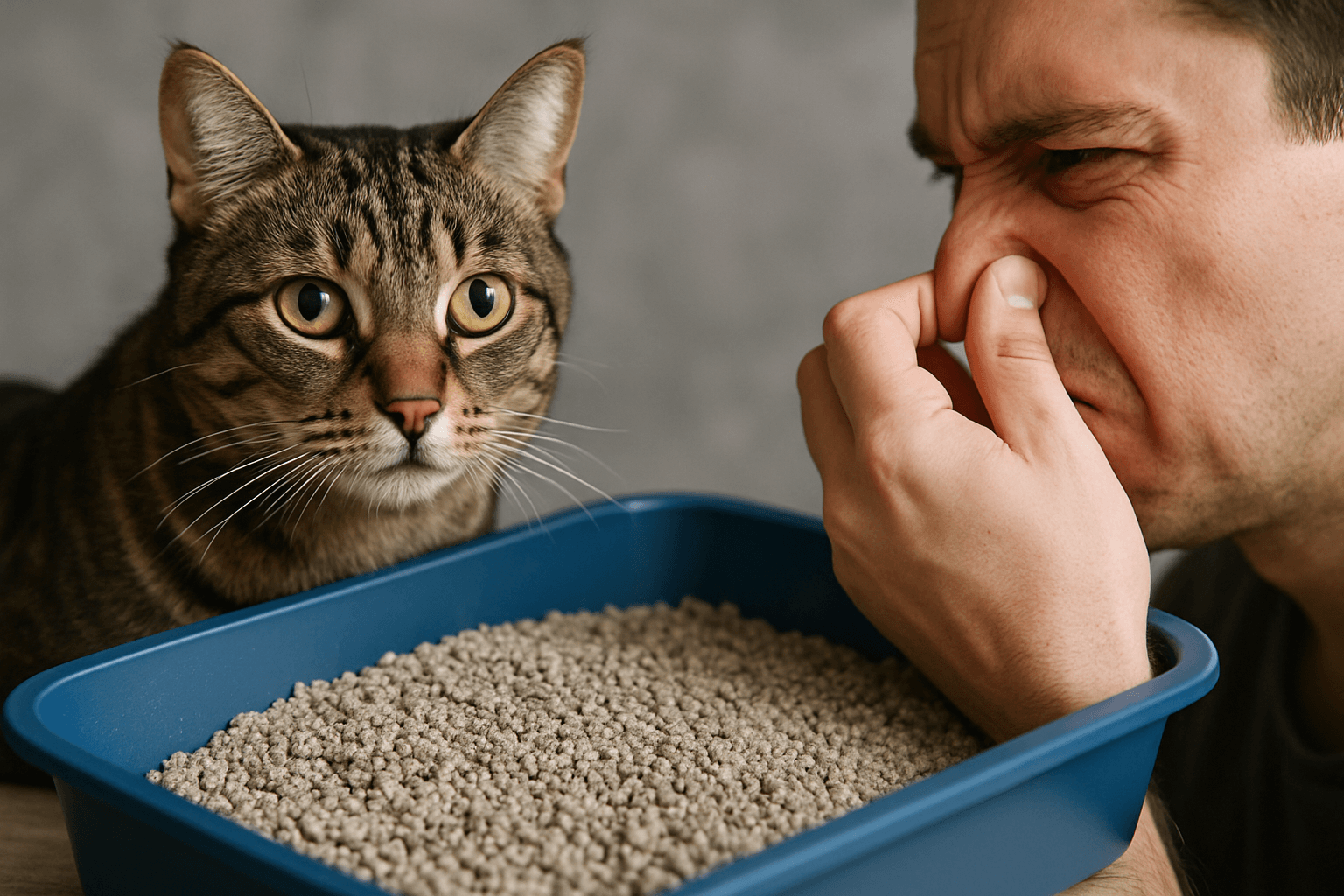
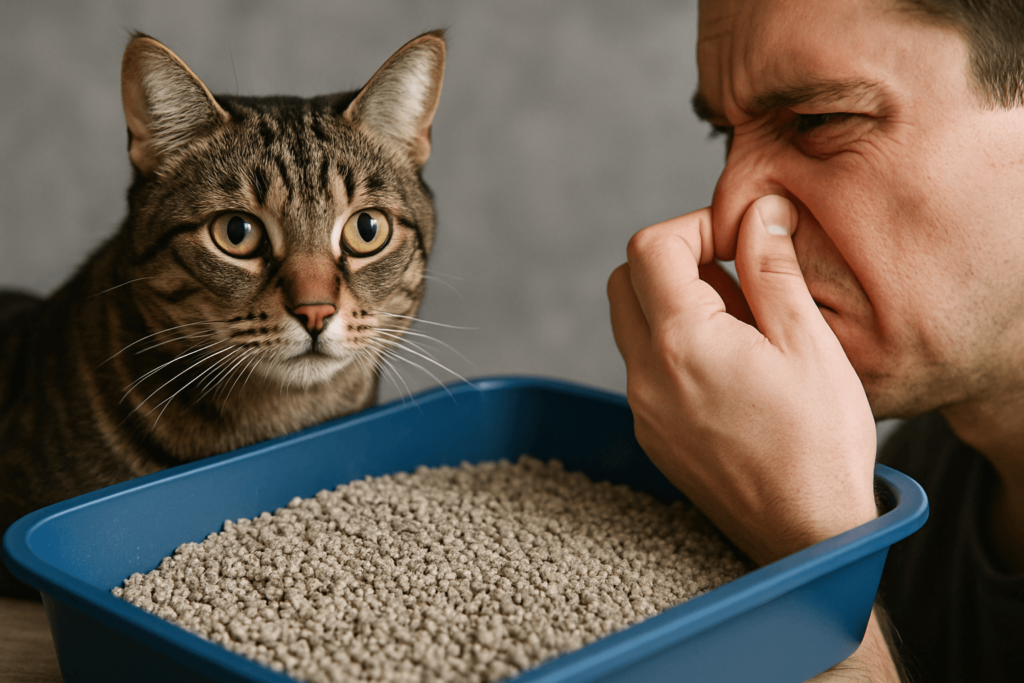
Cat litter is a daily necessity for millions of cat owners—but few consider whether it might impact their own well-being. While modern litters are designed for convenience and odor control, some ingredients and usage habits can pose subtle yet real health risks. From airborne dust to chemical fragrances and zoonotic pathogens, the connection between cat litter and human health is more significant than it first appears. Understanding these risks—and how to mitigate them—helps you care for your cat without compromising your own wellness.

Common Health Risks Linked to Cat Litter

While cat litter itself isn’t inherently dangerous, certain types and improper handling can introduce health concerns—especially for sensitive individuals or those with preexisting conditions.

 
  • Respiratory Irritation:
    Many clay-based or silica litters generate fine dust that, when inhaled regularly, can irritate the lungs and worsen asthma or allergies.

     
  • Chemical Exposure:
    Scented litters often contain synthetic fragrances and masking agents that may trigger headaches, nausea, or skin sensitivities in humans.

     
  • Ammonia Buildup:
    Infrequent scooping allows urine to break down into ammonia, a pungent gas that can cause eye, nose, and throat irritation—even in healthy adults.

     
  • Bacterial Contamination:
    Fecal matter in litter boxes harbors bacteria like E. coli and Salmonella, which can spread through poor hygiene practices.

     
  • Mold and Fungal Growth:
    In humid environments, damp litter can foster mold, especially in clumping or organic varieties, posing respiratory risks over time.


Being aware of these risks isn’t meant to alarm you—it’s to empower smarter choices. With proper handling and litter selection, these issues are largely preventable.

Can Cat Litter Affect Your Health? Best 7 Expert Tips!

Zoonotic Diseases: When Cat Litter Becomes a Health Vector

One of the most serious—but often overlooked—concerns is the potential for zoonotic disease transmission through cat feces, particularly Toxoplasma gondii.

 
  • Toxoplasmosis Risk:
    Cats can shed Toxoplasma oocysts in their feces after consuming infected prey. Humans can contract it through accidental ingestion—especially during litter box cleaning.

     
  • Pregnancy Precautions:
    Pregnant individuals are strongly advised to avoid litter duty, as toxoplasmosis can cause birth defects or miscarriage.

     
  • Immune-Compromised Vulnerability:
    People with weakened immune systems (e.g., from HIV, chemotherapy, or organ transplants) face higher risks of severe complications from zoonotic pathogens.

     
  • Cross-Contamination Hazards:
    Touching your face, food, or surfaces after cleaning a litter box without handwashing can spread pathogens throughout the home.

     
  • Delayed Oocyst Activation:
    Toxoplasma oocysts take 1–5 days to become infectious—making daily scooping a critical preventive measure.


Thankfully, simple hygiene and routine maintenance dramatically reduce these risks. Prevention, not fear, is the key.

Litter Type Human Health Considerations
Clumping Clay (Bentonite) High dust levels; may contain silica—potential respiratory irritant.
Silica Gel Crystals Low dust but may release micro-particles; strong odor control via moisture trapping.
Pine or Paper-Based Low dust, biodegradable; minimal chemical exposure—ideal for sensitive households.
Scented Litters Fragrance chemicals may trigger allergies, migraines, or respiratory discomfort.
Corn or Wheat-Based Generally eco-friendly, but may mold if not changed frequently in humid climates.

How Litter Dust Impacts Indoor Air Quality

Even “low-dust” litters release particles when poured or scooped—and these can linger in your home’s air for hours, especially in poorly ventilated spaces.

 
  • Fine Particulate Matter:
    Clay and silica litters produce PM2.5-sized particles, which can penetrate deep into the lungs and exacerbate chronic respiratory conditions.

     
  • Silica Concerns:
    Crystalline silica (found in some clumping litters) is classified as a potential carcinogen with long-term occupational exposure—though risk from household use remains debated.

     
  • Children and Pets at Risk:
    Toddlers crawling on floors or dogs sniffing near litter boxes may inhale or ingest more dust than adults realize.

     
  • Allergy Amplification:
    Dust can carry allergens like dander or mold spores, intensifying symptoms in allergic individuals.

     
  • Cumulative Exposure:
    Daily cleaning over years may lead to chronic low-level irritation, even if no acute reaction occurs initially.


Switching to dust-free or plant-based litters can significantly improve your home’s air quality—especially if you suffer from asthma, allergies, or chemical sensitivities.

Fragrance and Additives: Hidden Triggers in Scented Litters

That “fresh linen” or “ocean breeze” scent might mask odors—but it often comes at a cost to your health.

 
  • Phthalates and VOCs:
    Many synthetic fragrances contain volatile organic compounds (VOCs) and phthalates, which are linked to hormone disruption and respiratory issues.

     
  • Masking vs. Neutralizing:
    Scented litters don’t eliminate odors—they cover them up, potentially delaying necessary cleaning and allowing ammonia to build.

     
  • Neurological Sensitivity:
    Strong artificial scents can trigger migraines, dizziness, or nausea in sensitive individuals.

     
  • Misleading “Natural” Labels:
    Terms like “naturally scented” aren’t regulated—always check ingredient lists or opt for unscented varieties.

     
  • Pet Safety Too:
    Cats have an acute sense of smell; overpowering fragrances can stress them or cause litter box avoidance.


Choosing unscented, additive-free litter protects both your health and your cat’s comfort—without sacrificing cleanliness.

Best Practices for Safe Litter Box Maintenance

You don’t need to give up your cat—or your health—to enjoy a clean home. These practical habits minimize risk while maximizing hygiene.

 
  • Scoop Daily:
    Remove waste every 24 hours to prevent ammonia buildup and reduce pathogen activation (e.g., Toxoplasma).

     
  • Wash Hands Thoroughly:
    Always use soap and warm water after handling litter—even if you wore gloves.

     
  • Ventilate the Area:
    Open a window or use an exhaust fan during and after cleaning to disperse dust and odors.

     
  • Use a Litter Mat:
    Place a textured mat outside the box to trap litter granules tracked onto floors.

     
  • Replace Litter Completely Weekly:
    Even clumping litters accumulate bacteria and odors over time—full changes are essential.


Consistency is more powerful than perfection. Small, daily actions create a safer environment for everyone in your home.

Choosing a Health-Safe Litter: What to Look For

Not all litters are created equal—and the healthiest choice depends on your household’s unique needs.

 
  • Low or Zero Dust:
    Prioritize litters labeled “dust-free,” especially if you have respiratory conditions.

     
  • Unscented Formulas:
    Avoid artificial fragrances entirely; natural odor control (like activated charcoal or baking soda) is safer.

     
  • Biodegradable Materials:
    Pine, paper, or hemp litters break down safely and typically contain fewer industrial additives.

     
  • Non-Clumping Alternatives:
    If you’re concerned about bentonite or sodium silicate, try pellet-based or flushable paper litters.

     
  • Third-Party Certifications:
    Look for eco-labels or safety verifications from organizations like EPA Safer Choice or EWG Verified.


Your litter choice is a daily health decision—treat it like one. A few minutes of research can lead to years of safer, cleaner living.

Environmental and Long-Term Health Considerations

Beyond immediate reactions, the type of cat litter you use—and how you dispose of it—can have subtle but meaningful long-term effects on both your household environment and personal health.

 
  • Clay Mining Impact:
    The production of bentonite clay litter involves strip mining, which contributes to environmental degradation and may indirectly affect community air and water quality.

     
  • Plastic Packaging Waste:
    Many conventional litters come in non-recyclable plastic bags, adding to landfill burden and potential microplastic pollution over time.

     
  • Indoor Air Quality Decline:
    Chronic use of dusty or chemically scented litters can gradually reduce indoor air quality, especially in small or poorly ventilated homes.

     
  • Septic System Risks:
    Flushing non-flushable litter—even occasionally—can damage septic systems and introduce pathogens into local water supplies.

     
  • Cumulative Chemical Exposure:
    Daily exposure to low levels of synthetic additives (like artificial fragrances or dyes) may contribute to sensitization or hormonal disruption over years.


While these concerns may seem minor individually, their combined impact underscores the value of choosing safer, sustainable litter options—not just for your cat, but for your long-term well-being and the planet.

Frequently Asked Questions About Cat Litter and Human Health

Can breathing cat litter dust make you sick?

Regular inhalation of fine litter dust—especially from clay or silica—can irritate airways and worsen asthma or allergies. Using low-dust litters and wearing a mask during cleaning helps reduce exposure.

No. Most litters (even “flushable” ones) can clog pipes or introduce Toxoplasma into water systems. Always dispose of litter in sealed trash bags.

Even with daily scooping, replace all litter at least once a week. For non-clumping types, change every 2–3 days.

No—Toxoplasma is transmitted through ingestion, not inhalation. However, oocysts can become airborne in dust, so avoid stirring up debris and wash hands thoroughly.

Generally, yes. Plant-based litters (like pine, paper, or corn) produce less dust, contain no synthetic chemicals, and are biodegradable—making them safer for sensitive households.


Prioritize Health Without Sacrificing Convenience

Cat litter doesn’t have to be a health hazard—it just needs mindful management. By choosing cleaner materials, maintaining strict hygiene, and understanding the hidden risks, you protect both your well-being and your cat’s comfort. A safe litter routine isn’t about fear; it’s about awareness, care, and balance. With the right approach, your home can stay fresh, healthy, and harmonious—for everyone in it.

Is Rawhide Bad for Cats? Best 7 Expert Tips!

Is Rawhide Bad for Cats? Best 7 Expert Tips! – Discover the risks, safe alternatives, and expert advice to keep your feline friend healthy and happy.

Is Rawhide Bad for Dogs? Best 7 Expert Tips!

Is Rawhide Bad for Dogs? Best 7 Expert Tips! – Discover the risks, benefits, and safer alternatives to rawhides for your dog’s chewing needs.

Understanding Anorexia in Cats: Best 7 Expert Tips!

Understanding Anorexia in Cats: Best 7 Expert Tips! – Learn why cats stop eating, spot warning signs, and discover how to help your feline regain appetite safely.

Understanding Anorexia in Dogs: Best 7 Expert Tips!

Understanding Anorexia in Dogs: Best 7 Expert Tips! – Learn causes, symptoms, and solutions to help your dog regain appetite and stay healthy.

Leave a Reply

Your email address will not be published. Required fields are marked *