
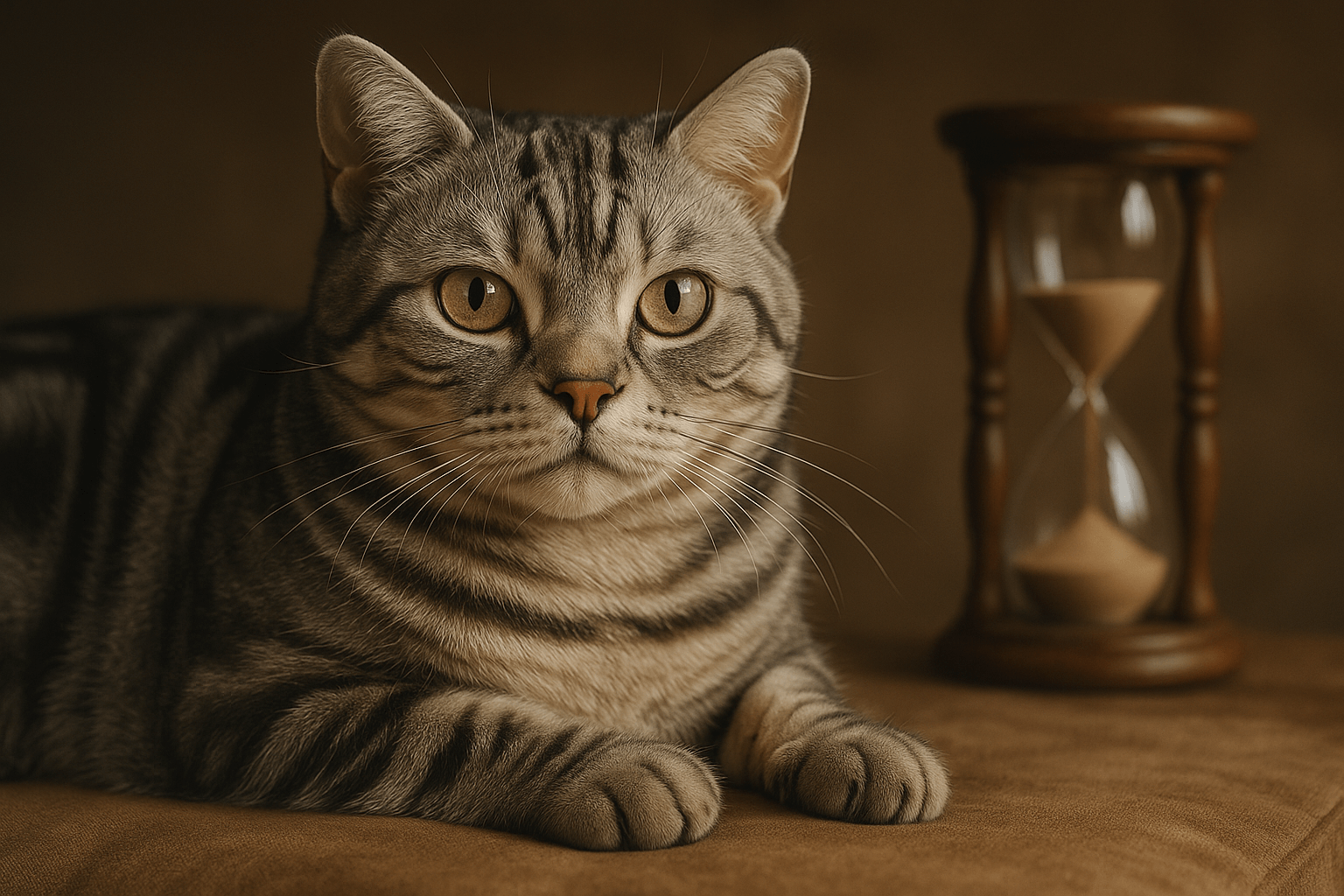
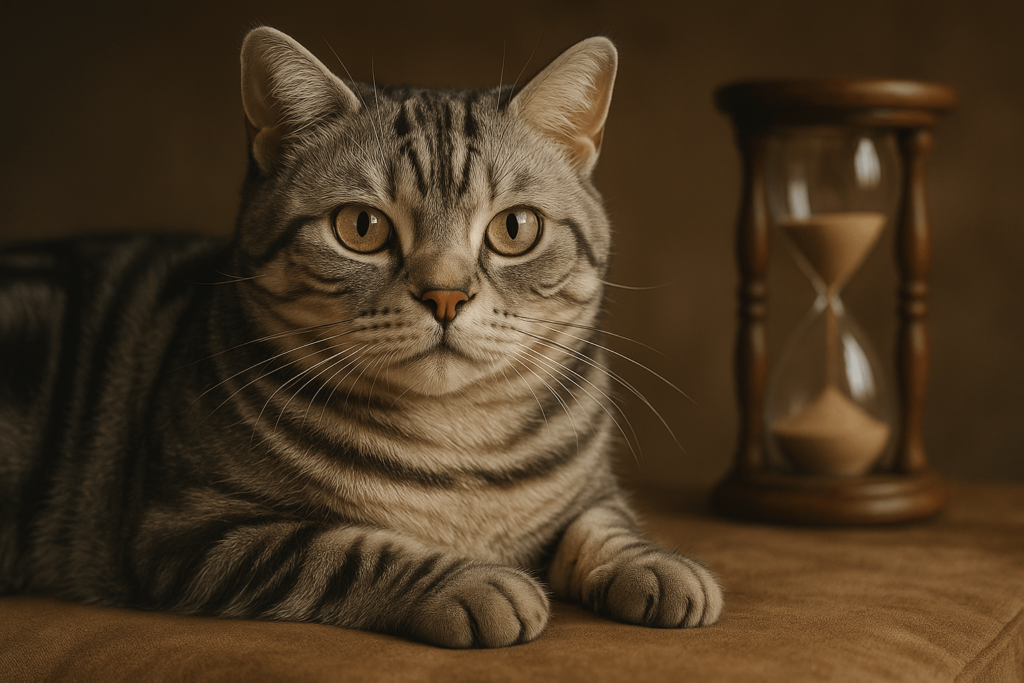

American Shorthair Lifespan: Best 7 Expert Tips!

American Shorthair Lifespan: Best 7 Expert Tips!

American Shorthair Lifespan: What to Expect from This Beloved Breed

The American Shorthair is more than just a handsome face—this resilient, affectionate breed is known for its remarkable longevity and robust health. If you’re considering welcoming one into your home or already share your life with one, understanding their typical lifespan and how to support it is essential. With the right care, love, and environment, your American Shorthair can be your loyal companion for well over a decade.

What Determines the American Shorthair Lifespan?

While genetics play a foundational role, your cat’s lifespan is significantly shaped by daily care, nutrition, and emotional well-being. The American Shorthair is naturally hardy, but proactive ownership makes all the difference.

 
  • Genetic Resilience:
    Bred from working cats that survived harsh conditions, American Shorthairs have fewer inherited disorders than many purebreds.

     
  • Diet Quality:
    A consistent, high-protein, low-carb diet tailored to their life stage directly impacts organ health and longevity.

     
  • Indoor vs. Outdoor Living:
    Indoor cats typically live longer due to reduced exposure to traffic, predators, toxins, and infectious diseases.

     
  • Veterinary Preventive Care:
    Regular check-ups, vaccinations, and dental cleanings catch issues early and prevent life-shortening illnesses.

     
  • Emotional Stability:
    Low-stress environments and strong human bonds reduce cortisol levels, supporting immune function and overall vitality.


With their adaptable nature and strong constitution, American Shorthairs often outlive the average domestic cat—especially when given attentive, informed care.

 
American Shorthair Lifespan: Best 7 Expert Tips!

Typical Lifespan Range for American Shorthairs

Most American Shorthairs enjoy a long and healthy life, but knowing the realistic range helps set expectations and plan for their golden years.

 
  • Average Lifespan:
    15 to 20 years is common, with many reaching 18+ years under optimal conditions.

     
  • Record Holders:
    Some documented American Shorthairs have lived past 20 years, thanks to exceptional genetics and meticulous care.

     
  • Early Life Factors:
    Kittens that receive proper socialization, nutrition, and parasite control are more likely to reach senior age in good health.

     
  • Gender Influence:
    Spayed or neutered females often live slightly longer than males, though both genders thrive with proper care.

     
  • Breed Comparison:
    Compared to other breeds, the American Shorthair is among the longest-lived due to its diverse gene pool and lack of extreme physical traits.


Their longevity isn’t accidental—it’s the result of centuries of natural selection and their status as a “working cat” breed that evolved for survival.

Factors That Extend Lifespan Risks That Shorten Lifespan
High-quality wet and dry food diet Free-feeding or high-carb kibble
Indoor-only or supervised outdoor access Unrestricted outdoor roaming
Annual veterinary check-ups and dental care Skipping preventive vet visits
Daily mental and physical stimulation Chronic boredom or isolation
Maintained healthy weight through portion control Obesity from overfeeding or lack of activity

Nutrition’s Role in Longevity

Diet is perhaps the most powerful tool you have to influence your American Shorthair’s lifespan. This breed is prone to weight gain, so nutritional precision is key.

 
  • Protein as Priority:
    As obligate carnivores, American Shorthairs thrive on animal-based proteins—chicken, turkey, fish, or rabbit should dominate their meals.

     
  • Moisture Matters:
    Including wet food daily supports kidney and urinary health, especially critical as they age.

     
  • Avoid Fillers:
    Corn, soy, and wheat offer little nutritional value and may trigger allergies or inflammation over time.

     
  • Portion Discipline:
    Free-feeding dry food leads to obesity; measure meals based on weight, age, and activity level.

     
  • Supplement Wisely:
    Omega-3 fatty acids, probiotics, and taurine can support heart, coat, and gut health—but only under vet guidance.


A well-fed American Shorthair isn’t just lean and energetic—they’re biologically equipped to resist disease and age gracefully.

The Impact of Environment and Lifestyle

Your home environment shapes your cat’s stress levels, activity, and exposure to hazards—all of which influence how long they live.

 
  • Safe Indoor Spaces:
    Cat-proofed homes with vertical space (cat trees, shelves) reduce accidents and encourage natural behaviors.

     
  • Controlled Outdoor Access:
    Enclosed catio or leash walks provide stimulation without the risks of traffic or fights.

     
  • Consistent Routine:
    Cats thrive on predictability; sudden changes in schedule or environment can trigger chronic stress.

     
  • Social Enrichment:
    Companionship—whether human or feline—reduces loneliness and encourages play and grooming.

     
  • Toxin Awareness:
    Keep lilies, essential oils, and household cleaners out of reach; even small exposures can be fatal.


A calm, engaging, and hazard-free home isn’t just comfortable—it’s a longevity strategy in disguise.

Common Health Issues That Can Affect Lifespan

While generally healthy, American Shorthairs aren’t immune to certain conditions that, if unmanaged, can shorten their lives.

 
  • Hypertrophic Cardiomyopathy (HCM):
    A genetic heart condition; regular cardiac screenings can detect it early.

     
  • Obesity:
    Excess weight strains joints, increases diabetes risk, and burdens the heart and liver.

     
  • Dental Disease:
    Untreated tartar leads to gum infection, tooth loss, and systemic inflammation.

     
  • Diabetes Mellitus:
    Often linked to high-carb diets and obesity; reversible in early stages with diet and insulin.

     
  • Chronic Kidney Disease (CKD):
    Common in senior cats; early detection through bloodwork allows for management and extended quality of life.


Proactive screening and lifestyle adjustments can prevent or delay the onset of these conditions, preserving both years and quality of life.

Senior Care for Aging American Shorthairs

When your American Shorthair enters their senior years (typically around age 11), their needs evolve—and so should your care approach.

 
  • Biannual Vet Visits:
    Twice-yearly check-ups catch age-related issues like thyroid imbalances or arthritis before they worsen.

     
  • Joint Support:
    Slippery elm, glucosamine, or heated beds ease mobility challenges and encourage movement.

     
  • Diet Adjustments:
    Switch to senior-formulated food with kidney support, lower phosphorus, and easily digestible proteins.

     
  • Litter Box Accessibility:
    Low-entry boxes prevent accidents and reduce stress for cats with stiffness or pain.

     
  • Gentle Interaction:
    Respect reduced energy levels; offer quiet cuddles over boisterous play.


With thoughtful adjustments, your senior American Shorthair can enjoy comfort, dignity, and deep connection well into their late teens.

Signs Your American Shorthair Is Aging Gracefully

As your American Shorthair enters their senior years, subtle changes in behavior and physical condition can indicate how well they’re aging. Recognizing these signs helps you adjust their care proactively and celebrate the quality of their golden years.

 
  • Consistent Appetite:
    A healthy senior still shows interest in meals and maintains steady food intake without sudden aversions.

     
  • Grooming Habits Remain Intact:
    Despite reduced flexibility, they continue to groom themselves regularly, keeping their coat clean and smooth.

     
  • Engagement with Family:
    They seek out human interaction, respond to their name, and enjoy gentle petting or quiet companionship.

     
  • Stable Litter Box Use:
    No accidents outside the box and regular urination/defecation habits signal good urinary and digestive health.

     
  • Calm but Alert Demeanor:
    While less energetic, they remain aware of their surroundings and show curiosity about household activity.


These signs reflect not just longevity—but vitality. When your American Shorthair ages with dignity and comfort, it’s a testament to the love and care you’ve provided throughout their life.

Frequently Asked Questions About American Shorthair Lifespan

How long do American Shorthairs usually live?

Most live 15–20 years, with many reaching 18+ years when kept indoors and given excellent care.

Yes—thanks to their diverse genetics and lack of extreme physical traits, they often outlive breeds prone to inherited disorders.

Absolutely. With proper diet, preventive care, and a low-stress environment, 20+ years is achievable.

Yes—it reduces the risk of reproductive cancers and roaming-related injuries, often extending life by several years.

Keep them indoors, feed a high-moisture, high-protein diet, and never skip annual vet exams.

Cherishing Every Year With Your American Shorthair

The American Shorthair’s long lifespan is a gift—one that invites deep bonding, shared routines, and years of quiet companionship. By honoring their needs with quality food, preventive care, and a loving home, you’re not just extending their life. You’re enriching every moment of it. After all, a well-cared-for cat doesn’t just live longer—they live better. And that’s the true measure of a life well-lived, whiskers and all.

Is Rawhide Bad for Cats? Best 7 Expert Tips!

Is Rawhide Bad for Cats? Best 7 Expert Tips! – Discover the risks, safe alternatives, and expert advice to keep your feline friend healthy and happy.

Is Rawhide Bad for Dogs? Best 7 Expert Tips!

Is Rawhide Bad for Dogs? Best 7 Expert Tips! – Discover the risks, benefits, and safer alternatives to rawhides for your dog’s chewing needs.

Understanding Anorexia in Cats: Best 7 Expert Tips!

Understanding Anorexia in Cats: Best 7 Expert Tips! – Learn why cats stop eating, spot warning signs, and discover how to help your feline regain appetite safely.

Understanding Anorexia in Dogs: Best 7 Expert Tips!

Understanding Anorexia in Dogs: Best 7 Expert Tips! – Learn causes, symptoms, and solutions to help your dog regain appetite and stay healthy.

Leave a Reply

Your email address will not be published. Required fields are marked *