
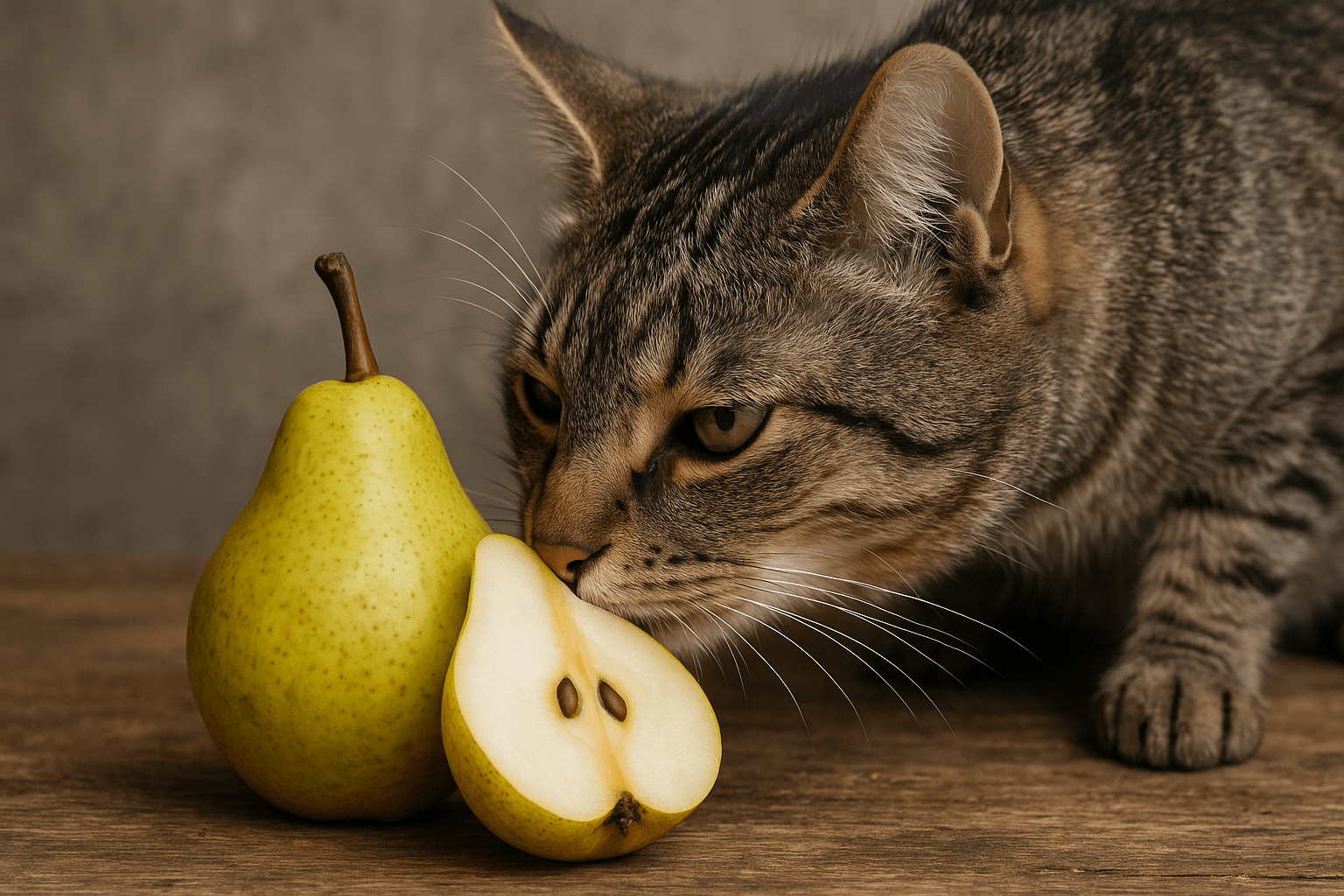
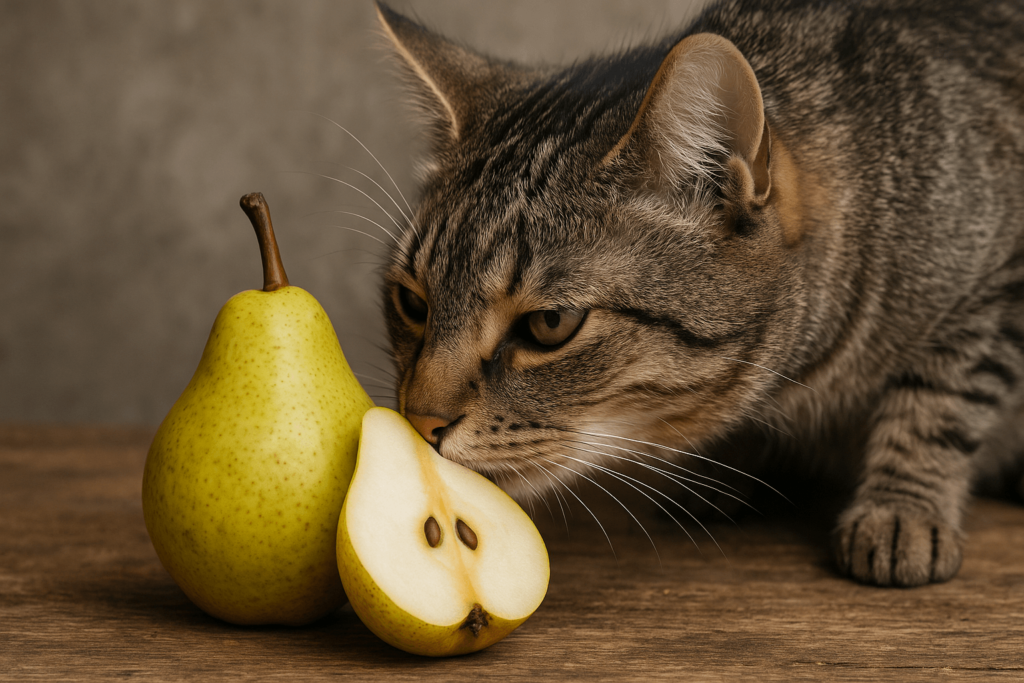

Can Cats Eat Pear?
Pears are sweet, juicy, and packed with nutrients for humans—but are they safe for our feline friends? While cats are obligate carnivores and thrive on animal-based protein, they may show curiosity toward fruit. The short answer is: yes, in very small amounts. But the full story involves understanding what pears offer, what risks they pose, and how to offer them responsibly—if at all.
Why Some Cat Owners Consider Offering Pears
Many pet parents wonder if sharing healthy human foods like pears is a harmless treat or a hidden hazard. Though cats don’t require fruit in their diet, occasional interest in pears may prompt questions about safety and nutritional value.
Natural Curiosity:
Cats often mimic their owners or investigate new scents, leading them to sniff or lick a slice of pear.Hydration Boost:
Pears have high water content (~84%), which could theoretically support hydration—though wet cat food is far more effective.Fiber Content:
A tiny amount of pear contains soluble fiber, which may aid digestion in rare cases of mild constipation.Low Fat and Protein-Free:
Unlike meat, pears won’t disrupt a cat’s protein-focused metabolism when given sparingly.Non-Toxic When Prepared Properly:
Unlike grapes or onions, pears aren’t inherently toxic to cats—if seeds, core, and skin are removed.
While these points may seem encouraging, it’s crucial to remember that cats gain no essential nutrients from fruit. Any pear offering should be occasional, minimal, and vet-approved.
Potential Risks of Feeding Pears to Cats
Despite being non-toxic in controlled amounts, pears carry several risks that outweigh their limited benefits.
High Sugar Content:
Pears contain natural sugars (fructose and glucose), which can contribute to weight gain, dental decay, or even diabetes in cats.Gastrointestinal Upset:
A cat’s digestive system isn’t designed to process plant sugars or fiber efficiently—leading to diarrhea, gas, or vomiting.Choking or Obstruction Hazard:
Large or improperly cut pieces can pose a choking risk, especially for kittens or small breeds.Toxic Seeds:
Pear seeds contain trace amounts of cyanogenic glycosides, which can release cyanide when chewed—never feed seeds to your cat.Pesticide Residue:
Non-organic pears may carry pesticide residues on the skin, which can be harmful even in small doses.
Because cats lack sweet taste receptors, they don’t crave pears for flavor. Any consumption is usually accidental or exploratory—making intentional feeding unnecessary and potentially risky.
Check this guide 👉Can Cats Eat Raw Beef? Best 7 Expert Tips!
Check this guide 👉Can Cats Eat Star Fruit? Best 7 Expert Tips!
Check this guide 👉Can Cats Eat Soybean Oil? Best 7 Expert Tips!
| Safe Pear Practices for Cats | Unsafe Pear Practices |
|---|---|
| Offer only a 1/2-inch cube of peeled, seedless flesh | Feeding whole slices or large chunks |
| Use organic pears when possible | Giving pears with skin or core |
| Limit to once every few weeks | Offering pears as a regular treat |
| Monitor for 24 hours after feeding | Ignoring signs of digestive upset |
| Consult your vet before introducing any fruit | Assuming all fruits are safe for cats |
Nutritional Profile of Pears: What’s in It for Cats?
Pears are nutritious for humans—but cats process nutrients very differently. Their bodies are optimized for meat, not plant-based vitamins.
Vitamin C:
Cats synthesize their own vitamin C and don’t benefit from external sources.Potassium and Copper:
While present in pears, these minerals are already abundant in high-quality cat food.Antioxidants:
Though beneficial in theory, feline metabolism doesn’t utilize plant antioxidants the same way humans do.Water Content:
At ~84% water, pears offer hydration—but cats already get sufficient moisture from wet food.Fiber (2.5g per 100g):
May help in rare cases of mild constipation, but too much causes diarrhea.
In short, pears offer no essential nutrients missing from a balanced feline diet. Commercial cat food is formulated to meet 100% of a cat’s nutritional needs—making fruit supplementation redundant.
Signs Your Cat Reacted Poorly to Pear
Even a small amount of pear can trigger adverse reactions in sensitive cats. Watch closely for these warning signs within 24 hours.
Vomiting or Diarrhea:
Indicates digestive intolerance or irritation from sugar or fiber.Lethargy or Loss of Appetite:
May signal mild toxicity or gastrointestinal discomfort.Excessive Lip Licking or Drooling:
Could suggest oral irritation or nausea.Abdominal Discomfort:
Your cat may hunch, avoid being touched near the belly, or seem restless.Changes in Litter Box Habits:
Loose stools or increased frequency are red flags.
If you observe any of these symptoms—especially after feeding seeds or skin—contact your veterinarian immediately. While rare, complications can escalate quickly in small or elderly cats.
Healthier Alternatives to Pears for Cats
If you want to treat your cat, safer and more species-appropriate options exist that align with their carnivorous biology.
Cooked, Unseasoned Chicken:
High in protein, easily digestible, and naturally appealing.Commercial Cat Treats:
Formulated for feline nutrition with controlled calories and no harmful additives.Freeze-Dried Liver or Fish:
Single-ingredient treats that satisfy instinctual cravings without fillers.Bone Broth (Cat-Safe):
Low-sodium, additive-free bone broth can add flavor and hydration to meals.Catnip or Silvervine:
Non-food “treats” that provide mental stimulation and joy without calories.
These alternatives support health, satisfy curiosity, and avoid the digestive risks of fruit—making them far superior to pear slices.
Special Considerations for Kittens, Seniors, and Sick Cats
Not all cats handle new foods the same way. Life stage and health status dramatically influence risk.
Kittens:
Their digestive systems are still developing—introducing pears can cause severe GI upset or dehydration.Senior Cats:
Often have reduced kidney or liver function; added sugar or fiber can strain these organs.Diabetic Cats:
Even small amounts of natural sugar in pears can disrupt blood glucose levels.Cats with IBD or Sensitive Stomachs:
Fruit can trigger flare-ups or chronic diarrhea.Overweight Cats:
Extra calories from sugar—however minimal—contribute to weight gain over time.
For these groups, avoid fruit entirely. Their nutritional needs are too precise to risk unnecessary experimentation.
How to Safely Introduce Pear (If You Choose To)
If you decide to offer a tiny taste, proceed with extreme caution and follow these steps.
Peel the Skin Completely:
Remove all traces of skin to avoid pesticide exposure and choking.Remove Core and Seeds:
Discard the entire center—seeds are toxic, and the core is indigestible.Cut into a ½-Inch Cube Max:
Smaller than a pea for kittens; no larger than a dice for adults.Offer During Daylight Hours:
So you can monitor for reactions while you’re awake and alert.Never Mix with Other New Foods:
Introduce only one novel item at a time to isolate cause and effect.
Remember: just because you can doesn’t mean you should. Most veterinarians advise against feeding fruit altogether—opting instead for protein-based rewards.
Frequently Asked Questions About Cats and Pears
Can cats eat pear skin?
No. The skin may contain pesticides and is difficult to digest. Always peel before considering offering any fruit.
Are pear seeds dangerous for cats?
Yes. They contain cyanide-producing compounds. Even one or two chewed seeds can be harmful over time.
How much pear is too much for a cat?
More than a single ½-inch cube once a month is unnecessary and risky. Less is always safer.
Do cats like the taste of pears?
Most don’t—they lack taste receptors for sweetness. Any interest is usually tactile or olfactory, not gustatory.
Can pears cause diarrhea in cats?
Yes. The fiber and sugar can disrupt their sensitive digestive balance, leading to loose stools.
Final Thoughts: Keep Treats Species-Appropriate
Cats don’t need fruit to thrive—and pears, while not acutely toxic in tiny amounts, offer no real benefit while posing several risks. Their biology is fine-tuned for meat, moisture, and minimal carbohydrates. When you honor that truth, you support not just their health, but their natural instincts. Instead of sharing human snacks, invest in high-quality cat food, interactive play, and vet-approved treats. Your cat may glance at your pear slice—but what they truly crave is a diet that reflects who they are: a hunter, a carnivore, and your cherished companion.
Pemphigus Erythematosus in Cats: Best 7 Expert Tips! – Learn to recognize symptoms, manage flare-ups, and improve your cat’s quality of life.
Pemphigus Erythematosus in Dogs: Best 7 Expert Tips! – Discover causes, symptoms, and treatment options to manage this autoimmune skin condition effectively.
Cat Tympanic Membrane: Best 7 Expert Tips! – Learn how to protect your cat’s eardrum, spot issues early, and ensure lifelong auditory health.
Dog Tympanic Membrane: Best 7 Expert Tips! – Learn how to protect your dog’s eardrum, spot issues early, and ensure lifelong ear health with expert advice.


