

Cat Abdominal Pain Symptoms: Best 7 Expert Tips!

Cat Abdominal Pain Symptoms: Best 7 Expert Tips!

Cat Abdominal Pain Symptoms: Recognizing the Signs Before It’s Too Late


Cats are masters of concealment. When they’re in pain — especially abdominal pain — they rarely cry out or act obviously sick. Instead, they withdraw, hide, or subtly change their behavior. This makes detecting abdominal discomfort one of the most challenging tasks for cat owners. But recognizing the early signs can mean the difference between a simple remedy and a life-threatening emergency. In this guide, we’ll explore the most common and often overlooked symptoms of abdominal pain in cats, what they mean, and how to respond before it’s too late.

The Hidden Signs of Abdominal Pain in Cats


Cats don’t show pain the way humans do. Their instinct to hide weakness is deeply ingrained — a survival trait from their wild ancestors. That’s why subtle changes in behavior are often the only clues you’ll get.

 
  • Lethargy and Reduced Activity: Your cat may stop jumping onto the couch, avoid playtime, or sleep more than usual — not from aging, but from internal discomfort.

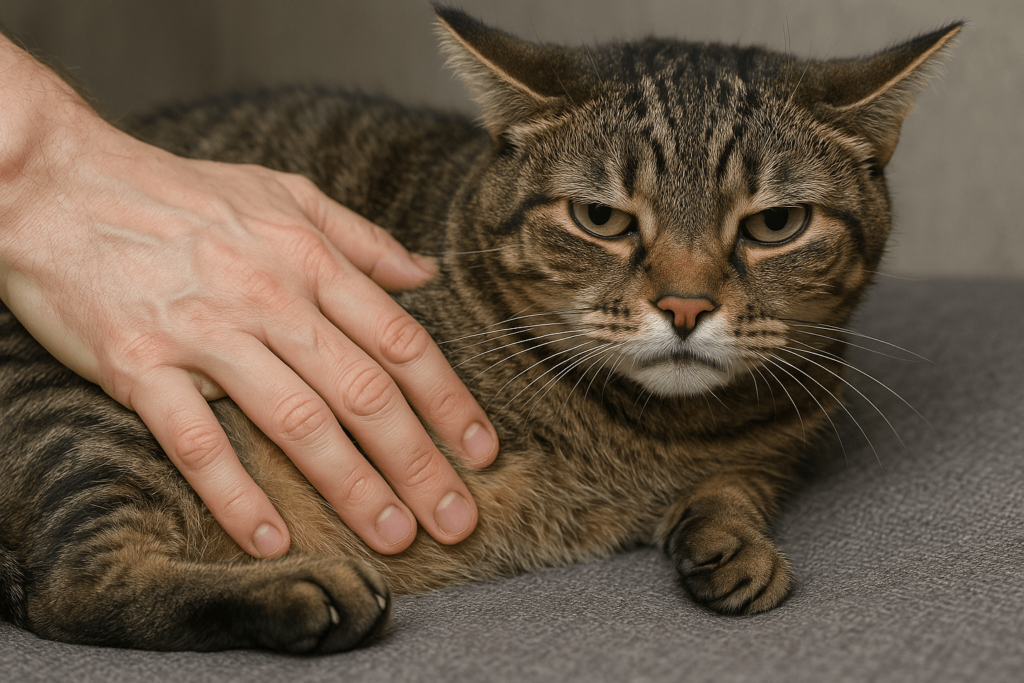
  • Hunched Posture: A cat in abdominal pain often curls into a tight ball, tucking their paws underneath and lowering their head — a protective stance to shield their belly.

  • Loss of Appetite: Even the most food-motivated cat may turn away from their favorite treat. Abdominal pain suppresses hunger signals and makes eating painful.

  • Grooming Changes: Over-grooming near the abdomen or neglecting grooming entirely can signal discomfort or nausea.

  • Vocalization or Irritability: A normally calm cat may hiss, growl, or avoid being touched — especially around the midsection.


These signs are easy to dismiss as “just being lazy” or “in a mood.” But when they appear together, they’re your cat’s quiet cry for help. Ignoring them can delay critical care.

Cat Abdominal Pain Symptoms: Best 7 Expert Tips!

Physical Indicators That Demand Immediate Attention


Beyond behavioral shifts, there are visible, physical symptoms of abdominal pain that should never be ignored. These are red flags that require prompt veterinary evaluation.

 
  • Visible Swelling or Distension: A bloated or rigid belly can indicate fluid buildup, organ enlargement, or intestinal blockage — all serious conditions.

  • Restlessness or Pacing: Your cat may get up, walk a few steps, lie down, and repeat — unable to find a comfortable position due to internal pain.

  • Drooling or Lip Licking: Excessive salivation or frequent tongue flicking often signals nausea or gastrointestinal distress.

  • Straining to Defecate or Urinate: Pain in the lower abdomen may cause your cat to squat repeatedly without producing waste — a sign of constipation, urinary blockage, or inflammation.

  • Pale Gums or Rapid Breathing: These are signs of shock or systemic illness. If your cat’s gums are white or blue, and breathing is shallow or fast, seek emergency care immediately.


Abdominal pain isn’t a single condition — it’s a symptom of dozens of underlying issues. Recognizing these physical cues helps you act fast, potentially saving your cat’s life.

Behavioral Signs Physical Signs
Hiding more than usual Swollen or hard abdomen
Refusing food or water Drooling or excessive licking
Avoiding being touched Straining to urinate or defecate
Changes in litter box habits Pale or blue gums
Unusual vocalizations Rapid, shallow breathing

Common Causes of Abdominal Pain in Cats


Abdominal pain doesn’t come from nowhere. It’s usually the result of an underlying medical condition. Understanding the most frequent causes helps you anticipate risks and respond appropriately.

 
  • Gastrointestinal Obstruction: Ingesting string, hairballs, or foreign objects can block the intestines — a life-threatening emergency requiring surgery.

  • Pancreatitis: Inflammation of the pancreas causes severe pain, vomiting, and loss of appetite. Often triggered by high-fat meals or unknown causes.

  • Urinary Tract Issues: Bladder infections, stones, or urethral blockages cause intense lower abdominal pain — especially dangerous in male cats.

  • Liver or Kidney Disease: Chronic conditions can cause nausea, weight loss, and dull abdominal discomfort that worsens over time.

  • Infections or Peritonitis: Bacterial infections in the abdominal cavity lead to fever, pain, and systemic illness. Often follows trauma or ruptured organs.


Each cause requires a different treatment — which is why self-diagnosis is dangerous. Early detection through symptom recognition is your best defense.

When to Rush to the Vet: Emergency Red Flags


Not every case of abdominal pain needs an ER visit — but some do. Knowing when to act immediately can save your cat’s life.

 
  • No Urination for 24+ Hours: Male cats can die within 48 hours of a urinary blockage. This is a true emergency.

  • Vomiting Blood or Coffee-Grounds-Like Material: Indicates internal bleeding or severe gastritis.

  • Sudden, Severe Abdominal Distension: Could mean a ruptured organ or internal hemorrhage.

  • Collapse or Unresponsiveness: Suggests shock, poisoning, or organ failure.

  • High Fever (Over 103°F) with Lethargy: Signals systemic infection requiring urgent antibiotics or fluids.


If you see any of these, do not wait. Call your vet or nearest emergency clinic now. Time is critical.

What Your Vet Will Do to Diagnose Abdominal Pain


Veterinarians use a combination of physical exams and diagnostics to pinpoint the source of pain. Knowing what to expect reduces anxiety and helps you support your cat.

 
  • Physical Palpation: The vet will gently press on your cat’s abdomen to check for tenderness, masses, or fluid.

  • Blood Tests: To assess kidney, liver, and pancreatic function, as well as check for infection or dehydration.

  • Urine Analysis: Identifies urinary tract infections, crystals, or signs of kidney disease.

  • X-rays or Ultrasound: Reveals obstructions, tumors, fluid, or organ abnormalities invisible to touch.

  • Fecal Exam: Screens for parasites, bacteria, or signs of intestinal inflammation.


These tests are non-invasive and often quick. The goal isn’t to overwhelm you with procedures — it’s to find the cause so your cat can get relief.

How to Prevent Abdominal Pain in Your Cat


Prevention is always better than emergency treatment. While not all causes are avoidable, many can be minimized with smart habits.

 
  • Keep Dangerous Items Out of Reach: Strings, rubber bands, plastic bags, and small toys can be swallowed and cause obstructions.

  • Feed High-Quality, Species-Appropriate Food: Avoid cheap kibble with fillers. Opt for grain-free, high-protein diets that support digestion.

  • Regular Hairball Control: Brush your cat daily and use hairball remedies if needed — especially in long-haired breeds.

  • Ensure Fresh Water Access: Hydration prevents urinary crystals and supports kidney health.

  • Schedule Annual Check-Ups: Early detection of kidney, liver, or thyroid disease can prevent painful complications.


A few minutes of daily care can prevent hours of vet bills — and more importantly, your cat’s suffering.


Managing Chronic Abdominal Discomfort


Some cats live with recurring abdominal pain due to conditions like IBD (Inflammatory Bowel Disease), food sensitivities, or chronic pancreatitis.

 
  • Specialized Diets: Prescription low-residue or hydrolyzed protein diets can dramatically reduce inflammation and discomfort.

  • Medication Compliance: Anti-inflammatories, probiotics, or antinausea drugs must be given consistently — never skipped.

  • Stress Reduction: Anxiety worsens GI issues. Use pheromone diffusers, quiet spaces, and consistent routines.

  • Weight Management: Overweight cats are more prone to liver and pancreatic problems. Work with your vet on a safe weight-loss plan.

  • Monitoring Logs: Track food intake, litter box habits, and behavior daily. Small changes matter.


Chronic doesn’t mean untreatable. With the right management plan, your cat can live comfortably for years.


Frequently Asked Questions About Cat Abdominal Pain

 
Can stress cause abdominal pain in cats?

Yes. Stress triggers gastrointestinal upset, leading to vomiting, diarrhea, or loss of appetite. Moving homes, new pets, or loud noises can all contribute.

Infrequent vomiting (once every few weeks) may be normal, especially if hairballs are involved. Frequent vomiting (weekly or daily) is not — and signals pain or illness.


Yes. Excessive licking, especially if the skin is red or hairless, can indicate pain, allergies, or internal discomfort. Rule out medical causes before assuming it’s behavioral.

Absolutely not. Acetaminophen (Tylenol), ibuprofen, and even aspirin are deadly to cats. Never administer human drugs without veterinary instruction.

If symptoms last more than 24 hours — or if they’re severe (vomiting, lethargy, bloating) — go immediately. Cats deteriorate quickly.

Embrace Awareness — Your Cat’s Life Depends on It


Abdominal pain in cats is rarely obvious — but it’s almost always urgent. The quiet cat who stops eating, the one who curls into a ball on the floor, the one who licks their belly obsessively — these are not “just being odd.” They are communicating in the only language they know: silence and subtle change. As their guardian, your job isn’t to wait for a scream. It’s to listen to the whispers. Learn the signs. Trust your instincts. Act before it’s too late. Because when it comes to your cat’s health, the most powerful tool you have isn’t medicine — it’s awareness. And awareness begins with you.

 
Can I Give My Cat Midol? Best 7 Expert Tips!

Can I Give My Cat Midol? Best 7 Expert Tips! – Learn the risks, symptoms, and safe alternatives to keep your cat healthy and avoid toxic reactions.

Can I Give My Dog Midol? Best 7 Expert Tips!

Can I Give My Dog Midol? Best 7 Expert Tips! – Discover the risks, safe alternatives, and expert advice to keep your dog safe from accidental poisoning.

Maximum Weight for Cats on Planes: Best 7 Expert Tips!

Maximum Weight for Cats on Planes: Best 7 Expert Tips! – Learn airline policies, tips to stay compliant, and ensure safe travels for your feline friend.

Max Weight for Dogs on Planes: Best 7 Expert Tips!

Max Weight for Dogs on Planes: Best 7 Expert Tips! – Discover airline weight limits, safe travel tips, and solutions for flying with your dog stress-free.

Leave a Reply

Your email address will not be published. Required fields are marked *