
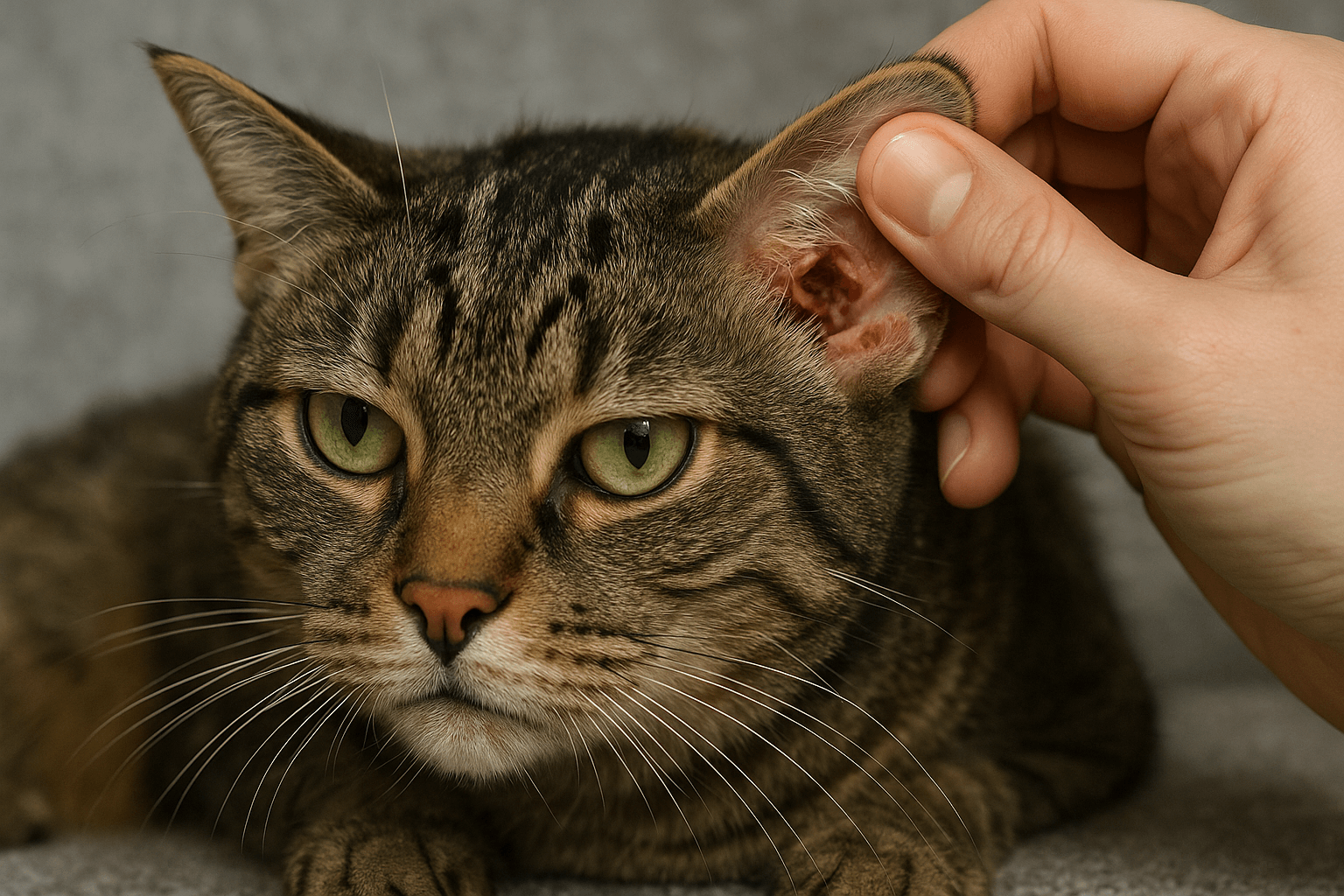
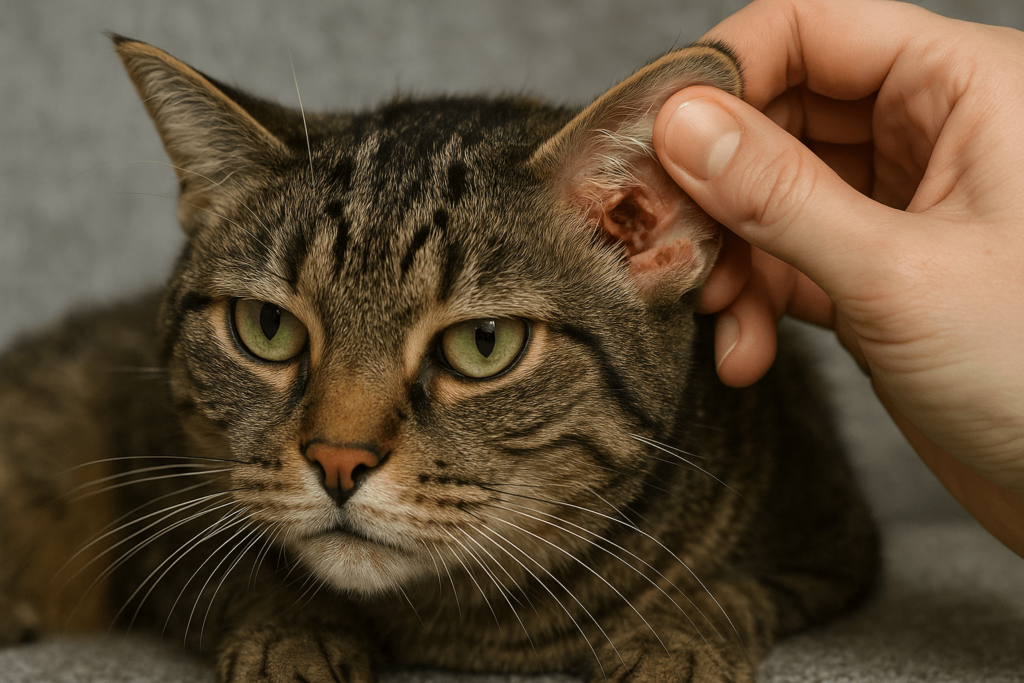

How to Know If Your Cat Has an Ear Infection: 7 Telltale Signs You Can’t Ignore
Cats are masters of hiding pain — which makes ear infections one of the most insidious health issues they can face. Unlike dogs, cats rarely shake their heads or cry out when something’s wrong. Instead, they retreat, groom obsessively, or simply seem “off.” If your usually vibrant cat has become quiet, head-tilted, or is scratching at their ears more than usual, it’s time to pay attention. An untreated ear infection can lead to hearing loss, balance problems, or even permanent damage. Knowing the early signs isn’t just helpful — it’s essential. Here’s how to recognize an ear infection in your cat before it escalates.
The Most Common Signs of an Ear Infection in Cats
Ear infections in cats don’t always come with dramatic symptoms — but the subtle cues are unmistakable if you know what to look for. These are the top indicators your cat may be suffering from otitis externa or another ear issue.
Frequent Head Shaking or Tilting:
Your cat may shake their head as if trying to dislodge something — or hold it tilted to one side, indicating discomfort or imbalance.Excessive Ear Scratching or Pawing:
If your cat is constantly scratching at one ear or rubbing their face along furniture, it’s a clear signal of irritation or pain.Dark, Waxy, or Foul-Smelling Discharge:
A black, crumbly residue resembling coffee grounds often points to ear mites. Yellow, green, or bloody discharge suggests bacterial or fungal infection.Redness, Swelling, or Heat Around the Ear Canal:
Gently touch the base of the ear — if it feels warmer than usual or looks inflamed, inflammation is likely present.Loss of Balance or Uncoordinated Movement:
Inner ear infections affect balance. Your cat may walk in circles, stumble, or have trouble jumping onto furniture.Decreased Appetite or Lethargy:
Pain and discomfort can suppress appetite and energy levels. If your cat seems unusually tired or disinterested in food, consider ear health.Avoidance of Touch or Hissing When You Approach the Ears:
A normally affectionate cat who flinches or growls when you near their head is signaling pain — don’t ignore it.
These signs aren’t just annoyances — they’re your cat’s way of screaming for help. Even one or two of these symptoms warrants a vet visit. Early detection saves pain, cost, and potential long-term damage.
Why Ear Infections Happen: Underlying Causes Explained
Ear infections rarely appear out of nowhere. They’re almost always the result of an underlying trigger that disrupts the ear’s delicate ecosystem. Understanding the root cause helps prevent recurrence.
Ear Mites:
Tiny parasites that feed on ear wax and skin debris — especially common in kittens and outdoor cats. They cause intense itching and dark debris.Bacterial or Yeast Overgrowth:
Moisture, allergies, or a weakened immune system can allow normal flora to overgrow, leading to infection and odor.Allergies (Food or Environmental):
Allergic reactions cause inflammation in the ear canal, creating a breeding ground for infection. Cats with allergies often have chronic ear issues.Foreign Objects or Trauma:
Grass seeds, dirt, or even a scratch from play can introduce bacteria or block the ear canal.Anatomical Factors:
Cats with narrow ear canals, excessive hair in the ears, or floppy ears (like Persians) are more prone to trapped moisture and infection.Underlying Illnesses:
Diabetes, hyperthyroidism, or immune disorders reduce the body’s ability to fight infection, making ear problems recurrent.Poor Grooming or Hygiene:
Cats who can’t groom properly due to arthritis, obesity, or dental pain may develop wax buildup that leads to infection.
Identifying the root cause is half the battle. Treating just the symptoms without addressing the trigger means the infection will return. A vet can perform tests to pinpoint the exact culprit.
Check this guide 👉Antibiotic for Cat Ear Infection: Best 7 Expert Tips!
Check this guide 👉Cat Ear Infection with Black Discharge: Best 7 Expert Tips!
Check this guide 👉Cat Ear Mites Treatment: Best 7 Expert Tips!
| Sign of Infection | What It Means |
|---|---|
| Frequent head shaking | Indicates discomfort or fluid buildup in the ear canal. |
| Dark, crumbly discharge | Classic sign of ear mites — highly contagious. |
| Foul odor from ears | Suggests bacterial or yeast overgrowth needing treatment. |
| Red, swollen ear canal | Inflammation signals active infection or allergy. |
| Loss of balance or circling | Inner ear involvement — requires urgent veterinary care. |
What You Should Never Do When You Suspect an Ear Infection
Many well-meaning owners try to “fix” ear infections at home — but some actions can make things far worse.
Never use cotton swabs inside the ear canal.
They push debris deeper and risk puncturing the eardrum — a serious injury requiring emergency care.Don’t pour home remedies like vinegar, oil, or alcohol into the ear.
These can irritate inflamed tissue and mask symptoms, delaying proper diagnosis.Avoid using leftover medications from other pets.
What works for a dog with ear mites may be toxic or ineffective for a cat.Don’t wait to see if it “goes away on its own.”
Ear infections don’t resolve without treatment — and delay often leads to chronic issues.Never ignore one-sided symptoms.
If only one ear is affected, it’s likely an infection, not just wax. Bilateral issues are often allergy-related.
Your cat’s ears are delicate. What feels like a simple cleaning could cause permanent damage. When in doubt, skip the DIY and call your vet.
How a Veterinarian Diagnoses an Ear Infection
Your vet doesn’t guess — they investigate. A proper diagnosis is the foundation of effective treatment.
Otoscopy:
A specialized scope lets the vet see deep into the ear canal, checking for mites, swelling, or foreign objects.Ear Swab Microscopy:
A sample of discharge is examined under a microscope to identify mites, yeast, or bacteria.Cytology and Culture:
For stubborn cases, a culture determines the exact organism and which antibiotics will work best.Allergy Testing:
If infections recur, your vet may recommend food trials or environmental allergy testing.Imaging (X-ray or CT):
In severe or chronic cases, imaging checks for middle or inner ear involvement or structural abnormalities.
This isn’t overkill — it’s precision medicine. Treating without knowing the cause is like shooting in the dark. A correct diagnosis means faster relief and fewer relapses.
Treatment Options: What to Expect at the Vet
Once diagnosed, your vet will create a targeted plan. Treatment varies based on the cause — and compliance is key.
Medicated Ear Drops:
Most common treatment. May contain antibiotics, antifungals, or anti-inflammatories. Must be applied daily for 7–14 days.Oral Medications:
For systemic infections or if the cat resists ear drops, oral antibiotics or antifungals may be prescribed.Parasite Treatment:
If ear mites are found, all pets in the household must be treated — and the environment cleaned thoroughly.Ear Cleaning Protocol:
Your vet may teach you how to safely clean the outer ear with a vet-approved solution.Follow-Up Appointments:
Re-checks are non-negotiable. Even if symptoms improve, infection may still be present deep in the canal.
Treatment isn’t over when the scratching stops. Completing the full course and attending follow-ups prevents recurrence and resistance.
Preventing Future Ear Infections in Your Cat
Prevention is always better than cure — especially when it comes to something as painful as an ear infection.
Regular Ear Checks:
Weekly inspections let you spot wax buildup, redness, or odor before they become problems.Keep Ears Dry:
After baths or outdoor exposure, gently dry the outer ear with a soft cloth — moisture invites infection.Manage Allergies:
Work with your vet to identify and eliminate food or environmental triggers.Trim Hair Around Ears (if needed):
For long-haired breeds, gently trimming excess hair improves airflow and reduces trapping of debris.Avoid Overcleaning:
You don’t need to clean ears weekly unless advised. Natural wax is protective — remove only what’s visible.Maintain Overall Health:
A strong immune system fights off infection. Feed a balanced diet, provide fresh water, and schedule annual checkups.
Prevention isn’t about perfection — it’s about awareness. Small habits make a huge difference over time.
Frequently Asked Questions About Cat Ear Infections
Can indoor cats get ear infections?
Absolutely. Indoor cats can develop infections from allergies, yeast overgrowth, or even bacteria brought in on your shoes or clothing.
Is an ear infection contagious to other pets?
Only if caused by ear mites. Bacterial or yeast infections are not contagious, but mites spread easily between cats and dogs.
How long does it take for an ear infection to clear up?
Mild cases improve in 5–7 days with treatment. Chronic or deep infections may take 3–4 weeks. Always finish the full course.
Can ear infections cause deafness?
Yes — if left untreated, severe infections can damage the eardrum or inner ear structures permanently.
Why does my cat keep getting ear infections?
Recurring infections often point to an underlying issue — allergies, anatomical problems, or incomplete treatment. Ask your vet for a full workup.
Embrace Awareness — Protect Your Cat’s Hearing and Happiness
Your cat can’t tell you their ear hurts — but they show you, if you’re watching. A head tilt, a scratch, a faint odor — these are whispers from their body, begging you to listen. Ear infections are not a minor nuisance. They’re a silent threat to your cat’s comfort, balance, and quality of life. By learning the signs, acting swiftly, and working with your vet, you’re not just treating an infection — you’re honoring your cat’s trust. You’re giving them the freedom to purr without pain, to leap without dizziness, to live fully. Don’t wait for the worst-case scenario. Be the guardian who notices the small things — because in those small things lies the biggest gift of all: a healthy, happy cat.
Is Rawhide Bad for Cats? Best 7 Expert Tips! – Discover the risks, safe alternatives, and expert advice to keep your feline friend healthy and happy.

Is Rawhide Bad for Dogs? Best 7 Expert Tips! – Discover the risks, benefits, and safer alternatives to rawhides for your dog’s chewing needs.

Understanding Anorexia in Cats: Best 7 Expert Tips! – Learn why cats stop eating, spot warning signs, and discover how to help your feline regain appetite safely.

Understanding Anorexia in Dogs: Best 7 Expert Tips! – Learn causes, symptoms, and solutions to help your dog regain appetite and stay healthy.