
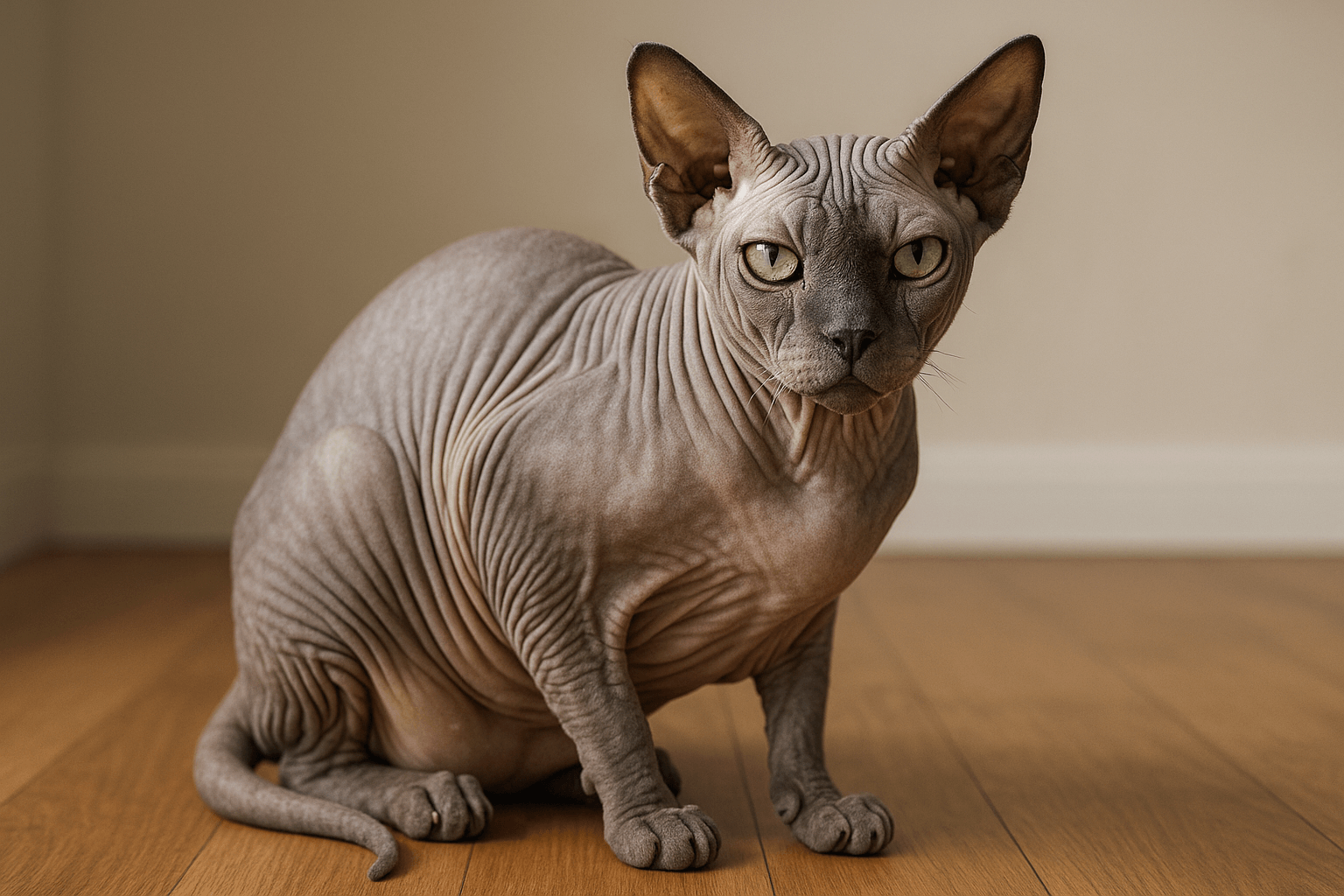
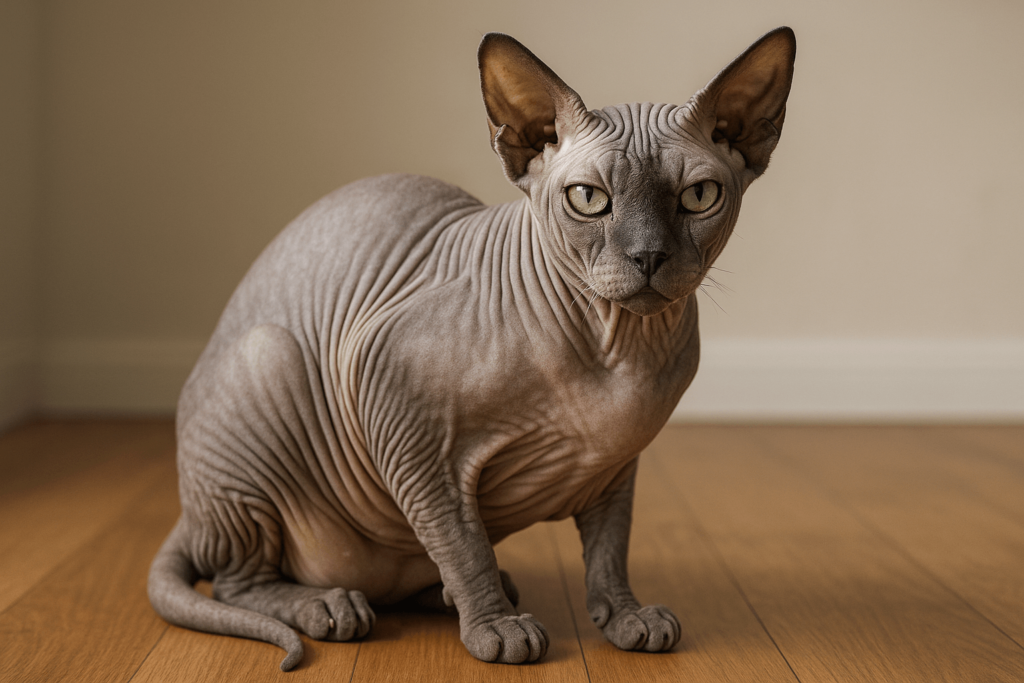

Sphynx Cat Size: Best 7 Expert Tips!

Sphynx Cat Size: Best 7 Expert Tips!

Sphynx Cat Size: Understanding the Unique Build of the Hairless Wonder


The Sphynx cat isn’t just hairless — it’s a living sculpture of muscle, bone, and personality. Often mistaken for being tiny due to their lack of fur, these cats possess a surprisingly substantial presence. Their size isn’t just about weight or length — it’s about structure, proportion, and the surprising heft you feel when you pick one up. Understanding Sphynx cat size helps you appreciate their unique anatomy, plan for their care, and recognize what’s truly normal for this extraordinary breed.

Why Sphynx Cat Size Matters More Than You Think


Knowing the typical size range of a Sphynx isn’t just for curiosity — it’s essential for health monitoring, diet planning, and recognizing potential issues early. Unlike furry breeds that can hide weight changes under a coat, a Sphynx’s body is on full display.

 
  • Muscle mass is key — Sphynx cats are built lean and athletic, not flabby. A healthy Sphynx feels solid and warm to the touch, like a small, living heating pad.

  • Weight fluctuations are visible — Without fur to mask changes, even small gains or losses in weight can signal underlying health concerns like thyroid issues or digestive problems.

  • Size affects temperature needs — Their lack of insulation means a smaller Sphynx may struggle to retain heat, while an overweight one risks joint strain and metabolic stress.

  • Growth patterns differ — Sphynx kittens grow slowly, often reaching full size by age 2–3, unlike many breeds that mature by 12 months.

  • Breed standards emphasize balance — The Cat Fanciers’ Association (CFA) and TICA both describe the ideal Sphynx as medium to large, with a sturdy, muscular frame — not delicate or bony.


Understanding Sphynx cat size helps you move beyond appearance and focus on the health beneath the skin.

Sphynx Cat Size: Best 7 Expert Tips!

Typical Sphynx Cat Size: Weight, Length, and Build


Sphynx cats don’t fit neatly into “small” or “large” categories — their size is defined by density, not volume. Here’s what to expect when evaluating your Sphynx’s dimensions.

 
  • Adult males typically weigh between 8 to 12 pounds (3.6 to 5.4 kg), with some exceptional individuals reaching up to 15 pounds if well-muscled and healthy.

  • Females are slightly smaller, usually weighing 6 to 10 pounds (2.7 to 4.5 kg), with a more refined, elegant frame.

  • Body length (nose to tail base) averages 12 to 15 inches, but their long, tapered tails add another 9 to 12 inches for overall proportion.

  • Height at the shoulder ranges from 8 to 10 inches, making them medium-tall compared to other domestic breeds.

  • Their build is dense and muscular, often surprising owners who expect a light, fragile cat — picking one up feels like holding a warm, solid brick wrapped in velvet.


Don’t be fooled by their lack of fur — Sphynx cats carry more weight in muscle and bone than they appear to. A 10-pound Sphynx is not overweight — it’s perfectly built.

Physical Trait Sphynx Cat Norm
Average Adult Weight (Male) 8–12 lbs (3.6–5.4 kg); up to 15 lbs if muscular
Average Adult Weight (Female) 6–10 lbs (2.7–4.5 kg)
Body Length (Nose to Tail Base) 12–15 inches
Shoulder Height 8–10 inches
Tail Length 9–12 inches

How Sphynx Size Compares to Other Cat Breeds


Many assume Sphynx cats are small because they’re hairless — but in reality, their size is comparable to many popular domestic breeds. Here’s how they stack up.

 
  • Compared to a Domestic Shorthair, Sphynx cats are often heavier and more muscular, despite appearing slimmer. A 10-pound Sphynx is bigger-boned than a 10-pound tabby.

  • Versus a Maine Coon, Sphynx cats are significantly smaller — Maine Coons can reach 18–25 pounds — but Sphynx have a more compact, dense frame.

  • When measured against a Siamese, Sphynx cats are usually heavier and more robust, even if they appear similar in length. Siamese are lean and elegant; Sphynx are powerful and solid.

  • In contrast to a Munchkin, which is small due to dwarfism, Sphynx cats have full-length limbs and proportional growth — their size is natural, not genetically stunted.

  • Similar in size to a British Shorthair, Sphynx cats share that breed’s sturdy build, but without the thick coat — making their weight feel even more pronounced.


Size isn’t just about numbers — it’s about perception. A Sphynx might look small, but its weight and muscle make it feel substantial. That’s part of their charm.

Factors That Influence Sphynx Cat Size


Not every Sphynx fits the textbook size range. Genetics, environment, and care all play a role in how big your cat grows.

 
  • Genetics and lineage — Show-line Sphynx are often bred for larger, more muscular builds, while pet-line cats may be slightly smaller but equally healthy.

  • Diet and nutrition — A high-protein, balanced diet supports optimal muscle development. Poor nutrition can lead to stunted growth or unhealthy weight gain.

  • Activity level — Active Sphynx cats maintain lean muscle mass. Sedentary cats risk becoming overweight, which masks their true structure.

  • Age of maturity — Sphynx cats mature slowly. Many don’t reach full size until they’re 2–3 years old, so don’t judge size too early.

  • Health conditions — Hyperthyroidism, diabetes, or gastrointestinal issues can cause unexpected weight loss or gain — always rule these out with a vet.


Your Sphynx’s size is a reflection of their overall well-being. If they’re thriving, their size will naturally fall within the healthy range — even if it’s slightly above or below average.

Recognizing Underweight and Overweight Sphynx Cats


Because Sphynx cats have no fur, it’s easier to see — and misjudge — their body condition. Here’s how to tell if your cat is at the right size.

 
  • Underweight signs — Ribs, spine, and hip bones are visibly protruding; skin looks loose or saggy; low energy; poor coat texture (dry, flaky skin).

  • Overweight signs — No visible waistline when viewed from above; fat pads on the abdomen or base of the tail; difficulty grooming or jumping; labored breathing.

  • Ideal body condition — You can feel ribs with light pressure, but they’re not visible. A defined waist and tuck-up abdomen are clear. Skin feels smooth, warm, and elastic.

  • Skin folds matter — Healthy Sphynx have subtle, even skin folds around the neck and shoulders. Deep, wrinkled folds can indicate obesity or poor muscle tone.

  • Veterinary assessment is critical — Your vet can use a Body Condition Score (BCS) chart — typically 1–9 scale — to give you an objective rating of your cat’s size.


Never assume your Sphynx is “just small” or “just fluffy-looking.” Their lack of fur makes accurate weight assessment easier — use it to your advantage.

Growth Stages of a Sphynx Cat: From Kitten to Adult


Sphynx cats grow at their own pace — slower than most breeds. Understanding their developmental timeline helps you set realistic expectations.

 
  • Newborn (0–4 weeks) — Tiny, fragile, and completely dependent. Weighs 3–5 ounces at birth; doubles weight within 10 days.

  • Weaning stage (4–8 weeks) — Begins exploring food. Weight increases to 1–1.5 pounds. Still very small, but gaining muscle rapidly.

  • Juvenile phase (3–6 months) — Becomes more active and curious. Gains 2–4 pounds. Bones lengthen, muscles begin to define.

  • Adolescence (7–18 months) — Growth slows but continues. Furlessness becomes more apparent; skin wrinkles develop. Weight stabilizes around 6–9 pounds.

  • Full maturity (2–3 years) — Final size reached. Muscle mass peaks. Most Sphynx settle at their adult weight — typically 8–12 lbs for males, 6–10 lbs for females.


Patience is key. A 6-month-old Sphynx might look like a small kitten, but they’re still building their signature structure. Don’t rush their development — let nature take its course.

Myths About Sphynx Cat Size and What’s Really True


There’s a lot of misinformation floating around about how big Sphynx cats get. Let’s clear up the most common myths.

 
  • Myth: “Sphynx cats are tiny because they have no fur.”
    Truth: Their lack of fur makes them look smaller, but they’re often heavier and more muscular than they appear.

  • Myth: “If my Sphynx is under 7 pounds, they’re underdeveloped.”
    Truth: Female Sphynx and those from smaller bloodlines can be perfectly healthy at 6 pounds. Size varies by genetics.

  • Myth: “A chubby Sphynx is a happy Sphynx.”
    Truth: Excess weight strains joints and organs. A healthy Sphynx is firm, not soft. Warmth and muscle define health — not fluff.

  • Myth: “All Sphynx cats grow to be large.”
    Truth: While many are medium to large, some are naturally petite. Size is individual — not a breed-wide rule.

  • Myth: “You can’t tell if a Sphynx is overweight until they’re 5 years old.”
    Truth: You can assess body condition as early as 6 months. Early intervention prevents long-term health problems.


Don’t let myths cloud your judgment. Use touch, observation, and vet guidance — not appearances — to evaluate your Sphynx’s size.

FAQ: Sphynx Cat Size

 
How big should a 6-month-old Sphynx cat be?

At six months, a healthy Sphynx typically weighs between 4 and 6 pounds. They’re still growing — muscle and bone development continue until age 2–3.

Yes. Their high metabolism can mask weight gain until it’s advanced. Feed measured portions and avoid free-feeding. Monitor body condition monthly.


Possibly. While some males reach 14–15 pounds with excellent muscle mass, anything over 12 pounds should be evaluated by a vet to rule out obesity or illness.

Yes. Males are typically 15–20% heavier and more muscular. Females are more slender and compact — both are normal.

Because they’re denser. Sphynx cats have more muscle and less fat than many breeds, and their skin is thick and warm. They’re built like miniature panthers.

Embrace the Warmth, Not Just the Weight


The Sphynx cat’s size isn’t about inches or pounds — it’s about presence. It’s about the surprising heft of a warm body curled beside you, the solid muscle beneath smooth skin, the quiet strength in every stretch and leap. Their lack of fur doesn’t make them fragile — it makes them extraordinary. To truly understand a Sphynx, you must feel them, not just see them. You must appreciate that their size is a reflection of health, not a number on a scale. Whether your Sphynx weighs 6 pounds or 12, if they’re bright-eyed, active, and warm to the touch, you’ve done something beautiful: you’ve given them a home that honors their nature. And that’s the only measurement that truly matters.

Is Rawhide Bad for Cats? Best 7 Expert Tips!

Is Rawhide Bad for Cats? Best 7 Expert Tips! – Discover the risks, safe alternatives, and expert advice to keep your feline friend healthy and happy.

Is Rawhide Bad for Dogs? Best 7 Expert Tips!

Is Rawhide Bad for Dogs? Best 7 Expert Tips! – Discover the risks, benefits, and safer alternatives to rawhides for your dog’s chewing needs.

Understanding Anorexia in Cats: Best 7 Expert Tips!

Understanding Anorexia in Cats: Best 7 Expert Tips! – Learn why cats stop eating, spot warning signs, and discover how to help your feline regain appetite safely.

Understanding Anorexia in Dogs: Best 7 Expert Tips!

Understanding Anorexia in Dogs: Best 7 Expert Tips! – Learn causes, symptoms, and solutions to help your dog regain appetite and stay healthy.

Leave a Reply

Your email address will not be published. Required fields are marked *