
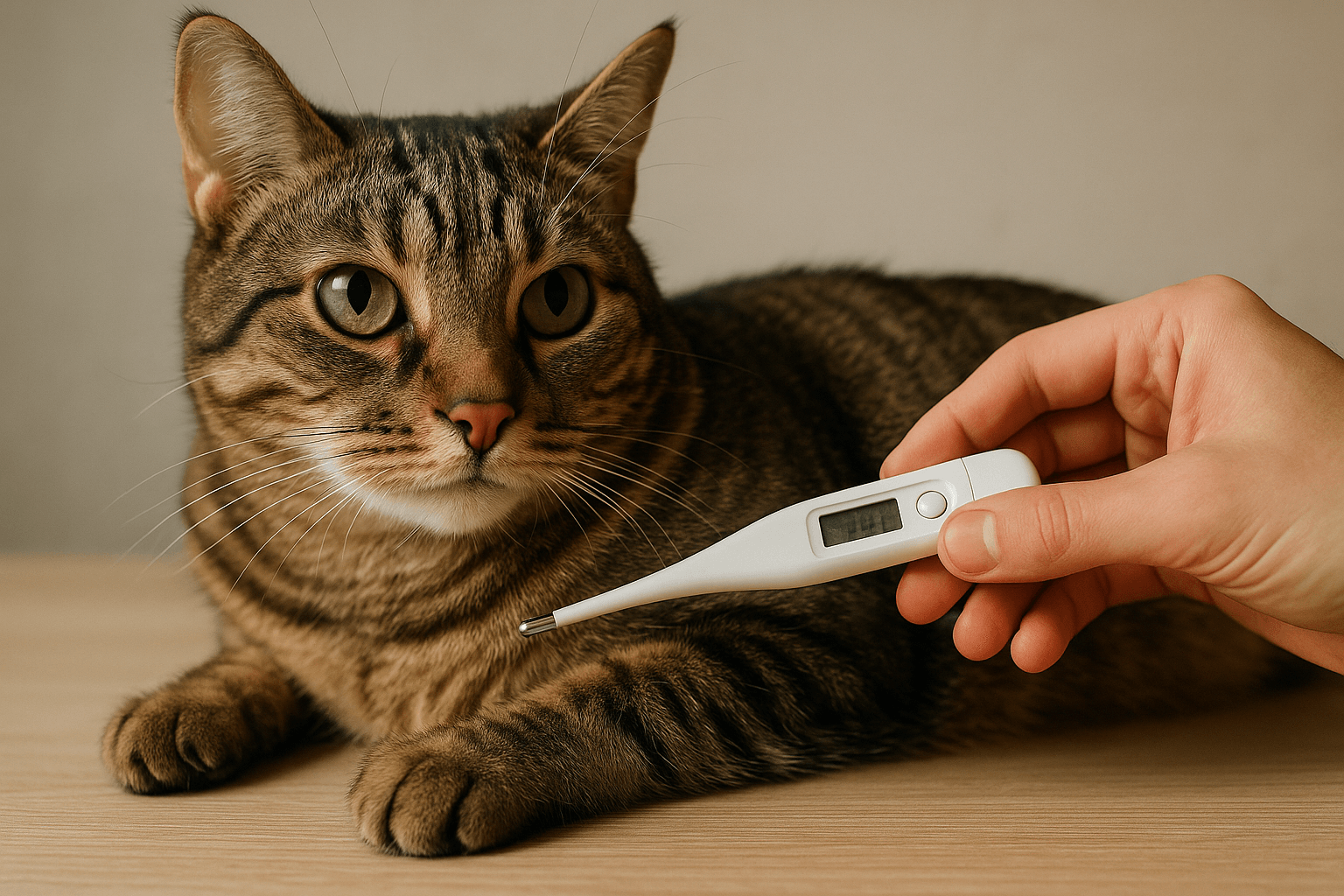
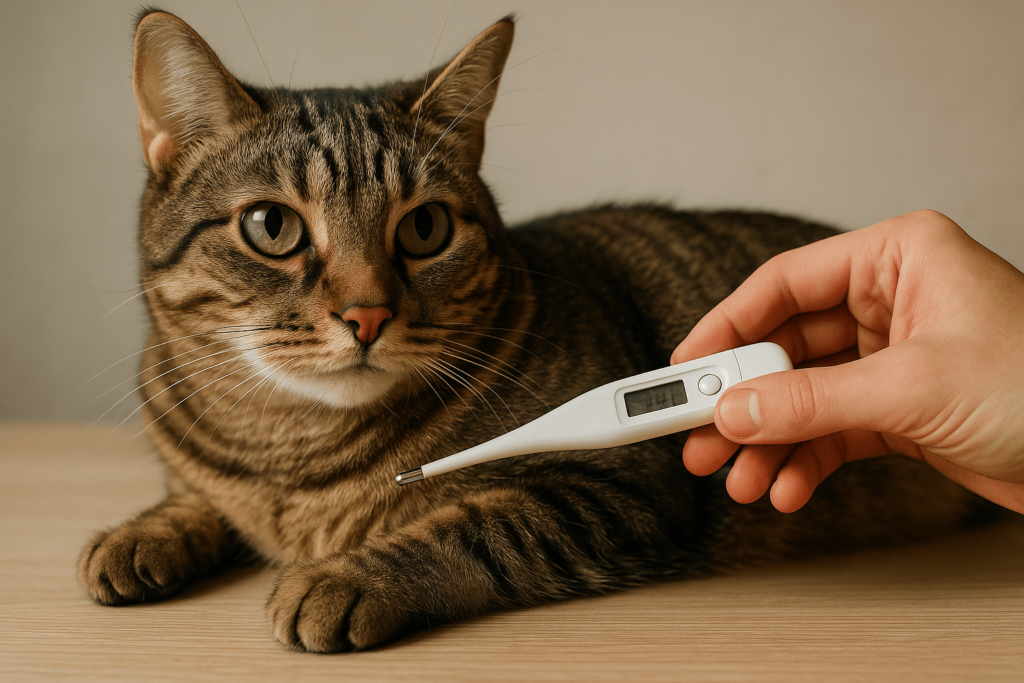

Normal Cat Body Temperature: What’s Healthy — And When to Worry
Cats are masters of subtlety. They rarely cry out when something’s wrong — instead, they curl up a little tighter, purr a little softer, or simply vanish into the shadows. That’s why understanding the subtle signs of wellness — like normal cat body temperature — is one of the most powerful tools you have as a caregiver. A slight shift in temperature can be the earliest warning of illness, stress, or infection. Knowing what’s typical, what’s dangerous, and how to measure it correctly can mean the difference between a routine vet visit and an emergency.
Why Normal Cat Body Temperature Matters
A cat’s body temperature is a silent barometer of health. Unlike humans, cats can’t tell you they feel feverish — but their temperature can. Understanding this baseline helps you act before symptoms escalate.
It’s an early warning system: A temperature just 1–2°F above normal can signal infection, inflammation, or even stress before your cat shows other signs.
It reflects metabolic health: Cats have a higher baseline than humans, which supports their fast metabolism and hunting instincts.
It helps differentiate illness from behavior: A warm cat might just be napping in the sun — but if their temperature is elevated without obvious cause, it’s time to pay attention.
It guides vet decisions: Vets rely on accurate temperature readings to diagnose conditions like pyrexia, hypothermia, or sepsis.
It empowers you as a caregiver: Knowing the normal range lets you respond quickly — and avoid unnecessary panic.
Recognizing what’s normal gives you the confidence to act when it matters most. Your cat’s temperature isn’t just a number — it’s a conversation with their body.
The Science Behind Normal Cat Body Temperature
Cats are warm-blooded mammals, and their internal thermostat is finely tuned for survival. Understanding the science helps you interpret readings accurately.
The standard range is 100.5°F to 102.5°F (38.1°C to 39.2°C): This is the healthy zone for most adult cats, measured rectally — the most accurate method.
Kittens and seniors may vary slightly: Young kittens often run a touch warmer (up to 103°F), while older cats may run slightly cooler due to slower metabolism.
Activity and environment affect readings: A cat that just played or napped in sunlight may have a temporarily elevated temperature — this is normal if it returns to baseline within 30 minutes.
Females may fluctuate during estrus: Hormonal changes can cause minor, temporary spikes in body temperature.
Breed and size play a role: Smaller breeds tend to have slightly higher metabolic rates, often placing them at the upper end of the normal range.
Temperature isn’t static — it’s dynamic. What matters isn’t just the number, but how it changes over time and whether it’s accompanied by other symptoms.
Check this guide 👉How Long Does a Cat Cold Last? Best 7 Expert Tips!
Check this guide 👉Understanding Cat Cold Treatment: Best 7 Health Tips!
Check this guide 👉How Cold Is Too Cold for Cats? Best 7 Tips!
| Normal Cat Body Temperature Range | When to Be Concerned |
|---|---|
| 100.5°F – 102.5°F (38.1°C – 39.2°C) is the healthy range for most adult cats. | Temperature above 103°F (39.4°C) indicates fever and requires attention. |
| Kittens may naturally run up to 103°F due to higher metabolism. | Temperature below 99°F (37.2°C) signals hypothermia — a medical emergency. |
| Rectal measurement is the gold standard for accuracy. | Persistent temperature over 104°F (40°C) requires immediate veterinary care. |
| Temperature can rise slightly after exercise or excitement. | Low temperature combined with lethargy, shivering, or collapse is critical. |
| Ear or armpit thermometers are less reliable — use only as a screening tool. | Any temperature change lasting more than 24 hours warrants a vet visit. |
How to Measure Your Cat’s Temperature Accurately
Measuring your cat’s temperature isn’t always easy — but with the right technique, it’s manageable. Accuracy saves lives.
Use a digital rectal thermometer: Always choose one designed for pets or infants. Never use glass — it can break and cause injury.
Lubricate the tip with petroleum jelly or water-based gel: This reduces discomfort and ensures smooth insertion.
Gently lift the tail and insert the thermometer 1 inch into the rectum: Hold it in place for 60 seconds or until it beeps.
Stay calm and reassure your cat: Speak softly, offer gentle pets, and have a helper hold your cat securely if needed.
Clean the thermometer thoroughly after each use: Wash with warm, soapy water and disinfect with rubbing alcohol to prevent cross-contamination.
If you’re uncomfortable doing this yourself, ask your vet to demonstrate. Many clinics offer free tutorials. Learning this skill gives you a vital tool for early detection.
Signs Your Cat Has a Fever — Beyond the Numbers
Fever isn’t always obvious. Cats hide illness with skill — but their behavior tells the truth.
Lethargy or excessive sleeping: If your cat is unusually still, uninterested in play, or hiding more than usual, it could signal fever.
Loss of appetite: A cat with a fever often refuses food — even their favorite treats.
Warm ears or paws: While not definitive, warm extremities can be a subtle clue — especially if paired with other symptoms.
Rapid breathing or panting: Cats don’t pant like dogs. If they’re breathing rapidly, it may indicate discomfort or elevated temperature.
Dull or matted fur: A cat with a fever may neglect grooming, leading to a lackluster coat.
These signs don’t always mean fever — but when combined with an elevated temperature, they’re urgent red flags. Don’t wait for vomiting or diarrhea. Act at the first hint.
What Causes Abnormal Body Temperature in Cats?
Temperature shifts rarely happen without cause. Understanding the root helps you respond effectively.
Infections: Bacterial, viral, or fungal infections — like upper respiratory infections or UTIs — are the most common causes of fever.
Inflammation: Conditions like pancreatitis, arthritis, or dental abscesses can trigger a febrile response.
Toxic exposure: Ingestion of human medications (like acetaminophen), lilies, or antifreeze can cause dangerous temperature spikes.
Heatstroke: Overheating from hot environments or being trapped in a car can push temperature above 106°F — a life-threatening emergency.
Stress or anxiety: Intense fear — such as during a vet visit or loud fireworks — can cause temporary, mild elevation.
Hypothermia, on the other hand, often stems from prolonged exposure to cold, shock, severe illness, or anesthesia complications. Both extremes demand attention.
When to Seek Emergency Care for Temperature Issues
Not every temperature change is an emergency — but some are. Know the difference.
Call your vet immediately if your cat’s temperature is above 104°F (40°C): This level can cause organ damage and requires urgent treatment.
Seek help if temperature drops below 99°F (37.2°C): Hypothermia slows vital functions and can lead to cardiac arrest.
Don’t wait if your cat is shivering, trembling, or unresponsive: These are signs of systemic distress.
If fever persists for more than 24 hours without clear cause: Even if your cat seems okay, underlying illness may be progressing.
If fever is accompanied by vomiting, seizures, or difficulty breathing: These are critical indicators of severe illness.
When in doubt, call your vet. Better to be safe than sorry. Early intervention dramatically improves outcomes.
Frequently Asked Questions About Normal Cat Body Temperature
Can I use a human thermometer on my cat?
Yes — but only a digital one. Never use glass. Always label it for pet use and clean it thoroughly after each use.
Is it normal for my cat to feel warm to the touch?
Yes — cats naturally have higher body temperatures than humans. Their skin may feel warm, but that doesn’t mean they have a fever. Always measure rectally to be sure.
My cat’s temperature was 103°F once — should I be worried?
One high reading after exercise or stress may be normal. Retake the temperature after 30 minutes of rest. If it stays above 103°F, consult your vet.
Can I use an ear or forehead thermometer?
They’re convenient but unreliable. Studies show they can be off by 1–3°F. Rectal is still the gold standard for accuracy.
How often should I check my cat’s temperature?
Only if you suspect illness. Healthy cats don’t need routine checks. But if your cat has chronic illness, your vet may recommend monitoring every few days.
Embrace the Quiet Signals — Your Cat’s Temperature Speaks Volumes
A cat’s normal body temperature is more than a number on a screen — it’s a whisper from their inner world. It tells you when they’re thriving, when they’re struggling, and when they need you most. You don’t need to be a veterinarian to understand this. You just need to pay attention.
By learning the range, mastering the measurement, and recognizing the subtle signs that accompany temperature shifts, you become your cat’s first line of defense. You become the one who notices the change before the purr fades, before the nap turns into stillness, before the quiet becomes silence.
Is Rawhide Bad for Cats? Best 7 Expert Tips! – Discover the risks, safe alternatives, and expert advice to keep your feline friend healthy and happy.

Is Rawhide Bad for Dogs? Best 7 Expert Tips! – Discover the risks, benefits, and safer alternatives to rawhides for your dog’s chewing needs.

Understanding Anorexia in Cats: Best 7 Expert Tips! – Learn why cats stop eating, spot warning signs, and discover how to help your feline regain appetite safely.

Understanding Anorexia in Dogs: Best 7 Expert Tips! – Learn causes, symptoms, and solutions to help your dog regain appetite and stay healthy.