

Normal Dog Body Temperature: Best 7 Expert Tips!

Normal Dog Body Temperature: Best 7 Expert Tips!

Normal Dog Body Temperature: What’s Healthy, What’s Dangerous


A dog’s body temperature is one of the most reliable indicators of their overall health. Unlike humans, dogs regulate their internal heat differently — and knowing their normal range can mean the difference between a quick recovery and a life-threatening emergency. Whether you’re a new pet parent or a seasoned dog owner, understanding normal dog body temperature isn’t just useful — it’s essential. In this guide, we’ll break down everything you need to know: from baseline ranges and measurement methods to warning signs and when to act.

Why Normal Dog Body Temperature Matters More Than You Think


Knowing your dog’s typical body temperature isn’t about curiosity — it’s about early detection. A slight deviation can signal infection, heatstroke, hypothermia, or even serious systemic illness before other symptoms appear.

 
  • Early Warning System:
    A temperature change often appears before lethargy, loss of appetite, or vomiting — giving you critical time to respond.

  • Accurate Diagnosis:
    Veterinarians rely on temperature readings to assess illness severity and determine treatment plans.

  • Preventing Heatstroke:
    Dogs can’t sweat like humans. Knowing their normal range helps you recognize overheating before it becomes fatal.

  • Monitoring Recovery:
    After surgery or illness, tracking temperature ensures your dog is healing properly.

  • Peace of Mind:
    When you know what’s normal, you stop guessing — and start acting with confidence.


Understanding your dog’s baseline temperature transforms you from a passive caregiver into an active health advocate.

 
Normal Dog Body Temperature: Best 7 Expert Tips!

The Science Behind Normal Dog Body Temperature


Dogs are warm-blooded mammals, and their core temperature is tightly regulated by the hypothalamus. Unlike humans, who thrive around 98.6°F (37°C), dogs operate at a naturally higher baseline.

 
  • Typical Range:
    A healthy dog’s normal body temperature falls between 100.5°F and 102.5°F (38.1°C to 39.2°C).

  • Breed Variations:
    Smaller breeds and toy dogs often run slightly warmer, sometimes up to 103°F, while larger breeds may sit closer to 100.5°F.

  • Age Factors:
    Puppies and senior dogs may have less stable thermoregulation — slight fluctuations are common but should be monitored.

  • Activity Influence:
    Exercise, excitement, or stress can temporarily raise temperature by 1–2°F — this is normal and short-lived.

  • Time of Day:
    Temperature naturally dips slightly in the early morning and peaks in the late afternoon.


This range is your benchmark. Anything below 99°F or above 103°F warrants attention — and anything over 106°F is a medical emergency.

Normal Indicators Warning Signs
Temperature between 100.5°F and 102.5°F Temperature above 103°F or below 99°F
Pink, moist gums Dry, sticky, or pale gums
Normal energy levels and appetite Lethargy, refusal to eat or drink
Regular breathing and heart rate Rapid, shallow breathing or panting at rest
Normal stool and urination Diarrhea, vomiting, or no urination for 12+ hours

How to Accurately Measure Your Dog’s Temperature


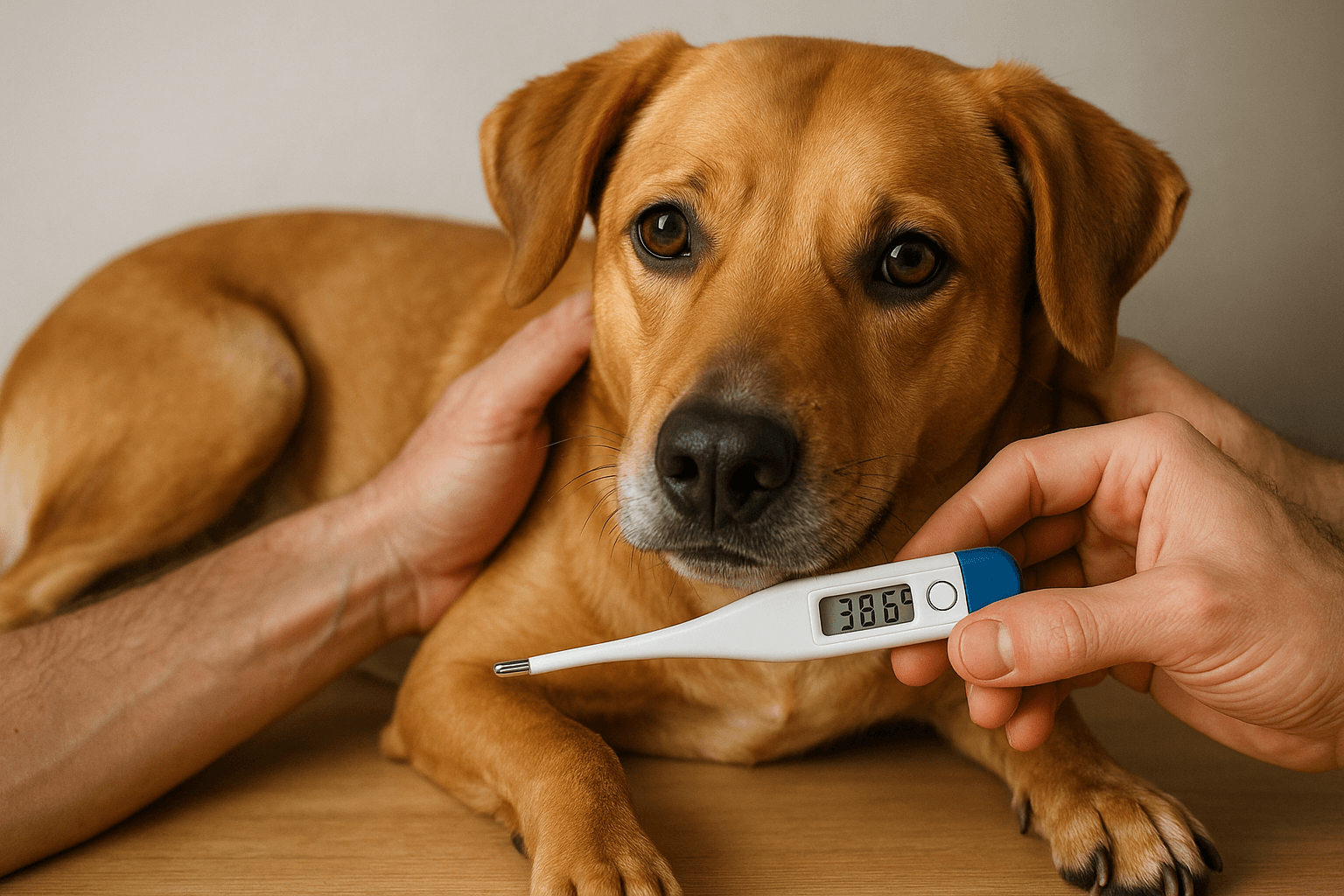
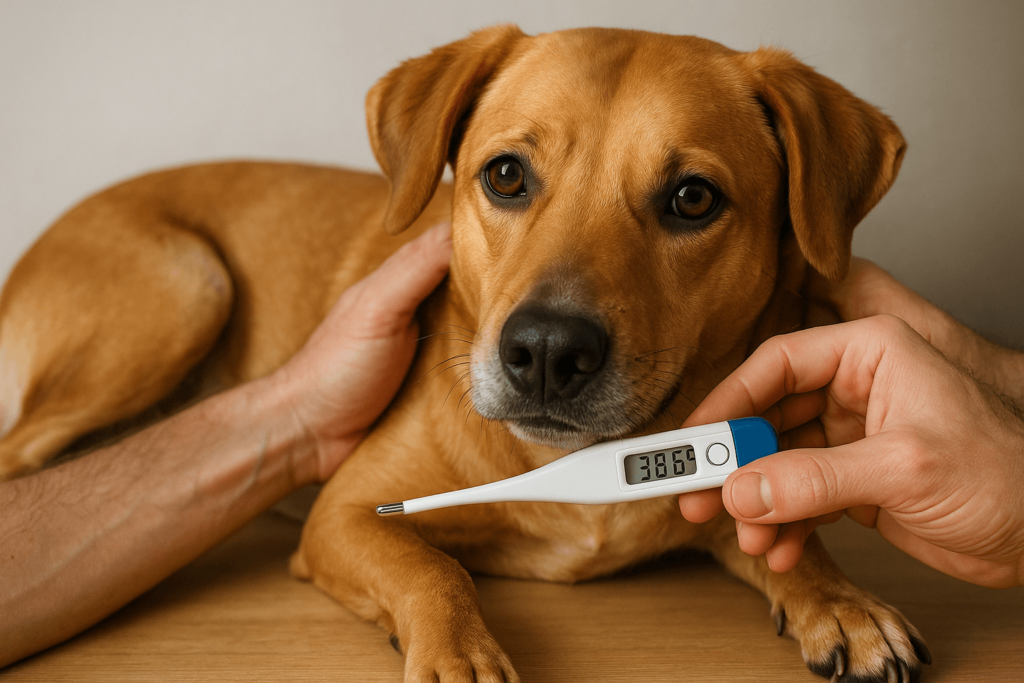
Guessing based on nose feel or behavior is unreliable. The only accurate way to measure a dog’s core temperature is with a rectal thermometer.

 
  • Use a Digital Thermometer:
    Always choose one designed for pets or medical use — never use a glass mercury thermometer.

  • Lubricate the Tip:
    Apply petroleum jelly or water-based lubricant to reduce discomfort and ensure accuracy.

  • Gently Insert:
    Lift the tail and insert the thermometer about 1 inch into the rectum — hold it in place for 60 seconds or until it beeps.

  • Stay Calm and Secure:
    Have someone hold your dog gently but firmly, especially if they’re anxious or wiggly.

  • Clean After Use:
    Disinfect the thermometer with alcohol or mild soap and water after every use.


Pro tip: Practice with your dog when they’re relaxed — not during an emergency. Familiarity reduces stress for both of you.


When a Dog’s Temperature Is Too High (Hyperthermia)


A temperature above 103°F signals hyperthermia. Above 106°F, it becomes heatstroke — a potentially fatal condition.

 
  • Signs of Overheating:
    Excessive panting, drooling, bright red gums, weakness, vomiting, or collapse.

  • Common Causes:
    Left in hot cars, overexertion in heat, thick coats, brachycephalic breeds (like Bulldogs or Pugs), or lack of shade/water.

  • Immediate Action:
    Move to shade, offer cool (not icy) water, apply damp towels to the belly and paws, and head to the vet immediately.

  • Never Use Ice or Cold Baths:
    Sudden cooling can cause shock or constrict blood vessels, trapping heat inside.

  • Prevention Is Key:
    Avoid walks during peak heat (10 a.m.–4 p.m.), provide constant water, and never leave your dog in a parked car — even with windows cracked.


Heatstroke kills more dogs each year than most people realize. Awareness saves lives.

When a Dog’s Temperature Is Too Low (Hypothermia)


A temperature below 99°F indicates hypothermia — a dangerous drop in core body heat.

 
  • Signs of Hypothermia:
    Shivering, lethargy, slow breathing, pale gums, stiff muscles, or unresponsiveness.

  • Common Causes:
    Exposure to cold weather, wet fur, small breed size, illness, or post-surgical recovery.

  • Warming Steps:
    Wrap your dog in warm (not hot) blankets, use heating pads on low settings wrapped in towels, and offer warm fluids if conscious.

  • Avoid Direct Heat Sources:
    Never use hair dryers, radiators, or electric blankets directly on skin — they can cause burns.

  • Seek Veterinary Care:
    Even mild hypothermia can lead to organ failure if untreated. Don’t wait for symptoms to worsen.


Puppies, seniors, and dogs with thin coats are especially vulnerable. Winter isn’t just for humans — it’s a health risk for your dog too.

How to Build a Dog Temperature Monitoring Routine


Prevention beats crisis. Make temperature checks part of your regular care.

 
  • Establish a Baseline:
    Take your dog’s temperature three times over a week when they’re healthy — note the average.

  • Keep a Health Log:
    Record temperature, appetite, energy, and behavior daily — especially during illness or recovery.

  • Use a Digital Tracker App:
    Many pet health apps let you log vitals and share data with your vet instantly.

  • Train Your Dog to Accept It:
    Reward them with treats after each check — turn it into a positive ritual, not a struggle.

  • Know When to Call the Vet:
    If temperature is abnormal and your dog shows any other symptoms — don’t wait. Call immediately.


Routine monitoring doesn’t mean obsessing — it means being prepared. You wouldn’t ignore a fever in a child. Don’t ignore it in your dog.

Myths About Dog Body Temperature — Busted


Misinformation is dangerous. Let’s clear up the most common myths.

 
  • Myth: A warm, dry nose means your dog is sick.
    Fact: Nose moisture varies throughout the day. A dry nose is not a reliable indicator of fever.

  • Myth: Dogs can’t get fevers because they’re “tougher.”
    Fact: Dogs get fevers just like humans — and they’re often more vulnerable due to their inability to communicate discomfort.

  • Myth: I can tell by touching their ears or belly.
    Fact: Skin temperature fluctuates with environment. Only a rectal reading gives accurate core temperature.

  • Myth: If my dog is acting fine, their temperature must be normal.
    Fact: Dogs are masters at hiding illness. A subtle temperature change may be the first sign of something serious.

  • Myth: I only need to check temperature if they’re sick.
    Fact: Healthy dogs benefit from baseline knowledge. You’ll recognize abnormal faster if you know what’s normal.


Don’t rely on folklore. Rely on science.

FAQ: Normal Dog Body Temperature

 
What is the average normal body temperature for a dog?

Between 100.5°F and 102.5°F (38.1°C to 39.2°C). Individual baselines may vary slightly.

Yes — as long as it’s digital and you use it only for your pet. Never share thermometers between humans and animals without thorough cleaning.

Only when you suspect illness, after surgery, or during extreme weather. Don’t check daily unless advised by your vet.

Not immediately. Monitor for other symptoms. If it stays above 103°F for more than a few hours, or if your dog seems unwell, contact your vet.

Absolutely not. Acetaminophen (Tylenol) is deadly to dogs. Never medicate without veterinary guidance.

Embrace Knowledge — Protect Your Dog’s Life


A dog’s normal body temperature isn’t just a number on a screen — it’s a lifeline. It’s the quiet signal that tells you when something’s off before your dog can tell you themselves. By learning how to measure, interpret, and respond to temperature changes, you become more than a pet owner. You become a guardian — vigilant, informed, and ready to act.


You don’t need to be a veterinarian to save your dog’s life. You just need to know what’s normal… and when it’s not.


Your dog trusts you with their health. Honor that trust — one temperature reading at a time.

Dog Seizure Symptoms: Best 7 Expert Tips!

Dog Seizure Symptoms: Best 7 Expert Tips! – Learn to spot signs, respond effectively, and manage seizures in dogs for a healthier, happier life.

Carprofen Dosage for Cats: Best 7 Expert Tips!

Carprofen Dosage for Cats: Best 7 Expert Tips! – Learn safe dosing, risks, and alternatives to manage pain and inflammation in cats effectively.

Africanis Dog Breed: Best 7 Expert Tips!

Africanis Dog Breed: Best 7 Expert Tips! – Explore the resilience, loyalty, and adaptability of this ancient African breed, perfect for diverse lifestyles.

Cruciate Ligament Injury Symptoms in Dogs: Best 7 Tips!

Cruciate Ligament Injury Symptoms in Dogs: Best 7 Tips! – Discover key signs like limping, swelling, and joint instability to ensure prompt treatment.

Leave a Reply

Your email address will not be published. Required fields are marked *

Post Category


