
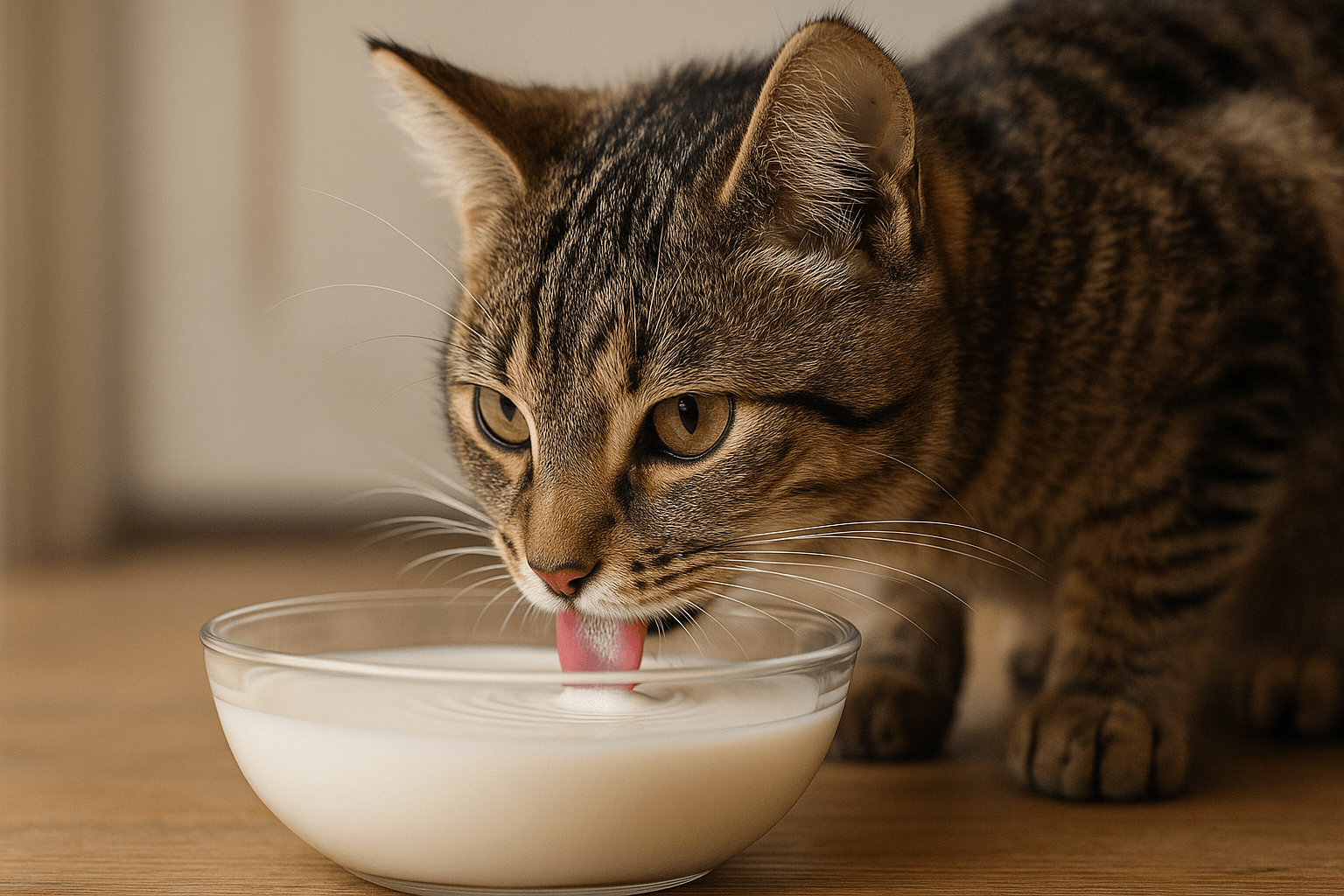
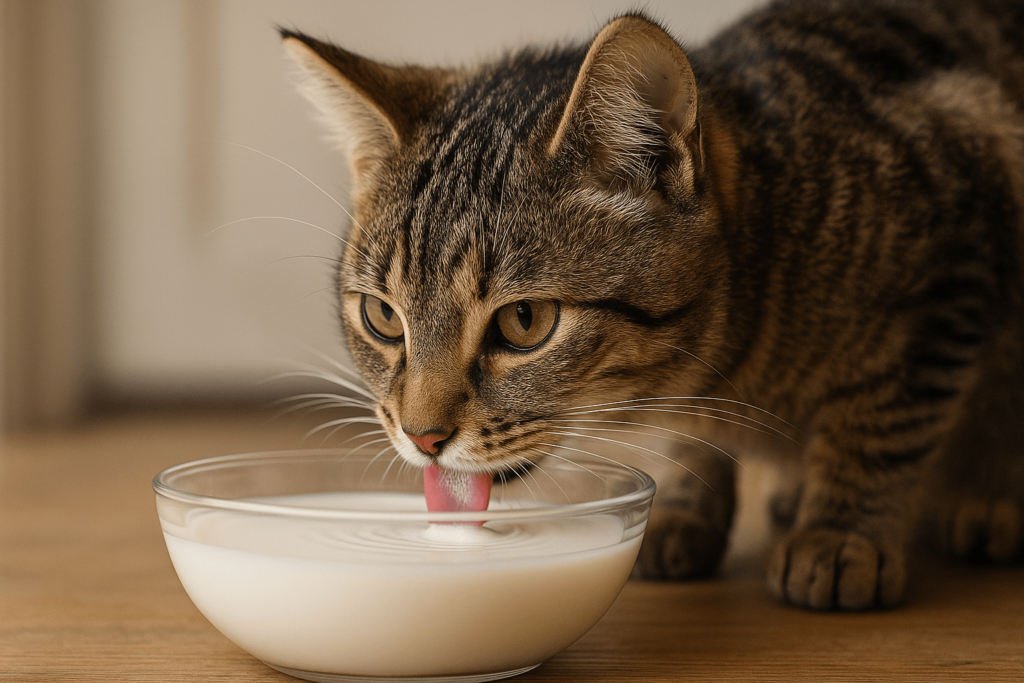

Is Milk Good for Cats? The Truth Behind the Classic Myth
Cats and milk — it’s a scene straight out of a cartoon: a fluffy feline lapping up a saucer of creamy white liquid. But while it looks harmless — even heartwarming — feeding milk to your cat may do more harm than good. Despite decades of cultural imagery, modern feline nutrition reveals a startling truth: most adult cats are lactose intolerant. This blog post cuts through the myths, explores the science, and gives you the clear, expert-backed facts you need to make safe, informed choices about your cat’s diet.
Why Most Cats Can’t Tolerate Milk
Milk might seem like a natural treat, but for your cat, it’s often a digestive disaster. Their bodies simply aren’t designed to process it after kittenhood.
Lactose Intolerance is the Norm:
Over 90% of adult cats lose the enzyme lactase after weaning, making them unable to digest lactose — the sugar in milk.Digestive Upset is Common:
Undigested lactose ferments in the gut, leading to bloating, gas, diarrhea, and vomiting within hours.It’s Not a Nutritional Necessity:
Cats get all the nutrients they need from balanced cat food — milk adds empty calories, not essential vitamins.Kittens Can Handle It — Briefly:
While kittens produce lactase to digest their mother’s milk, this ability fades rapidly after 8–12 weeks.The “Cat and Milk” Myth is Cultural, Not Biological:
This image comes from old farm imagery — not science. Domestic cats evolved as obligate carnivores, not dairy consumers.
Feeding milk to your adult cat isn’t an act of kindness — it’s a risk to their digestive health. Even a small bowl can trigger hours of discomfort.
The Hidden Dangers of Dairy in Cat Diets
Beyond immediate upset, regular milk consumption can lead to long-term health complications you might not expect.
Chronic Diarrhea Leads to Dehydration:
Repeated loose stools rob your cat of fluids and electrolytes — especially dangerous for seniors or kittens.Weight Gain from Empty Calories:
Whole milk is high in fat and sugar. A few tablespoons can add 50+ calories — nearly 20% of a cat’s daily needs.Nutrient Imbalance:
Milk lacks taurine, arachidonic acid, and vitamin A — all critical for cats. Relying on it can displace proper nutrition.Allergic Reactions Are Possible:
Some cats develop true food allergies to milk proteins, causing skin rashes, itching, or ear infections.Masking Underlying Conditions:
Persistent GI issues from milk can delay diagnosis of serious conditions like IBD, pancreatitis, or kidney disease.
Dairy isn’t just unnecessary — it’s a potential trigger for avoidable suffering. Your cat doesn’t need milk to be happy. They need balance.
Check this guide 👉Can Cats Have Oat Milk? Best 7 Expert Tips!
Check this guide 👉Can Cats Eat Goat Milk? Best 7 Expert Tips!
Check this guide 👉Can Cats Drink Lactose-Free Milk? Best 7 Health Tips!
| Risks of Feeding Milk | Safe Alternatives |
|---|---|
| Lactose intolerance causing diarrhea and vomiting | Cat-specific milk replacers (lactose-free) |
| Excess calories leading to obesity | Bone broth (unsalted, no onions/garlic) |
| Nutrient deficiencies from displaced meals | Small amounts of cooked, plain chicken or fish |
| Dehydration from chronic GI upset | Fresh, clean water in multiple locations |
| Potential allergic reactions or skin issues | Commercial cat treats approved by vets |
What About Lactose-Free or “Cat Milk” Products?
You’ve seen them on shelves: “Cat Milk,” “Whiskas Cat Milk,” or “Lactose-Free Feline Formula.” Are these safe?
Lactose-Free Cat Milk Is Generally Safe in Moderation:
These products remove lactose and are fortified with taurine — making them a better option than cow’s milk.Still Not a Nutritional Necessity:
Even lactose-free versions are treats. They shouldn’t replace meals or water.Check the Ingredients:
Avoid products with added sugars, artificial flavors, or carrageenan — common fillers that can irritate sensitive stomachs.Portion Control Is Key:
A tablespoon once or twice a week is enough. More than that adds unnecessary calories.Monitor for Reactions:
Even lactose-free milk can cause issues in cats with sensitive digestion or food allergies.
These products are designed to satisfy a craving — not to nourish. Think of them as an occasional indulgence, like a human eating a single cookie. Not a daily staple.
Why Do Cats Love Milk If It’s Bad for Them?
If milk causes discomfort, why do cats seem to crave it?
Fat and Aroma Attract Them:
Milk is rich in fat and has a strong smell — senses cats are highly tuned to. It’s not about nutrition — it’s about instinct.Association with Comfort:
Kittens associate milk with warmth, safety, and nursing. Adult cats may seek it out as a nostalgic comfort behavior.They Don’t Understand Consequences:
Cats can’t link milk to diarrhea. They only know it tastes good — so they’ll keep asking.Human Reinforcement:
If you’ve ever given milk as a treat, your cat learned it gets attention — and they’ll keep trying.Boredom or Attention-Seeking:
Sometimes, a cat demands milk simply because they’re lonely or under-stimulated.
Their love for milk isn’t a sign it’s good for them — it’s a sign of their powerful instincts and your influence as a caregiver.
What Should You Feed Your Cat Instead of Milk?
Your cat doesn’t need milk to thrive — they need the right nutrients. Here’s what to offer instead.
Fresh, Clean Water Is #1 Priority:
Always provide multiple water sources. Consider a cat water fountain — many cats prefer running water.High-Quality Wet Food:
Wet food provides hydration and protein — the two most critical elements for feline health.Bone Broth (Unseasoned):
Simmer chicken or beef bones (no onions, garlic, salt), strain, and offer a few tablespoons as a tasty topper.Cat-Specific Treats:
Choose treats made with real meat, minimal fillers, and approved by veterinary nutritionists.Occasional Cooked Meat:
Small pieces of plain, cooked chicken, turkey, or fish (no bones, no seasoning) are safe and satisfying.
Your cat’s ideal diet is simple: moisture, protein, and balance. No dairy required.
Myths About Cats and Milk — Debunked
Let’s clear up the most persistent myths you’ve heard — and why they’re dangerously misleading.
Myth: “Cats need milk for calcium.”
Truth: Cats get all the calcium they need from commercial cat food. Extra calcium from milk can even cause imbalances.Myth: “Only kittens can drink milk.”
Truth: Even kittens should be weaned onto solid food by 8–10 weeks. Cow’s milk isn’t formulated for them.Myth: “Goat’s milk is better than cow’s milk.”
Truth: Goat’s milk still contains lactose — and often more fat. It’s not safer, just slightly less common.Myth: “If my cat drinks milk and seems fine, it’s okay.”
Truth: Some cats tolerate small amounts — but that doesn’t mean it’s healthy. Delayed effects like weight gain or inflammation still occur.Myth: “Vets say milk is fine in moderation.”
Truth: Reputable veterinarians and the American Association of Feline Practitioners strongly advise against it.
Don’t trust folklore. Trust science. Your cat’s health depends on it.
What to Do If Your Cat Ate Milk and Got Sick
Accidents happen. If your cat accidentally consumed milk and shows signs of distress, here’s how to respond.
Stop Offering Milk Immediately:
Remove all dairy from their environment to prevent further ingestion.Monitor for Symptoms:
Watch for vomiting, diarrhea, lethargy, or loss of appetite over the next 24–48 hours.Offer Fresh Water:
Hydration is critical. Encourage drinking with a clean bowl or dropper if needed.Do Not Give Home Remedies:
Avoid human medications, yogurt, or probiotics unless directed by your vet.Call Your Veterinarian If Symptoms Persist:
Diarrhea lasting more than 24 hours, blood in stool, or extreme lethargy require professional care.
Even a small spill can cause trouble. Prevention is always better than treatment.
Frequently Asked Questions About Cats and Milk
Can kittens drink cow’s milk?
No. Cow’s milk lacks the right balance of nutrients for kittens and can cause diarrhea. Use a commercial kitten milk replacer instead.
Is cream better than milk for cats?
No. Cream has even higher fat content, making it harder to digest and more likely to cause pancreatitis.
Can I give my cat almond milk or oat milk?
Not recommended. These plant-based milks often contain added sugars, thickeners, or xylitol — which is toxic to cats.
How much milk is safe for a cat?
Ideally, zero. If you must, one teaspoon once a month is the absolute maximum — and even that carries risk.
Why does my cat love milk so much?
Because it’s rich, creamy, and smells like the comfort of kittenhood. It’s not about health — it’s about instinct and taste.
Embrace the Truth: Your Cat Doesn’t Need Milk — But They Do Need You
Milk is not a gift. It’s a relic of human nostalgia, not feline biology. Your cat doesn’t need it to be happy, healthy, or loved. What they truly need is your understanding — your willingness to look beyond the myth and choose what’s right for their body, not your heart. Feeding your cat the right food isn’t about denying them joy — it’s about giving them a longer, more vibrant life. Every purr, every stretch, every quiet moment beside you is made possible by the care you provide.
So next time your cat looks at you with those big, hopeful eyes — offer a gentle scratch behind the ears, a warm sunbeam, or a piece of cooked chicken. Not milk. Because the best love you can give your cat? It’s not in a saucer. It’s in the choices you make every day.
Is Rawhide Bad for Cats? Best 7 Expert Tips! – Discover the risks, safe alternatives, and expert advice to keep your feline friend healthy and happy.

Is Rawhide Bad for Dogs? Best 7 Expert Tips! – Discover the risks, benefits, and safer alternatives to rawhides for your dog’s chewing needs.

Understanding Anorexia in Cats: Best 7 Expert Tips! – Learn why cats stop eating, spot warning signs, and discover how to help your feline regain appetite safely.

Understanding Anorexia in Dogs: Best 7 Expert Tips! – Learn causes, symptoms, and solutions to help your dog regain appetite and stay healthy.