
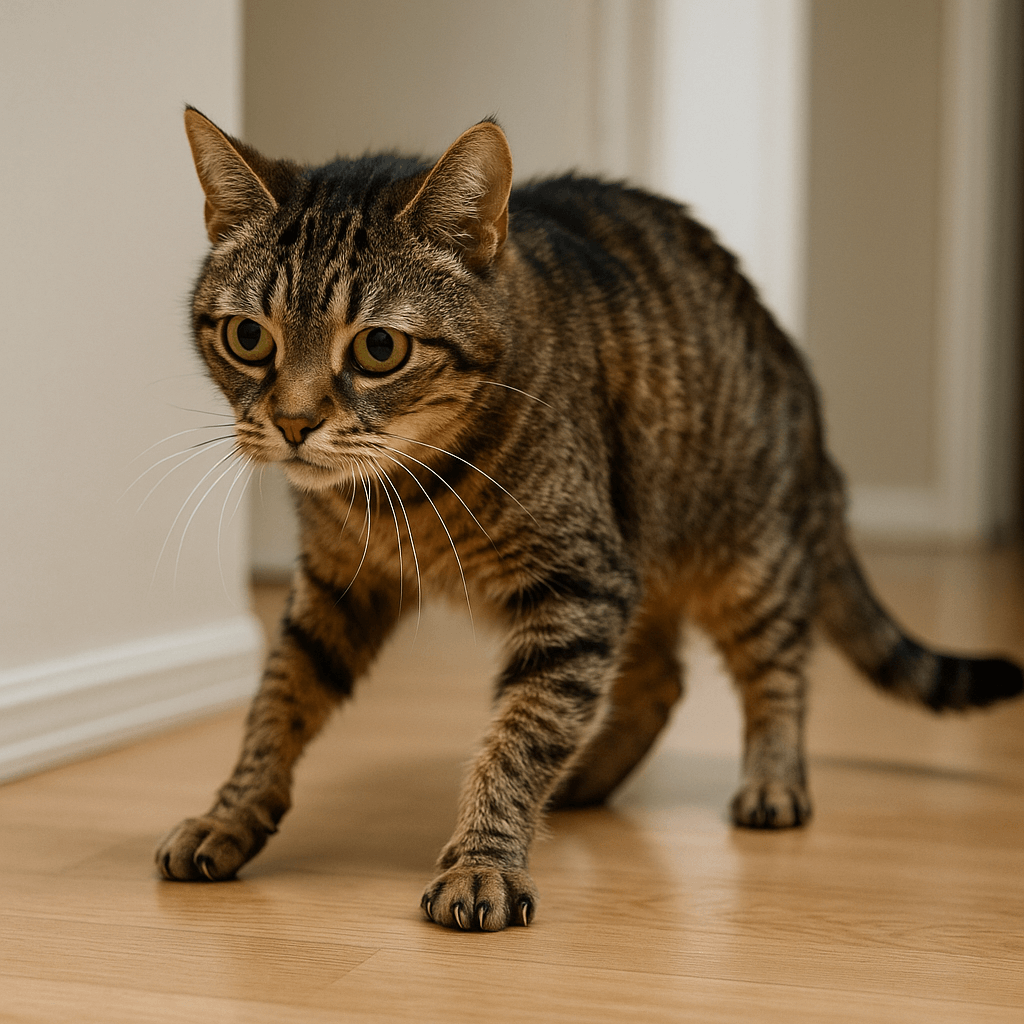

Cat Neurological Disorder Walking: Best 7 Expert Tips!
When your cat stumbles, wobbles, or walks as if drunk, it’s not just odd — it’s alarming. A neurological disorder affecting gait can manifest suddenly or progress slowly, and it often signals an underlying issue that demands attention. Unlike occasional clumsiness, a persistent abnormal walk isn’t a quirk — it’s a symptom. Understanding the causes, recognizing the signs, and knowing how to respond can make all the difference in your cat’s recovery and quality of life. This guide explores the most common neurological disorders that affect feline walking patterns, what they mean, and how you can help.
Common Neurological Disorders That Cause Abnormal Walking in Cats
A cat walking strangely isn’t just “being silly.” It’s often a red flag pointing to neurological dysfunction. These conditions disrupt the brain, spinal cord, or peripheral nerves that control movement.
Vestibular Disease: Sudden head tilt, circling, and uncoordinated walking are hallmark signs — often mistaken for a stroke, but frequently idiopathic and reversible.
Feline Ataxia: A general term for loss of coordination, caused by damage to the cerebellum, spinal cord, or inner ear, leading to wobbly, wide-based steps.
Spinal Cord Compression: Due to trauma, tumors, or disc disease, this can cause dragging limbs, weakness in hind legs, or complete paralysis.
Feline Infectious Peritonitis (FIP): The neurological form of FIP attacks the central nervous system, causing seizures, tremors, and erratic gait.
Toxic Exposure: Ingestion of lilies, antifreeze, or certain human medications can trigger acute neurological symptoms including stumbling and loss of balance.
Recognizing these conditions early is critical. Many are treatable — especially when caught before permanent nerve damage occurs. Never assume your cat is just “getting old.” Abnormal gait deserves immediate veterinary evaluation.
Physical Signs That Indicate a Neurological Problem
Your cat can’t tell you something’s wrong — but their body speaks volumes. Pay close attention to subtle changes in movement and posture.
Head Tilt or Circular Walking: A persistent tilt to one side or walking in tight circles suggests vestibular or brainstem involvement.
Dragging or Paddling Limbs: If a leg drags or moves in an unnatural, paddle-like motion, it may indicate nerve or spinal damage.
Staggering or Wide-Based Stance: Cats with neurological issues often spread their legs wide to compensate for poor balance.
Loss of Balance or Falling Over: Frequent tipping over, especially when turning or jumping, points to cerebellar or inner ear dysfunction.
Tremors or Twitching: Involuntary muscle movements, especially in the head or limbs, can signal seizures, encephalitis, or toxicity.
These signs don’t always appear together — but even one persistent symptom warrants a vet visit. Cats are masters of hiding pain and illness. What looks like “odd behavior” could be a neurological emergency.
Check this guide 👉Why Does My Cat Walk on Me? Best 7 Expert Tips!
Check this guide 👉How to Build Cat Walkways in Your House: Best 7 Tips!
Check this guide 👉Why Cant My Cat Walk Straight? Best 7 Expert Tips!
| Neurological Symptom | Likely Underlying Cause |
|---|---|
| Head tilt and circling | Vestibular disease, middle ear infection, or brain lesion |
| Dragging hind legs | Spinal cord injury, disc disease, or FIP |
| Wobbly, uncoordinated gait | Cerebellar hypoplasia, ataxia, or toxin exposure |
| Tremors or muscle spasms | Seizure disorder, encephalitis, or hypoglycemia |
| Sudden paralysis or weakness | Blood clot (saddle thrombus), trauma, or tumor |
Underlying Causes: From Infections to Genetic Conditions
Neurological walking disorders don’t appear out of nowhere. They’re symptoms of deeper issues — some treatable, others manageable.
Inner Ear Infections: Common in cats with chronic ear inflammation, these disrupt balance and cause head tilt and walking in circles.
Brain Tumors or Lesions: More common in older cats, these can cause progressive loss of coordination, behavioral changes, and seizures.
Feline Leukemia Virus (FeLV) or FIV: These immunosuppressive viruses can lead to inflammation of the nervous system and neurological decline.
Hypertrophic Cardiomyopathy (HCM): Can cause a saddle thrombus — a blood clot blocking arteries to the hind legs — leading to sudden paralysis.
Congenital Disorders: Some kittens are born with cerebellar hypoplasia, resulting in a lifelong wobbly walk — not painful, but permanent.
Identifying the root cause is the first step to effective treatment. Diagnostic tests like MRI, spinal taps, blood panels, and ear exams are often necessary. Don’t delay — early intervention saves lives.
What to Do If Your Cat Starts Walking Abnormally
Time is critical when neurological symptoms appear. Here’s how to respond calmly and effectively.
Stay Calm and Observe: Note the exact nature of the gait, when it started, and whether it’s worsening. Record a short video for your vet.
Limit Movement: Prevent jumping, climbing, or accessing stairs to avoid injury. Confine your cat to a safe, soft space.
Do Not Administer Human Medication: Even common painkillers like ibuprofen or acetaminophen are deadly to cats.
Schedule an Emergency Vet Visit: Neurological gait changes are urgent. Don’t wait for “it gets worse.”
Prepare for Diagnostics: Be ready for bloodwork, X-rays, or advanced imaging — these are often needed for accurate diagnosis.
Your calm, quick response can determine your cat’s prognosis. Many conditions respond well to prompt treatment — especially infections, inflammation, or early-stage clots.
Treatment Options for Neurological Walking Disorders
Treatment depends entirely on the diagnosis — but many cats respond remarkably well with the right care.
Antibiotics or Antifungals: For ear or CNS infections, targeted medications can reverse symptoms within days.
Steroids or Anti-inflammatories: Used for conditions like meningitis or FIP-related inflammation to reduce nerve swelling.
Physical Therapy and Rehabilitation: Gentle exercises, hydrotherapy, or laser therapy can improve mobility in chronic cases.
Surgery: For spinal compression, tumors, or blood clots, surgical intervention may be necessary and life-saving.
Supportive Care: Fluids, nutritional support, and bladder expression are often needed during recovery.
Even in cases where full recovery isn’t possible — like cerebellar hypoplasia — cats can live happy, fulfilling lives with minor environmental adjustments. The goal is always quality of life, not just survival.
How to Support Your Cat at Home During Recovery
Recovery isn’t just about medicine — it’s about creating a safe, supportive environment.
Remove Hazards: Clear floors of rugs, cords, and obstacles. Use non-slip mats on hard surfaces.
Elevate Food and Water: Place bowls on a low platform so your cat doesn’t have to bend or stretch awkwardly.
Use a Litter Box with Low Sides: Easy access prevents frustration and accidents.
Provide Warm, Soft Bedding: Cats with neurological issues often lose muscle control — cushioning prevents pressure sores.
Spend Time with Them: Gentle petting and quiet companionship reduce stress and promote healing.
Your presence matters more than you know. A calm, loving home environment can significantly speed recovery and improve your cat’s emotional well-being.
When to Suspect a Life-Threatening Condition
Not all neurological gait issues are equal. Some require immediate, emergency action.
Sudden Paralysis in Hind Legs: Could indicate a saddle thrombus — a fatal condition if not treated within hours.
Seizures Alongside Wobbling: Suggests encephalitis, brain tumor, or severe toxicity.
Loss of Consciousness or Collapse: Indicates a critical neurological or cardiovascular event.
Rapidly Worsening Symptoms: If your cat goes from wobbly to unable to stand in 24 hours, seek emergency care.
Fever with Neurological Signs: Could signal systemic infection like FIP or meningitis.
If any of these occur, go to an emergency veterinary hospital immediately. Delaying can cost your cat their life.
Frequently Asked Questions About Cat Neurological Disorders and Walking
Can a cat recover from a neurological disorder?
Yes — many cats recover fully, especially with early diagnosis. Conditions like vestibular disease often resolve in days to weeks. Others, like spinal injuries, require long-term care but can still allow a good quality of life.
Is my cat’s wobbling just because they’re old?
No. While older cats can develop arthritis or muscle weakness, true neurological gait abnormalities are not normal aging. Always investigate.
Can stress cause a cat to walk strangely?
Stress alone doesn’t cause neurological walking — but it can worsen existing conditions. Underlying medical issues must be ruled out first.
How much does diagnosing a neurological disorder cost?
Costs vary widely. Basic bloodwork may be $200–$400. Advanced imaging like MRI can cost $1,500–$3,000. Many clinics offer payment plans.
Should I consider euthanasia if my cat has a neurological disorder?
Never make this decision based on fear. Many neurological conditions are manageable. Consult a veterinary neurologist first. Quality of life — not just mobility — is the true measure.
Embracing the Journey: Healing With Patience and Love
A cat walking abnormally isn’t a failure — it’s a call to deeper care. Whether your cat’s gait improves with treatment or adapts to a new normal, your role as their guardian remains unchanged: to protect, comfort, and advocate. Neurological disorders may change how your cat moves — but they don’t change the bond you share. With the right diagnosis, compassionate care, and a safe home, your cat can still purr, nap in sunbeams, and steal your heart — one wobbly step at a time.
Dog Tapeworm Life Cycle: Best 7 Expert Tips! – Learn how tapeworms infect dogs, spot symptoms, and break the cycle with expert prevention strategies.
Anxious Cat Body Language: Best 7 Expert Tips! – Learn to spot signs of stress, understand triggers, and help your cat feel safe and relaxed.
Anxious Dog Body Language: Best 7 Expert Tips! – Learn to spot signs of anxiety, respond effectively, and help your dog feel safe and secure.
Is Breeding Dogs Bad? Best 7 Expert Tips! – Explore the ethics, benefits, and risks of dog breeding to make informed decisions for a better future.


