
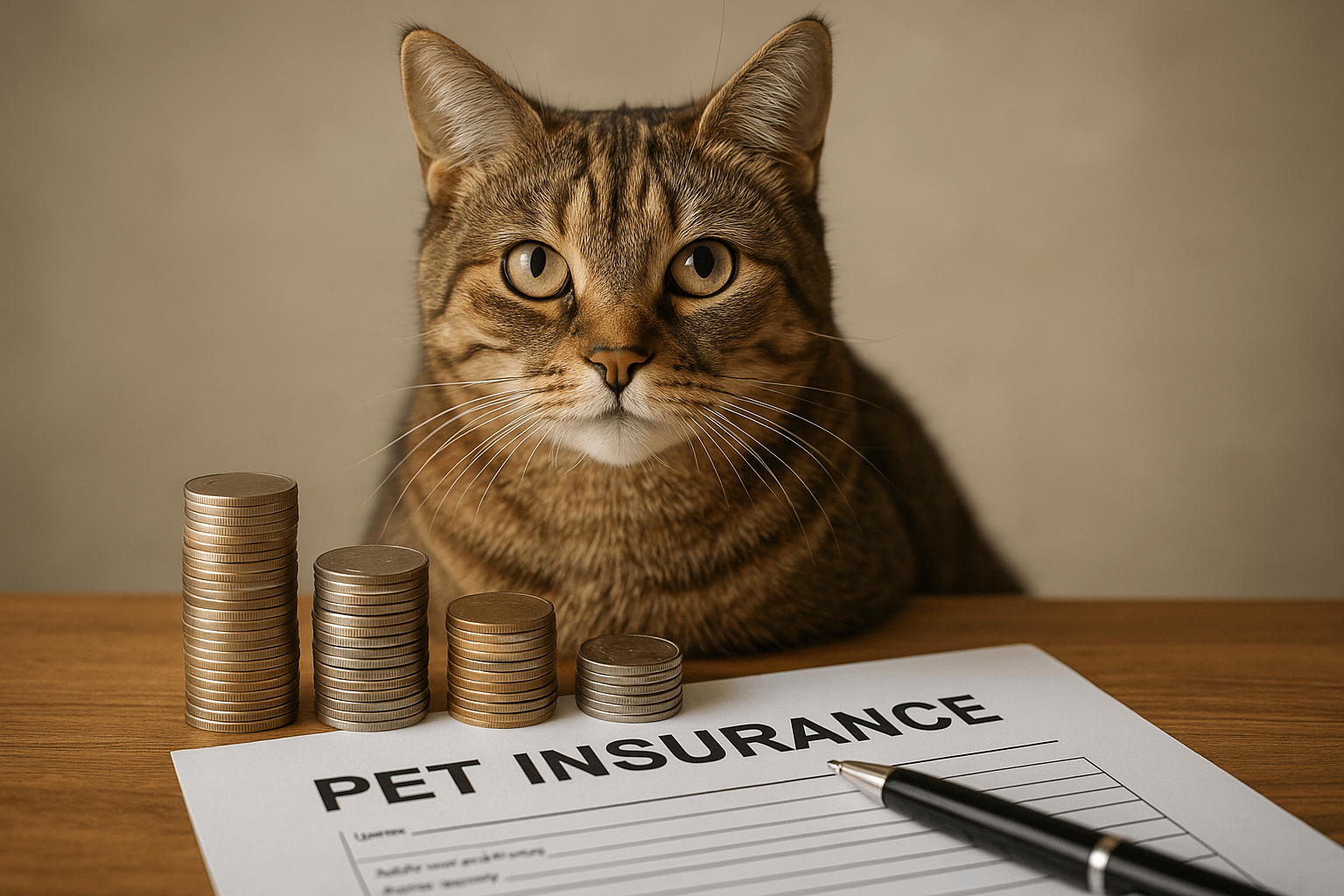

Is Pet Insurance Worth It for Cats? The Honest Truth Every Owner Needs to Know
Cats are cherished family members — quiet, independent, and surprisingly vulnerable to sudden illness or injury. When a vet bill hits $2,000 for an emergency surgery or $800 for chronic kidney treatment, the question isn’t just about cost… it’s about choice. Is pet insurance worth it for cats? The answer isn’t simple — but it’s critical. This guide cuts through the marketing noise to give you real, evidence-based insights so you can decide with confidence.
Why Cat Owners Are Choosing Pet Insurance Today
More pet parents are turning to insurance — not because they expect trouble, but because they refuse to let cost dictate care. Here’s why this shift is happening:
Unexpected illnesses can strike overnight — a cat may seem fine one day and be in critical condition the next, requiring immediate, expensive intervention.
Veterinary costs are rising faster than inflation — routine checkups, diagnostics, and surgeries have increased by over 30% in the last five years.
Cats hide pain exceptionally well — by the time symptoms appear, conditions are often advanced, requiring more intensive (and costly) treatment.
Chronic conditions like hyperthyroidism or diabetes are common — and they require lifelong management, turning monthly expenses into a financial marathon.
Emergency care is non-negotiable — waiting to save money can mean losing your cat. Insurance gives you the freedom to act fast, without panic.
Pet insurance isn’t about expecting the worst — it’s about ensuring your cat gets the best, no matter what happens.
The Real Costs of Cat Care Without Insurance
Without coverage, every vet visit becomes a financial gamble. Here’s what you’re really paying for when you skip insurance:
Emergency surgery for intestinal blockage can cost between $2,500 and $5,000, depending on complexity and location.
Diabetes management requires daily insulin, glucometer strips, and monthly vet visits — easily adding up to $100–$250 per month long-term.
Urinary tract obstruction is a life-threatening emergency in male cats — treatment averages $1,800–$3,500, including hospitalization.
Dental disease affects over 70% of cats by age 3 — full extractions and cleaning can cost $600–$1,200.
Cancer treatment — chemotherapy, radiation, or surgery — often exceeds $4,000–$8,000, with no guarantee of success.
These aren’t rare scenarios. They’re common. And without insurance, many owners face the unthinkable: choosing between their cat’s life and their own financial stability.
Check this guide 👉How Much Does a Cat Enema Cost at the Vet? Best 7 Tips!
Check this guide 👉Can I Take a Stray Cat to the Vet for Free? Best 7 Tips!
Check this guide 👉How to Calm a Cat Before the Vet: Best 7 Expert Tips!
| What Pet Insurance Covers | What It Typically Doesn’t Cover |
|---|---|
| Accidents (falls, car impacts, poisonings) | Pre-existing conditions diagnosed before enrollment |
| Illnesses (infections, cancer, kidney disease) | Routine care (vaccines, spay/neuter, dental cleanings) |
| Emergency hospitalization and diagnostics | Behavioral therapy or grooming services |
| Surgeries and prescription medications | Congenital or hereditary conditions (in some plans) |
| Chronic condition management (if enrolled young) | Alternative therapies (acupuncture, hydrotherapy) |
The Hidden Value: Peace of Mind Beyond the Dollar Signs
The true worth of pet insurance isn’t just in the reimbursements — it’s in the freedom it gives you to be a better pet parent.
You won’t hesitate to seek care — no more delaying visits because you’re afraid of the bill.
You can choose the best vet, not the cheapest one — access to specialists and advanced diagnostics becomes possible.
You avoid guilt or regret — knowing you did everything possible, even in the toughest moments.
You protect your savings — one major claim can wipe out a year’s emergency fund; insurance keeps that intact.
You reduce stress during crises — when your cat is sick, the last thing you need is financial panic.
Insurance doesn’t just cover costs — it preserves your emotional well-being and your bond with your cat.
How Much Does Pet Insurance Actually Cost for Cats?
Monthly premiums vary widely — but they’re far more predictable than surprise vet bills.
Basic accident-only plans start around $10–$15 per month, covering only injuries like fractures or foreign object ingestion.
Comprehensive plans (illness + accident) range from $25–$45 monthly for a healthy 2-year-old cat, with annual limits of $10,000+.
Premium plans with wellness add-ons (vaccines, dental) can reach $50–$70 monthly — ideal for older cats or those with chronic needs.
Deductibles typically range from $100 to $500 — lower deductibles mean higher premiums, and vice versa.
Reimbursement rates are usually 70–90% — meaning you pay upfront, then get most of it back within days.
Compare that to a single emergency: $3,000. At $35/month, you’d pay just $420 in a year. That’s a 90% savings on one major event.
When Pet Insurance Is Most Worth It — And When It’s Not
Not every cat needs the same level of coverage. Timing and health matter.
Best for kittens and young cats — enrolling early locks in coverage before pre-existing conditions develop and keeps premiums low.
Worthwhile for indoor cats — even indoor cats face risks: poisoning, falls, swallowing strings, or sudden illness.
Highly recommended for purebreds — breeds like Persians or Maine Coons are prone to genetic conditions requiring lifelong care.
Less critical for senior cats — many insurers exclude older cats or charge exorbitant rates — savings may not outweigh premiums.
Not ideal if you have a robust emergency fund — if you can comfortably cover $5,000 without stress, insurance may be optional.
The sweet spot? Enroll between 6 months and 3 years old. That’s when you get the most value, the broadest coverage, and the lowest rates.
How to Choose the Right Pet Insurance Plan for Your Cat
With dozens of providers, picking the right plan feels overwhelming. Here’s how to cut through the noise:
Read the fine print — look for caps on annual payouts, exclusions for common feline conditions, and waiting periods.
Compare reimbursement models — some pay based on “usual and customary” fees; others reimburse based on actual vet charges.
Check coverage for chronic conditions — if your cat develops diabetes at age 5, will they still be covered at age 7?
Look for wellness add-ons — optional packages for vaccines, flea prevention, or dental cleanings can offset routine costs.
Read owner reviews — focus on claims processing speed and customer service, not just price.
The cheapest plan isn’t always the best. The best plan is the one that covers what your cat is most likely to need.
Common Myths About Cat Pet Insurance — Busted
Misinformation keeps many owners from enrolling. Let’s clear the air.
Myth: “Insurance is a waste if my cat never gets sick.”
Truth: Insurance isn’t an investment in sickness — it’s protection against financial disaster. You don’t buy car insurance hoping to crash.Myth: “All plans are the same.”
Truth: Coverage varies wildly. One plan may cover cancer; another excludes it. Always compare policies side-by-side.Myth: “I can get insurance after my cat is diagnosed.”
Truth: Pre-existing conditions are almost always excluded. Waiting is the biggest financial risk.Myth: “My cat is healthy — I don’t need it.”
Truth: Healthy cats get sick too. The most common claims are for vomiting, diarrhea, and urinary issues — not old-age diseases.Myth: “It’s too expensive.”
Truth: For under $40/month, you’re protected against $5,000+ bills. That’s less than your monthly coffee habit.
Don’t let myths cost you peace of mind — or your cat’s life.
Frequently Asked Questions About Pet Insurance for Cats
Can I use any veterinarian with pet insurance?
Yes. Most plans reimburse you after you pay the vet — so you’re free to choose any licensed clinic, specialist, or emergency center.
How long is the waiting period before coverage starts?
Typically 14 days for accidents and 30 days for illnesses. Some plans have longer waits for orthopedic conditions — always check.
Does pet insurance cover euthanasia or end-of-life care?
Rarely. Most policies cover treatment up to the point of euthanasia, but not the procedure itself or cremation costs.
Can I switch providers if I’m unhappy?
Yes — but any condition diagnosed under your old plan becomes pre-existing with the new one. Switch only if you’re getting significantly better coverage.
Do premiums increase as my cat ages?
Yes — most insurers raise rates annually as your cat gets older. Some offer lifetime coverage at locked-in rates — ask before signing up.
Final Thought: Protect the Quiet Companions Who Give Us So Much
Cats don’t ask for much. They don’t demand walks, loud play, or constant attention. They curl beside you in silence, purr when you’re down, and leave paw prints on your heart. But when they’re sick, they can’t tell you what’s wrong — or how much it costs to fix.
Pet insurance isn’t about predicting the future. It’s about honoring the present. It’s about saying, “I love you enough to do whatever it takes,” even when the bill is high and the fear is real. It’s about choosing compassion over compromise.
Is Rawhide Bad for Cats? Best 7 Expert Tips! – Discover the risks, safe alternatives, and expert advice to keep your feline friend healthy and happy.

Is Rawhide Bad for Dogs? Best 7 Expert Tips! – Discover the risks, benefits, and safer alternatives to rawhides for your dog’s chewing needs.

Understanding Anorexia in Cats: Best 7 Expert Tips! – Learn why cats stop eating, spot warning signs, and discover how to help your feline regain appetite safely.

Understanding Anorexia in Dogs: Best 7 Expert Tips! – Learn causes, symptoms, and solutions to help your dog regain appetite and stay healthy.