

Is Cat Herpes Contagious to Humans? Best 7 Expert Tips!

Is Cat Herpes Contagious to Humans? Best 7 Expert Tips!

Is Cat Herpes Contagious to Humans? The Truth You Need to Know


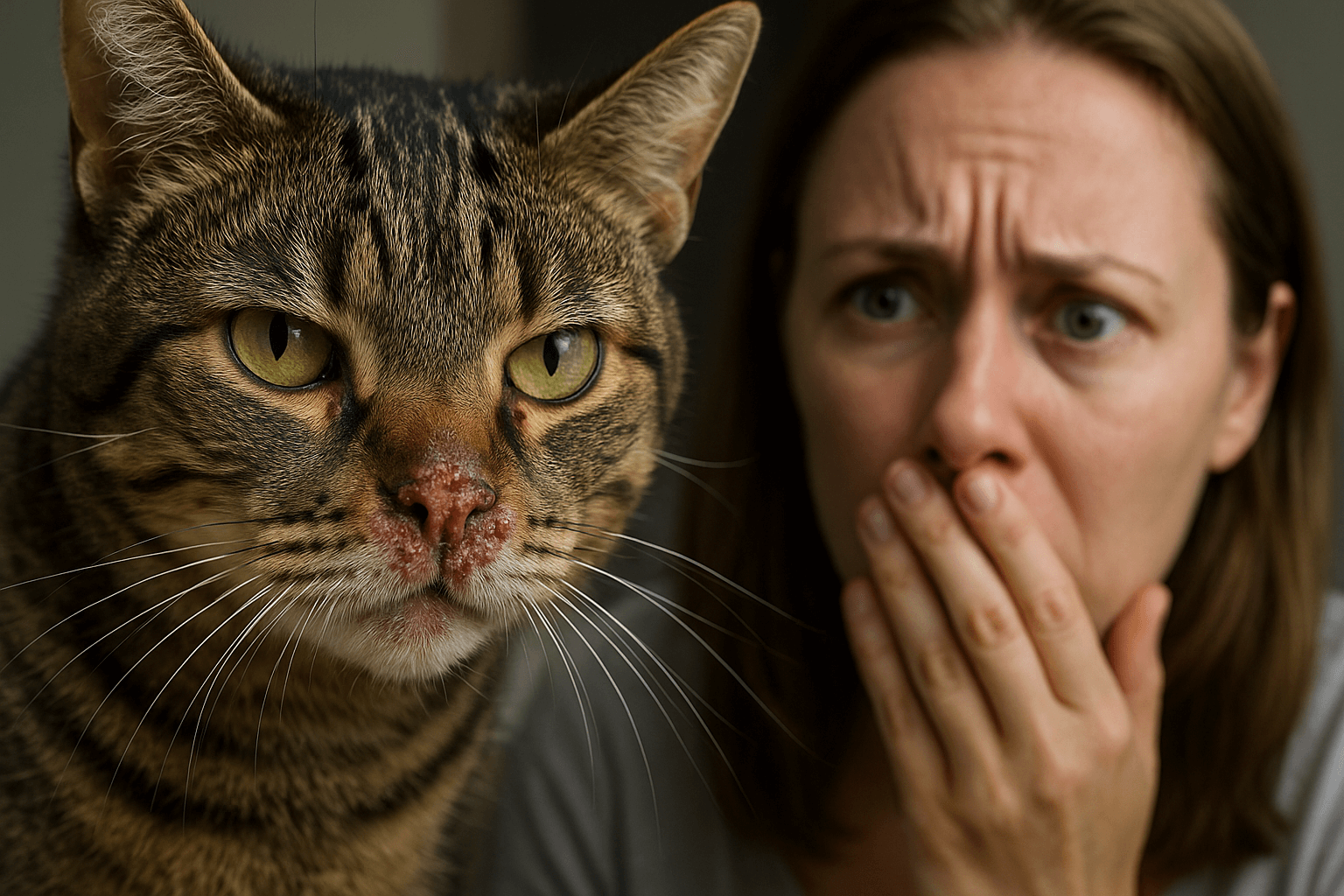
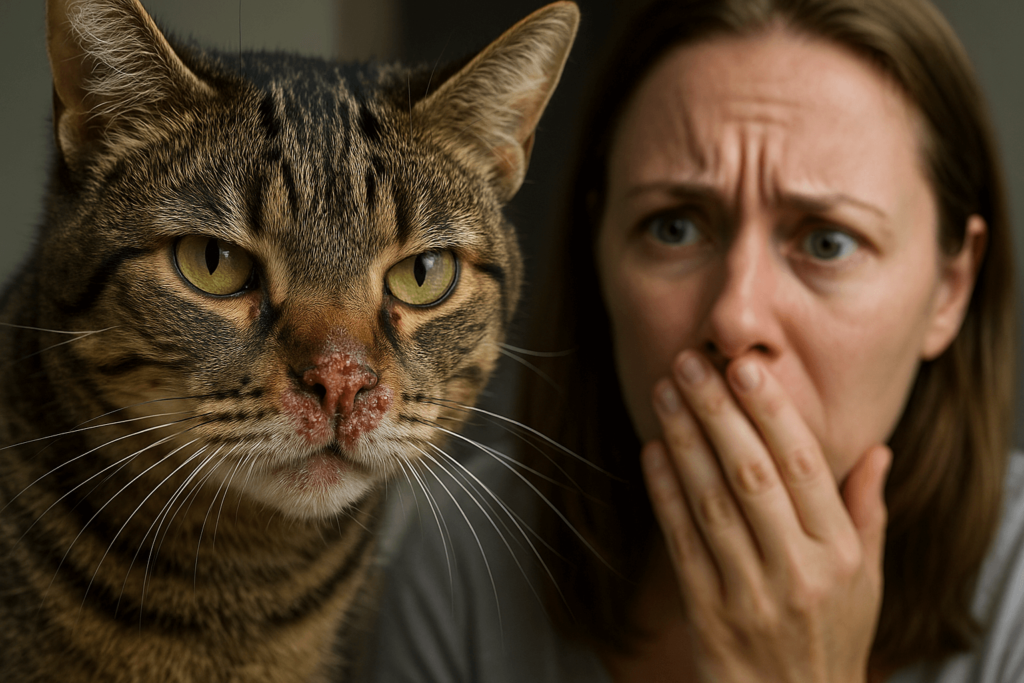
Cat herpes isn’t just a feline health concern — it’s a source of anxiety for many pet parents who worry about transmission to themselves or their families. The good news? You don’t need to fear catching it. Cat herpes, caused by Feline Herpesvirus Type-1 (FHV-1), is species-specific and poses no risk to humans. Understanding this truth — and the real risks — empowers you to care for your cat without unnecessary fear, while still practicing smart hygiene.

Why Cat Herpes Doesn’t Spread to People


Cat herpes is a common, highly contagious virus among felines — but its reach ends at the paw. It cannot infect dogs, birds, rabbits, or humans. Here’s why:

 
  • FHV-1 is genetically designed to target feline cells only.
    The virus binds to receptors found in cat nasal and eye tissues — receptors humans simply don’t have.

  • Human herpesviruses (like HSV-1 and HSV-2) are entirely different strains.
    What causes cold sores in people has zero biological overlap with what causes sneezing and eye discharge in cats.

  • There are zero documented cases of FHV-1 infecting humans.
    Decades of veterinary research and clinical observation confirm this species barrier is absolute.

  • Your cat’s sneeze or lick won’t transfer the virus to you.
    Even direct contact with ocular or nasal secretions poses no transmission risk.

  • The virus cannot survive long outside the cat’s body.
    It degrades quickly on surfaces, making environmental transmission to humans impossible.


You can cuddle, kiss, and care for your cat without fear — this virus respects the boundaries between species. Your safety isn’t compromised by your cat’s illness.

Is Cat Herpes Contagious to Humans? Best 7 Expert Tips!

How Cat Herpes Spreads Between Cats


While humans are safe, other cats are at high risk. FHV-1 spreads easily in multi-cat households, shelters, and breeding environments. Understanding transmission helps you protect your feline family.

 
  • Direct contact with infected secretions — such as sneezes, coughs, or eye discharge — is the most common route.

  • Shared food and water bowls can harbor the virus if not cleaned regularly, especially in crowded settings.

  • Litter boxes and bedding may carry traces of the virus, particularly if an infected cat has nasal or ocular discharge.

  • Mother to kittens — pregnant queens can pass the virus during birth or through grooming shortly after delivery.

  • Stress triggers reactivation — even cats that recovered years ago can shed the virus when stressed, exposing others.


This is why isolation, hygiene, and stress reduction are critical in homes with multiple cats. The virus doesn’t jump species — but it jumps easily between cats.

How Cat Herpes Spreads How It Affects Cats
Direct nose-to-nose contact during sneezing or grooming Causes upper respiratory infections with sneezing, runny nose
Sharing food or water bowls with infected cats Leads to conjunctivitis, eye ulcers, and squinting
Contaminated litter boxes or bedding Can trigger flare-ups during periods of stress
Transmission from mother to kittens at birth Newborns often develop severe eye and respiratory symptoms
Latent virus reactivation due to stress, illness, or travel Cats shed virus without showing symptoms, infecting others

Symptoms of Feline Herpes in Cats


Recognizing the signs early can mean the difference between a mild episode and a serious, prolonged illness. FHV-1 primarily affects the upper respiratory tract and eyes.

 
  • Sneezing fits — frequent, repetitive sneezing is often the first sign, especially in kittens.

  • Runny or crusty eyes — discharge may start clear but turn thick and yellow-green if secondary infection occurs.

  • Conjunctivitis — red, swollen eyelids and squinting are hallmark symptoms of eye involvement.

  • Nasal congestion — cats may breathe through their mouths, lose appetite, or stop grooming.

  • Fever and lethargy — during active infection, cats often seem tired, withdrawn, or uninterested in food.


These symptoms can mimic other illnesses like calicivirus or chlamydia — so always consult your vet for accurate diagnosis. Early intervention prevents complications like corneal ulcers or chronic sinusitis.

How to Prevent Cat Herpes Outbreaks


Prevention is far easier — and kinder — than treating flare-ups. Here’s how to reduce risk in your home.

 
  • Vaccinate your cat — the FVRCP vaccine includes protection against FHV-1 and significantly reduces severity.

  • Limit exposure to stray or unknown cats — especially in shelters or boarding facilities where outbreaks are common.

  • Quarantine new cats — keep new arrivals separate for 1–2 weeks to monitor for symptoms before introducing them.

  • Clean and disinfect regularly — use diluted bleach (1:32) or veterinary-approved disinfectants on bowls, litter boxes, and bedding.

  • Reduce stress — maintain routines, provide safe spaces, and avoid sudden changes in environment or diet.


A vaccinated, low-stress cat is far less likely to contract or shed the virus — even if exposed.

What to Do If Your Cat Has Cat Herpes


There’s no cure for FHV-1 — but there’s excellent management. Most cats live full, happy lives with occasional flare-ups.

 
  • Visit your vet immediately — they may prescribe antiviral eye ointments (like idoxuridine) or oral lysine (though evidence is debated).

  • Keep eyes clean — gently wipe discharge with a warm, damp cloth several times daily to prevent crusts.

  • Encourage eating — warm wet food with strong aroma can stimulate appetite when nasal congestion blocks smell.

  • Use a humidifier — moist air helps loosen congestion and makes breathing easier during flare-ups.

  • Avoid antibiotics unless needed — herpes is viral, so antibiotics only help if a secondary bacterial infection develops.


With proper care, most cats recover from acute episodes within 1–2 weeks. Chronic cases require ongoing management — not panic.

Myths About Cat Herpes You Need to Stop Believing


Misinformation causes unnecessary fear — and sometimes, poor decisions. Let’s clear the air.

 
  • Myth: “If my cat has herpes, I can’t let them sleep in my bed.”
    False. The virus can’t infect you. Sharing a bed is safe — just wash your hands after handling secretions.

  • Myth: “Once a cat has herpes, they’re always contagious.”
    No. Cats only shed the virus during active flare-ups or under extreme stress — not constantly.

  • Myth: “Herpes means my cat will die young.”
    Incorrect. Most cats live normal lifespans with occasional, manageable outbreaks.

  • Myth: “Only kittens get herpes.”
    False. While kittens show more severe symptoms, adult cats are often carriers and can reactivate the virus at any time.

  • Myth: “You can catch herpes from your cat’s sneeze.”
    Absolutely untrue. FHV-1 is not zoonotic. Human colds and cat herpes are unrelated viruses.


Knowledge replaces fear. Trust science — not rumors.

When to Seek Emergency Care for a Cat with Herpes


Not all flare-ups are mild. Some can become life-threatening — especially in young, elderly, or immunocompromised cats.

 
  • Your cat stops eating for more than 24 hours — cats can develop hepatic lipidosis (fatty liver disease) quickly without food.

  • Eyes are swollen shut or have cloudy corneas — this may indicate a corneal ulcer requiring urgent treatment.

  • Difficulty breathing or open-mouth breathing — indicates severe respiratory distress.

  • Lethargy, collapse, or extreme dehydration — signs of systemic illness beyond a simple cold.

  • Fever above 104°F (40°C) — a high fever suggests a secondary infection or complication.


If you see any of these signs, contact your vet immediately. Early intervention saves lives.

Frequently Asked Questions About Cat Herpes

 
Can I catch cat herpes from my cat?

No. Feline herpesvirus (FHV-1) is species-specific and cannot infect humans, dogs, or other animals.

No. Human herpes (HSV-1, HSV-2) and feline herpes are entirely different viruses with no biological connection.


Yes — especially during active outbreaks. Isolate infected cats and disinfect shared items.

Evidence is mixed. Some vets recommend it, others don’t. Focus on antiviral medications and supportive care instead.

Typically 7–14 days. Stress can prolong it. Supportive care speeds recovery.

Embrace the Truth: Your Cat’s Herpes Isn’t Your Risk


Cat herpes is not a threat to you — it’s a challenge to manage for your cat’s comfort. It’s not a reason to isolate your pet, feel guilty, or give up hope. It’s a common, manageable condition that millions of cats live with happily — thanks to informed, compassionate care. You don’t need to fear your cat’s sneeze. You don’t need to ban them from your lap. You simply need to understand: this virus belongs to cats — not to you.


By vaccinating, reducing stress, cleaning thoughtfully, and responding with calm vigilance, you’re already doing everything right. Your cat’s health isn’t defined by a virus — it’s defined by your love, your consistency, and your willingness to learn.

Is Rawhide Bad for Cats? Best 7 Expert Tips!

Is Rawhide Bad for Cats? Best 7 Expert Tips! – Discover the risks, safe alternatives, and expert advice to keep your feline friend healthy and happy.

Is Rawhide Bad for Dogs? Best 7 Expert Tips!

Is Rawhide Bad for Dogs? Best 7 Expert Tips! – Discover the risks, benefits, and safer alternatives to rawhides for your dog’s chewing needs.

Understanding Anorexia in Cats: Best 7 Expert Tips!

Understanding Anorexia in Cats: Best 7 Expert Tips! – Learn why cats stop eating, spot warning signs, and discover how to help your feline regain appetite safely.

Understanding Anorexia in Dogs: Best 7 Expert Tips!

Understanding Anorexia in Dogs: Best 7 Expert Tips! – Learn causes, symptoms, and solutions to help your dog regain appetite and stay healthy.

Leave a Reply

Your email address will not be published. Required fields are marked *