

Cat Swollen Anus Treatment: Best 7 Expert Tips!

Cat Swollen Anus Treatment: Best 7 Expert Tips!

Cat Swollen Anus Treatment: What You Need to Know Immediately


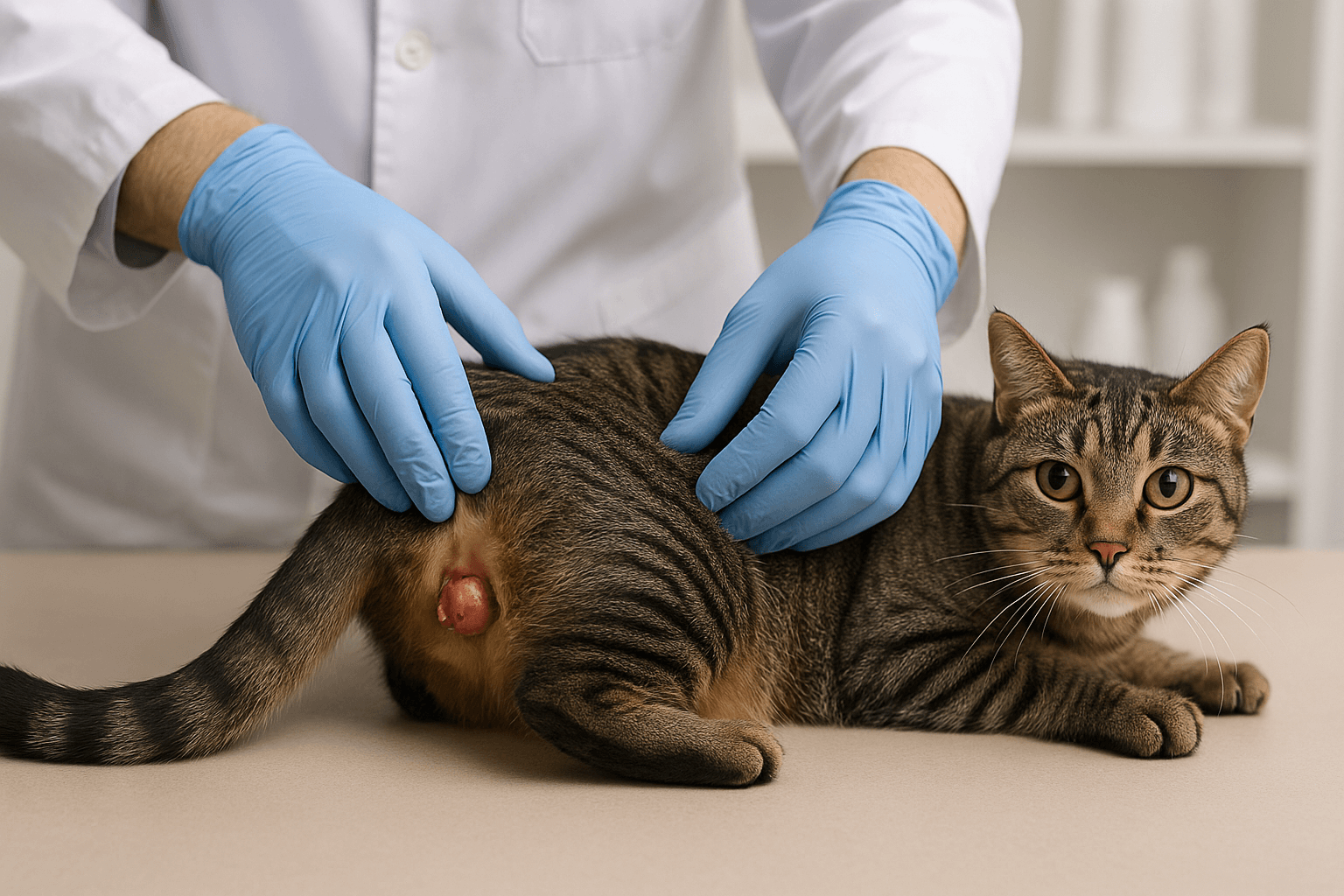
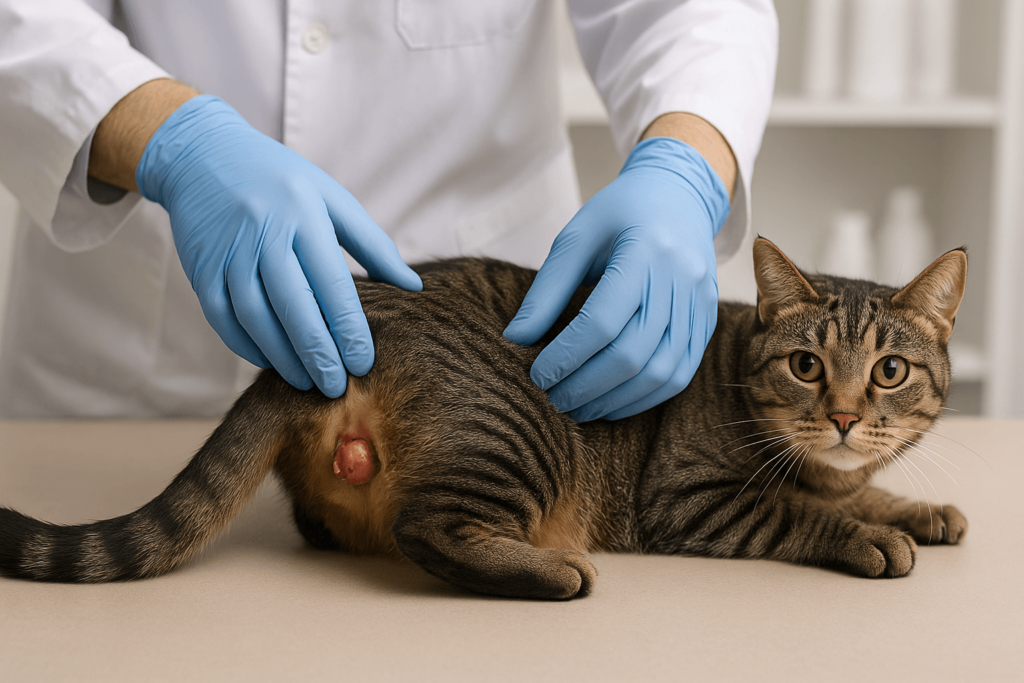
A swollen anus in your cat is not just a cosmetic concern — it’s a red flag demanding prompt attention. Whether you’ve noticed your cat licking obsessively, straining to defecate, or sitting uncomfortably, this symptom signals an underlying issue that won’t resolve on its own. Ignoring it can lead to severe pain, infection, or even life-threatening complications. Understanding the causes and proper treatment is essential for your cat’s comfort and long-term health.

Common Causes of a Swollen Anus in Cats


A swollen anus rarely occurs without an underlying trigger. Recognizing the root cause is the first step toward effective treatment. These are the most frequent culprits behind this distressing symptom.

 
  • Anal Gland Impaction:
    Cats have two small glands near the anus that secrete a pungent fluid. When these glands become blocked, they swell, causing pain and discomfort.

  • Anal Gland Infection or Abscess:
    If impaction isn’t treated, bacteria can multiply, leading to infection — and in severe cases, a painful abscess that may rupture.

  • Parasites (Tapeworms, Roundworms):
    Intestinal parasites can irritate the anal area, causing inflammation, itching, and visible swelling around the rectum.

  • Colitis or Inflammatory Bowel Disease (IBD):
    Chronic inflammation of the colon can cause swelling near the anus, often accompanied by diarrhea or mucus in stool.

  • Allergic Reactions or Skin Irritation:
    Food allergies, flea bites, or contact irritants can trigger localized swelling, redness, and excessive licking.


This swelling is your cat’s body sending a clear message: something is wrong. Early intervention prevents escalation.

Cat Swollen Anus Treatment: Best 7 Expert Tips!

Symptoms That Accompany a Swollen Anus


A swollen anus rarely appears in isolation. Pay close attention to other behavioral or physical signs — they provide critical clues about the severity and nature of the problem.

 
  • Excessive Licking or Biting:
    Your cat may obsessively groom the area, trying to soothe irritation or pain.

  • Scooting or Dragging the Rear:
    If your cat drags its bottom across the floor, it’s attempting to relieve pressure or itchiness.

  • Difficulty Defecating:
    Straining, crying, or avoiding the litter box can indicate pain during bowel movements.

  • Foul Odor or Discharge:
    A strong, fishy smell or pus-like discharge often signals infected anal glands.

  • Loss of Appetite or Lethargy:
    Systemic discomfort can lead to reduced activity, refusal to eat, or hiding behavior.


These symptoms are not “just a phase.” They’re indicators of distress that require veterinary evaluation. Delaying care risks worsening the condition.

Cause Key Indicator
Anal Gland Impaction Swelling on both sides of the anus, scooting, no discharge
Anal Gland Abscess Red, hot, pus-filled lump; foul odor; cat may be feverish
Parasites Visible rice-like segments near anus; weight loss; diarrhea
Colitis or IBD Mucus or blood in stool; frequent small bowel movements
Allergic Reaction Red, itchy skin; recent diet change; fleas present

When to Seek Veterinary Care Immediately


While minor irritation may resolve with home care, a swollen anus often requires professional intervention. Know when to act fast.

 
  • If the swelling is hard, hot, or oozing pus — this indicates an abscess needing drainage and antibiotics.

  • If your cat hasn’t defecated in over 48 hours — constipation combined with swelling can signal a blockage.

  • If your cat is lethargic, vomiting, or has a fever — systemic infection is possible and requires urgent treatment.

  • If home remedies (like wipes or diet changes) show no improvement after 24–48 hours — the issue is likely deeper than surface irritation.

  • If your cat is crying or flinching when touched near the tail — this is a clear sign of significant pain.


Waiting too long can turn a treatable condition into a surgical emergency. Trust your instincts — if something feels off, don’t hesitate to call your vet.

At-Home Care and Supportive Measures


While veterinary care is essential, there are supportive steps you can take at home to ease your cat’s discomfort — but only as a supplement to professional treatment.

 
  • Gently Clean the Area:
    Use a warm, damp cloth or unscented pet wipe to clean around the anus twice daily. Avoid harsh soaps or alcohol.

  • Apply a Warm Compress:
    Soak a clean towel in warm (not hot) water and hold it gently against the swollen area for 5–10 minutes to reduce inflammation.

  • Ensure Hydration and Fiber-Rich Diet:
    Encourage water intake and consider adding pumpkin puree (no spices) to soften stool and ease passage.

  • Prevent Licking with an Elizabethan Collar:
    If your cat is obsessively licking, a cone or soft collar can prevent self-trauma and secondary infection.

  • Monitor Litter Box Habits:
    Track frequency, consistency, and signs of blood or mucus. This information is vital for your vet.


Home care supports healing — it doesn’t replace diagnosis. Always consult your veterinarian before starting any regimen.


Veterinary Treatment Options for Swollen Anus


Your vet will determine the cause through physical exam, fecal testing, and possibly imaging. Treatment varies based on diagnosis.

 
  • Manual Expression of Anal Glands:
    A common procedure where the vet gently squeezes out built-up fluid to relieve pressure and pain.

  • Antibiotics or Anti-Inflammatories:
    Prescribed for infections or inflammation. Never give human medications — they can be fatal to cats.

  • Surgical Drainage or Removal:
    For recurrent abscesses or chronic impaction, surgery may be recommended to remove the problematic glands.

  • Deworming Medication:
    If parasites are detected, a targeted dewormer will be administered based on the type of worm.

  • Dietary Changes or Allergy Testing:
    A hypoallergenic diet trial or elimination diet may be suggested if food allergies are suspected.


Treatment is tailored to your cat’s specific needs. Follow your vet’s instructions precisely — even if symptoms improve quickly.

Preventing Future Episodes of Swollen Anus


Prevention is far easier — and less stressful — than treating a full-blown crisis. These proactive steps reduce recurrence.

 
  • Regular Anal Gland Checks:
    Ask your vet to check the glands during routine visits — especially if your cat has had issues before.

  • High-Fiber Diet:
    Fiber helps create firm stools that naturally express glands during defecation. Consider vet-recommended fiber supplements.

  • Routine Flea Control:
    Preventing fleas reduces allergic reactions and associated itching that can trigger swelling.

  • Avoid Sudden Diet Changes:
    Gradual transitions prevent digestive upset that can lead to colitis or irritated anal tissue.

  • Encourage Regular Exercise and Hydration:
    Movement and water help maintain healthy bowel function and reduce constipation risk.


Consistency is key. A few small changes in daily care can prevent months of discomfort.


Frequently Asked Questions About Cat Swollen Anus Treatment

 
Can I squeeze my cat’s anal glands at home?

Only if trained by a vet. Improper expression can cause injury, infection, or rupture. Leave it to professionals.

Not directly — unless caused by parasites like tapeworms, which can spread through feces. Treat all pets if parasites are confirmed.

Surgery is rare and only considered for chronic, recurring issues. Most cases respond well to expression and diet changes.

Stress doesn’t directly cause swelling, but it can trigger colitis or lead to over-grooming, which worsens irritation.

With proper treatment, improvement is often seen within 2–5 days. Full resolution may take up to 2 weeks depending on severity.

Embrace Understanding, Not Fear


A swollen anus in your cat is alarming — but it’s rarely a death sentence. It’s a signal. A call for attention. A reminder that even the most independent felines rely on us to interpret their silent cries for help. By recognizing the signs early, seeking timely care, and creating a supportive environment, you transform a moment of crisis into an opportunity for deeper connection and better health.


You don’t need to be a veterinarian to make a difference. You just need to care enough to act. And in doing so, you give your cat the gift of comfort, dignity, and a life free from unnecessary pain.

Cat Anaphylactic Shock Treatment Costs: Best 7 Expert Tips!

Cat Anaphylactic Shock Treatment Costs: Best 7 Expert Tips! – Learn about costs, treatments, and financial aid options to save your cat’s life.

Exocrine Pancreatic Insufficiency in Cats: Best 7 Tips!

Exocrine Pancreatic Insufficiency in Cats: Best 7 Tips! – Learn to spot symptoms, manage EPI effectively, and improve your cat’s quality of life with expert advice.

Cost of Dog Anaphylactic Shock Treatment: Best 7 Tips!

Cost of Dog Anaphylactic Shock Treatment: Best 7 Tips! – Learn about emergency costs, financial planning, and ways to manage expenses for your dog’s care.

Exocrine Pancreatic Insufficiency in Dogs: Best 7 Tips!

Exocrine Pancreatic Insufficiency in Dogs: Best 7 Tips! – Learn to spot symptoms, manage EPI effectively, and improve your dog’s quality of life with expert guidance.

Leave a Reply

Your email address will not be published. Required fields are marked *


