
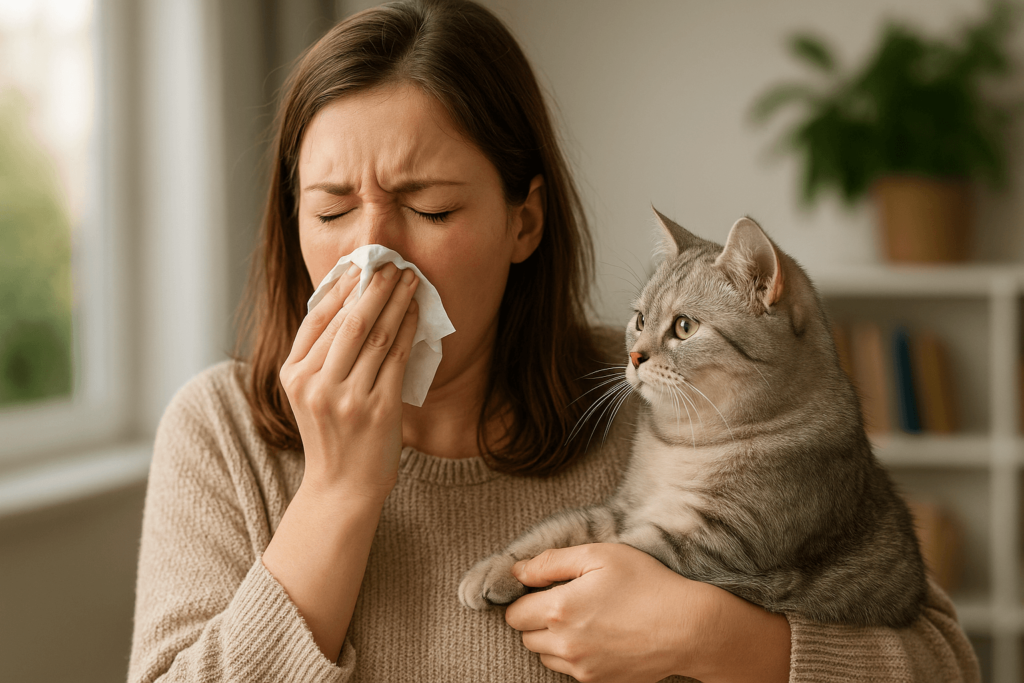

Can You Develop a Cat Allergy?
Cat allergies are one of the most common pet-related allergies, affecting millions of people worldwide. For many, the idea of developing an allergy to their beloved feline companion can be both surprising and concerning. While some individuals experience symptoms from an early age, others may find themselves suddenly reacting to cats after years of coexistence. What causes this shift, and how does the immune system come to view cats as a threat? This blog post explores the science behind cat allergies, risk factors for developing them, and practical strategies for managing symptoms while maintaining a harmonious relationship with your furry friend.
What Causes Cat Allergies?
Understanding the root cause of cat allergies is essential for addressing and managing symptoms effectively. These allergies arise not from cat hair itself, but from proteins found in a cat’s skin, saliva, and urine. Here’s what you need to know:
Fel d 1 Protein:
The primary allergen responsible for cat allergies is Fel d 1, a protein secreted by cats through their skin and saliva. Even short-haired or hairless breeds produce this protein.Dander as a Trigger:
When cats groom themselves, the Fel d 1 protein spreads onto their fur, which eventually flakes off as dander—a major source of allergic reactions.Airborne Allergens:
Tiny particles of dander, saliva, and urine can become airborne, lingering in the environment and triggering respiratory symptoms.Immune System Response:
In allergic individuals, the immune system mistakenly identifies harmless proteins like Fel d 1 as threats, releasing histamines that cause inflammation and discomfort.Individual Sensitivity Levels:
Allergy severity varies from person to person, with some experiencing mild sneezing and others facing severe asthma-like symptoms.
By understanding these triggers, you can take proactive steps to minimize exposure and manage your symptoms more effectively.
Signs You May Be Developing a Cat Allergy
Developing a cat allergy isn’t always immediate—it can manifest gradually over time. Recognizing the signs early allows you to address the issue before it worsens.
Frequent Sneezing or Runny Nose:
Persistent sneezing or nasal congestion around cats may indicate an emerging allergy.Itchy, Watery Eyes:
Redness, itching, or excessive tearing in the eyes can signal an allergic reaction to cat allergens.Skin Irritation:
Hives, rashes, or eczema after petting or being near a cat are common symptoms of sensitization.Worsening Asthma Symptoms:
Individuals with pre-existing asthma may notice increased coughing, wheezing, or difficulty breathing around cats.Fatigue or Headaches:
Some people report feeling unusually tired or experiencing headaches after prolonged exposure to cat allergens.
If you notice any of these symptoms, consult an allergist to confirm whether you’re developing a cat allergy.
Check this guide 👉Benadryl for Cat Allergy: Best 7 Expert Tips!
Check this guide 👉Dog vs Cat Allergies: Best 7 Expert Tips!
Check this guide 👉Can Cat Allergies Go Away with Exposure? Best 7 Tips!
Symptoms of Cat Allergies | Management Strategies |
|---|---|
Sneezing and nasal congestion | Use HEPA air purifiers to reduce allergens |
Itchy, watery eyes | Wear glasses or goggles when handling cats |
Skin irritation (hives, rashes) | Bathe regularly and wash hands after contact |
Asthma flare-ups | Keep cats out of bedrooms and living areas |
Fatigue or headaches | Take antihistamines or seek medical advice |
Risk Factors for Developing a Cat Allergy
While anyone can develop a cat allergy, certain factors increase your likelihood of becoming sensitized to feline allergens. Understanding these risks can help you take preventive measures.
Genetic Predisposition:
A family history of allergies or asthma significantly raises your chances of developing a cat allergy.Prolonged Exposure:
Spending extended periods around cats, especially indoors, increases the risk of sensitization over time.Weakened Immune System:
Stress, illness, or other immune-compromising conditions can make you more susceptible to developing allergies.Age Factor:
Adults who previously had no issues with cats may develop allergies later in life due to changes in immune function.Environmental Triggers:
Living in poorly ventilated spaces or homes with high levels of dust mites can exacerbate sensitivity to cat allergens.
Identifying these risk factors allows you to implement strategies to minimize potential triggers.
How to Manage a Newly Developed Cat Allergy
If you’ve recently developed a cat allergy, don’t despair—there are several ways to manage your symptoms without giving up your feline companion entirely.
Limit Direct Contact:
Reduce close interactions with your cat, such as cuddling or allowing them on furniture, to decrease allergen exposure.Create Allergen-Free Zones:
Designate specific areas of your home, like bedrooms, as off-limits to your cat to provide relief from allergens.Bathe Your Cat Regularly:
Bathing your cat every few weeks can reduce the amount of dander and saliva lingering in your home.Clean Frequently:
Vacuum carpets, wash bedding, and wipe down surfaces regularly to remove accumulated allergens.Consult an Allergist:
Seek professional guidance for treatments like immunotherapy, which can desensitize your immune system to cat allergens.
With consistent effort, it’s possible to live comfortably with a cat even after developing an allergy.
Common Misconceptions About Cat Allergies
Misunderstandings about cat allergies often lead to confusion and frustration. Clearing up these misconceptions can help you make informed decisions about managing your condition.
Allergies Are Caused by Cat Hair:
Contrary to popular belief, cat hair itself is not the allergen—it’s the proteins carried on the hair and skin.You Can Outgrow Cat Allergies:
While some children outgrow allergies, adults typically do not—and may even develop new ones later in life.Hypoallergenic Breeds Are Completely Safe:
Even low-allergen breeds produce Fel d 1 protein, meaning they aren’t entirely allergen-free.Only Indoor Cats Cause Allergies:
Outdoor cats also spread allergens, though indoor cats tend to concentrate them within confined spaces.Allergy Shots Cure Cat Allergies Instantly:
Immunotherapy takes time to build tolerance and isn’t a quick fix for allergy sufferers.
Understanding these truths helps set realistic expectations for living with cat allergies.
Tips for Reducing Cat Allergens in Your Home
Minimizing allergens in your living space can significantly improve comfort for allergy sufferers. Here are practical tips to create a cleaner environment.
Use Washable Covers on Furniture:
Slipcovers protect upholstery from dander and can be washed frequently to remove allergens.Opt for Hard Flooring Over Carpets:
Carpets trap allergens; hard surfaces like tile or wood are easier to clean thoroughly.Groom Your Cat Outside:
Brushing your cat outdoors prevents loose hair and dander from spreading indoors.Invest in Allergen-Sealed Vacuum Cleaners:
Standard vacuums may release allergens back into the air; sealed models prevent this issue.Wash Fabrics Regularly:
Launder curtains, throw blankets, and pet bedding weekly to keep allergen buildup under control.
Implementing these practices creates a healthier home environment for everyone.
Emotional Impact of Developing a Cat Allergy
Dealing with a newly developed cat allergy can be emotionally challenging, especially for devoted cat owners. Acknowledging these feelings helps you navigate the transition more effectively.
Feelings of Guilt or Sadness:
Many owners feel guilty about needing to distance themselves from their pets, but prioritizing health is important.Fear of Losing Companionship:
Worrying about losing the bond with your cat is natural, but creative solutions can preserve the relationship.Stress Over Lifestyle Changes:
Adjusting routines and cleaning habits can feel overwhelming initially, but consistency makes it easier over time.Concern About Rehoming:
Deciding whether to rehome a cat due to allergies is heart-wrenching, but alternative options exist before taking this step.Hope Through Adaptation:
With effort and support, it’s possible to adapt to living with a cat allergy without sacrificing happiness.
Acknowledging these emotions fosters resilience and empowers you to find solutions that work for your unique situation.
Frequently Asked Questions About Cat Allergies
Can I suddenly develop a cat allergy?
Yes, cat allergies can develop at any age, even if you’ve previously lived comfortably with cats.
Are there hypoallergenic cat breeds?
While no breed is completely hypoallergenic, some produce fewer allergens than others, such as Siberians or Balinese cats.
Can bathing my cat reduce allergens?
Yes, regular baths can lower the level of allergens on your cat’s coat, though it may be challenging depending on your cat’s temperament.
Do air purifiers help with cat allergies?
HEPA air purifiers can trap airborne allergens, improving indoor air quality and reducing symptoms.
Is medication effective for managing cat allergies?
Antihistamines, nasal sprays, and other medications can alleviate symptoms, but long-term solutions like immunotherapy may offer better results.
Living Harmoniously with Cats Despite Allergies
Developing a cat allergy doesn’t mean the end of your bond with your feline companion. By understanding the causes, recognizing symptoms early, and implementing effective management strategies, you can continue to enjoy a fulfilling relationship with your cat. Whether through environmental adjustments, medical interventions, or lifestyle changes, there are numerous ways to mitigate the impact of allergies. Remember, patience and persistence are key to finding solutions that work for both you and your furry friend. With the right approach, love and companionship can thrive even in the face of allergies.
Newfoundland Dog Personality: Best 7 Expert Tips! – Discover the gentle, loyal, and protective nature of this giant breed perfect for families.
Can Hot Pavement Burn Your Cats Paws? Best 7 Expert Tips! – Learn how to protect your cat’s paws from hot surfaces and prevent painful burns this summer.
Can Hot Pavement Burn Your Dogs Paws? Best 7 Expert Tips! – Learn how to protect your dog’s paws from hot surfaces and ensure safe summer walks.
Irish Wolfhound Size: Best 7 Expert Tips! – Discover the ideal height, weight, and care tips for this majestic giant breed. Learn how to manage their impressive stature responsibly.


