
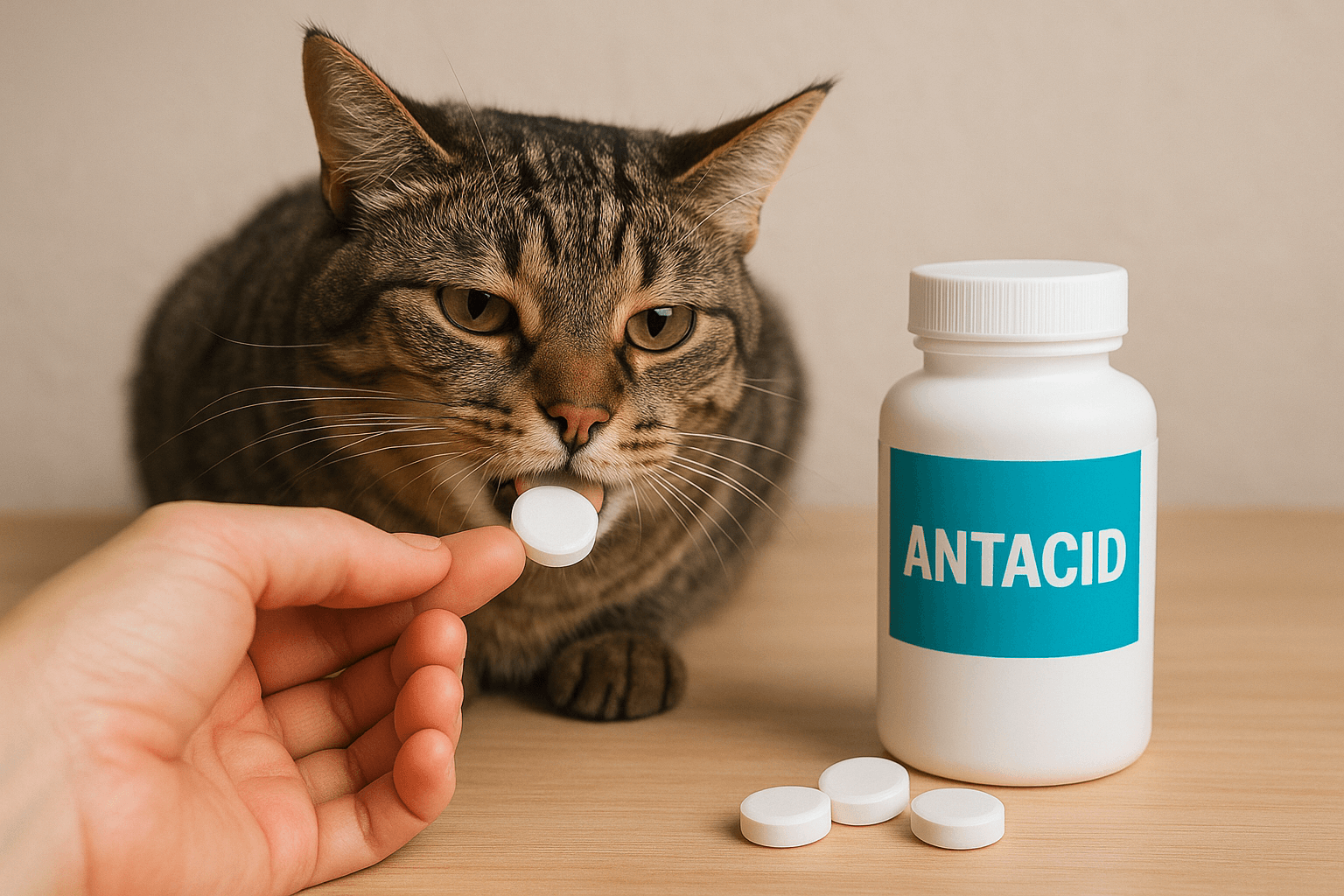

Cat Antacid: What You Need to Know About Feline Digestive Health
Cats, like humans, can occasionally experience digestive discomfort, including issues like acid reflux or an upset stomach. While these conditions may seem minor, they can significantly impact your feline friend’s quality of life if left untreated. One potential solution is the use of antacids, which can help neutralize stomach acid and alleviate symptoms. However, administering antacids to cats requires careful consideration, as their physiology differs greatly from ours.
In this blog post, we’ll explore everything you need to know about cat antacids—from their uses and benefits to safety precautions and alternatives. By understanding how to support your cat’s digestive health, you can ensure they remain happy, healthy, and comfortable.
When Are Antacids Necessary for Cats?
While most cats maintain good digestive health, certain situations may warrant the use of antacids. Recognizing these scenarios ensures timely intervention and prevents complications.
Acid Reflux in Cats:
Acid reflux occurs when stomach acid flows backward into the esophagus, causing irritation and discomfort. This condition is more common in older cats or those with underlying health issues.Dietary Indiscretion:
Cats who consume inappropriate foods, such as rich human snacks or toxic plants, may develop stomach upset that benefits from antacid treatment.Medication Side Effects:
Some medications, such as NSAIDs or antibiotics, can irritate a cat’s stomach lining, making antacids a helpful complementary treatment.Chronic Vomiting:
Persistent vomiting may indicate excessive stomach acid production, which antacids can help manage under veterinary supervision.Post-Surgical Recovery:
After surgery, cats may experience nausea or gastrointestinal distress, and antacids can aid in their recovery process.
Understanding when antacids are appropriate helps you address your cat’s needs effectively while avoiding unnecessary treatments.
Types of Antacids Safe for Cats
Not all antacids are safe for feline consumption, so it’s crucial to choose products specifically recommended by veterinarians. Here are some commonly used options and their characteristics.
Famotidine (Pepcid):
Famotidine is one of the most widely prescribed antacids for cats. It reduces stomach acid production and is generally well-tolerated.Ranitidine (Zantac):
Although less commonly used today due to availability concerns, ranitidine was once a popular choice for managing acid-related issues in cats.Omeprazole (Prilosec):
Omeprazole is a proton pump inhibitor that provides long-lasting relief from stomach acid but should only be used under veterinary guidance.Sucralfate:
While not an antacid per se, sucralfate coats the stomach lining to protect it from acid damage, often complementing other treatments.Natural Alternatives:
Some pet owners opt for natural remedies like slippery elm or aloe vera gel, though these should always be discussed with a vet first.
Choosing the right antacid ensures safe and effective treatment tailored to your cat’s unique needs.
Check this guide 👉Understanding Cat Acid Reflux: Best 7 Health Tips!
Check this guide 👉Cat Regurgitation vs Vomit: Best 7 Expert Tips!
Symptoms Requiring Antacid Use | Potential Causes of Stomach Issues |
|---|---|
Excessive drooling | Acid reflux or esophageal irritation |
Frequent vomiting | Dietary indiscretion or food allergies |
Loss of appetite | Stress or medication side effects |
Lethargy or discomfort | Chronic digestive disorders |
Bad breath or regurgitation | Gastrointestinal inflammation |
How to Administer Antacids Safely
Administering antacids to your cat requires precision and care to avoid adverse reactions. Follow these guidelines to ensure safe and successful treatment.
Consult Your Veterinarian First:
Always seek professional advice before giving your cat any medication, including over-the-counter antacids.Follow Dosage Instructions Carefully:
Incorrect dosages can lead to toxicity or ineffective treatment. Stick to the prescribed amount based on your cat’s weight and condition.Monitor for Side Effects:
Watch for signs of adverse reactions, such as diarrhea, constipation, or changes in behavior, and report them to your vet immediately.Use Oral Syringes or Pill Pockets:
To make administration easier, hide pills in pill pockets or mix liquid antacids with wet food, ensuring your cat consumes the full dose.Avoid Human Medications Without Approval:
Many human antacids contain ingredients harmful to cats, such as xylitol or high levels of calcium carbonate.
By adhering to these steps, you can minimize risks and maximize the benefits of antacid therapy for your cat.
Alternatives to Antacids for Managing Digestive Issues
While antacids can be beneficial, they aren’t always the best solution for every digestive issue. Exploring alternative approaches may provide additional relief for your cat.
Probiotics:
Probiotic supplements support gut health by promoting the growth of beneficial bacteria, reducing symptoms of indigestion.Hydration Therapy:
Ensuring your cat stays hydrated helps flush toxins from their system and supports overall digestive function.Bland Diet Transition:
Switching to a bland diet of boiled chicken and rice can soothe an irritated stomach and ease recovery.Herbal Remedies:
Herbs like ginger or chamomile have mild anti-nausea properties, though they should only be used under veterinary supervision.Behavioral Adjustments:
Reducing stress through environmental enrichment or calming aids can improve digestive health in anxious cats.
These alternatives offer holistic ways to address digestive problems without relying solely on antacids.
Signs Your Cat May Need an Antacid
Recognizing early signs of digestive distress allows you to intervene promptly and prevent worsening symptoms. Look out for these indicators that your cat might benefit from antacid treatment.
Excessive Drooling:
Unusual drooling can signal nausea or irritation caused by excess stomach acid.Frequent Gagging or Coughing:
These behaviors may indicate acid reflux or difficulty swallowing due to esophageal inflammation.Regurgitating Food:
If your cat frequently brings up undigested food shortly after eating, it could point to acid-related issues.Hunched Posture:
A hunched posture often accompanies abdominal pain or discomfort, signaling a potential need for intervention.Changes in Behavior:
Cats in discomfort may become lethargic, irritable, or withdrawn, indicating underlying health concerns.
Identifying these signs early enables timely action to restore your cat’s comfort and health.
Preventative Measures to Avoid Digestive Problems
Prevention is key to maintaining your cat’s digestive health and minimizing the need for interventions like antacids. Incorporating these habits into your routine promotes long-term wellness.
Provide a Balanced Diet:
Feed your cat high-quality, species-appropriate food to reduce the risk of gastrointestinal upset.Limit Table Scraps:
Avoid feeding your cat fatty, salty, or spicy human foods that can upset their stomach.Encourage Regular Feeding Times:
Establishing consistent meal schedules helps regulate digestion and prevents overeating.Keep Toxic Substances Out of Reach:
Ensure household plants, chemicals, and medications are inaccessible to curious cats.Promote Stress-Free Environments:
Minimize stressors like loud noises or sudden changes in routine, as stress can exacerbate digestive issues.
Taking preventative measures safeguards your cat’s digestive system and enhances their overall quality of life.
Common Myths About Cat Antacids Debunked
Misinformation about cat antacids can lead to improper treatment or missed opportunities for care. Let’s debunk some common myths to set the record straight.
Myth: All Antacids Are Safe for Cats:
Fact: Many human antacids contain harmful ingredients, making them unsafe for felines without vet approval.Myth: Antacids Cure Underlying Conditions:
Fact: Antacids only address symptoms; identifying and treating the root cause is essential for lasting relief.Myth: Natural Remedies Are Always Safer:
Fact: Even natural remedies can pose risks if not properly researched or administered under veterinary guidance.Myth: Cats Don’t Experience Acid Reflux:
Fact: Acid reflux is relatively common in cats, especially older ones or those with pre-existing health conditions.Myth: Over-the-Counter Options Work Just as Well:
Fact: Prescription-strength antacids are often more effective and safer than OTC alternatives for cats.
Dispelling these myths ensures you approach your cat’s digestive health with accurate information and confidence.
Frequently Asked Questions About Cat Antacids
Can I give my cat human antacids?
No, many human antacids contain ingredients toxic to cats. Always consult your vet before administering any medication.
How long does it take for antacids to work?
Most antacids begin working within 1-2 hours, but the exact timing depends on the type and dosage prescribed.
Are there natural antacids for cats?
Some natural remedies, like slippery elm, may help, but always discuss them with your vet before use.
What should I do if my cat vomits after taking an antacid?
Contact your veterinarian immediately to rule out complications or adjust the treatment plan.
Can kittens take antacids?
Kittens require special care and lower dosages. Never give antacids to a kitten without consulting a vet.
Supporting Your Cat’s Digestive Health with Confidence
Managing digestive issues in cats requires a balance of knowledge, caution, and compassion. Whether through antacids, dietary adjustments, or alternative therapies, there are numerous ways to support your feline companion’s well-being. Always prioritize consultation with your veterinarian to ensure safe and effective treatment tailored to your cat’s needs. By staying attentive to their symptoms and proactive in addressing concerns, you can help your cat enjoy a happy, healthy life free from digestive discomfort. Remember, even small steps toward better digestive care can make a big difference for your furry friend.
Is Rawhide Bad for Cats? Best 7 Expert Tips! – Discover the risks, safe alternatives, and expert advice to keep your feline friend healthy and happy.

Is Rawhide Bad for Dogs? Best 7 Expert Tips! – Discover the risks, benefits, and safer alternatives to rawhides for your dog’s chewing needs.

Understanding Anorexia in Cats: Best 7 Expert Tips! – Learn why cats stop eating, spot warning signs, and discover how to help your feline regain appetite safely.

Understanding Anorexia in Dogs: Best 7 Expert Tips! – Learn causes, symptoms, and solutions to help your dog regain appetite and stay healthy.