
Why Does My Cat Vomit After Pooping? Best 7 Expert Tips!

Why Does My Cat Vomit After Pooping? Best 7 Expert Tips!

Why Does My Cat Vomit After Pooping?


Cats are known for their quirky behaviors and occasional health quirks, but what happens when your feline friend vomits after pooping? While this might seem alarming, it’s not uncommon and can stem from a variety of causes. Understanding why this happens is crucial to determining whether it’s a minor issue or something that requires veterinary attention. From dietary indiscretions to underlying medical conditions, there are several factors to consider. In this blog post, we’ll explore the potential reasons behind this behavior, how to address it, and when to seek professional help to ensure your cat stays happy and healthy.

Expert Insight

“Vomiting has many causes that may or may not be related to the gastrointestinal tract, which makes determining the specific cause frustrating for veterinarians.”

Common Causes of Vomiting After Pooping


If your cat vomits after pooping, it’s essential to identify the root cause. Here are some common reasons why this might occur:

 
  • Hairballs:
    Hairballs can irritate the digestive tract, causing vomiting shortly after using the litter box. Regular grooming can help reduce hair ingestion.

  • Dietary Issues:
    Sudden changes in diet or consuming inappropriate foods can upset your cat’s stomach, leading to vomiting after defecation.

  • Constipation or Straining:
    Straining during bowel movements can trigger nausea, resulting in vomiting as a secondary reaction.

  • Parasites:
    Intestinal parasites like roundworms or tapeworms can disrupt digestion and cause both vomiting and irregular bowel movements.

  • Stress or Anxiety:
    Cats experiencing stress or anxiety may exhibit unusual behaviors, including vomiting after pooping, due to heightened sensitivity in their gut.


Understanding these causes can guide you toward appropriate solutions and help determine if further investigation is needed.

Why Does My Cat Vomit After Pooping? Best 7 Expert Tips!

Signs Your Cat Needs Veterinary Attention


While occasional vomiting after pooping might not be a cause for concern, certain symptoms indicate the need for immediate veterinary care. Be on the lookout for these warning signs:

 
  • Frequent Vomiting Episodes:
    If your cat vomits regularly after using the litter box, it could signal an underlying health issue requiring diagnosis.

  • Blood in Vomit or Stool:
    The presence of blood is a red flag that warrants urgent veterinary attention.

  • Lethargy or Weakness:
    A lack of energy or unresponsiveness could indicate dehydration or a serious condition affecting your cat’s overall health.

  • Loss of Appetite:
    Refusal to eat for more than 24 hours suggests your cat may be experiencing pain or illness.

  • Abdominal Swelling or Pain:
    If your cat’s abdomen appears swollen or they react negatively to touch, it could point to a gastrointestinal blockage or other complications.


Recognizing these symptoms early ensures timely intervention and improves your cat’s chances of recovery.

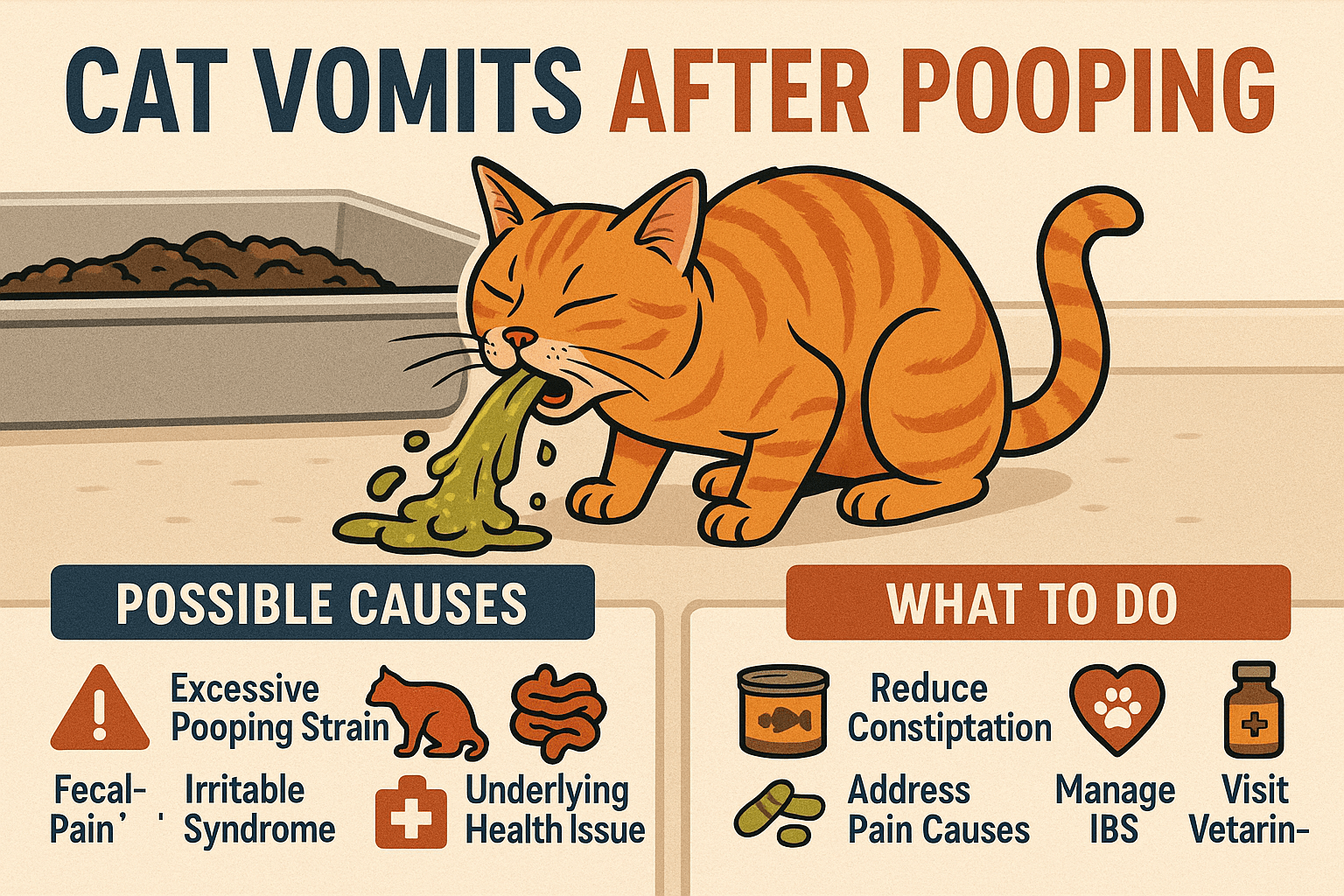
Possible Causes of Vomiting After Pooping
Steps to Address the Issue
Hairballs
Groom your cat regularly to minimize shedding.
Dietary Indiscretion
Feed a consistent, high-quality diet and avoid table scraps.
Constipation
Provide fiber-rich food and fresh water daily.
Parasites
Schedule regular deworming treatments with your vet.
Stress or Anxiety
Create a calm environment and use calming products if needed.

How to Prevent Vomiting After Pooping


Prevention is key to ensuring your cat’s digestive system stays healthy and free from disruptions. Here are some proactive steps you can take:

 
  • Maintain a Consistent Diet:
    Avoid sudden changes in your cat’s food and stick to high-quality, easily digestible options recommended by your vet.

  • Encourage Hydration:
    Ensure your cat has access to fresh water at all times to prevent dehydration, which can lead to constipation and vomiting.

  • Regular Grooming Sessions:
    Brush your cat frequently to remove loose fur and reduce the likelihood of hairball formation.

  • Provide Mental and Physical Stimulation:
    Engage your cat with toys and activities to reduce stress and promote overall well-being.

  • Schedule Routine Vet Check-Ups:
    Regular examinations can catch potential issues early and keep your cat in optimal health.


By implementing these preventative measures, you can minimize the risk of vomiting episodes and maintain your cat’s comfort.

Home Remedies to Soothe Your Cat’s Digestive System


If your cat occasionally vomits after pooping, there are gentle home remedies you can try to ease their discomfort. However, always consult your vet before introducing new treatments.

 
  • Pumpkin Puree:
    Plain pumpkin puree (not pie filling) is rich in fiber and can aid digestion while soothing upset stomachs.

  • Probiotics for Cats:
    Probiotic supplements support gut health by restoring beneficial bacteria in the digestive tract.

  • Hydration Boosters:
    Add a small amount of low-sodium chicken broth to your cat’s water to encourage drinking and hydration.

  • Ginger Tea (in Moderation):
    A diluted ginger tea solution may help alleviate nausea, but only under veterinary guidance.

  • Reduce Stress Triggers:
    Identify and eliminate sources of stress, such as loud noises or overcrowded spaces, to create a peaceful environment.


These remedies can provide temporary relief, but persistent issues should always be evaluated by a professional.

Common Mistakes to Avoid When Managing This Issue

Handling a cat’s vomiting after pooping requires care and knowledge. Avoid these common mistakes to ensure your efforts are effective and safe:

 
  • Ignoring Persistent Symptoms:
    Dismissing recurring vomiting as “normal” delays diagnosis of potentially serious conditions.

  • Changing Diets Too Quickly:
    Abrupt dietary changes can worsen digestive upset. Transition gradually over 7-10 days.

  • Overusing Medications Without Guidance:
    Administering over-the-counter medications without veterinary approval can harm your cat.

  • Neglecting Hydration:
    Failing to monitor water intake can exacerbate dehydration and related issues.

  • Skipping Routine Vet Visits:
    Regular check-ups help detect problems early, preventing complications down the line.


Avoiding these pitfalls ensures you’re providing the best possible care for your cat.

Foods That May Trigger Digestive Issues

Certain foods can upset a cat’s sensitive digestive system, potentially leading to vomiting after pooping. Here are some culprits to avoid:

 
  • Dairy Products:
    Despite popular belief, most cats are lactose intolerant and can experience vomiting or diarrhea after consuming milk or cheese.

  • High-Fat or Greasy Foods:
    Rich foods like bacon or fried items overwhelm a cat’s digestive system, causing nausea.

  • Raw Meat or Fish:
    While protein is essential, raw meat poses a risk of bacterial contamination and digestive upset.

  • Toxic Foods (e.g., Onions, Garlic):
    These ingredients can damage a cat’s red blood cells and irritate the stomach lining.

  • Human Snacks and Treats:
    Many processed snacks contain additives harmful to cats, including artificial sweeteners like xylitol.


Steering clear of these foods helps protect your cat’s digestive health.

Benefits of a Stress-Free Environment

Reducing stress plays a vital role in managing vomiting after pooping, as anxiety can exacerbate digestive issues. Here’s how creating a calm environment benefits your cat:

 
  • Improved Digestion:
    A relaxed state allows your cat’s body to focus on proper digestion rather than responding to stress hormones.

  • Reduced Behavioral Problems:
    Less stress often translates to fewer behavioral issues, such as excessive grooming or aggression.

  • Enhanced Immune Function:
    Chronic stress weakens the immune system, making cats more susceptible to illnesses.

  • Better Litter Box Habits:
    Cats who feel safe are more likely to use the litter box consistently, reducing accidents and associated stress.

  • Stronger Bond with Owners:
    A peaceful home fosters trust and strengthens the connection between you and your feline companion.


A stress-free environment supports your cat’s overall well-being and minimizes digestive disruptions.

Frequently Asked Questions About Cats Vomiting After Pooping

 
Is it normal for cats to vomit after pooping?

Occasional vomiting isn’t uncommon, but frequent episodes require veterinary evaluation.

Yes, hairballs can irritate the digestive tract and lead to vomiting, even after using the litter box.

Seek emergency veterinary care immediately, as blood in vomit indicates a serious issue.

Ensure your cat gets enough fiber, water, and exercise to maintain regular bowel movements.

Consult your vet if symptoms persist, worsen, or include lethargy, blood, or abdominal pain.

Prioritizing Your Cat’s Health and Comfort


Vomiting after pooping can be unsettling, but understanding its potential causes empowers you to address the issue effectively. Whether it’s adjusting your cat’s diet, managing hairballs, or seeking veterinary care, taking action promptly ensures your furry companion remains healthy and happy. Remember, prevention and observation are your best tools for maintaining your cat’s well-being. By staying attentive to their needs and consulting professionals when necessary, you can provide the care and comfort your feline friend deserves.

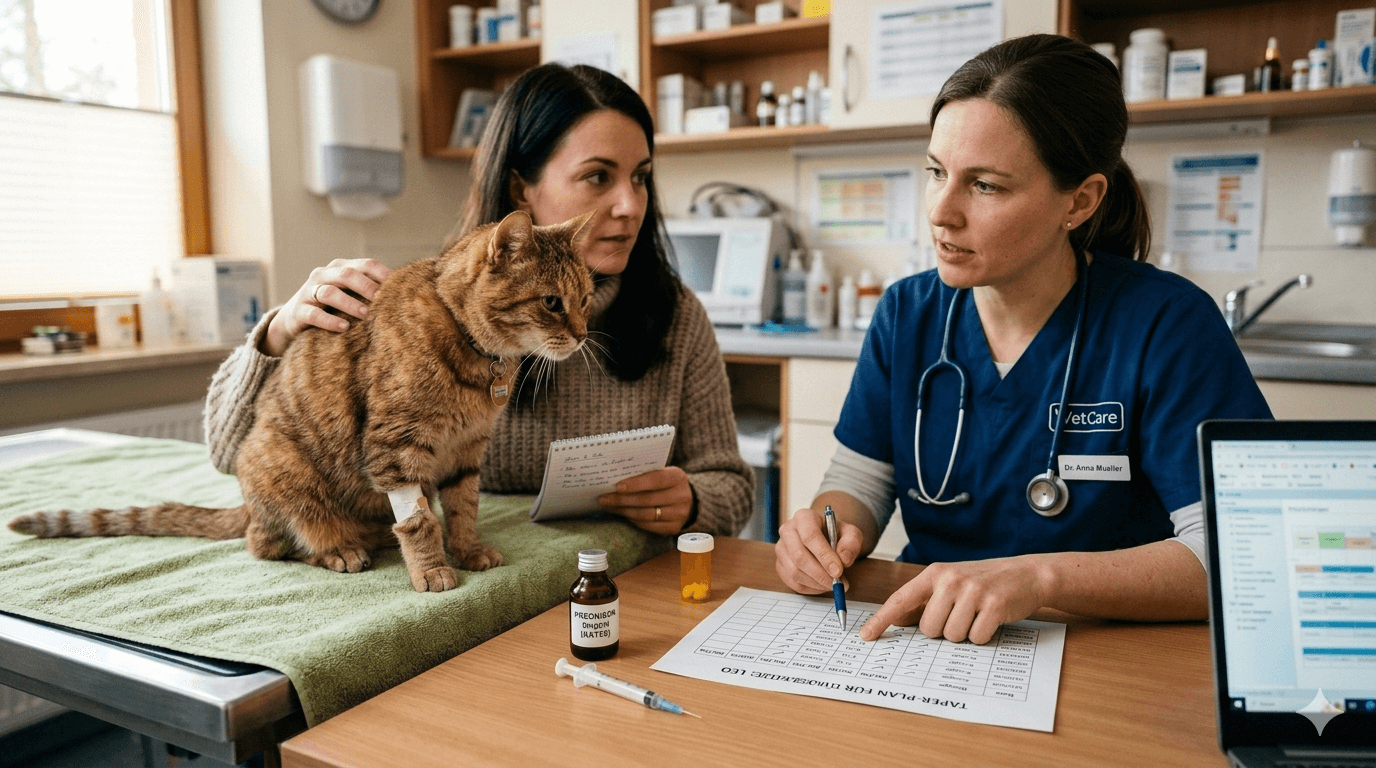
How to Taper Off Prednisone for Cats: Best 7 Expert Tips!

How to Taper Off Prednisone for Cats: Best 7 Expert Tips! – Safely reduce prednisone with vet guidance. Learn now!
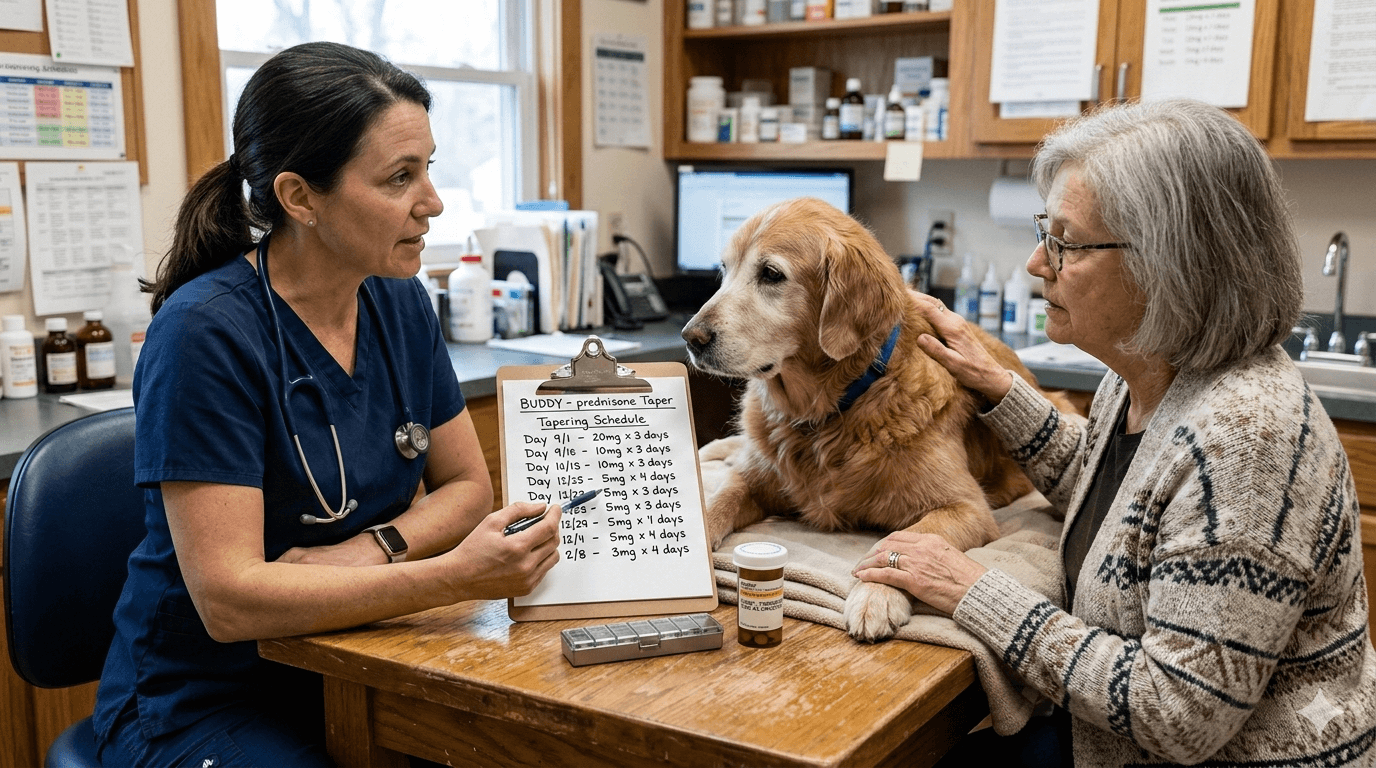
How to Taper Off Prednisone Schedule for Dogs: Best 7 Tips!

How to Taper Off Prednisone Schedule for Dogs: Best 7 Tips! – Learn the safe way to reduce prednisone, recognize withdrawal signs, and keep your dog healthy during the process.

Can a Cat Scratch Give You Rabies? Best 7 Expert Tips!

Can a Cat Scratch Give You Rabies? Best 7 Expert Tips! – Learn how rabies spreads, assess risks from cat scratches, and know when to seek medical help. Stay safe!

Can a Dog Scratch Give You Rabies? Best 7 Expert Tips!

Can a Dog Scratch Give You Rabies? Best 7 Expert Tips! – Learn the risks, symptoms, and steps to take if scratched by a dog. Stay informed and protect yourself from rabies exposure.

Leave a Reply

Your email address will not be published. Required fields are marked *