

Cat Sinus Infection: Best 7 Expert Tips!

Cat Sinus Infection: Best 7 Expert Tips!

Cat Sinus Infection: What You Need to Know


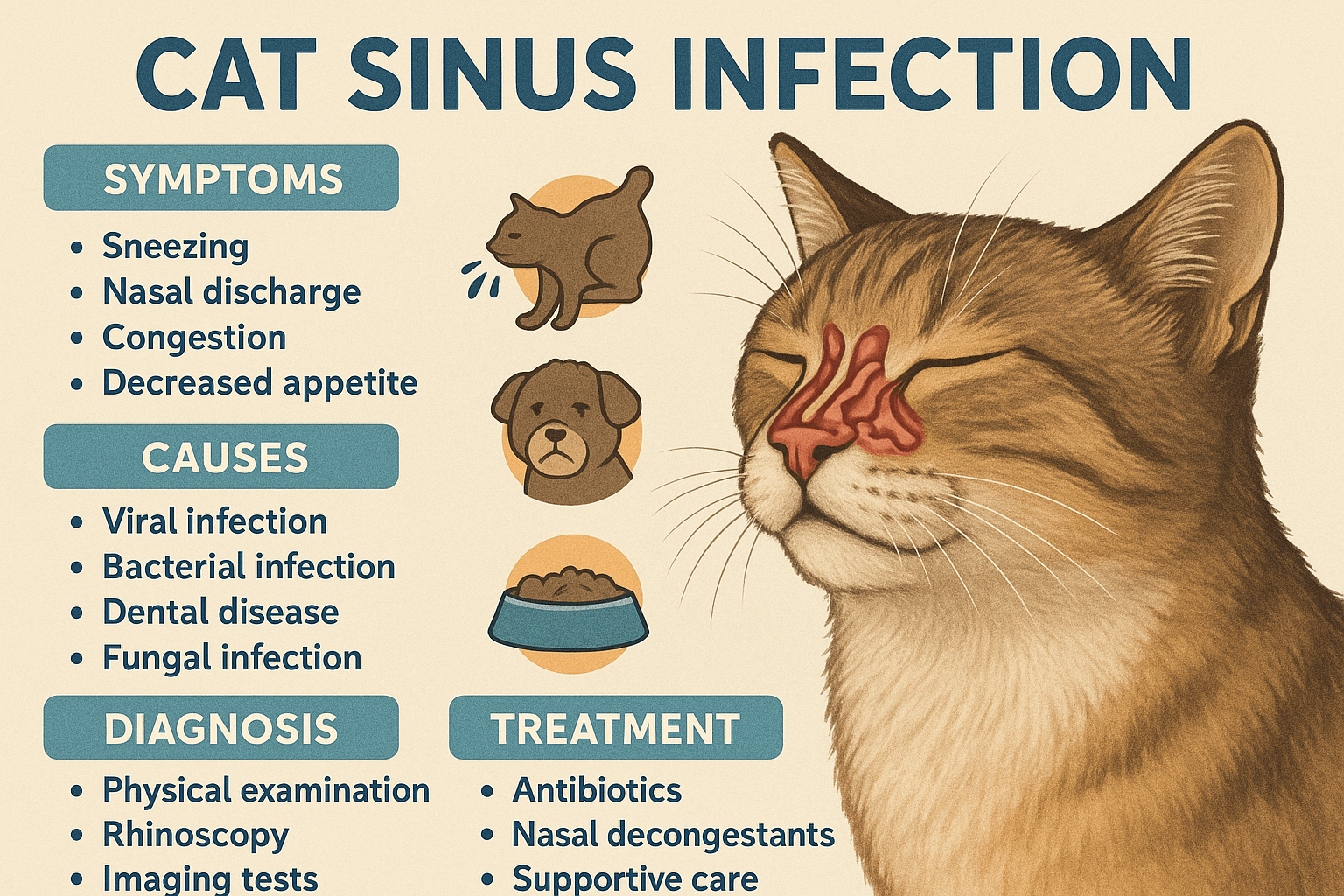
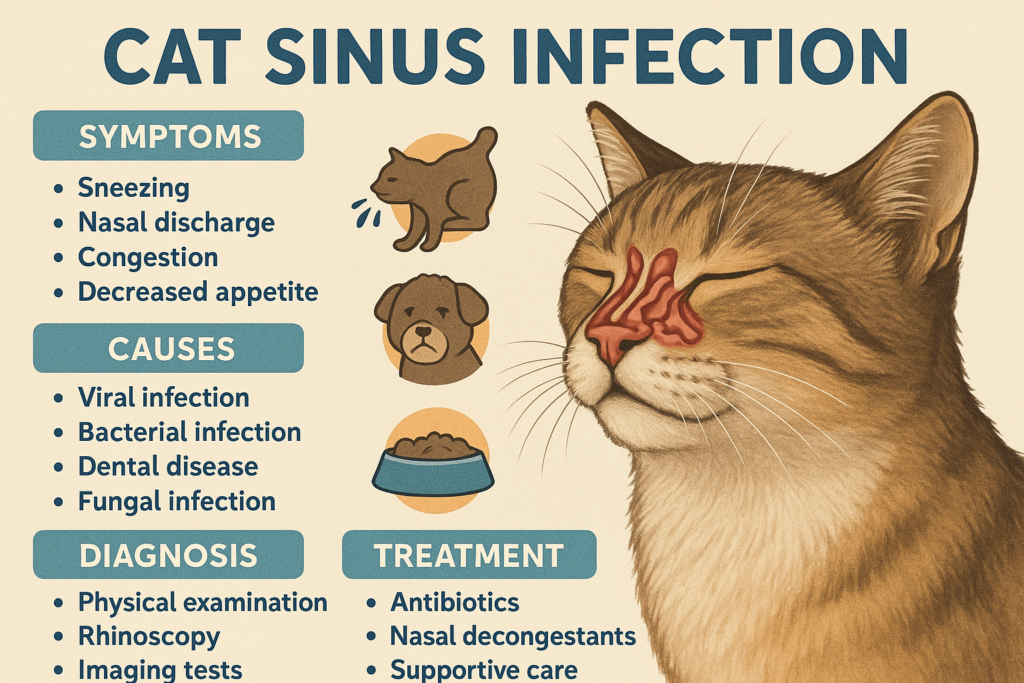
A cat sinus infection, also known as feline sinusitis, can be a frustrating and uncomfortable condition for your furry friend. Just like humans, cats can suffer from sinus issues caused by infections, allergies, or other underlying health problems. Symptoms such as sneezing, nasal discharge, and lethargy can leave pet owners feeling concerned and unsure of how to help their companions. Understanding the causes, symptoms, and treatment options for cat sinus infections is crucial to ensuring your pet’s comfort and well-being. This guide will walk you through everything you need to know about managing this condition effectively.

Expert Insight on Cat Sinus Infections

“Just like in humans, sinus infections are debilitating and can cause pain, fever, lethargy, and a diminished sense of smell. They can also cause a temporary loss of appetite, as the sense of smell in cats is more of a driving force for eating than their sense of taste.”

Michael Kearley, DVM

Common Causes of Cat Sinus Infections


Sinus infections in cats can stem from a variety of sources, ranging from viral infections to environmental irritants. Identifying the root cause is essential for proper treatment and recovery.

 
  • Viral Infections:
    Feline herpesvirus and calicivirus are common culprits behind upper respiratory infections, which can lead to sinus inflammation.

  • Bacterial Infections:
    Secondary bacterial infections often develop after a viral illness, worsening sinus symptoms and requiring targeted antibiotics.

  • Allergies:
    Environmental allergens like pollen, dust, or mold can irritate a cat’s nasal passages, leading to chronic sinus issues.

  • Foreign Objects:
    Small objects lodged in the nasal cavity, such as grass seeds or debris, can cause persistent irritation and infection.

  • Dental Problems:
    Severe dental disease can spread bacteria to the sinuses, resulting in a secondary sinus infection.


Understanding these potential causes helps veterinarians diagnose and treat sinus infections more effectively, ensuring your cat gets the care they need.

Cat Sinus Infection: Best 7 Expert Tips!

Signs Your Cat May Have a Sinus Infection


Recognizing the symptoms of a sinus infection early can make a significant difference in your cat’s recovery. Keep an eye out for these telltale signs that may indicate your cat is suffering from sinusitis.

 
  • Frequent Sneezing:
    Persistent sneezing is one of the most obvious signs of a sinus infection in cats.

  • Nasal Discharge:
    Clear, yellow, or green discharge from the nose may indicate an infection or inflammation.

  • Eye Discharge or Swelling:
    Conjunctivitis or swelling around the eyes often accompanies sinus infections due to shared drainage pathways.

  • Loss of Appetite:
    Cats with sinus issues may lose interest in food, especially if their sense of smell is affected.

  • Lethargy or Irritability:
    A cat feeling unwell may become less active or more irritable than usual.


If you notice any of these symptoms, it’s important to consult your veterinarian promptly to address the issue before it worsens.

Symptoms of Cat Sinus Infection
Possible Causes
Frequent sneezing
Viral infections (e.g., herpes)
Nasal discharge
Bacterial infections
Eye discharge or swelling
Allergies or foreign objects
Loss of appetite
Dental problems spreading bacteria
Lethargy or irritability
Chronic sinusitis or pain

Treatment Options for Cat Sinus Infections


Treating a cat sinus infection requires a tailored approach based on the underlying cause and severity of the condition. Here are some common treatment methods used by veterinarians.

 
  • Antibiotics:
    If a bacterial infection is present, antibiotics may be prescribed to eliminate harmful bacteria.

  • Antiviral Medications:
    For viral infections like feline herpesvirus, antiviral treatments may help reduce symptoms and speed recovery.

  • Nasal Decongestants:
    In some cases, medications to reduce nasal congestion can provide relief for your cat.

  • Steam Therapy:
    Creating a humid environment with steam can help loosen mucus and ease breathing discomfort.

  • Surgery (in severe cases):
    If a foreign object or structural issue is causing the infection, surgical intervention may be necessary.


With proper treatment, most cats recover fully from sinus infections, but early intervention is key to preventing complications.

Preventing Cat Sinus Infections


While not all sinus infections can be prevented, taking proactive steps can significantly reduce the risk of your cat developing this uncomfortable condition.

 
  • Vaccinations:
    Keeping your cat up-to-date on vaccinations, particularly for feline herpesvirus and calicivirus, reduces the risk of respiratory infections.

  • Good Dental Hygiene:
    Regular dental check-ups and cleanings help prevent bacterial spread to the sinuses.

  • Clean Environment:
    Reducing exposure to dust, mold, and other allergens minimizes the chances of allergic reactions triggering sinus issues.

  • Proper Nutrition:
    A balanced diet supports a strong immune system, helping your cat fight off infections more effectively.

  • Prompt Veterinary Care:
    Addressing minor health issues early prevents them from escalating into more serious conditions like sinus infections.


By prioritizing prevention, you can help keep your cat healthy and minimize the likelihood of sinus problems.


Home Remedies for Mild Sinus Issues

If your cat has a mild sinus issue, there are gentle home remedies you can try under veterinary supervision. These methods aim to provide comfort without replacing professional care.

 
  • Humidifier Use:
    Placing a humidifier in your home adds moisture to the air, easing nasal congestion and promoting easier breathing.

  • Warm Compresses:
    Applying a warm compress to your cat’s nose can soothe discomfort and reduce inflammation.

  • Hydration Support:
    Encourage your cat to drink water by offering fresh, clean water or using a pet water fountain.

  • Soft, Smelly Food:
    Warming up canned food or adding broth enhances its smell, encouraging cats with reduced appetite to eat.

  • Quiet Recovery Space:
    Provide a calm, quiet area where your cat can rest without disturbances during recovery.


These remedies can complement veterinary treatment but should never replace professional care for serious infections.

When to Seek Emergency Veterinary Care

While many sinus infections are manageable, certain symptoms require immediate attention to prevent life-threatening complications. Recognizing these red flags ensures timely intervention.

 
  • Difficulty Breathing:
    Labored or rapid breathing indicates a potentially severe blockage or infection that needs urgent care.

  • Severe Swelling Around the Eyes:
    Significant swelling or bulging eyes could signal a dangerous abscess or orbital infection.

  • Persistent Bleeding:
    Any unexplained bleeding from the nose warrants immediate investigation to rule out trauma or tumors.

  • Collapse or Weakness:
    Sudden weakness or collapse suggests systemic illness or advanced infection requiring emergency treatment.

  • High Fever or Shivering:
    Elevated body temperature accompanied by shivering points to a serious infection demanding urgent care.


Acting quickly in these situations can save your cat’s life and prevent further complications.

Long-Term Management of Chronic Sinusitis

For cats with recurring or chronic sinus infections, ongoing management is crucial to maintaining their quality of life. These strategies focus on minimizing flare-ups and supporting overall health.

 
  • Regular Vet Check-Ups:
    Frequent veterinary visits allow for close monitoring of chronic conditions and adjustments to treatment plans as needed.

  • Environmental Control:
    Using air purifiers and keeping your home free of irritants reduces triggers for chronic sinusitis.

  • Supplements for Immune Support:
    Omega-3 fatty acids and lysine supplements can boost immunity and reduce inflammation in cats prone to infections.

  • Behavioral Monitoring:
    Observing changes in behavior, appetite, or activity levels helps detect early signs of relapse.

  • Customized Treatment Plans:
    Working closely with your vet to create a tailored plan ensures your cat receives the best possible care for their unique needs.


With consistent effort and veterinary guidance, even chronic sinusitis can be managed effectively, allowing your cat to live comfortably.

Frequently Asked Questions About Cat Sinus Infections

 
How long does a cat sinus infection last?

With proper treatment, most infections resolve within 1-2 weeks, though chronic cases may take longer.

Mild cases may improve with steam therapy or humidifiers, but veterinary care is essential for accurate diagnosis and treatment.

Viral infections like herpesvirus can spread between cats, so isolating infected pets is advisable.

Loss of appetite can lead to dehydration and malnutrition; consult your vet immediately if your cat refuses food.

Stress weakens the immune system, making cats more susceptible to infections, including sinusitis.

Supporting Your Cat Through Sinus Infections


A sinus infection can be uncomfortable and distressing for your cat, but with prompt attention and proper care, most cases resolve successfully. By staying vigilant for symptoms, addressing underlying causes, and following your veterinarian’s advice, you can ensure your feline companion feels better sooner. Prevention plays a vital role too—maintaining a clean environment, providing a nutritious diet, and keeping up with routine vet visits can go a long way in safeguarding your cat’s health. Remember, your love and dedication are key to helping your cat thrive—even during challenging times like dealing with a sinus infection.

Cuterebra Larvae in Cats: Best 7 Expert Tips!

Cuterebra Larvae in Cats: Best 7 Expert Tips! – Expert advice on signs, treatment & prevention of this rare but serious feline parasitic infestation.

Cuterebra Larvae in Dogs: Best 7 Expert Tips!

Cuterebra Larvae in Dogs: Best 7 Expert Tips! – Expert advice on signs, treatment & prevention of this rare but serious parasitic infestation.

Cat Tumor on Paw: Best 7 Expert Tips!

Cat Tumor on Paw: Best 7 Expert Tips! – Expert advice on signs, diagnosis, treatment & care for feline paw tumors.

Panacur Side Effects in Dogs: Best 7 Expert Tips!

Panacur Side Effects in Dogs: Best 7 Expert Tips! – Safe usage, common reactions & when to call the vet.

Leave a Reply

Your email address will not be published. Required fields are marked *

Post Category


