

How Much Is a Cat DNA Test?
Curious about your feline friend’s ancestry, health risks, or unique traits? A cat DNA test can provide fascinating insights into your pet’s genetic makeup. Whether you’re an owner seeking answers about your cat’s breed or a caretaker concerned about potential health issues, these tests offer valuable information that can guide your decisions. But how much does a cat DNA test cost, and is it worth the investment? In this blog post, we’ll explore the factors influencing the price, the benefits of testing, and tips for choosing the right option for your furry companion.
Expert Opinion on Cat DNA Testing
“DNA testing has proven to be a highly beneficial technological advancement and is now available for our pets. DNA testing for pets can give you a good idea of your cat’s breed and which medical conditions your cat may be predisposed to. For a long time, DNA tests for pets were cost-prohibitive for most people and weren’t particularly accurate. As time has passed, the tests have become more accurate, although not infallible, and have become far more affordable to the average cat owner.”
Factors Influencing the Cost of a Cat DNA Test
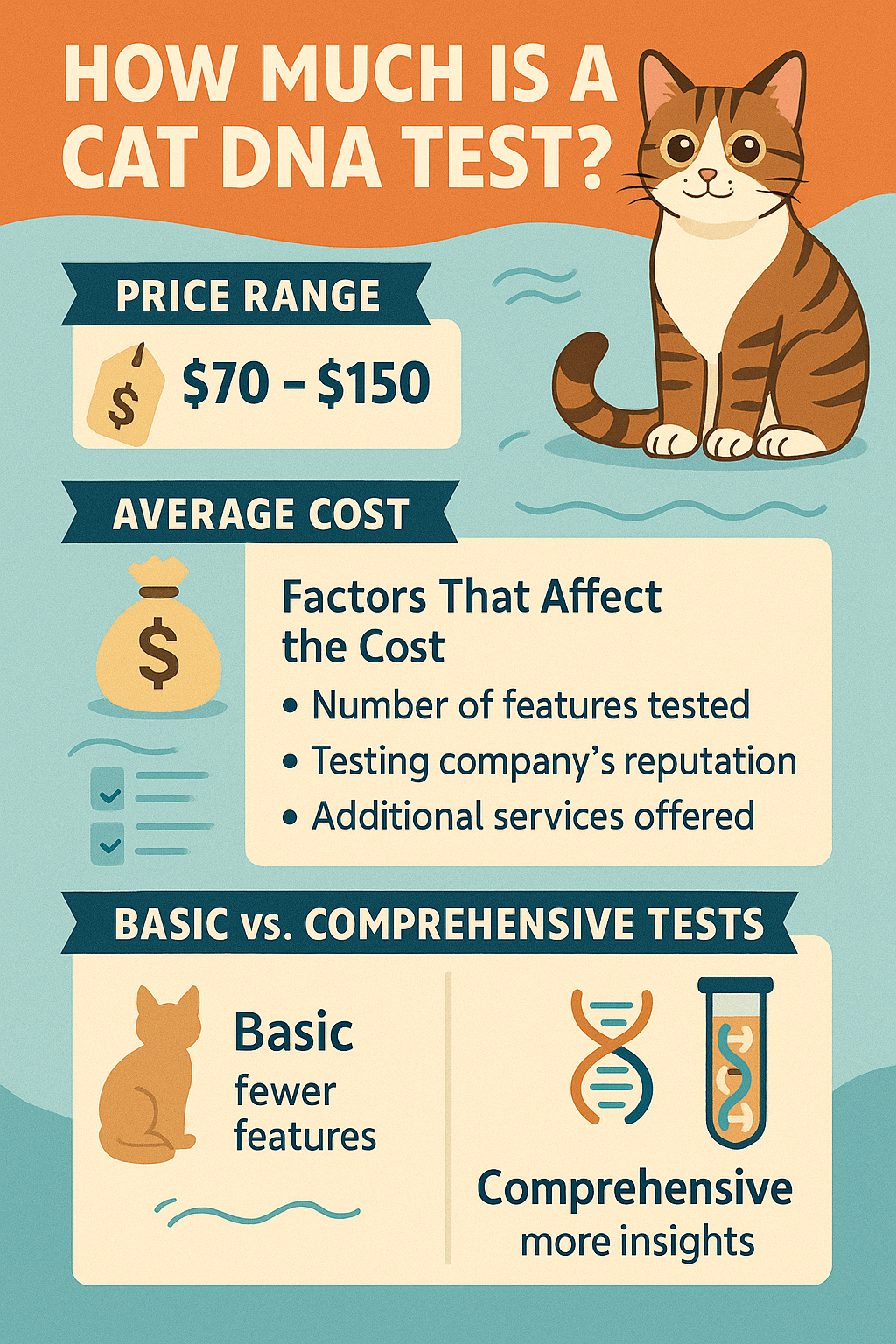
The price of a cat DNA test can vary widely depending on several factors. Understanding these elements will help you make an informed choice when selecting a test kit.
Type of Test:
Basic breed identification tests are typically more affordable than comprehensive panels that analyze health markers and genetic traits.Brand Reputation:
Established brands with a strong track record may charge more due to their reliability and detailed reporting.Number of Genetic Markers Analyzed:
Tests that examine a larger number of genetic markers tend to be pricier but offer more accurate and detailed results.Inclusion of Health Screening:
Some kits focus solely on breed identification, while others include screenings for hereditary diseases, which can increase the cost.Shipping and Handling Fees:
Depending on your location, shipping costs may add to the overall expense of purchasing a DNA test kit.
Considering these factors ensures you choose a test that aligns with your budget and meets your specific needs.
What Does a Cat DNA Test Typically Include?
A cat DNA test provides a range of insights beyond just breed identification. Here’s what you can expect from most kits on the market today.
Breed Identification:
Discover your cat’s ancestry by identifying the breeds that make up their genetic profile.Health Risk Assessment:
Learn about potential hereditary conditions your cat may be predisposed to, allowing for proactive veterinary care.Trait Analysis:
Understand physical and behavioral traits, such as coat color patterns or personality tendencies, based on genetics.Parentage Verification:
For breeders, some tests can confirm parentage or lineage, ensuring accurate breeding records.Dietary Recommendations:
Certain advanced tests provide tailored nutrition advice based on your cat’s genetic predispositions.
These features make cat DNA tests a versatile tool for understanding and caring for your pet.
Check this guide 👉How Much Does a Cat Cost Per Month? Best 7 Expert Tips!
Check this guide 👉How Much Does It Cost to Clone a Cat? Best 7 Expert Tips!
Check this guide 👉How Much Does a Rabies Shot for a Cat Cost? Best 7 Tips!
Pros of Cat DNA Testing | Cons of Cat DNA Testing |
|---|---|
Provides detailed breed information | Can be expensive for comprehensive kits |
Identifies potential health risks | Results may not always be 100% accurate |
Helps tailor veterinary care | Limited availability in some regions |
Offers insights into behavior traits | May raise unnecessary concerns |
Supports responsible breeding | Requires proper interpretation of data |
Top Benefits of Investing in a Cat DNA Test
While the cost of a cat DNA test might seem steep at first glance, the benefits often outweigh the expense. Here’s why many cat owners find these tests worthwhile.
Early Detection of Health Issues:
Identifying genetic predispositions allows you to take preventive measures and seek timely veterinary care.Personalized Care Plans:
Tailor your cat’s diet, exercise, and grooming routines based on their unique genetic profile.Peace of Mind:
Knowing your cat’s breed and health risks reduces uncertainty and empowers you to make informed decisions.Strengthening the Human-Pet Bond:
Learning more about your cat’s background fosters a deeper connection and appreciation for their individuality.Supporting Responsible Ownership:
Breeders and shelters can use DNA tests to ensure ethical practices and improve animal welfare.
These benefits highlight how a cat DNA test can enhance both your cat’s quality of life and your peace of mind as an owner.
Tips for Choosing the Right Cat DNA Test Kit
With so many options available, selecting the best DNA test kit for your cat can feel overwhelming. Follow these tips to narrow down your choices.
Set a Budget:
Determine how much you’re willing to spend and compare prices across brands to find a kit that fits your financial comfort zone.Check Reviews and Ratings:
Read customer feedback and expert reviews to gauge the accuracy and reliability of different test kits.Understand What’s Included:
Ensure the kit covers the aspects most important to you, whether it’s breed identification, health screening, or trait analysis.Verify Lab Accreditation:
Choose a company that uses accredited labs to guarantee high-quality results and ethical practices.Look for Customer Support:
Opt for brands that offer responsive customer service in case you have questions or concerns about the results.
By keeping these tips in mind, you can confidently select a DNA test kit that meets your expectations.
Common Misconceptions About Cat DNA Tests
Despite their growing popularity, there are several misconceptions about cat DNA tests that can lead to confusion. Clearing these up helps set realistic expectations.
Myth: DNA Tests Can Predict Lifespan:
While they identify health risks, DNA tests cannot accurately predict how long your cat will live.Myth: All Tests Are the Same:
Different kits vary in scope, accuracy, and pricing, so it’s important to research before purchasing.Myth: Results Are Always Definitive:
Some results may indicate probabilities rather than certainties, requiring further vet consultation.Myth: Only Purebred Cats Benefit:
Mixed-breed cats also gain valuable insights into their health and ancestry through DNA testing.Myth: DNA Tests Replace Vet Visits:
These tests complement veterinary care but should not replace regular check-ups or professional advice.
Understanding these truths ensures you approach cat DNA testing with clarity and realistic expectations.
How to Collect a DNA Sample from Your Cat
Collecting a DNA sample is a straightforward process, but it requires patience and care to ensure accuracy. Follow these steps for success.
Use the Provided Swab:
Most kits include a buccal swab designed to collect cells from the inside of your cat’s cheek.Choose a Calm Moment:
Wait until your cat is relaxed, ideally after eating or during nap time, to minimize resistance.Avoid Food Before Testing:
Refrain from feeding your cat for at least 2 hours before collecting the sample to prevent contamination.Follow Instructions Carefully:
Adhere to the kit’s guidelines for swabbing duration and technique to ensure sufficient cell collection.Double-Check the Sample:
Inspect the swab to confirm it has enough material before sealing and mailing it to the lab.
By following these steps, you can ensure your sample is processed smoothly and accurately.
Fun Facts You Might Learn from a Cat DNA Test
Beyond practical insights, cat DNA tests can reveal fun and surprising facts about your feline friend. These discoveries add an element of excitement to the experience.
Unique Coat Patterns:
Learn how genetics influence your cat’s tabby stripes, calico patches, or solid colors.Personality Traits:
Discover if your cat’s playful or aloof nature is influenced by their genetic makeup.Exotic Ancestry:
Uncover unexpected breeds in your cat’s lineage, such as Siamese or Maine Coon roots.Rare Genetic Mutations:
Some tests may identify unusual mutations linked to rare traits like curly fur or shortened tails.Evolutionary Insights:
Gain a glimpse into your cat’s ancient ancestors and how domestication shaped their DNA over time.
These fun revelations make cat DNA testing not only informative but also entertaining for curious owners.
Frequently Asked Questions About Cat DNA Tests
How much does a cat DNA test typically cost?
Prices range from $60 to $200, depending on the brand and the depth of analysis provided.
Is a cat DNA test accurate?
Most reputable tests are highly accurate, though results may vary slightly depending on the lab and methodology used.
How long does it take to get results?
Results usually take 2 to 6 weeks after the lab receives the sample.
Do I need a vet’s prescription for a DNA test?
No, cat DNA tests are available directly to consumers and do not require a prescription.
Can I use a dog DNA test for my cat?
No, cat DNA tests are specifically designed for feline genetics and cannot be substituted with dog tests.
Is a Cat DNA Test Worth It?
Investing in a cat DNA test can unlock a wealth of information about your feline companion, from their breed heritage to potential health risks. While the cost may vary, the insights gained can lead to better care, early detection of issues, and a deeper bond with your pet. By carefully considering your needs, budget, and the features offered by different kits, you can make an informed decision that benefits both you and your cat. Ultimately, understanding your cat’s genetic makeup is not just about curiosity—it’s about providing them with the best possible life.
Dog Tapeworm Life Cycle: Best 7 Expert Tips! – Learn how tapeworms infect dogs, spot symptoms, and break the cycle with expert prevention strategies.
Anxious Cat Body Language: Best 7 Expert Tips! – Learn to spot signs of stress, understand triggers, and help your cat feel safe and relaxed.
Anxious Dog Body Language: Best 7 Expert Tips! – Learn to spot signs of anxiety, respond effectively, and help your dog feel safe and secure.
Is Breeding Dogs Bad? Best 7 Expert Tips! – Explore the ethics, benefits, and risks of dog breeding to make informed decisions for a better future.


