

Munchkin Cat Health Issues: Best 7 Expert Tips!

Munchkin Cat Health Issues: Best 7 Expert Tips!

Munchkin Cat Health Issues: What Every Owner Should Know


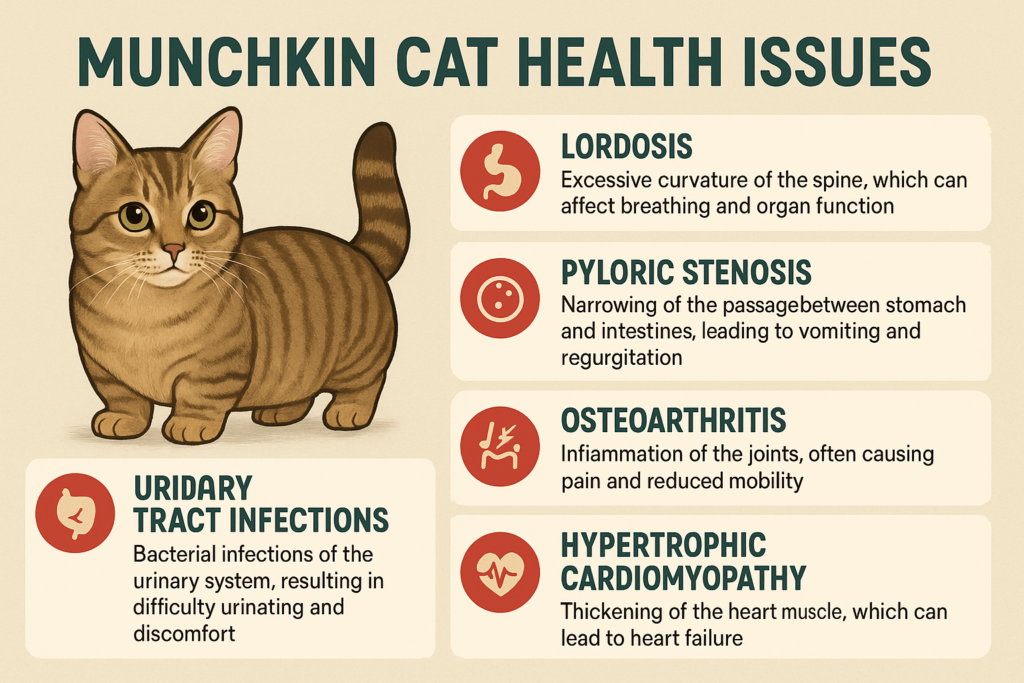
Munchkin cats, with their adorable short legs and playful personalities, have captured the hearts of cat lovers worldwide. However, their unique appearance is the result of a genetic mutation that can also lead to specific health concerns. While Munchkins are generally healthy and lively pets, it’s important for potential and current owners to understand the potential health issues associated with this breed. By staying informed and proactive, you can ensure your Munchkin cat lives a long, happy, and healthy life. Let’s explore the most common health challenges faced by Munchkin cats and how to address them effectively.

Common Health Issues in Munchkin Cats


While Munchkin cats are not inherently more prone to illness than other breeds, their unique body structure can predispose them to certain conditions. Understanding these potential issues allows you to monitor your cat’s health closely and seek veterinary care when needed.

 
  • Lordosis:
    A condition where the spine curves inward excessively, potentially compressing internal organs. Regular check-ups can help detect early signs.

  • Pectus Excavatum:
    This chest deformity causes the breastbone to sink inward, which may affect breathing. Early diagnosis is crucial for managing symptoms.

  • Osteoarthritis:
    The short legs of Munchkins can put extra strain on their joints, increasing the risk of arthritis as they age. Maintaining a healthy weight reduces stress on joints.

  • Intervertebral Disc Disease (IVDD):
    Due to their shorter stature, Munchkins may be at higher risk for disc problems, leading to pain or mobility issues. Avoid activities that strain the spine.

  • Obesity:
    Their compact size and lower activity levels can make Munchkins prone to weight gain, which exacerbates joint and spinal issues. A balanced diet is essential.


By being aware of these conditions, you can take preventive measures and provide your Munchkin cat with the best possible care.

Munchkin Cat Health Issues: Best 7 Expert Tips!

Tips for Preventing and Managing Health Issues


Prevention and early intervention are key to managing potential health problems in Munchkin cats. Here are some actionable tips to keep your feline friend healthy and thriving.

 
  • Regular Veterinary Check-Ups:
    Schedule annual or biannual vet visits to monitor your cat’s overall health and catch any issues early.

  • Provide a Balanced Diet:
    Feed your Munchkin high-quality cat food tailored to their age, weight, and activity level to prevent obesity and nutritional deficiencies.

  • Encourage Exercise:
    Engage your cat in playtime with toys like feather wands or laser pointers to keep them active and maintain a healthy weight.

  • Monitor Joint Health:
    Watch for signs of stiffness or difficulty moving, especially as your cat ages, and consult your vet about supplements or medications if needed.

  • Create a Safe Environment:
    Avoid high surfaces that could cause injury during jumps and provide ramps or steps for easy access to favorite spots.


Taking these steps ensures your Munchkin remains comfortable and minimizes the risk of developing serious health issues.

Health Issue
Preventive Measures
Lordosis
Regular vet exams to monitor spinal health
Pectus Excavatum
Early detection through X-rays and imaging
Osteoarthritis
Maintain a healthy weight and joint-friendly activities
Intervertebral Disc Disease (IVDD)
Avoid activities that strain the spine
Obesity
Provide portion-controlled, nutritious meals

Signs Your Munchkin Cat May Be Experiencing Health Problems


Recognizing early warning signs of illness or discomfort is crucial for addressing potential health issues promptly. Keep an eye out for these symptoms to ensure your Munchkin stays in top shape.

 
  • Limping or Difficulty Walking:
    This could indicate joint pain, arthritis, or spinal issues. Limit physical activity and consult your vet immediately.

  • Labored Breathing:
    Breathing difficulties may signal heart or lung problems, including complications from pectus excavatum. Seek emergency care if necessary.

  • Excessive Weight Gain:
    Rapid or noticeable weight changes can lead to obesity-related complications. Adjust their diet and increase exercise gradually.

  • Lethargy or Lack of Appetite:
    These are general signs of illness that shouldn’t be ignored. Schedule a vet appointment to rule out underlying conditions.

  • Visible Deformities:
    Abnormalities in posture, gait, or chest shape should be evaluated by a veterinarian to determine the cause.


Staying vigilant about these signs helps you act quickly and protect your Munchkin’s well-being.

How to Support Your Munchkin Cat’s Overall Well-Being


Beyond addressing specific health concerns, promoting your Munchkin’s overall wellness is essential for their happiness and longevity. These tips focus on holistic care for your furry companion.

 
  • Mental Stimulation:
    Use puzzle toys and interactive games to keep your cat mentally sharp and entertained throughout the day.

  • Comfortable Living Spaces:
    Ensure your home has cozy resting areas, low-level perches, and easy access to essentials like food and water bowls.

  • Grooming Routine:
    Regular brushing prevents hairballs and keeps their coat shiny while strengthening your bond with your cat.

  • Hydration Encouragement:
    Place multiple water bowls around the house or invest in a cat water fountain to encourage adequate hydration.

  • Stress Reduction:
    Minimize environmental stressors, such as loud noises or sudden changes, to maintain your Munchkin’s emotional health.


By focusing on these aspects, you create a nurturing environment that supports your Munchkin’s physical and mental health.

Breeding Practices and Their Impact on Munchkin Cat Health


Responsible breeding plays a critical role in reducing the prevalence of health issues in Munchkin cats. Unethical practices can exacerbate genetic conditions, making it essential to choose reputable breeders.

 
  • Avoid Overbreeding:
    Overbreeding increases the likelihood of passing down harmful genetic traits. Ethical breeders prioritize the health of their cats over profit.

  • Genetic Testing:
    Reputable breeders use genetic testing to screen for hereditary conditions before pairing cats for breeding.

  • Focus on Diversity:
    Breeding programs that emphasize genetic diversity reduce the risk of inherited disorders within the breed.

  • Transparency with Buyers:
    Ethical breeders openly share health records and answer questions about potential risks associated with Munchkin cats.

  • Advocacy for Responsible Ownership:
    Educating new owners about proper care ensures Munchkin cats live fulfilling lives in loving homes.


Supporting responsible breeding practices safeguards the future of Munchkin cats and promotes healthier generations.

Dietary Needs Specific to Munchkin Cats


A well-balanced diet tailored to your Munchkin’s unique physiology is vital for their long-term health. Pay attention to these dietary considerations to meet their nutritional requirements.

 
  • High-Quality Protein Sources:
    Look for cat foods rich in animal-based proteins to support muscle development and energy levels.

  • Controlled Calorie Intake:
    Portion control prevents overeating, which can lead to obesity and related complications.

  • Joint-Supporting Ingredients:
    Foods containing glucosamine and chondroitin aid in maintaining joint health, particularly for older Munchkins.

  • Limited Carbohydrates:
    Cats don’t require large amounts of carbs; opt for formulas with minimal filler ingredients.

  • Hydration-Focused Diets:
    Wet food or moisture-rich diets help combat dehydration, which is especially important for urinary tract health.


Providing a species-appropriate diet sets the foundation for a lifetime of vitality and wellness.

Exercise Ideas for Munchkin Cats


Despite their shorter legs, Munchkin cats are energetic and enjoy playtime. Incorporating fun and engaging activities into their routine keeps them fit and entertained.

 
  • Interactive Toys:
    Feather wands, laser pointers, and teaser toys encourage chasing and pouncing, mimicking natural hunting behaviors.

  • Tunnels and Hideouts:
    Low-profile tunnels and boxes provide opportunities for exploration and exercise without requiring jumping.

  • Food Puzzle Games:
    Puzzle feeders challenge your cat mentally and physically, turning mealtime into an engaging activity.

  • Soft Balls and Rollers:
    Lightweight toys designed for batting and rolling are perfect for indoor play sessions.

  • Supervised Outdoor Time:
    If safe, allow supervised outdoor exploration using harnesses or secure enclosures to expand their horizons.


Incorporating these activities enriches your Munchkin’s life while promoting physical fitness and mental stimulation.

Frequently Asked Questions About Munchkin Cat Health Issues

 
Are Munchkin cats less healthy than other breeds?

No, Munchkins are generally healthy, but their unique body structure can predispose them to certain conditions like lordosis or joint issues.

While they can jump, their shorter legs may limit height and require modifications like ramps or steps for accessibility.

Annual check-ups are recommended, but senior cats or those with existing conditions may need more frequent visits.

High-quality protein-rich food in appropriate portions helps maintain their ideal weight and overall health.

Yes, regular play and movement help prevent obesity and support joint health, despite their shorter stature.

Prioritizing Your Munchkin Cat’s Health and Happiness


Munchkin cats bring joy and charm to any household, but their unique traits come with specific health considerations. By understanding potential issues, implementing preventive measures, and staying attentive to their needs, you can ensure your Munchkin thrives. Remember, a healthy cat is a happy cat—and with proper care, your Munchkin will continue to delight you with their playful antics and affectionate nature for years to come.

Understanding Cryptosporidium in Cats: Best 7 Expert Tips!

Understanding Cryptosporidium in Cats: Best 7 Expert Tips! – Spot symptoms, treat safely, and stop parasite spread in your home.

Understanding Cryptosporidium in Dogs: Best 7 Expert Tips!

Understanding Cryptosporidium in Dogs: Best 7 Expert Tips! – Learn symptoms, treatment & prevention for this stubborn gut parasite.

Understanding Syringomyelia in Cats: Best 7 Expert Tips!

Understanding Syringomyelia in Cats: Best 7 Expert Tips! – Recognize signs, manage pain, and support your cat’s neurological health with vet-backed guidance.

Understanding Syringomyelia in Dogs: Best 7 Expert Tips!

Understanding Syringomyelia in Dogs: Best 7 Expert Tips! – Expert insights on symptoms, MRI diagnosis, pain management & quality of life.

Leave a Reply

Your email address will not be published. Required fields are marked *


