

No Dog Shampoo, What Can I Use Safely? Best 7 Expert Tips!

No Dog Shampoo, What Can I Use Safely? Best 7 Expert Tips!

No Dog Shampoo, What Can I Use Safely?


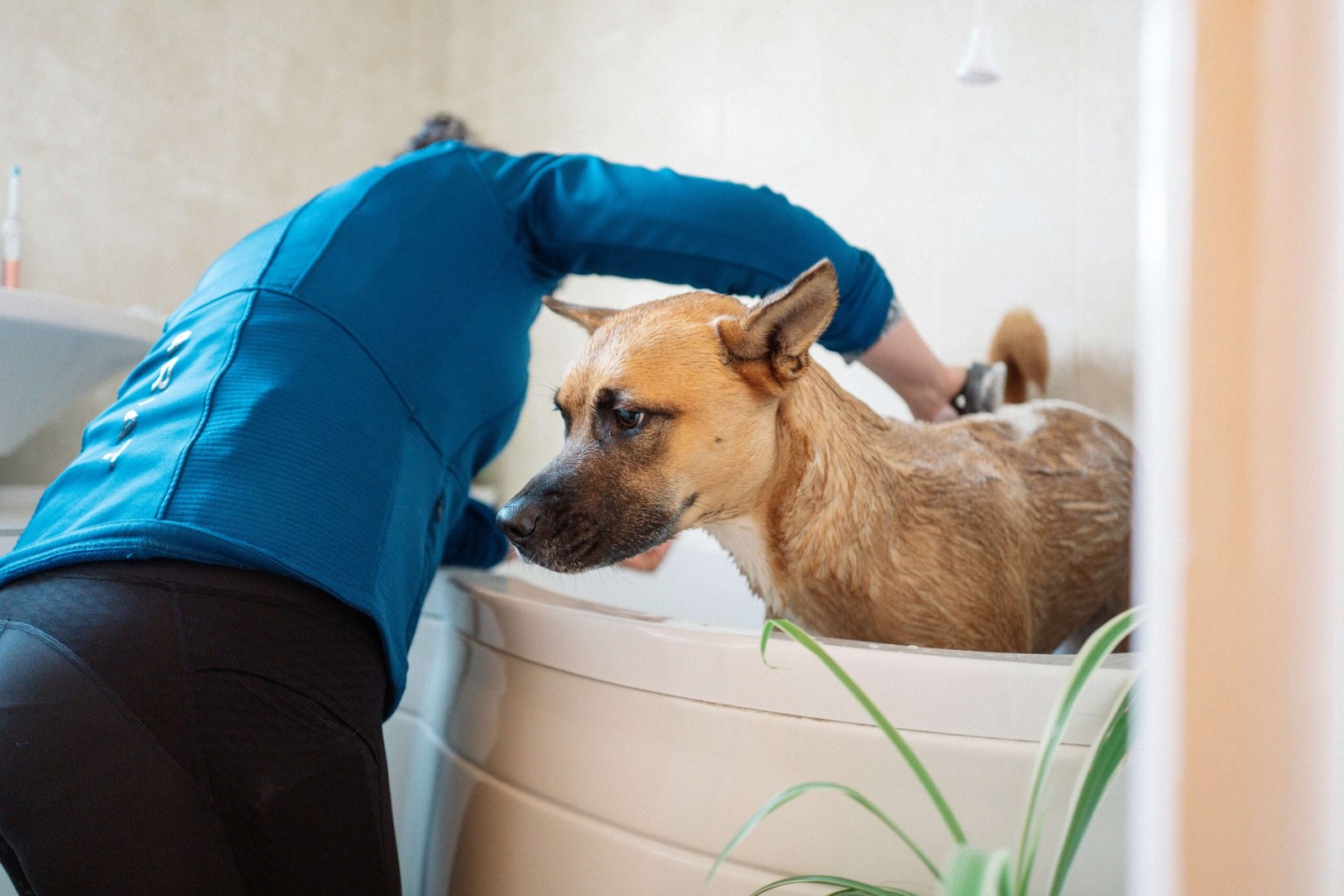
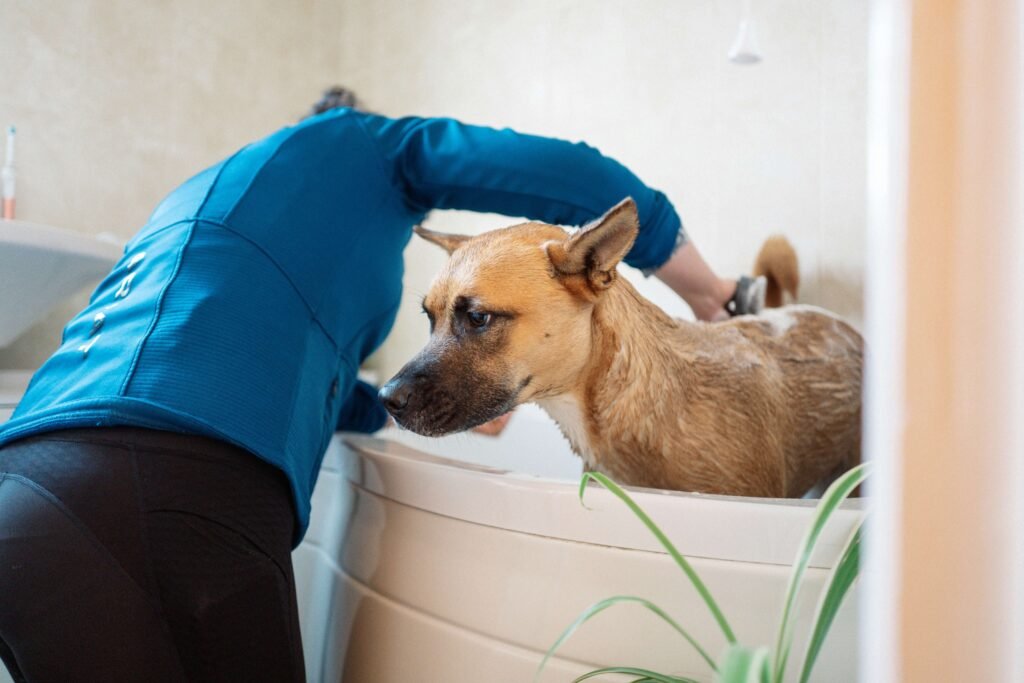
Bathing your dog is an essential part of their grooming routine, but what happens when you run out of dog shampoo? While it might be tempting to reach for human products or household items, not all alternatives are safe for your furry friend’s sensitive skin. Dogs have different pH levels and skin needs compared to humans, making it crucial to choose substitutes wisely. Fortunately, there are several safe and effective options you can use in a pinch. In this blog post, we’ll explore the best alternatives to dog shampoo, ensuring your pup stays clean, healthy, and happy—even when you’re out of their usual product.

Safe Alternatives to Dog Shampoo


When you don’t have dog shampoo on hand, there are plenty of safe and natural alternatives you can use to bathe your dog. These options are gentle on their skin while still providing a thorough clean.

 
  • Oatmeal and Water Paste:
    Oatmeal is known for its soothing properties and can help relieve itching and irritation. Mix ground oatmeal with water to create a paste and massage it into your dog’s coat.

  • Baking Soda and Water Solution:
    Baking soda is a mild abrasive that neutralizes odors and removes dirt. Mix one tablespoon of baking soda with a cup of warm water and apply it to your dog’s fur.

  • Apple Cider Vinegar Rinse:
    Dilute apple cider vinegar with water (1:1 ratio) and use it as a rinse to remove dirt and reduce odors. Avoid applying it to open wounds or sensitive areas.

  • Coconut Oil Scrub:
    Coconut oil is moisturizing and has antibacterial properties. Rub a small amount onto your dog’s coat and rinse thoroughly to avoid leaving a greasy residue.

  • Unscented Baby Shampoo:
    If you have unscented baby shampoo, it’s a safe temporary option due to its gentle formula. However, avoid using it frequently as it may disrupt your dog’s skin pH over time.


These alternatives provide a quick and safe solution for cleaning your dog without compromising their skin health.

No Dog Shampoo, What Can I Use Safely? Best 7 Expert Tips!

Household Ingredients to Avoid When Bathing Your Dog


While some household items work well for cleaning your dog, others can cause harm or irritation. It’s important to steer clear of these unsafe ingredients to protect your pet’s skin and overall health.

 
  • Human Shampoo and Soap:
    Human products are formulated for our skin’s pH, which is different from a dog’s. Using them can lead to dryness, irritation, or allergic reactions.

  • Dish Soap Like Dawn:
    Though sometimes recommended for removing grease, dish soap strips natural oils from your dog’s skin, leading to dryness and flakiness.

  • Vinegar Without Dilution:
    Undiluted vinegar is too acidic and can irritate your dog’s skin, especially if they have cuts or scratches. Always dilute it before use.

  • Essential Oils:
    Many essential oils are toxic to dogs, even in small amounts. Avoid adding them to baths unless explicitly approved by your veterinarian.

  • Bleach or Cleaning Products:
    Harsh chemicals like bleach can burn your dog’s skin and cause serious health issues. Never use household cleaners on your pet.


By avoiding these harmful substances, you ensure your dog’s bath remains safe and comfortable.

Safe Alternatives for Dog Baths
Unsafe Options to Avoid
Oatmeal and water paste
Human shampoo and soap
Baking soda solution
Dish soap (e.g., Dawn)
Apple cider vinegar rinse
Undiluted vinegar
Coconut oil scrub
Essential oils
Unscented baby shampoo
Bleach or cleaning products

Tips for Bathing Your Dog Without Shampoo


Bathing your dog without shampoo requires a bit of creativity and preparation. Follow these tips to ensure the process goes smoothly and effectively.

 
  • Brush Before Bathing:
    Remove loose fur and debris by brushing your dog’s coat beforehand. This reduces the amount of dirt you’ll need to clean during the bath.

  • Use Lukewarm Water:
    Cold or hot water can irritate your dog’s skin. Stick to lukewarm water for a comfortable experience.

  • Focus on Problem Areas:
    Pay extra attention to dirty or smelly spots, such as paws, ears, and under the tail, to maximize cleanliness.

  • Rinse Thoroughly:
    Ensure all residue from homemade solutions is rinsed away to prevent skin irritation or buildup.

  • Dry Your Dog Properly:
    Towel-dry your dog immediately after the bath to avoid chills, and use a hairdryer on a low setting if they tolerate it.


With these tips, you can give your dog a safe and refreshing bath even without shampoo.

Signs Your Dog May Need a Professional Grooming Session


While DIY baths are convenient, there are times when professional grooming is necessary to maintain your dog’s hygiene and health. Look out for these signs that indicate it’s time to visit a groomer.

 
  • Excessive Matting or Tangles:
    Severe matting can be painful and difficult to remove at home. A professional groomer has the tools and expertise to handle it safely.

  • Persistent Odor Despite Cleaning:
    If your dog continues to smell bad after multiple baths, it could indicate an underlying health issue requiring veterinary attention.

  • Skin Irritation or Allergies:
    Red, itchy, or inflamed skin may require specialized shampoos or treatments available through a groomer or vet.

  • Overgrown Nails:
    Long nails can affect your dog’s gait and posture. Groomers can trim them safely and efficiently.

  • Behavioral Changes During Bath Time:
    If your dog becomes overly anxious or aggressive during baths, a professional groomer can provide a stress-free environment.


Recognizing these signs ensures your dog receives the care they need to stay healthy and comfortable.

Common Mistakes to Avoid When Bathing Your Dog

Even with safe alternatives, mistakes during bath time can lead to discomfort or health issues for your dog. Here are some common errors to avoid for a successful bathing experience.

 
  • Using Too Much Product:
    Overusing homemade solutions can leave residue on your dog’s coat, attracting more dirt and causing irritation.

  • Skipping the Patch Test:
    Always test new ingredients on a small area of your dog’s skin to check for adverse reactions before full application.

  • Ignoring Ear Care:
    Water entering the ears can lead to infections. Place cotton balls in your dog’s ears to prevent moisture buildup.

  • Neglecting Paw Pads:
    Dirt and bacteria often accumulate on paw pads. Clean them thoroughly to prevent tracking germs into your home.

  • Rushing the Process:
    Taking your time ensures a thorough clean and reduces stress for both you and your dog.


Avoiding these mistakes helps create a positive and effective bathing experience.

Benefits of Natural Bathing Solutions

Switching to natural alternatives for dog baths offers numerous benefits beyond just cleanliness. These eco-friendly options are safe, cost-effective, and easy to prepare.

 
  • Gentle on Sensitive Skin:
    Natural ingredients like oatmeal and coconut oil are less likely to irritate your dog’s skin compared to harsh chemicals.

  • Environmentally Friendly:
    Homemade solutions reduce plastic waste and minimize exposure to synthetic additives.

  • Cost-Effective:
    Many natural ingredients are already in your pantry, saving you money on specialized grooming products.

  • Customizable for Specific Needs:
    You can tailor recipes to address specific concerns, such as itchiness or odor control.

  • Bonding Opportunity:
    Preparing and applying natural solutions allows you to spend quality time with your dog.


These advantages make natural bathing solutions a win-win for both pets and owners.

How to Introduce Your Dog to Bath Time

If your dog dislikes baths, introducing them gradually can help reduce anxiety and build trust. These steps make bath time a more enjoyable experience.

 
  • Start with Short Sessions:
    Begin with brief sessions to acclimate your dog to the sensation of being wet. Gradually increase the duration over time.

  • Reward Good Behavior:
    Offer treats, praise, or toys after each successful bath to reinforce positive associations.

  • Create a Calm Environment:
    Play soft music or speak soothingly to keep your dog relaxed during the process.

  • Use Familiar Scents:
    Incorporate scents your dog finds comforting, such as lavender or chamomile, to ease tension.

  • Involve Your Dog in Preparation:
    Let your dog sniff and explore the tools and ingredients you plan to use, helping them feel more at ease.


With patience and consistency, you can transform bath time into a stress-free ritual your dog looks forward to.

Frequently Asked Questions About Bathing Dogs Without Shampoo

 
Is it safe to bathe my dog without shampoo?

Yes, many natural alternatives are safe and effective for cleaning your dog’s coat.

Most dogs only need a bath every 4–6 weeks unless they get particularly dirty.

It’s best to avoid it, as human shampoos can disrupt your dog’s skin pH balance.

Opt for hypoallergenic options like oatmeal or chamomile-based solutions.

Some oils, like diluted lavender, are safe, but others can be toxic. Always research before use.

Keeping Your Dog Clean and Comfortable Without Shampoo


Running out of dog shampoo doesn’t mean you can’t keep your furry friend clean and fresh. With safe alternatives like oatmeal paste, baking soda solutions, and diluted vinegar rinses, you can maintain their hygiene without compromising their skin health. By avoiding harmful ingredients and recognizing when professional grooming is needed, you ensure your dog stays happy and healthy. Remember, a little creativity and care go a long way in keeping your pup looking and feeling their best—even without traditional shampoo.

Is Rawhide Bad for Cats? Best 7 Expert Tips!

Is Rawhide Bad for Cats? Best 7 Expert Tips! – Discover the risks, safe alternatives, and expert advice to keep your feline friend healthy and happy.

Is Rawhide Bad for Dogs? Best 7 Expert Tips!

Is Rawhide Bad for Dogs? Best 7 Expert Tips! – Discover the risks, benefits, and safer alternatives to rawhides for your dog’s chewing needs.

Understanding Anorexia in Cats: Best 7 Expert Tips!

Understanding Anorexia in Cats: Best 7 Expert Tips! – Learn why cats stop eating, spot warning signs, and discover how to help your feline regain appetite safely.

Understanding Anorexia in Dogs: Best 7 Expert Tips!

Understanding Anorexia in Dogs: Best 7 Expert Tips! – Learn causes, symptoms, and solutions to help your dog regain appetite and stay healthy.

Leave a Reply

Your email address will not be published. Required fields are marked *