
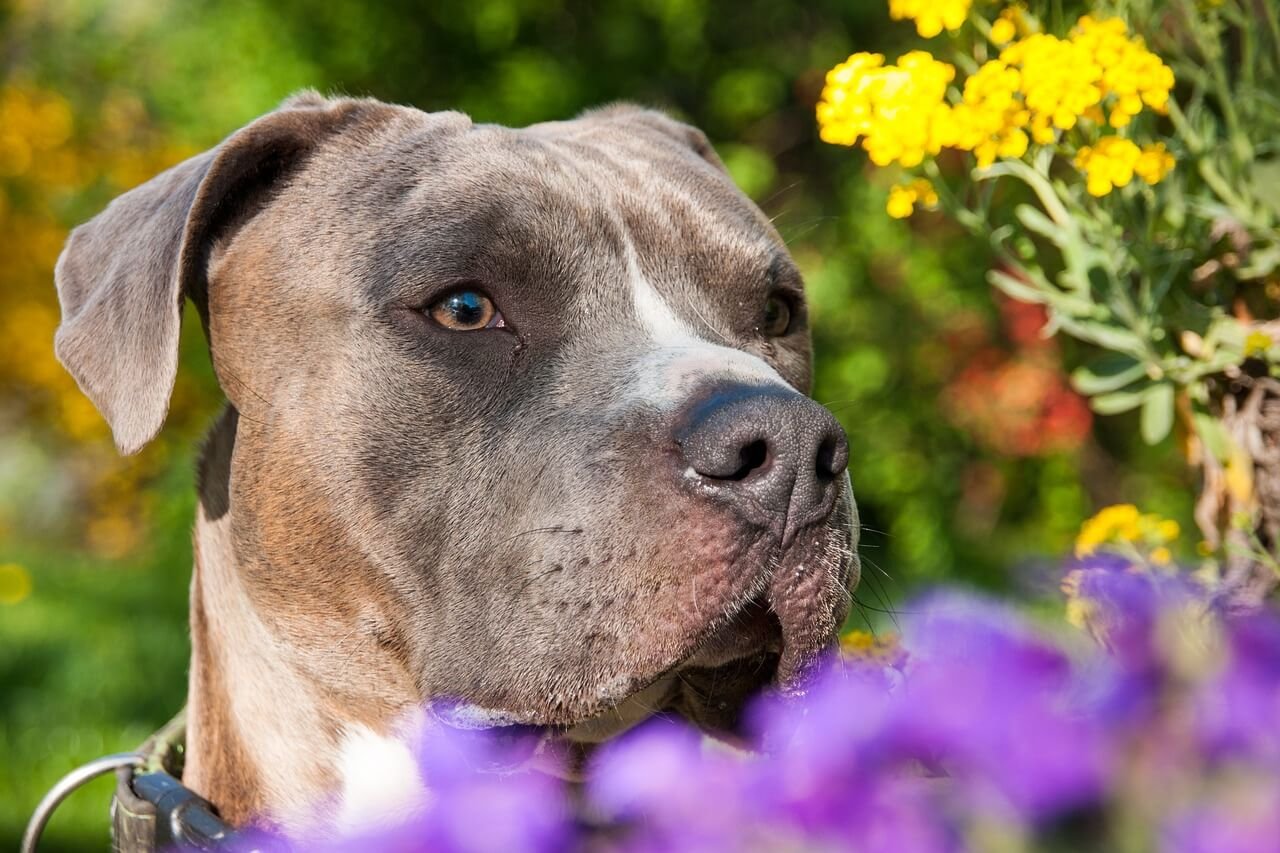


How to Teach a Dog to Speak: Top 7 Expert Tips!

How to Teach a Dog to Speak: Top 7 Expert Tips!

How to Teach a Dog to Speak


Teaching your dog to “speak” on command is not only a fun trick but also a great way to strengthen the bond between you and your furry companion. This skill involves training your dog to bark in response to a specific cue, which can be useful for communication and even safety purposes. Whether you’re aiming to impress friends or simply want to engage your dog’s mind, teaching them to speak is an achievable goal with patience and consistency. In this guide, we’ll walk you through step-by-step instructions, tips for success, and common challenges you might encounter along the way. Let’s get started on this exciting journey of canine communication!

Step-by-Step Guide to Teaching Your Dog to Speak


Training your dog to speak requires breaking the process into manageable steps. Follow these guidelines to ensure a smooth and effective learning experience for your pup.

 
  • Choose a Trigger That Encourages Barking:
    Identify situations where your dog naturally barks, such as when someone knocks on the door or during playtime. Use these moments to introduce the command.

  • Introduce the Verbal Cue “Speak”:
    As your dog begins to bark, say the word “speak” clearly and enthusiastically. Timing is crucial—pair the cue with the action to create an association.

  • Reward Immediately After Barking:
    Offer a treat or verbal praise right after your dog barks on cue. Positive reinforcement helps them understand what behavior earns rewards.

  • Practice in Different Environments:
    Once your dog grasps the concept indoors, gradually practice in various settings to reinforce their understanding and adaptability.

  • Be Patient and Consistent:
    Some dogs may take longer to learn than others. Stay consistent with training sessions and celebrate small victories along the way.


By following these steps, you’ll lay a strong foundation for teaching your dog to speak reliably and confidently.

How to Teach a Dog to Speak: Top 7 Expert Tips!

Common Challenges and Solutions When Teaching “Speak”


While teaching your dog to speak can be rewarding, it’s not without its challenges. Here are some common obstacles and how to overcome them.

 
  • Lack of Natural Barking Tendency:
    If your dog rarely barks, try using toys or sounds (like a squeaky toy) to elicit excitement and encourage vocalization.

  • Over-Excitement Leading to Excessive Barking:
    Some dogs may become overly excited and bark excessively once they start. Use a calming tone and pause training if needed to regain focus.

  • Confusion Between “Speak” and “Quiet”:
    Dogs may mix up commands if both are introduced too quickly. Focus on mastering “speak” first before moving on to “quiet.”

  • Short Attention Span During Training:
    Keep sessions brief (5–10 minutes) and engaging to hold your dog’s interest. End on a positive note to leave them eager for the next session.

  • Inconsistent Progress:
    Every dog learns at their own pace. Avoid frustration by adjusting your approach based on your dog’s unique personality and needs.


Understanding and addressing these challenges will help you navigate the training process more effectively.

Tips for Success
Common Mistakes to Avoid
Use high-value treats as rewards
Skipping consistency in training sessions
Train in quiet, distraction-free areas
Using punishment instead of rewards
Celebrate small milestones
Rushing through the learning process
Keep sessions short and fun
Ignoring signs of stress or frustration
Reinforce regularly outside of lessons
Overloading commands too early

Advanced Techniques to Refine the “Speak” Command


Once your dog has mastered the basics of speaking on command, you can refine their skills further with advanced techniques. These strategies add polish and precision to their performance.

 
  • Introduce Distance Commands:
    Stand a few feet away from your dog and ask them to speak. Gradually increase the distance to test their ability to respond from afar.

  • Combine with Other Commands:
    Practice integrating “speak” with other commands like “sit” or “stay” to demonstrate control and versatility.

  • Vary the Volume and Tone:
    Experiment with different tones of voice when giving the “speak” command to see how your dog responds under varied conditions.

  • Work on Timing Accuracy:
    Aim for precise timing so that your dog barks immediately after hearing the cue, rather than hesitating or guessing.

  • Test in Real-Life Scenarios:
    Use real-life situations, like greeting visitors or playing fetch, to reinforce the command in practical contexts.


These advanced methods elevate your dog’s skill level and showcase their impressive ability to communicate on cue.

Benefits of Teaching Your Dog to Speak


Beyond being a fun party trick, teaching your dog to speak offers numerous benefits for both you and your pet. Discover why this skill is worth the effort.

 
  • Enhances Communication Skills:
    A reliable “speak” command allows your dog to alert you to specific needs or potential dangers, such as intruders or unusual noises.

  • Boosts Mental Stimulation:
    Learning new tricks keeps your dog mentally sharp and engaged, reducing boredom-related behaviors like chewing or digging.

  • Strengthens Your Bond:
    Spending quality time together during training fosters trust and deepens your connection with your dog.

  • Improves Overall Obedience:
    Mastering one command often makes it easier to teach others, leading to better overall obedience and discipline.

  • Builds Confidence in Shy Dogs:
    Timid dogs can gain confidence by successfully performing tasks and receiving positive reinforcement.


The advantages of teaching your dog to speak extend far beyond entertainment, enriching their life and yours simultaneously.

Signs Your Dog Is Ready to Learn

Before diving into training, it’s important to recognize whether your dog is ready to learn the “speak” command. These signs indicate they’re prepared to engage fully in the process.

 
  • Shows Interest in Interaction:
    A dog eager to interact with you is more likely to participate actively in training sessions.

  • Responds Well to Treats or Praise:
    Dogs motivated by rewards tend to excel in learning new behaviors quickly.

  • Demonstrates Basic Obedience Skills:
    If your dog already knows simple commands like “sit” or “stay,” they have a solid foundation for advancing to “speak.”

  • Barks Occasionally in Certain Situations:
    Dogs who bark naturally in specific scenarios (e.g., during play) are ideal candidates for this training.

  • Exhibits Calm Behavior Under Pressure:
    A calm demeanor indicates your dog can handle the structure and repetition required for learning.


Recognizing these traits ensures you start training at the right time for optimal results.

Tools You’ll Need for Successful Training

Having the right tools on hand sets the stage for productive and enjoyable training sessions. Here’s what you’ll need to teach your dog to speak effectively.

 
  • High-Quality Treats:
    Choose small, soft treats that are easy to consume and highly appealing to your dog.

  • A Clicker (Optional):
    Clicker training can enhance precision by marking the exact moment your dog performs the desired behavior.

  • Favorite Toys or Squeakers:
    Toys that make noise can help trigger barking in dogs who don’t bark spontaneously.

  • Quiet Training Space:
    Minimize distractions by selecting a calm area free from interruptions or loud noises.

  • Patience and Positivity:
    Your attitude plays a huge role—approach each session with enthusiasm and encouragement.


Equipping yourself with these essentials creates an environment conducive to successful learning.

Fun Ways to Incorporate “Speak” Into Daily Life

Once your dog has mastered the “speak” command, there are countless creative ways to incorporate it into everyday activities. These ideas keep training fresh and enjoyable for both of you.

 
  • Greeting Visitors:
    Teach your dog to bark politely when guests arrive, adding flair to meet-and-greets.

  • Photo Opportunities:
    Capture adorable moments by having your dog “speak” for the camera during photoshoots.

  • Interactive Games:
    Combine “speak” with games like hide-and-seek to make playtime more dynamic and engaging.

  • Impressing Friends and Family:
    Show off your dog’s talent at gatherings, leaving everyone impressed by their cleverness.

  • Emergency Alerts:
    Train your dog to use “speak” as a signal for urgent situations, such as needing assistance or alerting you to danger.


These applications highlight the versatility of the “speak” command, proving it’s more than just a fun trick—it’s a valuable skill.

Frequently Asked Questions About Teaching Dogs to Speak

 
Can all dogs learn to speak?

Most dogs can learn to bark on command, but individual temperaments and abilities may vary.

It depends on the dog, but with daily practice, many dogs learn within a few weeks.

Use triggers like knocking on a door or ringing a bell to encourage barking.

Yes, as long as training is controlled and doesn’t lead to excessive barking.

Absolutely! Puppies are often eager learners, though shorter sessions are recommended.


Unlocking Your Dog’s Voice Through Training


Teaching your dog to speak is a delightful and fulfilling endeavor that strengthens your relationship and showcases your dog’s intelligence. With patience, consistency, and positive reinforcement, you can transform this seemingly complex task into a rewarding experience for both of you. Beyond the joy of watching your dog perform on cue, the benefits of improved communication, mental stimulation, and confidence make this skill invaluable. So grab some treats, set aside some time, and embark on this adventure of discovery with your four-legged friend—you’ll be amazed at what they can achieve!

Reasons to Get a Service Dog: Best 7 Expert Tips!

Reasons to Get a Service Dog: Best 7 Expert Tips! – Discover life-changing benefits, training insights, and key considerations for prospective handlers.

Dog Fireworks Anxiety: Best 7 Expert Tips!

Dog Fireworks Anxiety: Best 7 Expert Tips! – Proven ways to calm your dog during loud fireworks and reduce stress safely.

Havanese Dog Characteristics: Best 7 Expert Tips!

Havanese Dog Characteristics: Best 7 Expert Tips! – Discover expert insights on temperament, grooming, health, and care for this joyful, silky-coated companion.

Pure Harmony Dog Food: Best 7 Expert Tips!

Pure Harmony Dog Food: Best 7 Expert Tips! – Expert-backed guide to ingredients, benefits, and smart feeding choices for your dog’s health.

Leave a Reply

Your email address will not be published. Required fields are marked *

Post Category


