
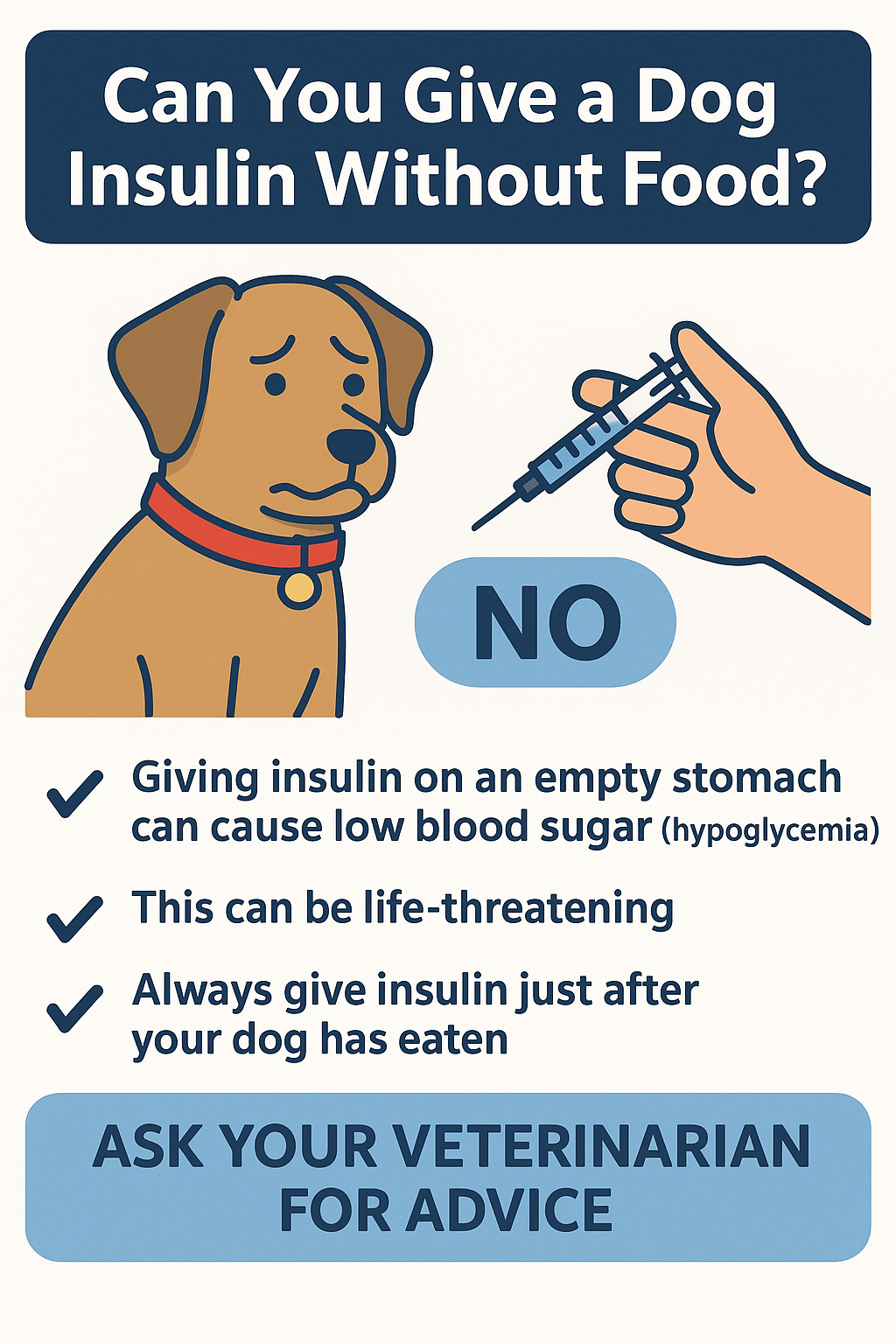

Can You Give a Dog Insulin Without Food?
Managing diabetes in dogs requires careful attention to insulin administration and feeding schedules. For pet owners, understanding the relationship between insulin and food is crucial to ensuring their dog’s health and safety. One common question that arises is whether it’s safe to give a dog insulin without food. While insulin therapy is essential for regulating blood sugar levels, skipping meals or administering insulin incorrectly can lead to serious complications like hypoglycemia (low blood sugar). In this blog post, we’ll explore the importance of timing insulin doses with meals, potential risks, and best practices for managing your diabetic dog’s care effectively.
Expert Insight on Insulin for Diabetic Pets
“Insulin administered to diabetic pets is an injectable version of the hormone normally produced by your pet’s pancreas. Insulin is generally synthesized using recombinant DNA or purified from animal sources, like pigs and cows.”
Why Timing Insulin with Food Matters
Administering insulin without food can pose significant risks to your dog’s health. Understanding why timing is critical helps prevent dangerous complications and ensures proper diabetes management.
Insulin Lowers Blood Sugar Levels:
Insulin works by helping glucose enter cells, lowering blood sugar levels. Without food, there may not be enough glucose in the bloodstream to balance the insulin’s effects.Risk of Hypoglycemia:
Administering insulin without food increases the risk of hypoglycemia, which can cause weakness, seizures, or even coma in severe cases.Food Provides Essential Energy:
A meal before insulin ensures your dog has the necessary glucose to maintain stable energy levels throughout the day.Consistency Prevents Fluctuations:
Pairing insulin with meals helps maintain consistent blood sugar levels, reducing the risk of sudden spikes or drops.Veterinary Guidelines Emphasize Timing:
Most veterinarians recommend giving insulin within 30 minutes of feeding to align with your dog’s natural digestion process.
Properly timing insulin with meals is a cornerstone of effective diabetes management, safeguarding your dog’s well-being and quality of life.
Signs Your Dog May Be Experiencing Hypoglycemia
Hypoglycemia is a serious condition that can occur if insulin is given without food or if the dose is too high. Recognizing the symptoms early allows you to act quickly and prevent complications.
Lethargy and Weakness:
Dogs with low blood sugar may appear unusually tired or struggle to stand or walk.Shaking or Trembling:
Muscle tremors are a common sign of hypoglycemia and indicate your dog’s body is struggling to function properly.Confusion or Disorientation:
A lack of glucose to the brain can cause confusion, staring into space, or unresponsiveness.Excessive Hunger or Restlessness:
Some dogs may exhibit frantic behavior or beg for food as their body signals a need for glucose.Seizures or Collapse:
In severe cases, untreated hypoglycemia can lead to seizures or unconsciousness, requiring immediate veterinary attention.
Understanding these signs empowers you to respond promptly and protect your dog from potentially life-threatening situations.
Check this guide 👉What to Do If You Forgot to Give Your Dog Insulin: Best 7 Tips
Check this guide 👉What Can I Give My Dog for Low Blood Sugar? Best 7 Tips!
Check this guide 👉Side Effects of Dogs Eating Sugar: Best 7 Expert Tips!
Best Practices for Insulin Administration | Risks of Skipping Meals Before Insulin |
|---|---|
Administer insulin within 30 minutes of eating | Increased risk of hypoglycemia |
Monitor blood sugar levels regularly | Potential for seizures or collapse |
Follow your vet’s recommended dosage | Unstable energy levels throughout the day |
Keep a consistent feeding schedule | Difficulty maintaining glucose balance |
Store insulin properly to preserve potency | Stress and discomfort for your dog |
Steps to Safely Administer Insulin to Your Dog
Administering insulin correctly is vital for managing your dog’s diabetes safely. Following these steps ensures accuracy and minimizes the risk of complications.
Prepare the Insulin Properly:
Roll the insulin vial gently between your hands to mix it—never shake it, as this can damage the medication.Check the Dosage Carefully:
Use a syringe specifically designed for insulin and double-check the prescribed dose before drawing it up.Feed Your Dog First:
Always ensure your dog has eaten at least half of their meal before giving insulin to avoid low blood sugar.Choose a Comfortable Spot:
Find a quiet, calm area where your dog feels relaxed to reduce stress during the process.Reward Your Dog Afterward:
Offer praise or a small treat (if approved by your vet) to create positive associations with insulin time.
By following these steps, you can make insulin administration a smooth and stress-free part of your dog’s daily routine.
Tips for Managing a Diabetic Dog’s Diet
A balanced diet plays a crucial role in supporting your dog’s diabetes management. These tips help optimize their nutrition while aligning with insulin therapy.
Consult Your Veterinarian About Diet:
Work with your vet to select a diet tailored to your dog’s specific needs, such as high-fiber or low-carb options.Stick to Regular Feeding Times:
Consistent meal times help regulate blood sugar levels and improve insulin effectiveness.Avoid Sudden Dietary Changes:
Introducing new foods abruptly can disrupt glucose levels; always transition gradually under veterinary guidance.Monitor Portion Sizes:
Overfeeding or underfeeding can impact insulin requirements, so measure portions carefully.Limit Treats and Snacks:
Choose diabetic-friendly treats sparingly and factor them into your dog’s overall caloric intake.
A well-managed diet complements insulin therapy, promoting better health outcomes for your diabetic dog.
Common Mistakes to Avoid When Managing Diabetes
Even with the best intentions, mistakes can happen when caring for a diabetic dog. Avoiding these common errors ensures your pet stays safe and healthy.
Skipping Meals Before Insulin Doses:
Always confirm your dog has eaten before administering insulin to prevent hypoglycemia.Overlooking Blood Sugar Monitoring:
Failing to track glucose levels can lead to unnoticed fluctuations and complications.Using Expired or Improperly Stored Insulin:
Insulin loses effectiveness if stored incorrectly or past its expiration date.Changing Diets Without Veterinary Approval:
Dietary changes can disrupt glucose control; consult your vet before making adjustments.Neglecting Regular Vet Check-Ups:
Routine visits are essential for monitoring your dog’s progress and adjusting treatment plans.
Avoiding these mistakes promotes consistent diabetes management and peace of mind for pet owners.
How to Handle Missed Meals or Refusal to Eat
If your dog misses a meal or refuses to eat, it’s important to handle the situation calmly and responsibly. These steps guide you through addressing the issue safely.
Assess Your Dog’s Behavior:
Look for signs of illness, stress, or other factors that might explain their refusal to eat.Offer Alternative Foods:
Try offering a bland diet or a favorite treat to entice them to eat something.Skip the Insulin Dose Temporarily:
If your dog hasn’t eaten, skip the insulin dose and contact your vet for advice.Encourage Hydration:
Ensure your dog stays hydrated, as dehydration can worsen diabetes-related complications.Seek Veterinary Help if Needed:
Persistent appetite loss requires professional evaluation to rule out underlying health issues.
Handling missed meals thoughtfully protects your dog from unnecessary risks while addressing potential problems proactively.
Benefits of a Structured Routine for Diabetic Dogs
Establishing a structured routine offers numerous benefits for both you and your diabetic dog. Consistency simplifies care and enhances your pet’s overall well-being.
Improved Blood Sugar Control:
Regular feeding and insulin schedules help stabilize glucose levels more effectively.Reduced Stress for Both Pet and Owner:
Predictable routines minimize anxiety and make daily tasks easier to manage.Easier Identification of Issues:
A consistent routine makes it easier to spot deviations in behavior or health quickly.Better Collaboration with Your Vet:
Clear records and patterns allow your vet to fine-tune treatment plans efficiently.Enhanced Quality of Life for Your Dog:
A stable routine supports physical health and emotional comfort, fostering happiness.
A structured approach streamlines diabetes care, empowering you to provide the best possible support for your beloved pet.
Frequently Asked Questions About Insulin and Food for Diabetic Dogs
What happens if I give my dog insulin without food?
Giving insulin without food can lead to dangerously low blood sugar levels (hypoglycemia), which requires immediate attention.
How long should I wait after feeding to give insulin?
Most veterinarians recommend administering insulin within 30 minutes of your dog starting their meal.
Can I skip a dose of insulin if my dog hasn’t eaten?
Yes, skipping a dose is safer than risking hypoglycemia. Contact your vet for further guidance.
What should I do if my dog refuses to eat?
Encourage them gently, offer a favorite food, or contact your vet to discuss alternative options.
How often should I check my dog’s blood sugar levels?
The frequency depends on your vet’s recommendations but typically ranges from daily monitoring to periodic checks during vet visits.
Prioritizing Your Diabetic Dog’s Health and Well-Being
Caring for a diabetic dog involves dedication, patience, and a commitment to learning the nuances of insulin therapy and dietary management. By understanding the importance of pairing insulin with meals, recognizing signs of trouble, and adhering to best practices, you can ensure your furry friend enjoys a happy, healthy life. Remember, teamwork with your veterinarian is essential to tailoring a plan that meets your dog’s unique needs. With love, consistency, and proactive care, you can navigate the challenges of diabetes together and cherish every moment with your loyal companion.
Is Rawhide Bad for Cats? Best 7 Expert Tips! – Discover the risks, safe alternatives, and expert advice to keep your feline friend healthy and happy.

Is Rawhide Bad for Dogs? Best 7 Expert Tips! – Discover the risks, benefits, and safer alternatives to rawhides for your dog’s chewing needs.

Understanding Anorexia in Cats: Best 7 Expert Tips! – Learn why cats stop eating, spot warning signs, and discover how to help your feline regain appetite safely.

Understanding Anorexia in Dogs: Best 7 Expert Tips! – Learn causes, symptoms, and solutions to help your dog regain appetite and stay healthy.