

High-Value Dog Treats: Best 7 Expert Tips!

High-Value Dog Treats: Best 7 Expert Tips!

High-Value Dog Treats: What You Need to Know


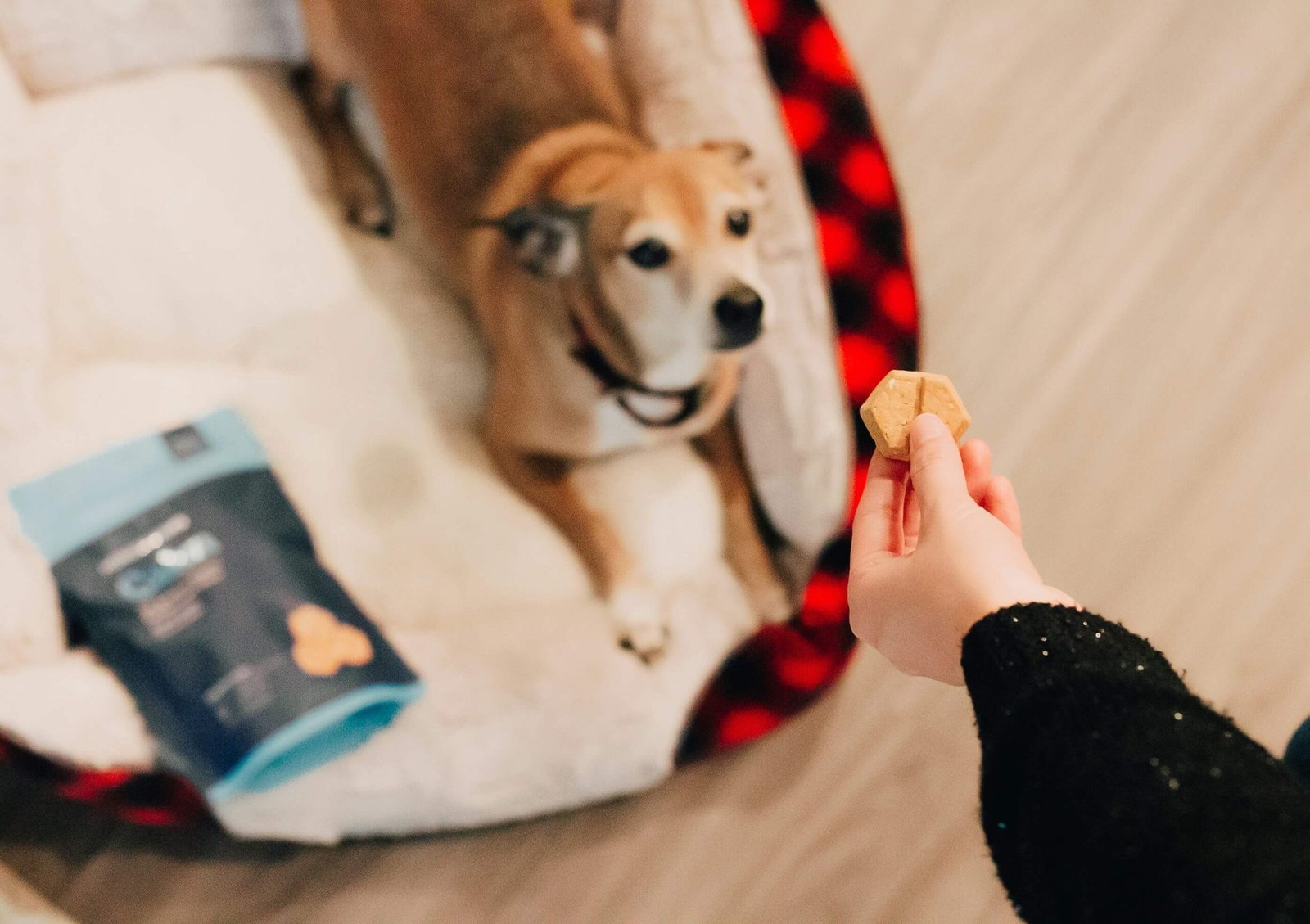
When it comes to training, rewarding good behavior, or simply showing your dog some love, high-value dog treats are a game-changer. These special snacks are not just ordinary biscuits—they’re packed with flavor and nutrition that make them irresistible to even the pickiest pups. Whether you’re teaching new tricks, managing separation anxiety, or reinforcing positive behaviors, understanding how to choose and use high-value treats can make all the difference. In this blog post, we’ll explore everything you need to know about these powerful rewards, from their benefits to tips for selecting the best options for your furry friend.

Why High-Value Dog Treats Are Essential for Training


High-value dog treats play a crucial role in training because they capture your dog’s attention and motivate them to focus on the task at hand. Their strong appeal makes them perfect for challenging commands or distracting environments.

 
  • Boosts Focus During Training:
    High-value treats are more enticing than regular snacks, helping your dog stay engaged even in busy or noisy settings.

  • Encourages Quick Learning:
    Dogs are more likely to repeat behaviors that earn them highly desirable rewards, speeding up the learning process.

  • Helps Overcome Distractions:
    In environments like parks or crowded streets, high-value treats can cut through distractions and keep your dog’s attention on you.

  • Strengthens the Bond Between You and Your Dog:
    Using special treats during training sessions reinforces trust and strengthens your relationship with your pet.

  • Perfect for Stubborn or Independent Dogs:
    For dogs who are less food-motivated, high-value treats provide the extra incentive needed to participate in training.


By incorporating high-value treats into your training routine, you’ll set your dog up for success while making the process enjoyable for both of you.

High-Value Dog Treats: Best 7 Expert Tips!

How to Choose the Best High-Value Dog Treats


Not all treats are created equal, and finding the right high-value option for your dog requires careful consideration. Here are some factors to keep in mind when shopping for these premium snacks.

 
  • Flavor Matters Most:
    Dogs are naturally drawn to strong-smelling, flavorful treats like those made with real meat, cheese, or peanut butter.

  • Size Should Be Bite-Sized:
    Treats should be small enough to eat quickly, allowing for frequent rewards without overfeeding.

  • Check the Ingredient List:
    Opt for treats made with natural, wholesome ingredients and avoid artificial additives or fillers.

  • Consider Your Dog’s Dietary Needs:
    If your dog has allergies or sensitivities, look for hypoallergenic or grain-free options tailored to their needs.

  • Portability Is Key:
    Choose treats that are easy to carry and store, especially if you plan to use them during outdoor activities or travel.


Selecting the right high-value treats ensures your dog stays motivated and healthy while enjoying their rewards.

Types of High-Value Dog Treats
Benefits of Each Type
Freeze-Dried Liver
Rich in protein and highly aromatic
Cheese-Based Treats
Loved by most dogs; great for picky eaters
Peanut Butter Snacks
Irresistible flavor; ideal for training
Jerky Strips
Chewy texture; long-lasting enjoyment
Dehydrated Chicken
Lightweight; perfect for active outings

Creative Ways to Use High-Value Dog Treats


High-value dog treats aren’t just for training—they can be used in various creative ways to enrich your dog’s life and strengthen your bond. Here are some ideas to get started.

 
  • Reward Calm Behavior:
    Use high-value treats to reinforce calmness during stressful situations, such as vet visits or thunderstorms.

  • Teach Advanced Tricks:
    When introducing complex commands, these treats provide the motivation needed for mastery.

  • Encourage Positive Socialization:
    Reward friendly interactions with other dogs or people to build confidence in social settings.

  • Make Grooming Sessions Easier:
    Offer treats during grooming to create positive associations with nail trimming or bathing.

  • Celebrate Special Occasions:
    Use high-value treats as part of birthday celebrations or holiday traditions to make them extra memorable.


Incorporating high-value treats into different aspects of your dog’s routine adds variety and excitement to everyday moments.

Common Mistakes to Avoid When Using High-Value Treats


While high-value treats are incredibly effective, improper use can lead to unintended consequences. Avoid these common mistakes to ensure safe and successful treat usage.

 
  • Overfeeding During Training:
    Too many treats can lead to weight gain. Measure portions carefully and adjust meal sizes accordingly.

  • Neglecting Dental Health:
    Some high-value treats may stick to teeth, increasing the risk of plaque buildup. Pair treat-giving with dental care routines.

  • Using Low-Quality Alternatives:
    Cheap, low-value treats won’t have the same motivational impact and may contain harmful ingredients. Stick to quality options.

  • Failing to Rotate Flavors:
    Sticking to one type of treat can cause boredom. Mix it up to keep your dog excited and engaged.

  • Ignoring Allergies or Sensitivities:
    Always monitor your dog for adverse reactions after introducing new treats to prevent health issues.


By avoiding these pitfalls, you’ll maximize the benefits of high-value treats while keeping your dog happy and healthy.

Signs Your Dog Loves a Particular Treat

Not all treats resonate equally with every dog, so it’s important to recognize which ones truly excite your furry companion. Here are signs that a treat is a hit.

 
  • Excited Behavior:
    Wagging tails, jumping, or spinning in circles indicates your dog loves the treat and associates it with happiness.

  • Intense Focus:
    If your dog locks eyes on you whenever you reach for the treat bag, it’s a clear sign they find it irresistible.

  • Quick Consumption:
    Dogs who gobble up a treat immediately rather than chewing slowly likely consider it a favorite.

  • Vocal Cues:
    Whining, barking, or whimpering when they see the treat bag shows eagerness and anticipation.

  • Consistent Response:
    A treat that consistently elicits enthusiasm across multiple sessions is a winner.


Observing these signs helps you identify which treats work best for your dog’s preferences and needs.

DIY Recipes for High-Value Dog Treats

Making your own high-value dog treats at home allows you to control ingredients and tailor flavors to your dog’s tastes. Here are simple recipes to try.

 
  • Peanut Butter Bites:
    Mix peanut butter, oats, and banana, then roll into bite-sized balls for a tasty, protein-packed snack.

  • Freeze-Dried Chicken Chips:
    Thinly slice cooked chicken breast, dehydrate it, and store in an airtight container for a crunchy reward.

  • Cheese Cubes:
    Cut low-sodium cheese into small cubes for a savory treat that’s easy to carry and serve.

  • Sweet Potato Chews:
    Slice sweet potatoes thinly, bake until crispy, and let cool for a chewy, nutrient-rich delight.

  • Beef Jerky Strips:
    Cook lean beef strips slowly in the oven until dried, creating a long-lasting, high-protein treat.


DIY treats allow you to customize flavors and textures while ensuring safety and quality.

Alternatives to Traditional High-Value Treats

If traditional treats don’t suit your dog’s dietary restrictions or preferences, there are alternative ways to reward them effectively.

 
  • Fresh Fruits and Vegetables:
    Apples (without seeds), blueberries, and carrots make healthy, low-calorie rewards.

  • Cooked Meats:
    Small pieces of plain chicken, turkey, or beef can serve as high-value alternatives to processed treats.

  • Dehydrated Fish:
    Sardines or salmon offer omega-3 fatty acids along with a strong aroma that dogs adore.

  • Frozen Yogurt Drops:
    Mix plain yogurt with mashed banana or pumpkin, freeze in dollops, and serve as refreshing summer rewards.

  • Kibble Enhancements:
    Sprinkle crushed kibble over wet food or mix it with broth for an elevated version of their regular diet.


Exploring these alternatives ensures your dog enjoys variety and stays motivated without compromising their health.

Frequently Asked Questions About High-Value Dog Treats

 
What exactly are high-value dog treats?

High-value dog treats are premium snacks that are highly appealing to dogs due to their flavor, texture, and nutritional content.

Yes, as long as they are given in moderation and fit within your dog’s daily caloric intake.

While regular treats can work, high-value options are more effective for maintaining focus and motivation.

Watch for signs like itching, digestive upset, or skin rashes after introducing a new treat. Consult your vet if needed.

These treats are widely available at pet stores, online retailers, and even some grocery stores.

Yes, homemade treats made with high-quality ingredients can be just as effective as store-bought options.

Making the Most of High-Value Dog Treats


High-value dog treats are more than just snacks—they’re powerful tools for training, bonding, and enriching your dog’s life. By choosing the right treats, using them strategically, and avoiding common mistakes, you’ll unlock their full potential while keeping your pup healthy and happy. Whether you’re teaching new tricks, celebrating milestones, or simply sharing a moment of affection, these treats are sure to bring joy to your four-legged friend. Remember, the key is balance—use them wisely, and watch your dog thrive!

Cuterebra Larvae in Cats: Best 7 Expert Tips!

Cuterebra Larvae in Cats: Best 7 Expert Tips! – Expert advice on signs, treatment & prevention of this rare but serious feline parasitic infestation.

Cuterebra Larvae in Dogs: Best 7 Expert Tips!

Cuterebra Larvae in Dogs: Best 7 Expert Tips! – Expert advice on signs, treatment & prevention of this rare but serious parasitic infestation.

Cat Tumor on Paw: Best 7 Expert Tips!

Cat Tumor on Paw: Best 7 Expert Tips! – Expert advice on signs, diagnosis, treatment & care for feline paw tumors.

Panacur Side Effects in Dogs: Best 7 Expert Tips!

Panacur Side Effects in Dogs: Best 7 Expert Tips! – Safe usage, common reactions & when to call the vet.

Leave a Reply

Your email address will not be published. Required fields are marked *

Post Category


