
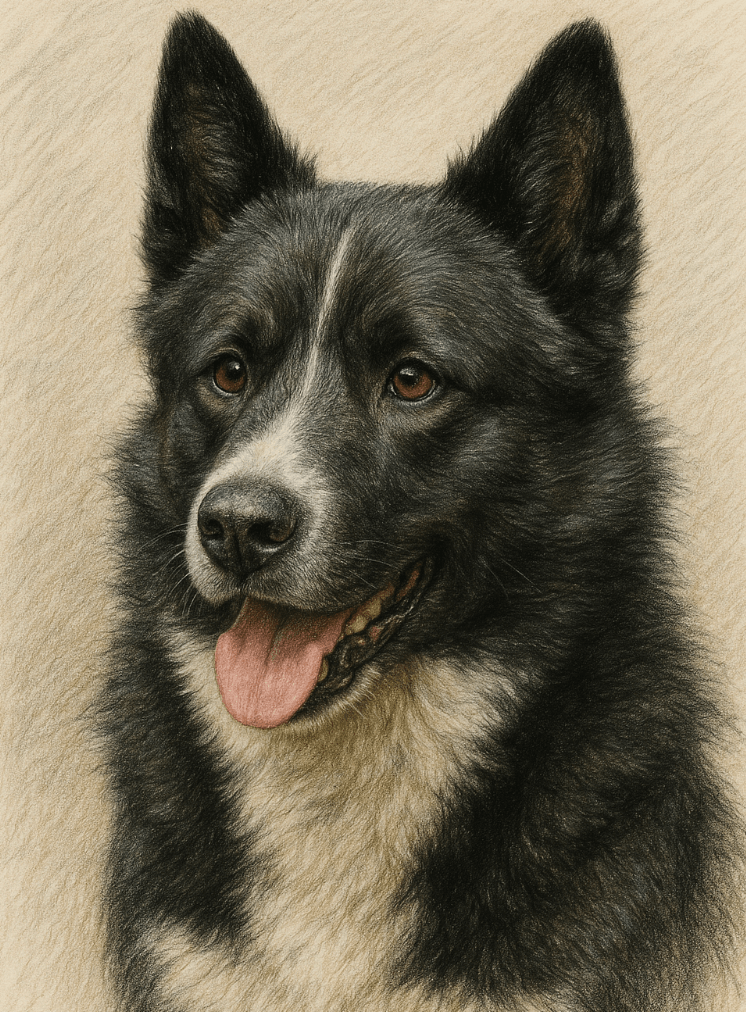

Karelian Bear Dog Temperament: What Makes This Breed Unique?
The Karelian Bear Dog is a striking and powerful breed known for its fearless nature and strong hunting instincts. Originating from Finland, this spitz-type dog was originally bred to hunt large game, including bears, moose, and boar. However, their temperament extends far beyond their hunting prowess. While they are loyal, intelligent, and courageous, they also require experienced handlers who can provide firm guidance and plenty of mental stimulation. Understanding the Karelian Bear Dog’s temperament is essential for anyone considering adding this remarkable breed to their family. Let’s dive into what makes these dogs so special and how their personality traits shape their interactions with humans and animals alike.
Key Traits of the Karelian Bear Dog Temperament
The Karelian Bear Dog’s temperament is a blend of independence, bravery, and loyalty. These traits make them exceptional working dogs but also present unique challenges for pet owners. Here’s a closer look at their defining characteristics:
Fearless and Confident:
Karelian Bear Dogs are naturally bold and unafraid, even when facing much larger predators like bears or wolves.Highly Independent:
Bred to work independently in harsh environments, these dogs often display a strong sense of self-reliance and decision-making.Loyal and Protective:
They form deep bonds with their families and are highly protective of their territory and loved ones.Energetic and Active:
This breed thrives on physical activity and requires plenty of exercise to stay happy and healthy.Intelligent but Stubborn:
While incredibly smart, Karelian Bear Dogs can be willful, making training a challenge without consistent leadership.
These traits highlight why the Karelian Bear Dog is best suited for experienced owners who can meet their unique needs.
Challenges of Owning a Karelian Bear Dog
While the Karelian Bear Dog’s temperament has many admirable qualities, it also comes with certain challenges that potential owners should consider before bringing one home.
Strong Prey Drive:
Their instinct to chase and hunt can lead to conflicts with smaller pets or wildlife if not properly managed.High Exercise Requirements:
Without sufficient physical and mental stimulation, these dogs may become destructive or develop behavioral issues.Dominant Personality:
Karelian Bear Dogs can be assertive and may try to dominate less experienced owners or other dogs in the household.Not Ideal for Novice Owners:
Their independent nature and stubborn streak require confident handling and structured training.Territorial Behavior:
Their protective instincts can make them wary of strangers or overly defensive of their space.
Understanding these challenges helps ensure you’re prepared to provide the right environment and training for this spirited breed.
Check this guide 👉Mudi Dog Temperament: Best 7 Expert Tips!
Check this guide 👉Xoloitzcuintle Dog Temperament: Best 7 Expert Tips!
Check this guide 👉Shichon Dog Temperament: Best 7 Expert Tips!
Strengths of the Karelian Bear Dog Temperament | Challenges of the Karelian Bear Dog Temperament |
|---|---|
Fearless and courageous | Strong prey drive requiring careful management |
Loyal and protective | High energy demands needing daily activities |
Intelligent and quick to learn | Stubborn tendencies during training |
Great watchdog capabilities | Not ideal for homes with small children or pets |
Thrives in outdoor settings | Requires experienced and confident ownership |
Tips for Training a Karelian Bear Dog
Training a Karelian Bear Dog requires patience, consistency, and a firm yet positive approach. Their intelligence and independence mean traditional methods may not always work, but these tips can help set you up for success.
Start Early:
Begin training and socialization as a puppy to establish good habits and reduce stubborn behaviors later in life.Use Positive Reinforcement:
Reward-based techniques, such as treats or praise, are effective in motivating this intelligent breed.Be Consistent:
Clear rules and boundaries help curb their independent streak and prevent confusion.Focus on Obedience:
Basic obedience commands like “sit,” “stay,” and “come” are crucial for managing their high energy and prey drive.Provide Mental Stimulation:
Puzzle toys, scent games, and agility exercises keep their sharp minds engaged and prevent boredom-related problems.
With dedication and the right strategies, training a Karelian Bear Dog can be a rewarding experience for both dog and owner.
Socializing Your Karelian Bear Dog
Proper socialization is critical for ensuring your Karelian Bear Dog grows into a well-rounded and confident adult. Given their protective instincts and strong prey drive, early exposure to different people, animals, and environments is essential.
Introduce Them to Strangers Gradually:
Controlled introductions help them differentiate between friendly visitors and potential threats.Expose Them to Other Animals Safely:
Supervised interactions with calm, non-aggressive dogs can teach them appropriate behavior around other pets.Familiarize Them with New Environments:
Take them to parks, trails, or busy areas to acclimate them to various sights, sounds, and smells.Reward Calm Behavior:
Praise and reward them for remaining relaxed in new or potentially stressful situations.Avoid Overwhelming Them:
Too much too soon can backfire; introduce new experiences gradually to build their confidence over time.
Effective socialization ensures your Karelian Bear Dog becomes a balanced companion capable of adapting to diverse scenarios.
Activities That Suit the Karelian Bear Dog Temperament
The Karelian Bear Dog’s active and intelligent nature makes them ideal candidates for specific activities that channel their energy and instincts constructively.
Agility Training:
Courses involving jumps, tunnels, and weave poles challenge their athleticism and sharpen their focus.Scent Work:
Harnessing their keen sense of smell through tracking or detection games taps into their natural abilities.Hiking and Outdoor Adventures:
Long hikes in varied terrains satisfy their love for exploration and endurance-based exercise.Obedience Competitions:
Structured competitions test their skills and strengthen the bond between dog and handler.Mock Hunting Exercises:
Simulated hunts using dummies or scents allow them to practice their instincts in a controlled setting.
Engaging in these activities keeps your Karelian Bear Dog mentally and physically fulfilled while strengthening your relationship.
Health Considerations Linked to Temperament
A Karelian Bear Dog’s temperament can influence their overall health and well-being. Understanding these connections helps ensure a happy, balanced life for your furry companion.
Stress from Lack of Exercise:
Insufficient activity can lead to anxiety, obesity, or destructive behaviors due to pent-up energy.Injuries from Overexertion:
Their enthusiasm for work and play may result in injuries if not monitored closely.Behavioral Issues from Poor Socialization:
Without proper exposure, they may develop fear-based aggression or excessive shyness.Digestive Problems from Diet Choices:
Feeding inappropriate food can exacerbate hyperactivity or irritability linked to their temperament.Loneliness and Separation Anxiety:
Left alone for long periods, they may exhibit distress through barking, chewing, or escaping attempts.
Addressing these factors promotes a healthier lifestyle aligned with their spirited temperament.
Building a Strong Bond with Your Karelian Bear Dog
Forming a deep connection with your Karelian Bear Dog requires understanding their temperament and meeting their emotional needs.
Spend Quality Time Together:
Regular play sessions and shared activities strengthen trust and companionship.Respect Their Independence:
Allow them space to explore and make decisions within safe limits to honor their self-reliant nature.Communicate Clearly:
Use consistent commands and body language to avoid misunderstandings and build mutual respect.Provide Leadership:
Establish yourself as a fair and confident leader to earn their loyalty and cooperation.Celebrate Their Achievements:
Acknowledge their successes, no matter how small, to reinforce positive behaviors and boost their confidence.
By nurturing this bond, you’ll create a partnership built on trust, admiration, and shared adventures.
Frequently Asked Questions About Karelian Bear Dog Temperament
Are Karelian Bear Dogs aggressive?
They are not inherently aggressive but can be territorial and protective, especially toward strangers or perceived threats.
Can Karelian Bear Dogs live with other pets?
It depends on their individual personality and upbringing, but their strong prey drive can pose risks to smaller animals.
Do they get along with children?
With proper training and supervision, they can coexist with older, respectful children but may not tolerate rough handling.
How much exercise do Karelian Bear Dogs need?
They require at least 1-2 hours of vigorous exercise daily, including walks, runs, or playtime.
Are they easy to train?
While highly intelligent, their independent nature means they can be challenging to train without consistent leadership.
Embracing the Spirit of the Karelian Bear Dog
The Karelian Bear Dog’s temperament reflects their heritage as fearless hunters and devoted companions. Their courage, loyalty, and intelligence make them extraordinary partners for those willing to invest the time and effort required to nurture their potential. However, their strong instincts and energetic nature demand an experienced owner who can provide structure, patience, and plenty of opportunities for physical and mental engagement. By understanding and respecting their unique traits, you can forge a lifelong bond with this remarkable breed and enjoy the rewards of sharing your life with a true canine powerhouse.
Is Rawhide Bad for Cats? Best 7 Expert Tips! – Discover the risks, safe alternatives, and expert advice to keep your feline friend healthy and happy.

Is Rawhide Bad for Dogs? Best 7 Expert Tips! – Discover the risks, benefits, and safer alternatives to rawhides for your dog’s chewing needs.

Understanding Anorexia in Cats: Best 7 Expert Tips! – Learn why cats stop eating, spot warning signs, and discover how to help your feline regain appetite safely.

Understanding Anorexia in Dogs: Best 7 Expert Tips! – Learn causes, symptoms, and solutions to help your dog regain appetite and stay healthy.