
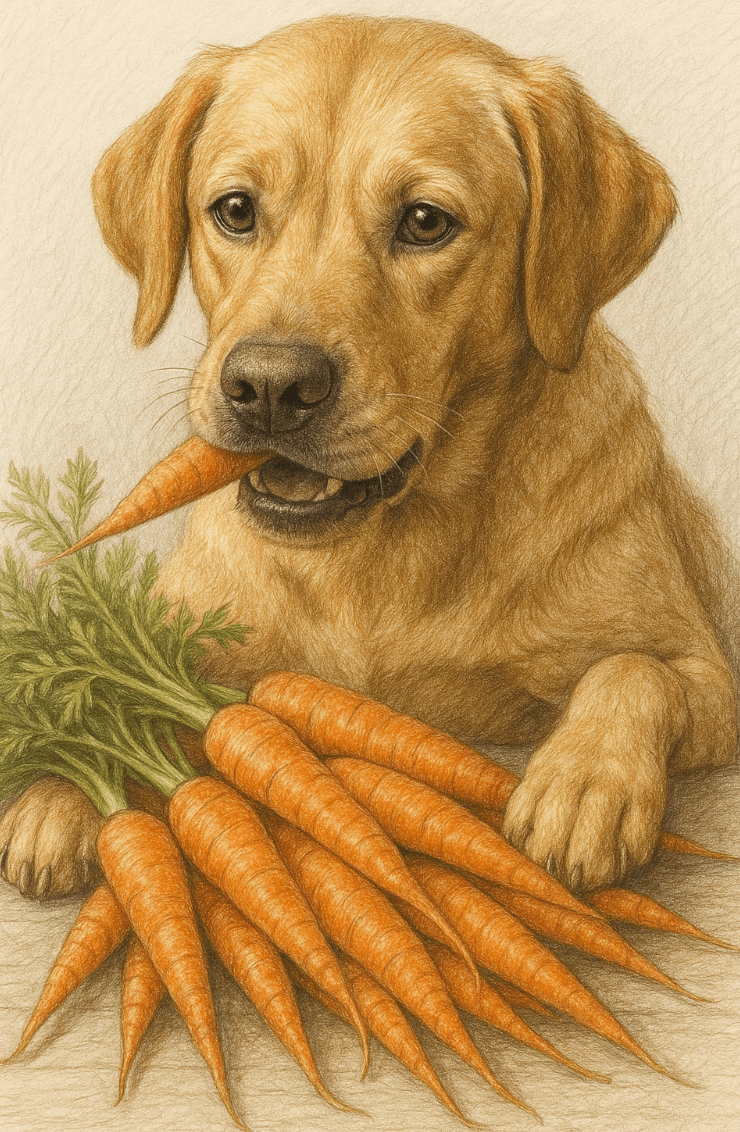

How Many Carrots Can a Dog Eat a Day? Best 7 Expert Tips!

How Many Carrots Can a Dog Eat a Day? Best 7 Expert Tips!

How Many Carrots Can a Dog Eat a Day?


Carrots are a popular snack for humans, but they can also be a healthy treat for dogs when given in moderation. Packed with vitamins, fiber, and antioxidants, carrots offer numerous health benefits for our furry friends. However, like any food, they should be fed responsibly to avoid potential digestive issues or nutrient imbalances. Whether you’re considering carrots as an occasional reward or a regular addition to your dog’s diet, it’s important to understand how much is safe and appropriate. In this blog post, we’ll explore the ideal portion sizes, benefits, and precautions to ensure your dog enjoys carrots safely.

Health Benefits of Feeding Carrots to Dogs


Incorporating carrots into your dog’s diet can provide several health advantages, making them a nutritious and low-calorie snack option. Here’s why carrots are a great choice for your pup:

 
  • Rich in Vitamins:
    Carrots are loaded with vitamin A, which supports eye health, skin health, and immune function in dogs.

  • High in Fiber:
    The fiber content in carrots aids digestion and helps regulate bowel movements, reducing the risk of constipation.

  • Low in Calories:
    Carrots are a guilt-free treat for dogs, especially those on a weight management plan, as they are low in fat and calories.

  • Natural Dental Cleaner:
    Chewing on raw carrots can help scrape plaque off your dog’s teeth, promoting better oral hygiene.

  • Antioxidant Properties:
    Carrots contain antioxidants that combat free radicals, supporting overall health and longevity.


While carrots are undeniably beneficial, moderation is key to ensuring your dog reaps these rewards without overdoing it.

How Many Carrots Can a Dog Safely Eat Per Day?


The number of carrots your dog can eat daily depends on their size, breed, and dietary needs. Feeding too many carrots can lead to digestive upset or nutritional imbalances, so portion control is essential.

 
  • Small Dogs (Under 20 lbs):
    Limit carrot intake to 1-2 baby carrots or half a medium-sized carrot per day.

  • Medium Dogs (20-50 lbs):
    A medium-sized dog can safely enjoy 1-2 medium carrots daily, depending on their activity level.

  • Large Dogs (Over 50 lbs):
    Larger breeds may tolerate up to 2-3 medium carrots per day, but always monitor for signs of discomfort.

  • Puppies:
    Puppies can have small pieces of cooked or finely chopped carrots, but avoid overfeeding due to their sensitive digestive systems.

  • Senior Dogs:
    Older dogs with slower metabolisms should consume fewer carrots to prevent excessive calorie intake.


By tailoring the portion size to your dog’s specific needs, you can ensure they enjoy carrots safely and reap their nutritional benefits.

How Many Carrots Can a Dog Eat a Day? Best 7 Expert Tips!
Benefits of Carrots for Dogs
Potential Risks of Overfeeding Carrots
Supports eye and skin health
Digestive upset from excess fiber
Low-calorie, weight-friendly snack
Risk of choking on large chunks
Promotes dental hygiene
Nutrient imbalance if fed excessively
Rich in antioxidants
Sugar content may affect diabetic dogs
Affordable and easy to prepare
Overconsumption can lead to diarrhea

Tips for Safely Feeding Carrots to Your Dog


Feeding carrots to your dog requires some preparation and caution to ensure their safety and enjoyment. Follow these tips to make the most of this healthy snack.

 
  • Cut Carrots into Bite-Sized Pieces:
    Large chunks can pose a choking hazard, especially for smaller dogs. Slice carrots into manageable pieces before serving.

  • Cook or Steam for Picky Eaters:
    Some dogs may prefer softer textures. Lightly cooking or steaming carrots makes them easier to chew and digest.

  • Avoid Seasonings or Additives:
    Never add salt, sugar, butter, or spices to carrots, as these can upset your dog’s stomach or harm their health.

  • Introduce Gradually:
    Start with small amounts to see how your dog’s digestive system reacts before incorporating carrots regularly.

  • Balance with Other Foods:
    Ensure carrots don’t replace a balanced diet. Use them as treats rather than meal replacements.


By following these guidelines, you can safely incorporate carrots into your dog’s diet without compromising their well-being.

Signs Your Dog Has Eaten Too Many Carrots


While carrots are generally safe, overfeeding can lead to adverse effects. Watch for these signs to determine if your dog has had too much.

 
  • Diarrhea or Loose Stools:
    Excessive fiber from carrots can disrupt your dog’s digestion, resulting in loose stools or diarrhea.

  • Vomiting:
    If your dog vomits after eating carrots, it may indicate they’ve consumed too much or couldn’t digest the snack properly.

  • Lethargy or Discomfort:
    A bloated or uncomfortable dog may signal gastrointestinal distress caused by overeating carrots.

  • Choking or Gagging:
    Large or uncut carrots can cause choking, especially in smaller breeds or dogs prone to gulping food.

  • Weight Gain:
    Even though carrots are low in calories, overfeeding them alongside other foods can contribute to unwanted weight gain.


Recognizing these symptoms early allows you to adjust your dog’s carrot intake and prevent further complications.

Creative Ways to Serve Carrots to Your Dog


If you want to make carrots more appealing or exciting for your dog, try these creative serving ideas.

 
  • Freeze Carrot Sticks:
    Freezing carrots creates a refreshing and crunchy treat, perfect for hot days.

  • Mix with Peanut Butter:
    Stuff small carrot pieces into a Kong toy and top with peanut butter for a fun challenge.

  • Blend into Smoothies:
    Blend cooked carrots with plain yogurt or water to create a hydrating and tasty drink.

  • Dehydrate for Long-Lasting Snacks:
    Dehydrated carrot chips are a shelf-stable option that dogs love to chew on.

  • Incorporate into Homemade Treats:
    Bake carrot-based dog cookies using wholesome ingredients like oats and pumpkin.


These methods make carrots more enticing while adding variety to your dog’s diet.

Common Mistakes to Avoid When Feeding Carrots


Even though carrots are healthy, certain mistakes can diminish their benefits or harm your dog. Be mindful of these pitfalls.

 
  • Feeding Whole Carrots:
    Whole carrots are difficult for dogs to chew and can pose a choking hazard, especially for small breeds.

  • Overlooking Allergies or Sensitivities:
    While rare, some dogs may be allergic or intolerant to carrots. Watch for signs like itching or swelling.

  • Adding Harmful Ingredients:
    Avoid seasoning carrots with salt, garlic, or onions, as these can be toxic to dogs.

  • Using Carrots as a Meal Replacement:
    Carrots lack the complete nutrition dogs need, so they should never replace balanced meals.

  • Ignoring Portion Control:
    Overfeeding carrots can lead to digestive issues or weight gain, even though they’re low in calories.


Avoiding these mistakes ensures your dog enjoys carrots safely and healthily.

Alternative Vegetables to Feed Your Dog


If your dog doesn’t enjoy carrots or you want to diversify their vegetable intake, consider these dog-friendly alternatives.

 
  • Green Beans:
    Low in calories and high in fiber, green beans are a great option for weight management.

  • Sweet Potatoes:
    Packed with vitamins and minerals, sweet potatoes support digestive and immune health when cooked and served plain.

  • Pumpkin:
    Canned pumpkin (unsweetened) is excellent for digestive issues and adds fiber to your dog’s diet.

  • Zucchini:
    Zucchini is hydrating, low in calories, and rich in vitamins, making it a light and nutritious snack.

  • Broccoli (in Moderation):
    Broccoli contains antioxidants and fiber but should be fed sparingly due to its potential to cause gas.


These vegetables provide variety and additional nutrients to complement your dog’s diet.

Frequently Asked Questions About Feeding Carrots to Dogs

 
Can dogs eat raw carrots?

Yes, dogs can eat raw carrots, but they should be cut into small pieces to prevent choking.

Cooked carrots are easier to digest and may be preferable for older dogs or those with dental issues.

Yes, puppies can eat small amounts of finely chopped or cooked carrots, but introduce them gradually.

Yes, chewing on raw carrots can help reduce plaque buildup, but they shouldn’t replace professional dental care.

Carrots contain natural sugars, so diabetic dogs should only eat them in moderation and under veterinary guidance.

Making Carrots a Safe and Enjoyable Treat for Your Dog


Carrots are a nutritious and affordable snack that can benefit your dog’s health when fed responsibly. By understanding the appropriate portion sizes, preparing them safely, and monitoring your dog’s reactions, you can ensure they enjoy carrots without any negative effects. Always prioritize balance and moderation, and consult your veterinarian if you’re unsure about incorporating new foods into your dog’s diet. With proper care, carrots can become a delightful and healthy addition to your dog’s treat repertoire.

Pemphigus Erythematosus in Cats: Best 7 Expert Tips!

Pemphigus Erythematosus in Cats: Best 7 Expert Tips! – Learn to recognize symptoms, manage flare-ups, and improve your cat’s quality of life.

Pemphigus Erythematosus in Dogs: Best 7 Expert Tips!

Pemphigus Erythematosus in Dogs: Best 7 Expert Tips! – Discover causes, symptoms, and treatment options to manage this autoimmune skin condition effectively.

Cat Tympanic Membrane: Best 7 Expert Tips!

Cat Tympanic Membrane: Best 7 Expert Tips! – Learn how to protect your cat’s eardrum, spot issues early, and ensure lifelong auditory health.

Dog Tympanic Membrane: Best 7 Expert Tips!

Dog Tympanic Membrane: Best 7 Expert Tips! – Learn how to protect your dog’s eardrum, spot issues early, and ensure lifelong ear health with expert advice.

Leave a Reply

Your email address will not be published. Required fields are marked *

Post Category


