
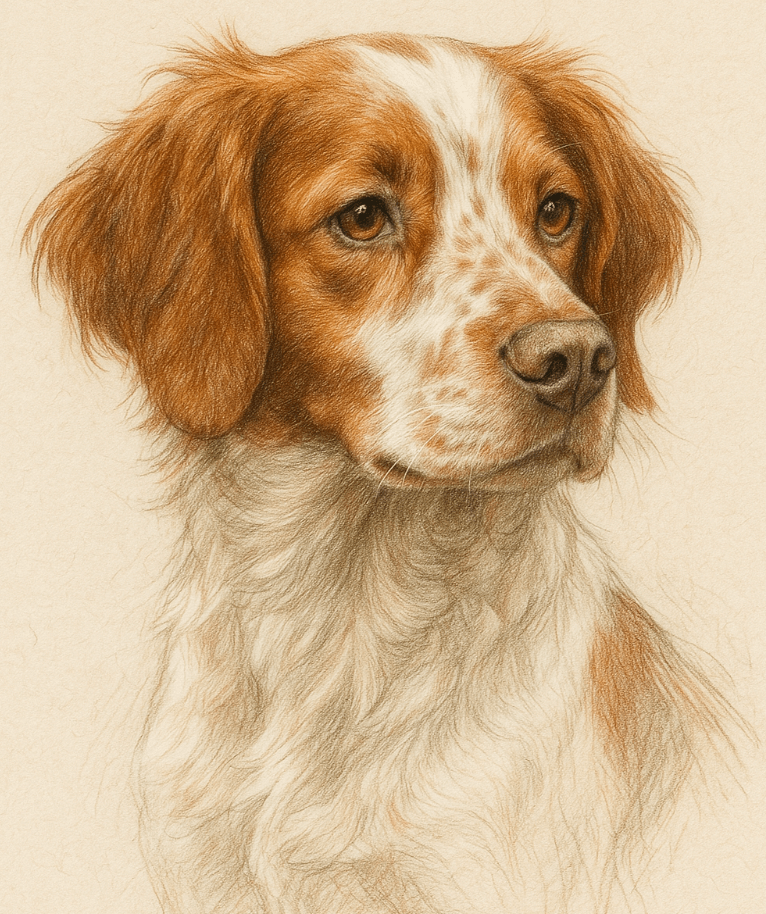

Brittany Spaniel: Best 7 Expert Tips!

Brittany Spaniel: Best 7 Expert Tips!

Brittany Spaniel: The Energetic and Loyal Companion


The Brittany Spaniel, often simply called the Brittany, is a breed that captures hearts with its boundless energy, striking appearance, and unwavering loyalty. Originally bred as a hunting dog in France, this versatile breed has become a favorite among families, active individuals, and outdoor enthusiasts alike. Known for their intelligence, agility, and friendly demeanor, Brittany Spaniels thrive in environments where they can stay physically and mentally engaged. Whether you’re considering adding a Brittany Spaniel to your family or simply curious about this remarkable breed, this blog post will explore everything you need to know about their history, temperament, care requirements, and more.

Key Characteristics of the Brittany Spaniel


The Brittany Spaniel stands out for its unique combination of physical traits and personality quirks. Understanding these characteristics helps explain why this breed is so beloved by dog lovers worldwide.

 
  • Athletic Build:
    With a lean, muscular frame, the Brittany Spaniel is built for speed, endurance, and agility, making them exceptional hunters and athletes.

  • Distinctive Coat:
    Their medium-length coat is either flat or slightly wavy, available in vibrant orange and white or liver and white patterns, which require minimal grooming.

  • High Energy Levels:
    Brittanys are known for their endless energy, requiring ample exercise and mental stimulation to stay happy and healthy.

  • Friendly and Social Nature:
    This breed thrives on companionship and forms strong bonds with their human family members, making them excellent family pets.

  • Intelligent and Trainable:
    Brittanys are quick learners and respond well to positive reinforcement training methods, excelling in obedience and agility sports.


These traits make the Brittany Spaniel a dynamic and rewarding companion, though they do require an owner who can match their enthusiasm and commitment.

Exercise and Activity Needs for a Brittany Spaniel


One of the most defining aspects of the Brittany Spaniel is their high energy levels. Meeting their exercise needs is essential for their physical health and emotional well-being.

 
  • Daily Walks and Runs:
    A Brittany requires at least one to two hours of vigorous exercise daily, such as long walks, runs, or hikes, to burn off excess energy.

  • Playtime and Fetch:
    Games like fetch or frisbee are perfect for Brittanys, as they love to run and retrieve objects tirelessly.

  • Mental Stimulation:
    Puzzle toys, scent work, and training sessions keep their sharp minds engaged and prevent boredom-related behaviors.

  • Agility Training:
    Brittanys excel in dog sports like agility courses, which challenge both their physical abilities and problem-solving skills.

  • Companionship During Activities:
    This breed enjoys being included in family activities and outdoor adventures, thriving when they’re part of the action.


Failing to meet their activity needs can lead to destructive behaviors, so ensuring regular exercise is key to a harmonious household.

Brittany Spaniel: Best 7 Expert Tips!
Brittany Spaniel Pros
Brittany Spaniel Cons
Highly energetic and playful
Requires significant daily exercise
Intelligent and easy to train
Can develop separation anxiety if left alone
Great with children and other pets
Needs regular mental stimulation
Minimal grooming needs
Not ideal for sedentary owners
Loyal and affectionate companion
Prone to chasing small animals due to prey drive

Training Tips for Your Brittany Spaniel


Training a Brittany Spaniel is a rewarding experience, thanks to their intelligence and eagerness to please. However, it requires consistency and patience to channel their energy effectively.

 
  • Start Early:
    Begin training and socialization during puppyhood to establish good habits and build confidence in new situations.

  • Use Positive Reinforcement:
    Reward-based methods, such as treats, praise, or play, work best for motivating Brittanys and reinforcing desired behaviors.

  • Keep Sessions Short and Fun:
    Due to their high energy, Brittanys benefit from brief but engaging training sessions that hold their attention.

  • Focus on Recall Training:
    Teaching a reliable recall command is crucial, as their strong prey drive may tempt them to chase after wildlife.

  • Incorporate Variety:
    Mix up training exercises to keep your Brittany challenged and prevent monotony from setting in.


With the right approach, training can strengthen your bond and ensure your Brittany grows into a well-behaved and balanced adult dog.

Health Considerations for Brittany Spaniels


While generally healthy, Brittany Spaniels are prone to certain genetic conditions and health concerns. Being aware of these risks allows you to provide proactive care.

 
  • Hip Dysplasia:
    A common issue in active breeds, hip dysplasia can be managed with proper diet, exercise, and veterinary monitoring.

  • Epilepsy:
    Some Brittanys may develop epilepsy, requiring medication and ongoing support to manage seizures effectively.

  • Dental Health Issues:
    Regular teeth brushing and professional cleanings help prevent periodontal disease, which can affect smaller breeds like the Brittany.

  • Allergies:
    Skin allergies caused by food, environmental factors, or flea bites may require dietary adjustments or allergy treatments.

  • Eye Conditions:
    Progressive retinal atrophy (PRA) and other eye disorders can occur, so routine eye exams are important for early detection.


By staying vigilant about their health, you can ensure your Brittany enjoys a long, happy life by your side.


Tips for First-Time Brittany Spaniel Owners


Welcoming a Brittany Spaniel into your home for the first time can be exciting but overwhelming. These tips will help you prepare for a smooth transition.

 
  • Create a Safe Space:
    Provide a designated area, like a crate or bed, where your Brittany can retreat and feel secure.

  • Establish a Routine:
    Consistent feeding, walking, and sleeping schedules help your Brittany adapt quickly to their new environment.

  • Stock Up on Supplies:
    Invest in essentials like a sturdy leash, collar, grooming tools, and interactive toys to keep them entertained.

  • Enroll in Obedience Classes:
    Group classes not only teach basic commands but also offer valuable socialization opportunities.

  • Be Patient During Adjustment:
    It takes time for any dog to settle into a new home—give your Brittany space to adjust while showering them with love.


Following these tips ensures a successful start to your journey together.

Common Misconceptions About Brittany Spaniels


Despite their popularity, several misconceptions surround the Brittany Spaniel. Clearing these up helps paint a more accurate picture of the breed.

 
  • “They’re Only Good for Hunting”:
    While they excel in hunting, Brittanys are equally suited for family life and various dog sports.

  • “They Don’t Need Much Grooming”:
    Though low-maintenance compared to some breeds, regular brushing and nail trimming are still necessary.

  • “They’re Hyperactive Indoors”:
    Proper exercise prevents indoor restlessness, allowing them to relax calmly inside.

  • “They’re Not Affectionate”:
    Contrary to belief, Brittanys form deep bonds with their humans and crave closeness.

  • “They’re Difficult to Train”:
    Highly trainable, Brittanys respond well to consistent, positive methods.


Understanding these truths fosters realistic expectations and appreciation for the breed.

Fun Facts About Brittany Spaniels


The Brittany Spaniel is full of surprises, with fascinating facts that highlight their uniqueness.

 
  • Named After a Region:
    The breed originated in the Brittany region of France, where farmers valued them for their versatility in hunting.

  • Dual Purpose Breed:
    Brittanys were originally bred to point and retrieve game, showcasing their adaptability in the field.

  • Popular Show Dog:
    Beyond hunting, Brittanys frequently compete and win in conformation shows due to their elegant appearance.

  • Minimal “Doggy Odor”:
    Unlike many breeds, Brittanys have little to no noticeable odor, making them ideal for allergy-sensitive households.

  • Highly Versatile Athletes:
    From dock diving to flyball, Brittanys participate in a wide range of canine sports, proving their athleticism time and again.


These fun facts celebrate the incredible qualities that make Brittany Spaniels stand out among dogs.

Frequently Asked Questions About Brittany Spaniels

 
Are Brittany Spaniels good with kids?

Yes, their friendly and patient nature makes them excellent companions for children when properly socialized.

They have moderate shedding, but regular brushing minimizes loose hair and keeps their coat looking neat.

They require at least one to two hours of intense exercise daily to stay content and well-behaved.

While possible, they fare better in homes with yards where they can run and play freely.

On average, Brittanys live 12–14 years, provided they receive proper care and nutrition throughout their lives.

Is a Brittany Spaniel Right for You?


The Brittany Spaniel is a remarkable breed that brings joy, energy, and loyalty to any home. Their intelligence, athleticism, and affectionate nature make them wonderful companions for active individuals and families. However, owning a Brittany requires dedication to meeting their exercise, training, and grooming needs. If you’re ready to embrace their lively spirit and commit to providing the care they deserve, a Brittany Spaniel could be the perfect addition to your life. Remember, every dog deserves a loving and supportive environment—and with a Brittany, the rewards are limitless.

Is Rawhide Bad for Cats? Best 7 Expert Tips!

Is Rawhide Bad for Cats? Best 7 Expert Tips! – Discover the risks, safe alternatives, and expert advice to keep your feline friend healthy and happy.

Is Rawhide Bad for Dogs? Best 7 Expert Tips!

Is Rawhide Bad for Dogs? Best 7 Expert Tips! – Discover the risks, benefits, and safer alternatives to rawhides for your dog’s chewing needs.

Understanding Anorexia in Cats: Best 7 Expert Tips!

Understanding Anorexia in Cats: Best 7 Expert Tips! – Learn why cats stop eating, spot warning signs, and discover how to help your feline regain appetite safely.

Understanding Anorexia in Dogs: Best 7 Expert Tips!

Understanding Anorexia in Dogs: Best 7 Expert Tips! – Learn causes, symptoms, and solutions to help your dog regain appetite and stay healthy.

Leave a Reply

Your email address will not be published. Required fields are marked *