
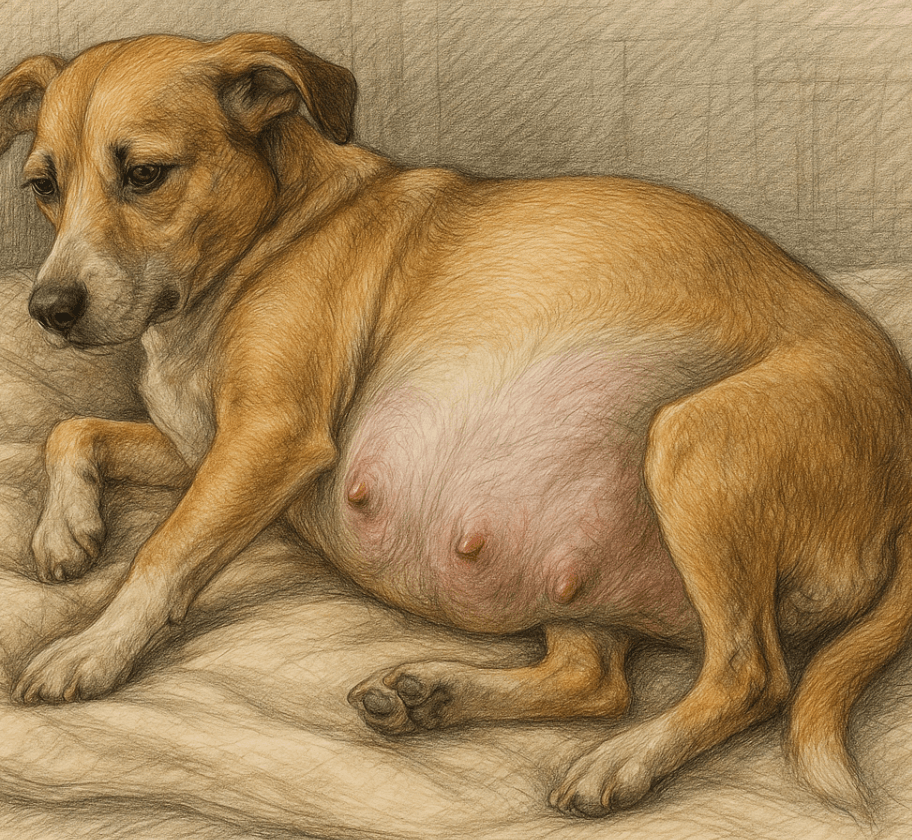

Beginning Stages of Dog Labor: Best 7 Expert Tips!

Beginning Stages of Dog Labor: Best 7 Expert Tips!

Beginning Stages of Dog Labor: What Every Pet Parent Should Know


Welcoming a litter of puppies into the world is an exciting yet nerve-wracking experience for any dog owner. Understanding the beginning stages of dog labor is crucial to ensure a safe and smooth delivery for your furry friend. While every dog is unique, most pregnancies follow a predictable pattern, and recognizing the early signs of labor can help you prepare for the big day. From behavioral changes to physical symptoms, this guide will walk you through everything you need to know about the onset of labor in dogs. With proper knowledge and preparation, you can provide the support your dog needs during this critical time.

Expert Insight on Canine Gestation

“The gestation period for a pregnant canine is about 63 days from the time of conception. However, like humans, dogs can go into labor early or late. So, you can’t always rely on counting days to determine when your dog is about to give birth. Fortunately, several signs will clue you in that it’s going to take place sooner rather than later.”

Dr. Athena Gaffud

Signs That Labor Is Approaching


As your dog nears the end of her pregnancy, there are several telltale signs that labor is on the horizon. Being aware of these indicators allows you to monitor her condition and prepare for the delivery.

 
  • Drop in Body Temperature:
    A pregnant dog’s temperature typically drops to around 99°F (37.2°C) or lower within 24 hours of labor starting.

  • Restlessness and Pacing:
    Your dog may become unusually restless, pacing back and forth or circling as she prepares for delivery.

  • Loss of Appetite:
    Many dogs lose interest in food as labor approaches, signaling that their body is focusing on the upcoming birthing process.

  • Nesting Behavior:
    She may start gathering blankets or toys in a quiet corner, creating a cozy space for giving birth.

  • Visible Contractions:
    You might notice abdominal tightening or visible contractions as her body begins preparing for labor.


Recognizing these signs helps you stay proactive and ready to assist your dog as she enters the first stage of labor.

Beginning Stages of Dog Labor: Best 7 Expert Tips!

The First Stage of Dog Labor: What to Expect


The first stage of dog labor involves significant physical and behavioral changes as your dog’s body prepares for delivery. This phase can last anywhere from 6 to 12 hours, so patience is key.

 
  • Increased Panting:
    Your dog may pant heavily due to discomfort or mild pain caused by uterine contractions.

  • Vaginal Discharge:
    A clear, pinkish, or slightly bloody discharge is common during this stage, indicating the cervix is dilating.

  • Frequent Urination:
    As the puppies move into position, your dog may urinate more often than usual.

  • Whining or Vocalizing:
    Some dogs vocalize their discomfort, while others remain quiet—both are normal behaviors.

  • Refusal to Leave Her Nest:
    Once nesting begins, your dog may refuse to leave her chosen spot, even for food or water.


Understanding these behaviors ensures you can provide comfort and reassurance during this critical time.

Signs of Early Labor
What to Do as a Pet Owner
Drop in body temperature
Monitor her temperature regularly
Restlessness and pacing
Provide a calm environment
Loss of appetite
Offer light snacks but don’t force eating
Nesting behavior
Set up a clean, comfortable whelping area
Visible contractions
Stay nearby to observe without disturbing

How to Prepare for Dog Labor


Being prepared for your dog’s labor can make the entire process smoother and less stressful for both you and your pet. Here are some essential steps to take before the big day arrives.

 
  • Create a Whelping Box:
    Designate a quiet, warm, and secure space where your dog can give birth comfortably.

  • Gather Supplies:
    Stock up on clean towels, gloves, antiseptic wipes, and scissors in case assistance is needed.

  • Consult Your Veterinarian:
    Schedule check-ups throughout the pregnancy and discuss emergency protocols with your vet.

  • Learn Puppy Delivery Basics:
    Educate yourself on how to recognize complications and safely handle newborn puppies if necessary.

  • Stay Calm and Observant:
    Remain calm during labor, offering gentle encouragement while watching for signs of distress.


Preparation ensures you’re equipped to handle whatever comes your way during the birthing process.

Common Mistakes to Avoid During Early Labor


Even well-meaning pet owners can make mistakes during the early stages of dog labor. Avoiding these pitfalls helps ensure a safer delivery for your dog and her puppies.

 
  • Intervening Too Soon:
    Resist the urge to interfere unless absolutely necessary; many dogs prefer privacy during labor.

  • Panicking Over Mild Symptoms:
    Don’t overreact to normal behaviors like panting or nesting—they’re part of the process.

  • Forcing Food or Water:
    If your dog refuses food or water, avoid forcing her to consume them, as this can cause stress.

  • Neglecting Hygiene Practices:
    Always wash your hands thoroughly before handling the dog or puppies to prevent infections.

  • Ignoring Warning Signs:
    Failing to act on red flags like prolonged straining or excessive bleeding can endanger your dog.


By avoiding these mistakes, you can provide better care and support during this important time.

Tips for Creating a Comfortable Whelping Environment


A comfortable and safe whelping environment is essential for your dog’s peace of mind during labor. Follow these tips to set up the perfect space.

 
  • Choose a Quiet Location:
    Select a secluded area away from household noise and foot traffic to minimize stress.

  • Use Soft Bedding:
    Line the whelping box with soft, absorbent materials like old towels or blankets.

  • Keep It Warm:
    Ensure the space is warm enough to prevent hypothermia in newborn puppies, ideally around 85°F (29°C).

  • Make It Accessible:
    Place the whelping box in a location your dog feels familiar with, such as her favorite room.

  • Avoid Strong Scents:
    Refrain from using scented cleaners or air fresheners near the whelping area, as strong odors can upset your dog.


Creating a welcoming space helps your dog feel secure and ready for labor.

Recognizing Potential Complications During Early Labor


While most deliveries go smoothly, complications can arise. Knowing what to look for ensures you can seek help promptly if needed.

 
  • Prolonged Labor Without Progress:
    If your dog has been in active labor for over an hour without delivering a puppy, contact your vet immediately.

  • Excessive Bleeding:
    More than a small amount of blood during labor could indicate a serious issue requiring medical attention.

  • Green Discharge Before Birth:
    A green vaginal discharge before the first puppy is born may signal fetal distress.

  • Weak or Absent Contractions:
    Lack of contractions despite visible signs of labor progression is concerning and should be evaluated.

  • Extreme Lethargy or Collapse:
    If your dog becomes unresponsive or collapses, seek emergency veterinary care right away.


Early detection of complications can save lives, so always trust your instincts.

Post-Labor Care for Mom and Puppies


Once the puppies are born, your job isn’t over yet. Providing proper post-labor care ensures mom and babies thrive in the days ahead.

 
  • Encourage Nursing Immediately:
    Help puppies latch onto their mother’s teats to receive colostrum, which boosts immunity.

  • Monitor Mom’s Health:
    Check your dog for signs of infection, excessive bleeding, or refusal to eat after labor.

  • Keep the Area Clean:
    Regularly change bedding and remove soiled materials to maintain hygiene in the whelping box.

  • Weigh the Puppies Daily:
    Track each puppy’s weight to ensure steady growth—a drop in weight could indicate feeding issues.

  • Schedule a Postpartum Vet Visit:
    Take mom and puppies to the vet within a few days of birth to confirm everyone is healthy.


Proper post-labor care sets the foundation for a happy, thriving litter.

Frequently Asked Questions About the Beginning Stages of Dog Labor

 
How long does the first stage of labor last?

The first stage typically lasts 6 to 12 hours but can vary depending on the dog.

Occasional vomiting is normal, but frequent or severe vomiting warrants veterinary attention.

Stay calm and reassure her with soothing words and gentle petting to reduce anxiety.

Contact your vet if labor stalls, your dog appears in extreme distress, or no puppy is delivered after 30-60 minutes of strong contractions.

While some independence is fine, staying close allows you to monitor her condition and step in if needed.

Supporting Your Dog Through the Beginning Stages of Labor


The beginning stages of dog labor mark the start of an incredible journey for both your dog and her puppies. By understanding the signs, preparing adequately, and staying vigilant, you can play a vital role in ensuring a successful delivery. Remember, patience and observation are your greatest allies during this time. With love, care, and proper guidance, you’ll be able to celebrate the arrival of healthy puppies and witness the joy they bring to your home.

 
Is Rawhide Bad for Cats? Best 7 Expert Tips!

Is Rawhide Bad for Cats? Best 7 Expert Tips! – Discover the risks, safe alternatives, and expert advice to keep your feline friend healthy and happy.

Is Rawhide Bad for Dogs? Best 7 Expert Tips!

Is Rawhide Bad for Dogs? Best 7 Expert Tips! – Discover the risks, benefits, and safer alternatives to rawhides for your dog’s chewing needs.

Understanding Anorexia in Cats: Best 7 Expert Tips!

Understanding Anorexia in Cats: Best 7 Expert Tips! – Learn why cats stop eating, spot warning signs, and discover how to help your feline regain appetite safely.

Understanding Anorexia in Dogs: Best 7 Expert Tips!

Understanding Anorexia in Dogs: Best 7 Expert Tips! – Learn causes, symptoms, and solutions to help your dog regain appetite and stay healthy.

Leave a Reply

Your email address will not be published. Required fields are marked *